

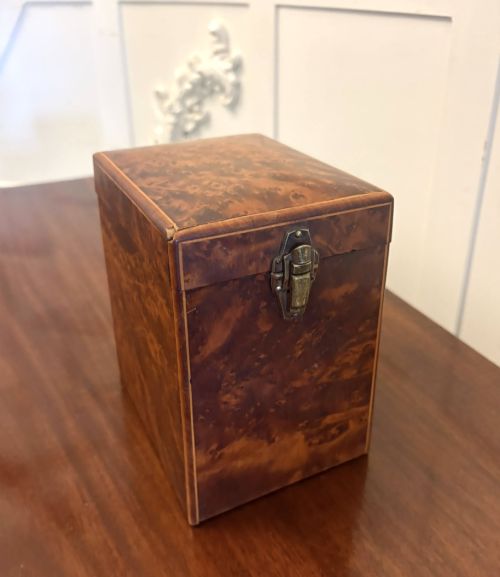


Antique Wooden Latch
These antique wooden latch pieces are heavy storage chests and fitted boxes that bring practical timber construction into daily use.
Antique Wooden Latch
When you search for antique wooden latch items, you encounter a mix of domestic storage boxes, camphorwood trunks, and functional door locks spanning the Georgian period to the 1930s. The selection relies heavily on Oriental and Chinese export camphor chests alongside Victorian amboyna tea caddies and oak display cabinets.
The most frequent items on this page are carved camphor wood storage chests and blanket boxes dating from the early twentieth century. These pieces combine traditional timber joinery with metal hardware designed to secure personal possessions and household textiles.
Alongside large chests, the inventory contains smaller desktop and countertop examples such as Georgian oak boxes and Victorian travelling tea caddies. These smaller containers demonstrate finer joinery and specialised interior compartments alongside their exterior latches and locks.
How they were made
The construction of these items depends on dense timbers such as oak, camphor wood, and amboyna wood. Artisans worked these woods using traditional hand tools, frequently pairing the solid timber bodies with carved surface decoration.
Functional hardware forms an integral part of the manufacture, incorporating brass, iron, and steel components alongside glass details. Locks, keys, and latches were fitted directly into the timber framework to ensure security and durability.
Antique Wooden Latch Retail Price Guide 2026
Typical asking prices for wooden latch among the pieces listed under this phrase on Sellingantiques today, from the lower quarter to the upper quarter. They describe what is for sale here now, not the wider market.
Camphor wood chests retain their distinct natural aroma over a century after leaving the workshop.
What varies in quality
Quality in these pieces is dictated by the depth and execution of the carved decoration on the timber surface. Crisply defined carving on camphor wood chests indicates a higher standard of workmanship than shallow or uniform patterns.
The integration of the latch and lock mechanism relative to the surrounding wood separates standard utility boxes from superior examples. Better pieces retain original working keys and closely fitted brass or iron hardware that sits flush with the timber.
The Antique Wooden Latch Glossary
- Camphorwood
- An aromatic timber native to Asia, prized for its insect-repellent properties and durability in storage chests. It frequently displays a varied grain pattern and takes deep relief carving well.
- Tea caddy
- A small container originally designed to store loose tea leaves securely. These fitted boxes often featured internal compartments and small locks to protect expensive contents.
- Blanket box
- A large rectangular storage chest used for domestic textiles. They typically feature hinged lids and sturdy fastening hardware to protect household linens.
- Keep
- The metal plate on a door or box frame into which a latch bolt or lock tongue engages. It provides stability and security for the locking mechanism.
Antique Wooden Latch: Frequently Asked Questions
What is an antique wooden latch?
An antique wooden latch refers to the hardware and fastening mechanisms found on historic boxes, chests, and doors. These fixtures are typically constructed from brass, iron, or steel and mounted onto timber bodies.
Items featuring these latches range from nineteenth-century tea caddies to twentieth-century storage chests. They demonstrate how period furniture combined security with everyday utility.
How do I care for camphor wood?
Camphor wood requires minimal maintenance due to its natural oils and aromatic qualities. Keep the timber away from direct heat sources and strong sunlight to prevent the wood from drying out.
Clean the surface gently with a dry or slightly damp cloth without using harsh chemical polishes. Preserving the natural finish protects both the timber and the original carved details.
How old are these storage chests?
The storage chests and boxes on this page date primarily from the Victorian era through to the 1930s. Many of the Oriental camphor wood trunks originate from the early twentieth century.
Earlier examples include Georgian oak boxes and mid-nineteenth-century travelling caddies. Dating is determined by the construction methods, timber types, and style of the hardware.
Were these boxes used for travel?
Certain items, such as travelling tea caddies and steamer trunks, were specifically designed for transit. They feature robust timber construction and secure latches to withstand movement.
Other pieces, like blanket boxes and countertop display cabinets, were intended for stationary domestic or commercial use. The presence of handles and heavy-duty locks usually indicates a transport function.
What metals were used for latches?
Period latches and locks were manufactured using brass, iron, and steel. Brass was favoured for decorative interior boxes like tea caddies due to its bright appearance and resistance to corrosion.
Iron and steel appear more frequently on heavy storage trunks and door locks for added strength. Original keys often match the metal composition of the accompanying latch.