
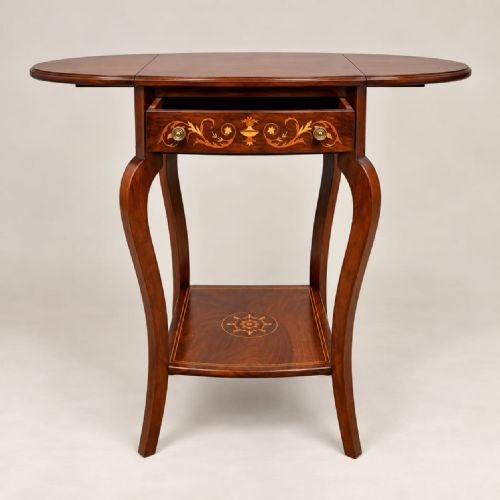


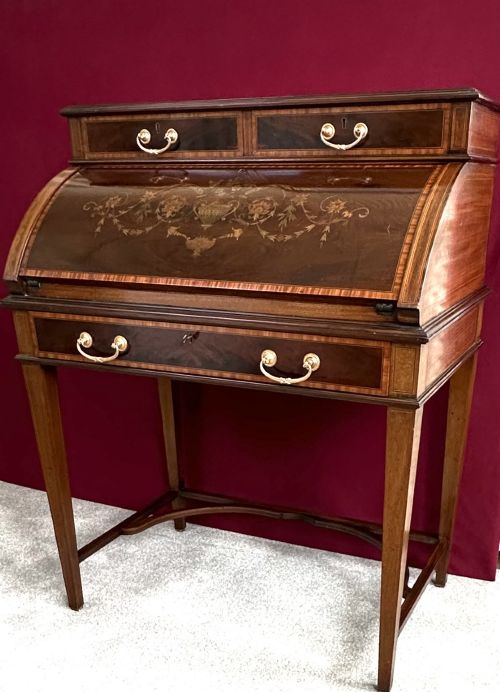
Antique Wooden Drop Table
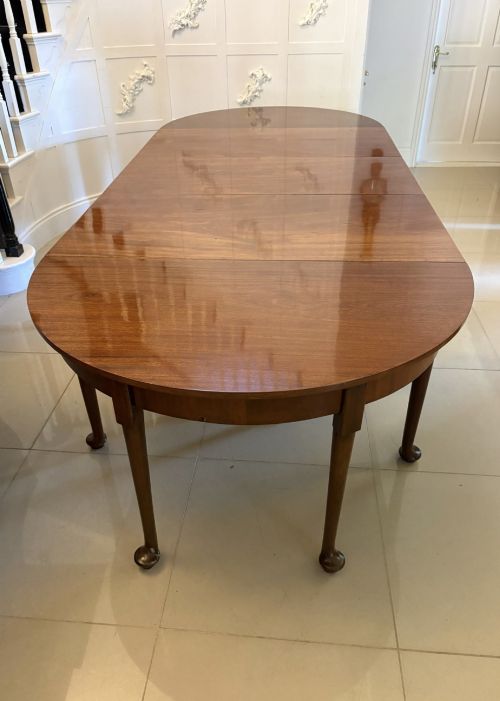
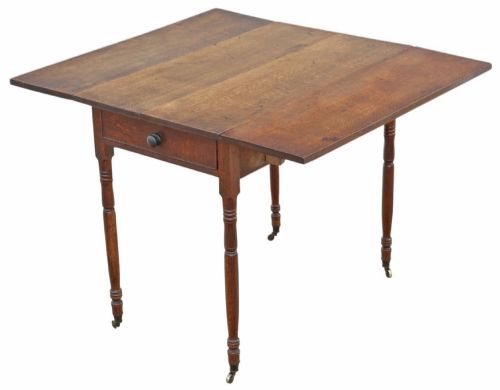
An antique wooden drop table offers folding leaves to adapt domestic space, spanning formats from Pembroke and gateleg dining pieces to compact sofa and occasional designs.
Antique Wooden Drop Table
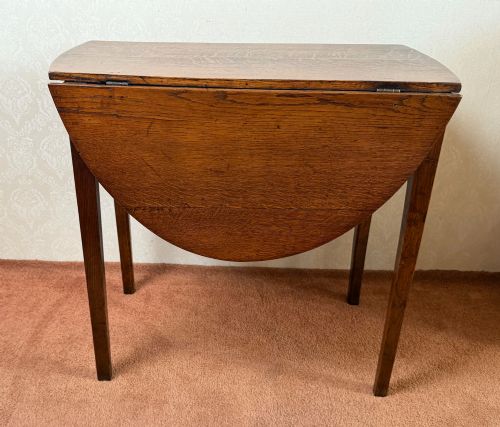
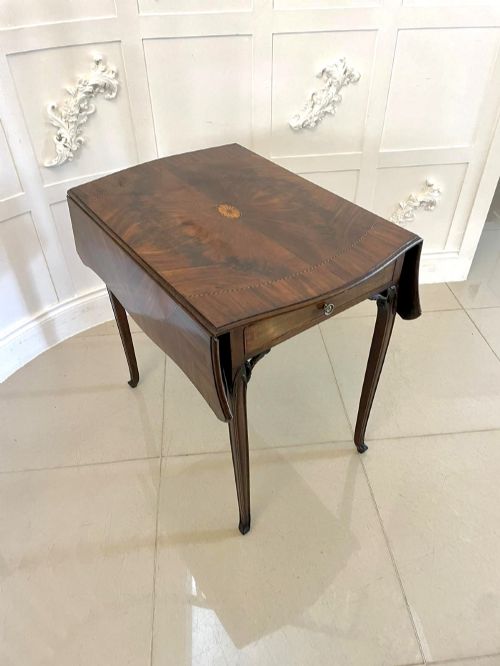
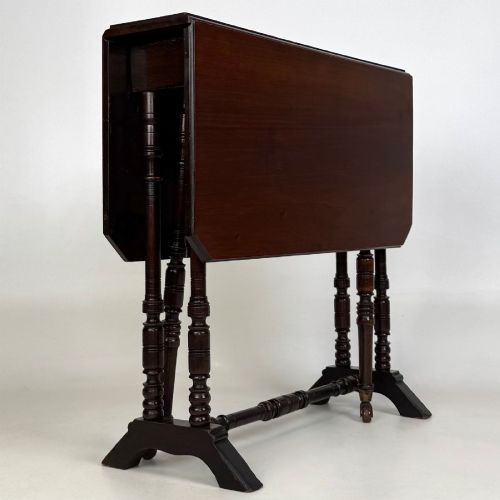
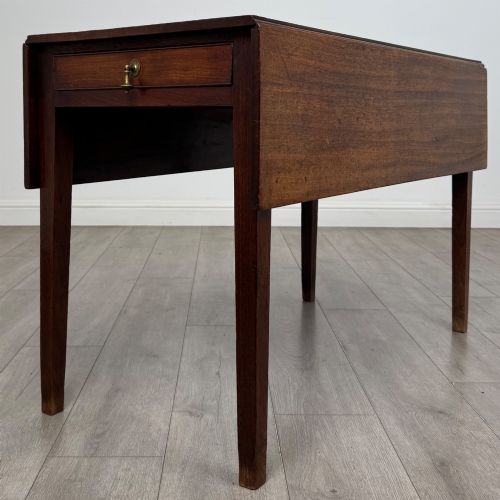
An antique wooden drop table encompasses versatile folding-leaf designs used for dining, writing, and serving across the eighteenth, nineteenth, and early twentieth centuries. Buyers searching this phrase meet various forms including Pembroke tables with drawer storage, sturdy oak gateleg tables, slender sofa tables, and compact Sutherland designs.
The material palette spans durable oak and walnut from earlier periods alongside rich mahogany, rosewood, and satinwood favoured during the Georgian, Regency, and Victorian eras. Pieces range from small kitchen and bedside formats to large dining tables seating multiple people, reflecting the domestic needs of their original periods.
Materials and Technique
Cabinetmakers utilised solid timbers alongside figured veneers, applying mahogany, walnut, oak, and rosewood over secondary structural woods. Drop leaves required robust hinge mechanisms and stable support framing, whether hinged gatelegs, swinging brackets, or Pembroke flap supports.
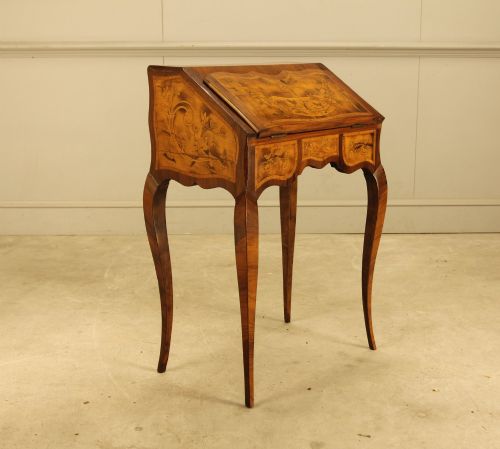
Surface decoration frequently incorporated intricate wood inlay, contrasting crossbanding, and figured grain patterns such as flame mahogany or burr walnut. Joinery relied on traditional techniques to ensure that hinged leaves remained level and sturdy under daily use.
Listings feature timbers including mahogany, walnut, oak, rosewood, satinwood, and pine across styles from Queen Anne to Edwardian.
Evaluating the Pieces
Quality rests primarily on the choice of timber and the precision of the timber grain, with figured veneers, solid fiddleback sycamore, or rich red walnut elevating a piece above plain stock. The integrity of the drop-leaf mechanism and the smoothness of the folding action determine practical excellence.
Proportion and patination define the visual standing of these tables. Pieces displaying warm, aged patinas on original surfaces and well-balanced proportions between the fixed top and folding leaves represent the finest examples.
The Antique Wooden Drop Table Glossary
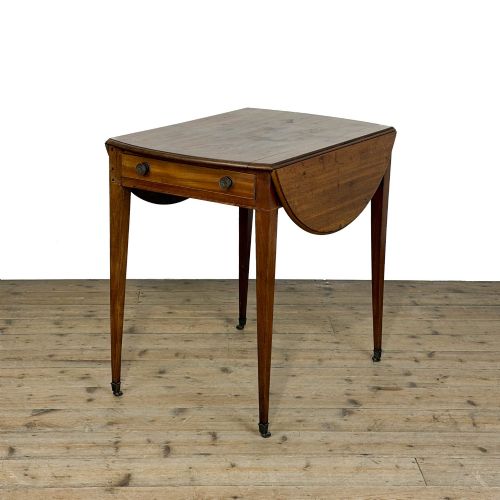
- Pembroke table
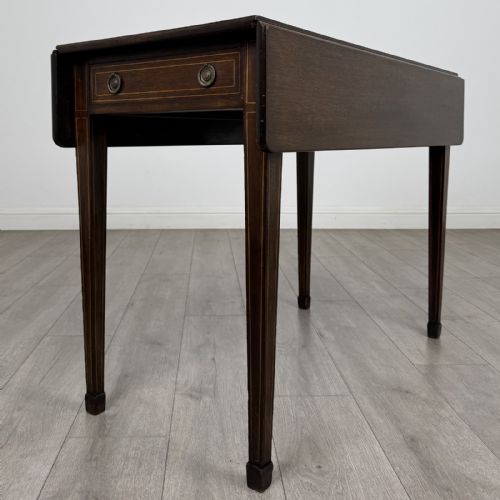
- A small rectangular table featuring two hinged drop leaves on opposing sides, often equipped with one or more small drawers.
- Gateleg table
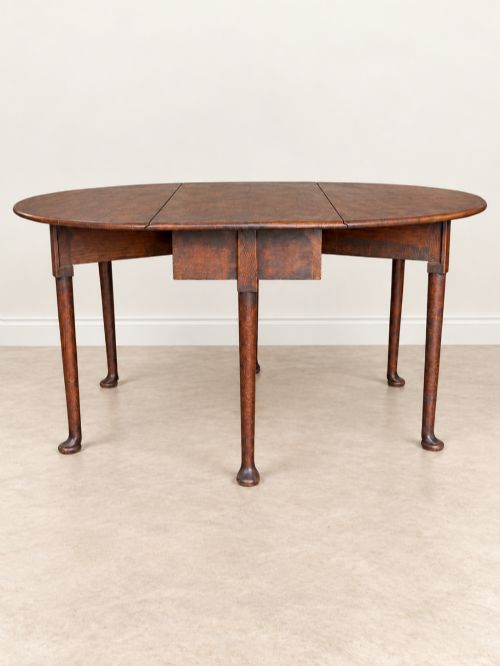
- A dining table with folding leaves supported by hinged legs that swing outward like gates to hold the flaps steady.
- Sutherland table
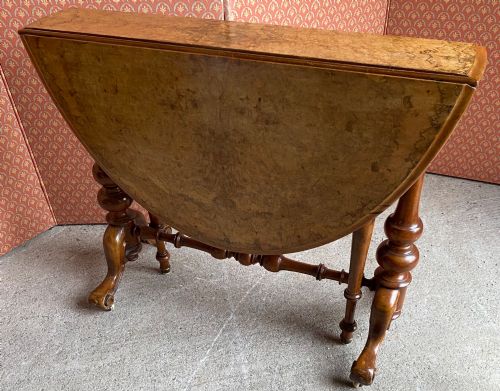
- A remarkably narrow table with exceptionally slender drop leaves that fold down almost vertically on each side.
- Sofa table
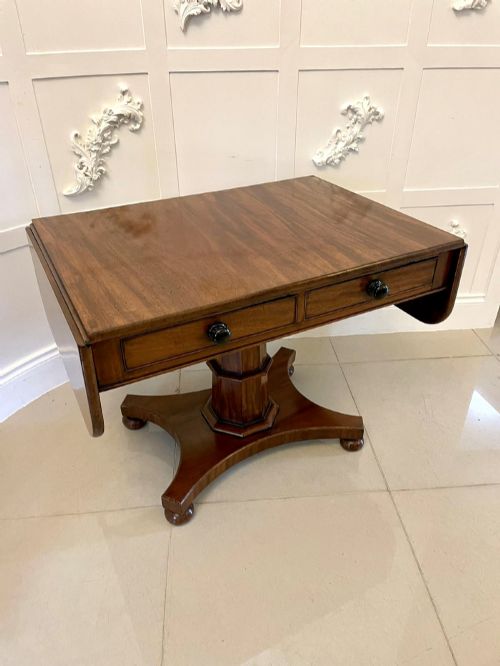
- A rectangular occasional table traditionally designed to stand in front of a sofa, featuring drop leaves at either end.
- Patina
- The surface sheen and mellow depth developed by timber over centuries of handling, exposure, and polishing.
Antique Wooden Drop Table: Frequently Asked Questions
How do I use a drop table in a small room?
These tables adapt easily to restricted spaces because one or both leaves fold down when not needed. Dropping the leaves turns a dining surface into a narrow console or side table against a wall.
When extra surface area is required for dining or working, the leaves swing up and lock into position with gatelegs or pivoting brackets.
How can I tell a Georgian drop table from a Victorian one?
Georgian tables, dating through the eighteenth and early nineteenth centuries, often showcase simpler, elegant lines in mahogany, oak, or walnut, occasionally featuring subtle string inlay. Cabinetmakers of this period focused on restrained proportions and fine timber grain.
Victorian pieces from the later nineteenth century frequently employ denser woods like rosewood and burr walnut, sometimes displaying heavier turning, carving, or more elaborate Sutherland table frames.
Are drop tables sturdy enough for daily dining?
Solid oak and mahogany versions built with gateleg or stable drop-flap supports are structurally robust and designed for daily use. Regular dining puts weight on the centre frame, provided the folding leaves rest securely on their supports.
Lighter occasional or Pembroke tables suit writing and side placement better than heavy everyday family meals.