

Antique Wooden Decor
Antique wooden decor brings warmth and individual character to a room through carved panels, nautical models, and folk art.
Antique Wooden Decor
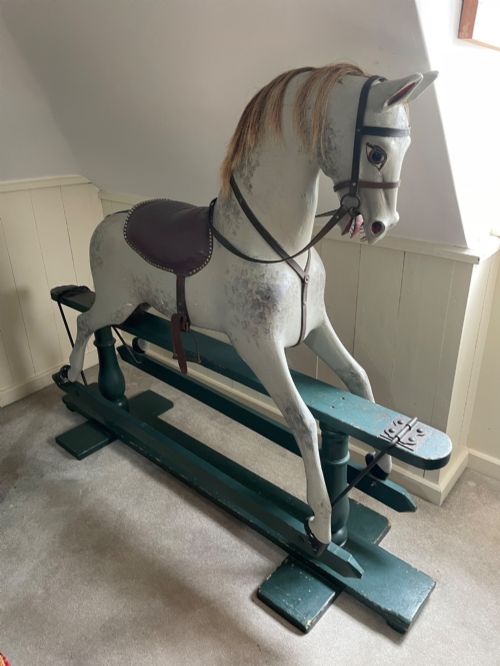
Antique wooden decor encompasses a varied selection of carved panels, decorative figures, model boats, and wall art spanning the eighteenth, nineteenth, and early twentieth centuries. Pieces range from Black Forest bookends and carved hardwood figures to pub signs and rocking horses.
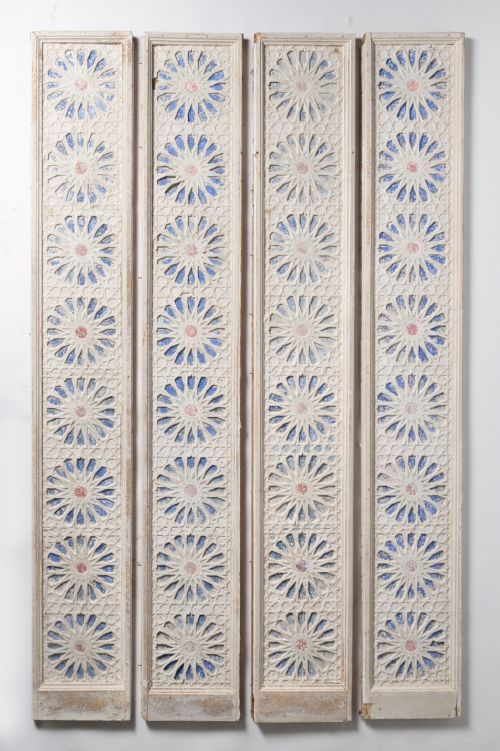
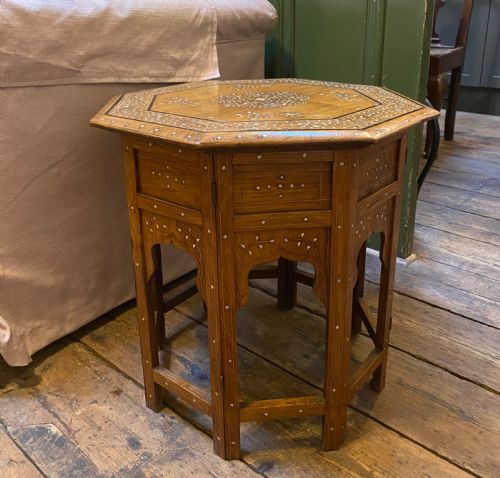
Buyers seeking antique wooden decor often find items shaped by specific regional traditions, including Anglo-Indian carvings, French giltwood mirrors, and Chinese hardwood brush pots. These objects served functional or ornamental purposes in domestic and public spaces.
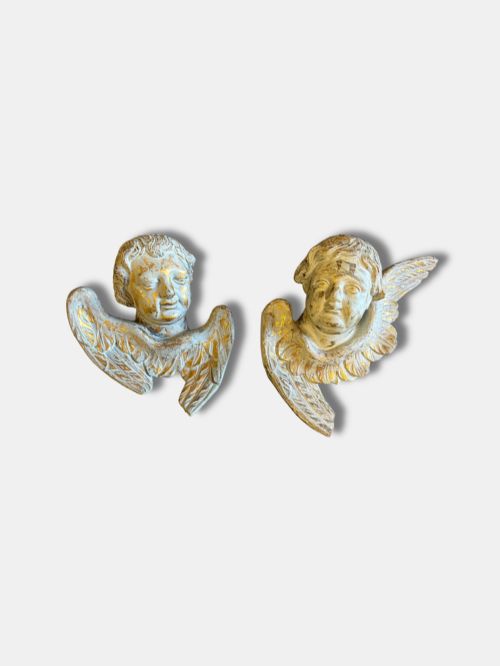
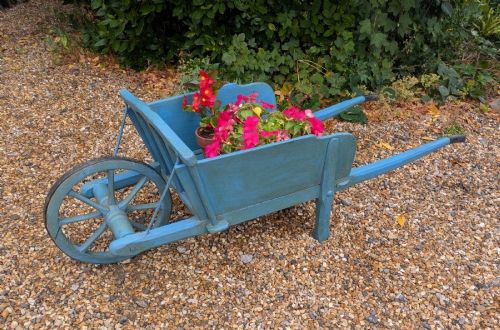
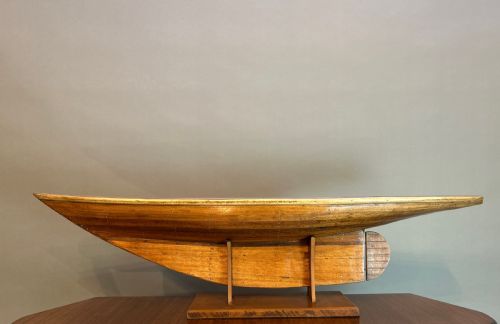
The selection reflects diverse construction dates, moving from eighteenth-century French angel wings and garden tools through Victorian barometers and Edwardian model boats up to nineteen-twenties pub signs and dioramas.
How they were made
The pieces rely primarily on timber, oak, walnut, and hardwood, often shaped through hand-carving and turning techniques. Artisans utilised traditional joinery and hand tools to produce items such as carousel columns, furniture panels, and decorative animal figures.
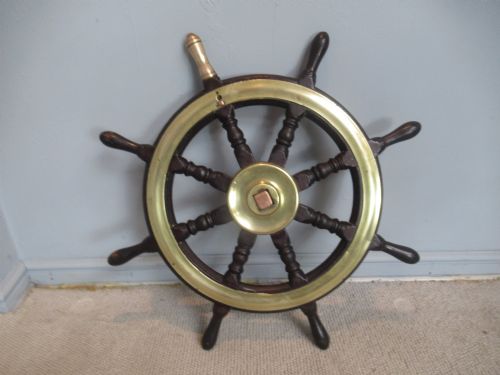
Many objects incorporate complementary materials like brass, glass, paint, and canvas to finish surfaces. Gilt gesso, paint, and metal fittings appear alongside exposed wood grains on items ranging from wall plaques to engine room telegraphs.
Antique Wooden Decor Retail Price Guide 2026
Typical asking prices for wooden decor among the pieces listed under this phrase on Sellingantiques today, from the lower quarter to the upper quarter. They describe what is for sale here now, not the wider market.
Listings feature items from the eighteenth, nineteenth, and early twentieth centuries, including Edwardian and Victorian pieces.
What varies in quality
Depth and precision of hand-carving separate standard decorative items from superior examples, particularly in figurative works and architectural panels. Finer pieces demonstrate careful attention to anatomical proportions in animals or intricate detail in foliate motifs.
Original surface treatments, such as untouched paint, patinated timber, or early gilding, influence the character of each piece. Retaining original structural elements, like rocking horse stands or diorama glass, preserves the integrity of the object.
Ulugary And Sons·G J Lines·L H Hagen And Co·W Grey And Co
The Antique Wooden Decor Glossary
- Black Forest
- A style of wood carving originating in Switzerland and Germany during the nineteenth century, known for detailed animal figures and foliage. These pieces often depict bears, owls, or other wildlife.
- Diorama
- A three-dimensional scene enclosed in a case, frequently featuring model ships in bottles or maritime settings. They gained popularity among sailors and folk art makers.
- Giltwood
- Timber coated with a thin layer of gold leaf or gesso, commonly used on eighteenth and nineteenth-century wall mirrors and decorative frames. This finish provides a reflective, ornamental surface.
- Hardwood
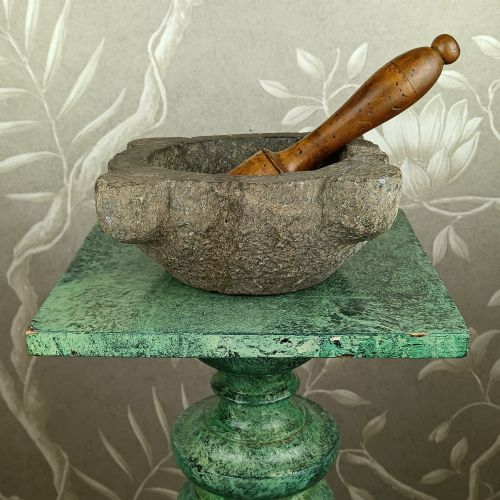
- Dense timber derived from broad-leaved trees, utilised for intricate carvings and objects requiring structural stability. Examples include Chinese brush pots and architectural figures.
- Turned
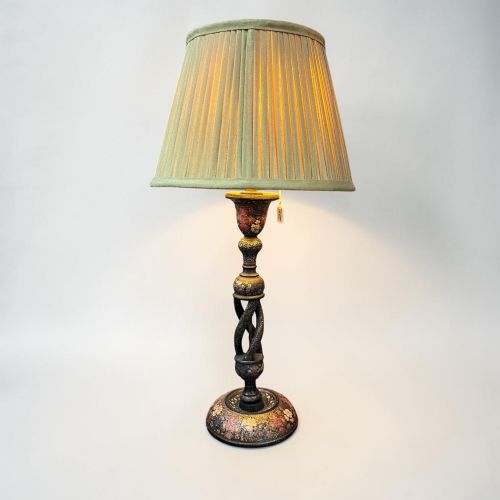
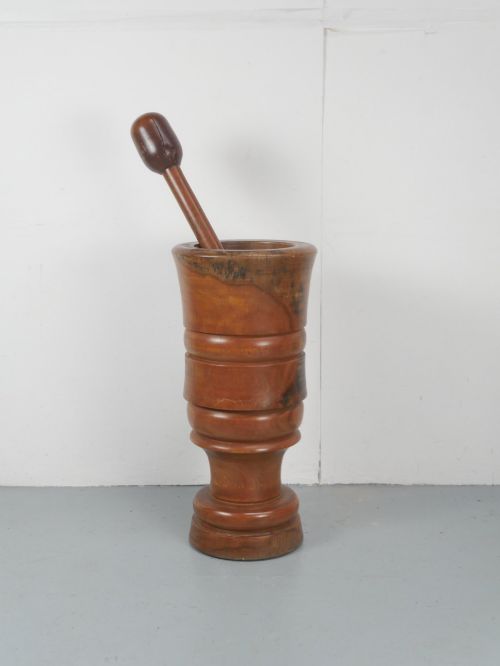
- Shaped on a lathe to create symmetrical, cylindrical forms such as vases, columns, or balusters. This technique appears on nineteenth-century decorative woodwork.
Antique Wooden Decor: Frequently Asked Questions
How were antique wooden objects used?
Many items served practical daily functions while possessing strong decorative qualities, such as bookends holding volumes, barometers measuring weather, or hat stretchers shaping millinery.
Other pieces, including model boats, wall art, and carved figures, were created specifically for visual display or as commemorative items.
How do I date wooden decor?
Dating relies on examining the timber species, tool marks, joinery techniques, and stylistic traits associated with specific periods like the Victorian era or the early twentieth century.
Original labels, signatures, or historical subject matter, such as WWI naval models, also help establish a reliable timeframe for the object's creation.
How do I care for wooden antiques?
Wooden decor requires stable indoor humidity levels and protection from direct sunlight to prevent timber from drying out, warping, or fading original finishes.
Gentle dusting with a dry cloth preserves patinated surfaces without stripping away historical wax or paint layers.