






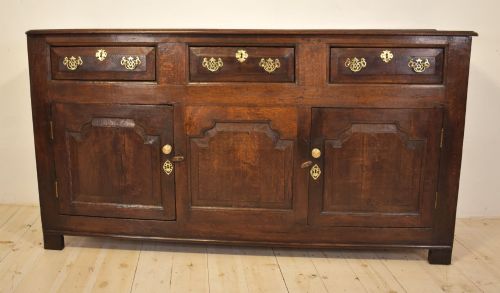
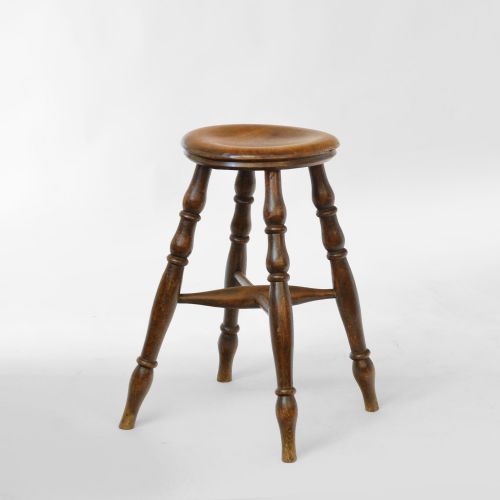
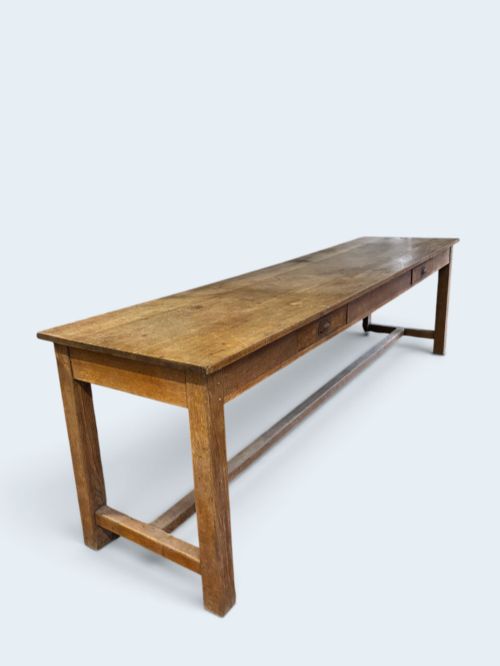
Antique Wooden Counter
An antique wooden counter brings commercial history straight into a domestic interior, offering practical surfaces built for enduring daily trade.
Antique Wooden Counter
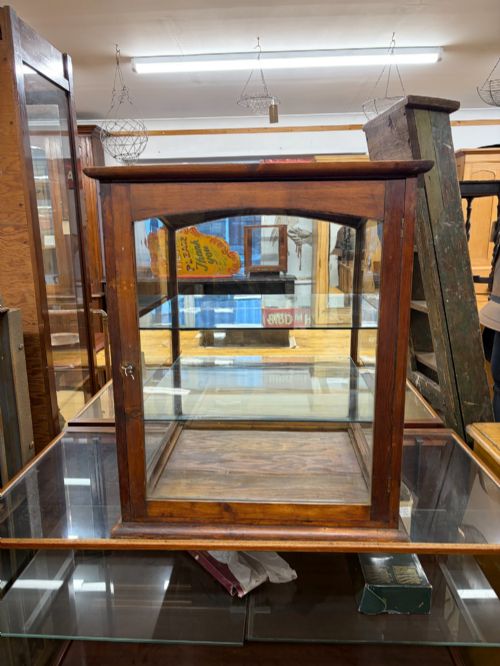
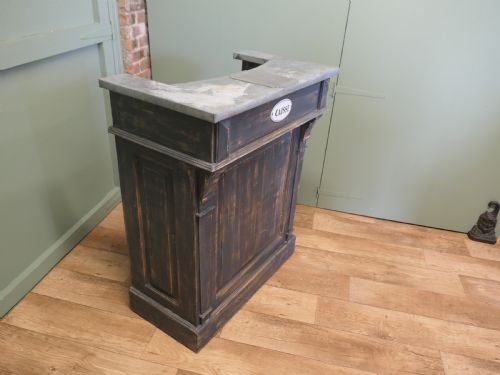
An antique wooden counter is a heavy-duty commercial fixture designed for retail, trade, or tavern use, emerging from periods like the Victorian era and the early twentieth century. These pieces encompass everything from expansive shop display cabinets and panelled oak shop counters to drapers tables and banks of drawers.
Buyers seeking this phrase encounter robust forms built from sturdy timbers such as oak, mahogany, pine, and elm. The selection frequently includes utilitarian pieces meant for heavy handling, alongside glass-fronted display cases and serving tables adapted for modern living spaces.
Origins stretch across English country workshops, French provincial settings, and commercial establishments of the nineteenth and twentieth centuries. Each item carries the marks of its working life, bridging the gap between functional shop furniture and characterful interior decoration.
What varies in quality
Quality rests in the integrity of the timber selection, the heaviness of the original construction, and the preservation of honest commercial wear. Superior examples retain their original brass fittings, working mechanical actions, and uncompromised structural frames without excessive modern intervention.
The degree of specialised commercial detailing separates standard utility pieces from exceptional items. Surviving maker marks, integrated glazing, and specialised compartmentalisation for trade goods elevate the commercial significance of the piece.
Antique Wooden Counter Retail Price Guide 2026
Typical asking prices for wooden counter among the pieces listed under this phrase on Sellingantiques today, from the lower quarter to the upper quarter. They describe what is for sale here now, not the wider market.
Listings feature commercial counters and furniture spanning the nineteenth century through the Edwardian and Art Deco periods, utilising oak, mahogany, pine, and elm.
The Antique Wooden Counter Glossary
- Haberdashery cabinet
- A multi-drawer retail fixture originally designed for storing ribbons, buttons, and textiles. These units feature numerous shallow drawers, often with glass fronts to display small merchandise.
- Drapers table
- A long, wide work table utilised in fabric and clothing shops for measuring and cutting cloth. They typically offer substantial proportions and lower tier shelving.
- Dispensing cabinet
- A specialised commercial unit fitted with mechanical mechanisms for serving goods such as soap or tobacco. These cabinets often feature internal levers or chutes for rapid retail service.
- Dished top
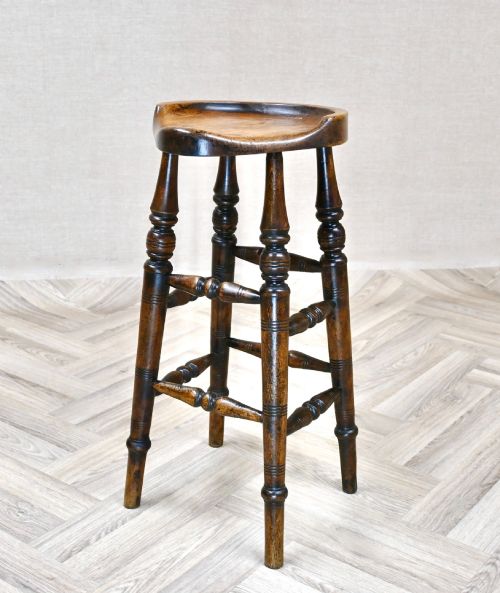
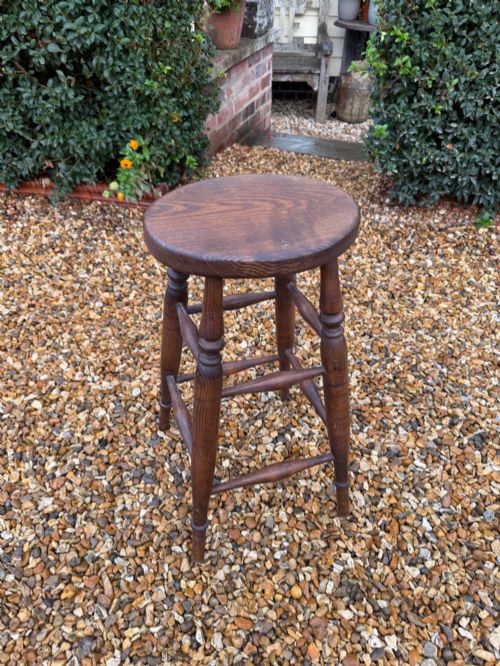
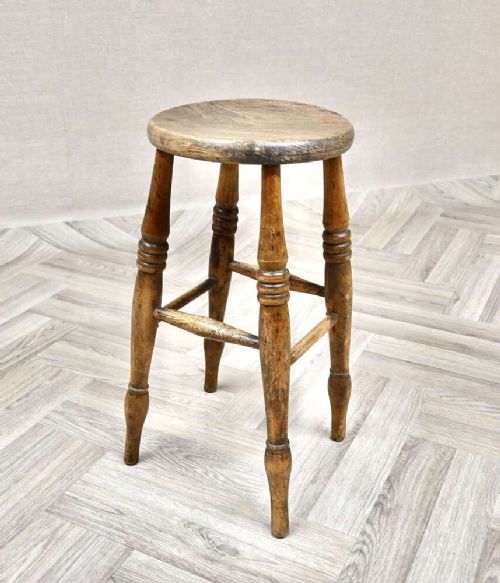
- A seat or surface carved with a concave depression for comfort. This technique appears frequently on nineteenth-century tavern and pub stools.
- Panelled construction
- A method of joining timber where a central floating panel sits within a rebated frame to allow for natural wood expansion and contraction. This technique prevents splitting on large shop counters.
Antique Wooden Counter: Frequently Asked Questions
What is an antique wooden counter?
An antique wooden counter is a heavy commercial fixture built for retail shops, pubs, and trade establishments during the nineteenth and early twentieth centuries. These pieces were constructed from durable timbers to withstand rigorous daily public use.
Today, they serve as substantial kitchen islands, dining buffets, or statement storage units in residential interiors. Their utilitarian origins provide deep character and practical surface space.
How do I choose the right size?
Measure your available floor space carefully, accounting for the considerable depth and length typical of commercial shop furniture. Consider how much clearance is required around the piece for movement and door or drawer operation.
Keep in mind that these counters were built for standing-height work, so check the surface height against your intended domestic use.
How do I clean and maintain the wood?
Dust the surfaces regularly with a dry cloth and apply a traditional beeswax to nourish the timber and protect the aged finish. Avoid placing solid wood counters in direct sunlight or near extreme heat sources to prevent warping.
Embrace the existing dents and marks as part of the piece's commercial history rather than attempting to sand them away.
Are these pieces suitable for kitchens?
These counters make exceptional kitchen islands or preparation surfaces due to their sturdy construction and generous wooden tops. Many examples originally functioned as bakers prep tables or serving tables, making them naturally suited for culinary environments.
Ensure that proper protective finishes are maintained if the timber is exposed to regular moisture or food preparation.