

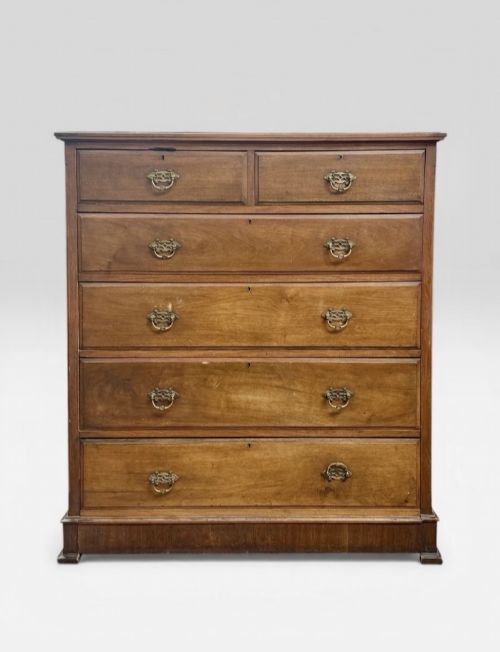


Antique Wooden Clothes Bureau
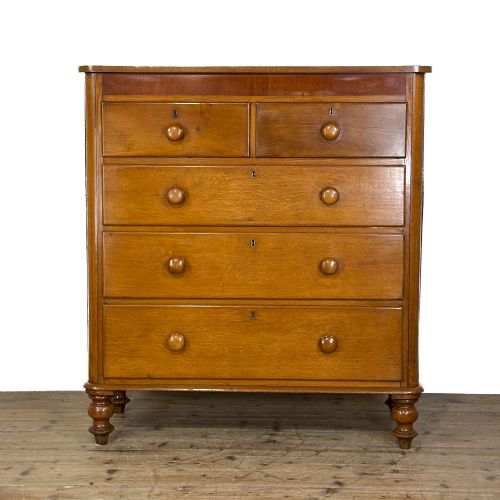
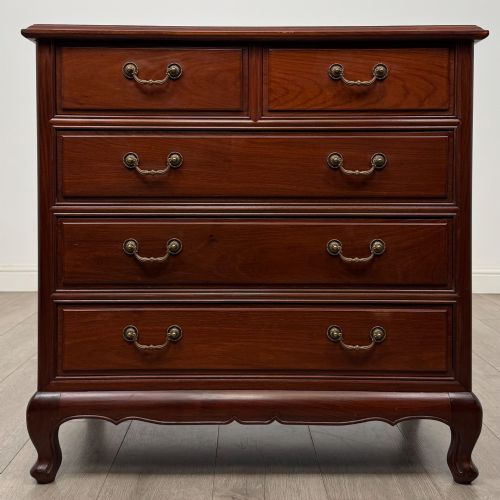
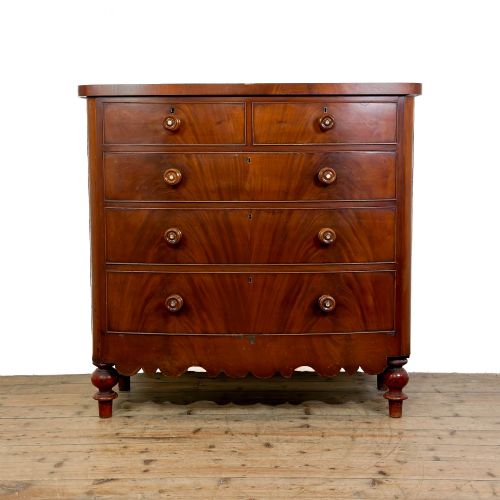
These antique wooden clothes bureau selections are robust storage chests built from rich timbers to anchor a traditional bedroom.
Antique Wooden Clothes Bureau
When you search for an antique wooden clothes bureau, you are looking at substantial storage furniture designed for garments and domestic linens. The examples gathered on this page primarily take the form of traditional chests of drawers dating from the eighteenth, nineteenth, and early twentieth centuries.
The prevailing format across these listings is the wooden chest of drawers, spanning distinct eras from the Georgian and Regency periods through to Victorian and Edwardian iterations. These pieces served a utilitarian purpose in historical homes, providing deep drawers to organise clothing before fitted wardrobes became standard.
Buyers will most frequently encounter mahogany constructions, alongside select pine and inlaid satinwood variants. These items range from formal George III designs to sturdy Victorian country pieces, reflecting the diverse domestic needs of past centuries.
How they were made
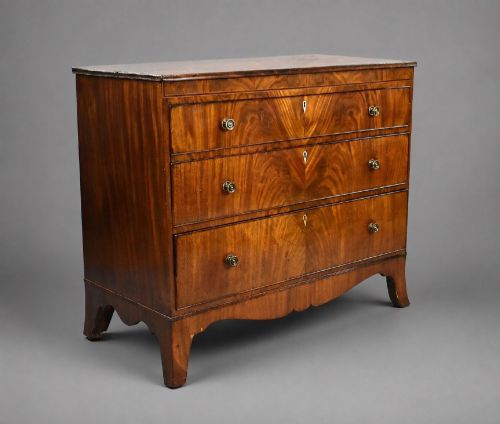
Cabinet makers utilised dense timbers such as mahogany and pine, often applying flame mahogany veneer to primary display surfaces for visual depth. Construction relied on traditional joinery methods that ensured structural endurance across generations of daily domestic use.
Decorative detailing was achieved through contrasting veneers, fine satinwood line inlay, and subtle embellishments using materials like bone and mother of pearl. Hardware typically consisted of cast brass handles and escutcheons that complemented the dark grain of the wood.
Antique Wooden Clothes Bureau Retail Price Guide 2026
Typical asking prices for wooden clothes bureau among the pieces listed under this phrase on Sellingantiques today, from the lower quarter to the upper quarter. They describe what is for sale here now, not the wider market.
Current listings span from mid-eighteenth-century Georgian examples up to Edwardian pieces from nineteen hundred, built primarily in mahogany and pine.
What varies in quality
The distinction between standard domestic items and finer examples lies in the selection of timber and the precision of the cabinetwork. Pieces featuring carefully matched flame mahogany veneers and delicate satinwood line inlay demonstrate a higher level of workshop skill.
Proportion and the integrity of the original hardware also dictate the standing of a piece. Well-preserved surfaces that retain their age character without excessive modern intervention represent the more desirable end of the scale.
The Antique Wooden Clothes Bureau Glossary
- Flame mahogany
- A veneer cut from the branch junction of the tree, producing a distinctive leaping flame pattern. This figure was favoured by cabinet makers for principal drawer fronts.
- Satinwood line inlay
- A narrow strip of pale exotic wood inserted into a contrasting darker surface to create decorative borders. It is frequently seen on refined nineteenth-century pieces.
- Escutcheon
- A protective brass plate fitted around a keyhole to prevent the surrounding wood from splitting. They serve both a practical function and a decorative role.
- Georgian
- A design period spanning the reigns of the first four Georges, known for classical proportions and solid timber construction. Pieces from this era often display restrained elegance.
Antique Wooden Clothes Bureau: Frequently Asked Questions
How do I date a wooden chest?
Dating relies on examining the timber species, construction methods, and overall style characteristics visible in the piece. Secondary woods used inside the drawers also offer clues to the period of manufacture.
Earlier pieces often display hand-cut dovetails and solid timber carcases, while later nineteenth-century examples may incorporate veneers and machine-sawn components.
Are these drawers suitable for daily use?
These chests were originally built for heavy domestic storage and remain robust enough for contemporary clothing storage. The internal depths and drawer runners are designed to handle everyday loads.
Care should be taken not to overload deep lower drawers, and placement should avoid direct heat sources to protect the historic wood and veneer.
How do I maintain the wood finish?
Maintenance involves dusting with a soft, dry cloth and occasionally applying traditional wax to nourish the timber surface. Avoid modern silicone sprays or harsh chemical cleaners that can damage the polish.
Keeping the furniture away from direct sunlight prevents the rich mahogany tones from fading unevenly over time.
What is the difference between Georgian and Victorian chests?
Georgian chests generally favour restrained classical lines, proportion, and solid timber construction with minimal surface embellishment. They often date from the eighteenth century.
Victorian pieces can be heavier in proportion and frequently incorporate decorative veneers, satinwood inlay, or utilitarian pine construction designed for regional country homes.