


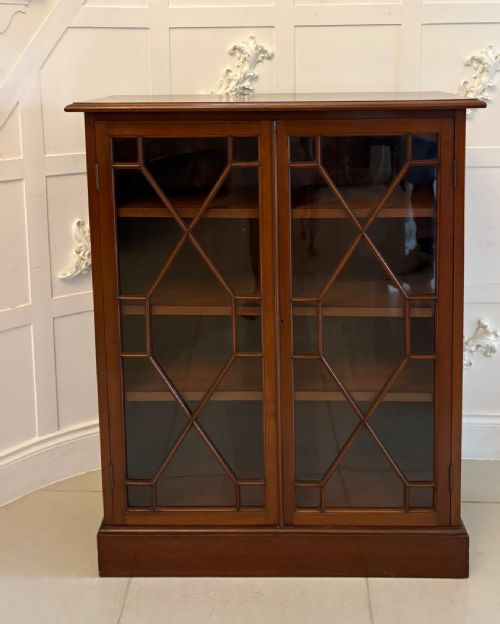
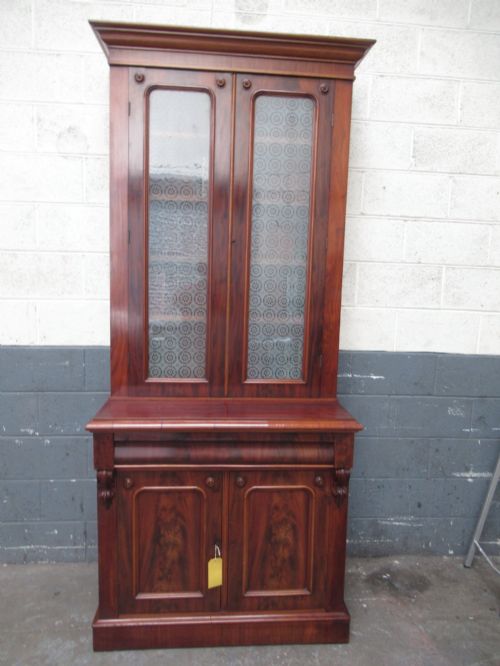
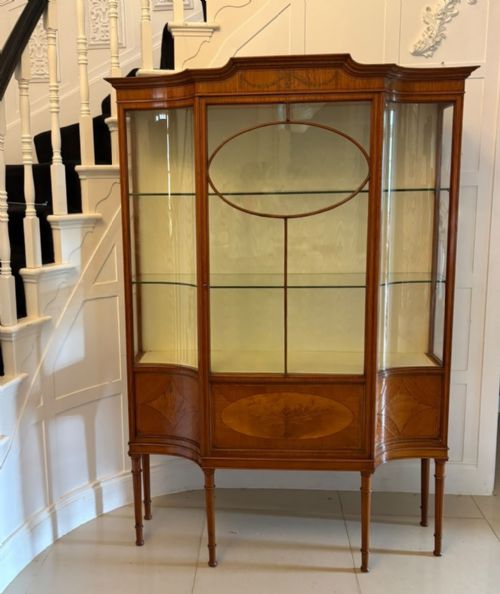


Antique Wooden China Cabinet
An antique wooden china cabinet brings glass-fronted display and timber warmth to a room, holding tableware or books behind timber framing.
Antique Wooden China Cabinet
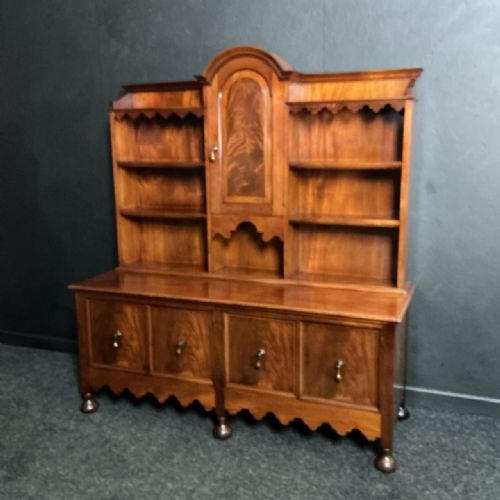
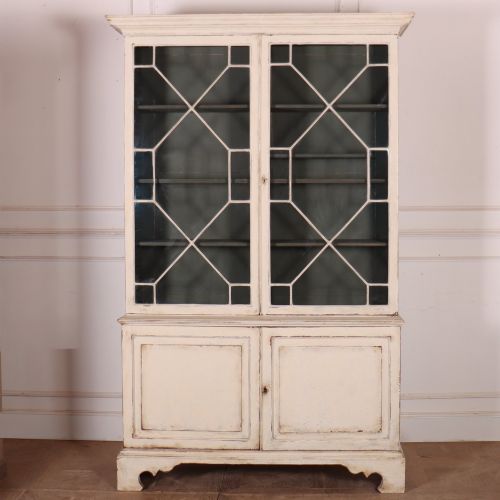
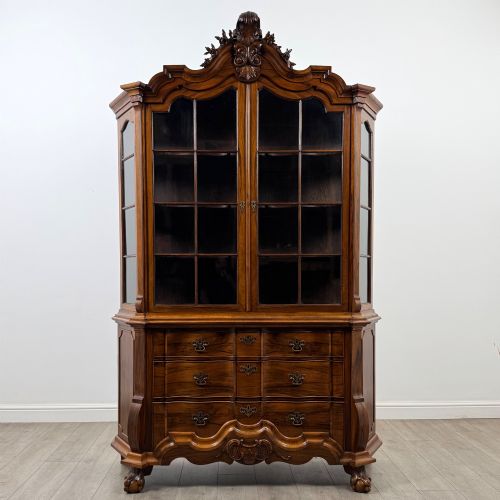
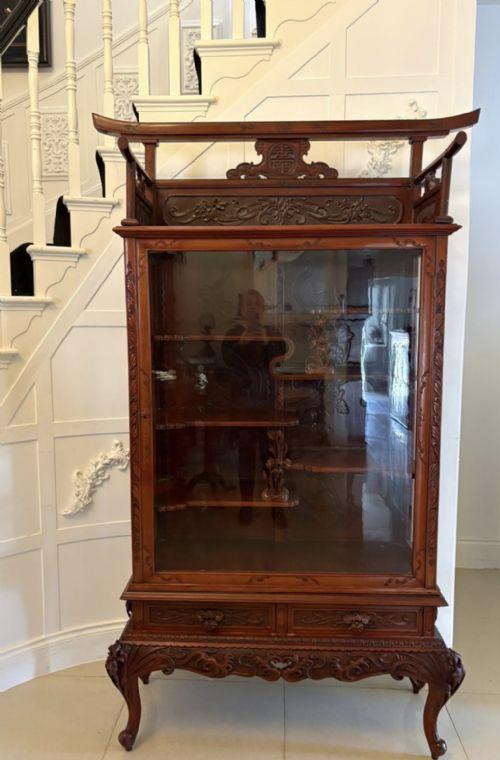
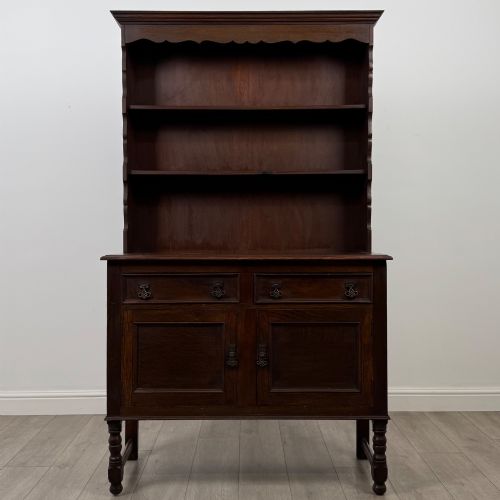
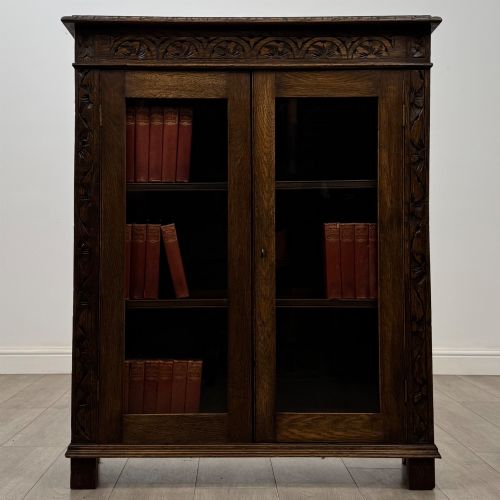
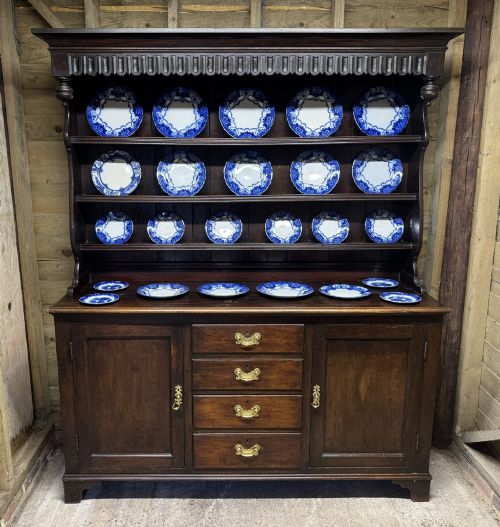
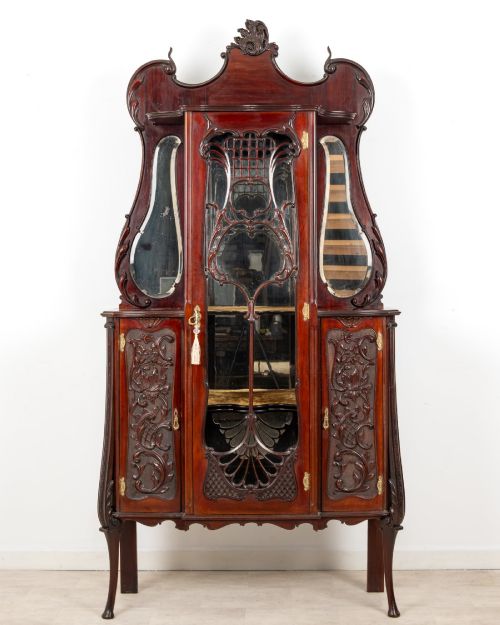
An antique wooden china cabinet appears across this page in various forms, combining glazed doors and timber frames to hold books, porcelain, and household goods. These pieces bridge the gap between storage and display, functioning as bookcases, dressers, vitrines, and breakfront cabinets across multiple eras.
Buyers meet Edwardian satinwood and mahogany versions most frequently, often featuring inlaid details or glazed doors designed for exhibition. Oak and walnut examples also recur, stretching from eighteenth-century English country kitchens into twentieth-century revival styles.
The selection ranges from tall library bookcases to compact floor cabinets and regional dressers. Each variation serves the core purpose of safeguarding collections while exhibiting them through glass panels.
How they were made
Cabinet makers constructed these pieces primarily using solid hardwoods such as mahogany, oak, walnut, and satinwood, frequently applying decorative veneers and marquetry inlay. Glass panels fitted into wooden frames formed the primary viewing areas for display, while brass hardware secured doors and drawers.
Construction techniques span traditional joinery, carved detailing, painted finishes, and scrumbled pine surfaces. Workshops employed both local timber and imported hardwoods, shaping them into breakfronts, vitrines, and shelving units designed to house and display domestic items.
Listings feature periods spanning the eighteenth, nineteenth, and twentieth centuries, constructed in mahogany, oak, walnut, satinwood, and pine.
What varies in quality
Quality separates ordinary storage from superior cabinet work through timber selection and the precision of inlaid details. Satinwood, marquetry, and fine carving elevate certain pieces above standard utility furniture.
The sophistication of the joinery and the integration of glass-fronted display doors define the upper tier of the range. Maker attribution and the harmony of proportion between timber frames and glazed panels further distinguish finer examples.
S and H Jewell London·Warings
The Antique Wooden China Cabinet Glossary
- Vitrine
- A glass-fronted cabinet designed specifically for displaying fine porcelain, objects, and curiosities. These pieces often feature delicate timber frames and inlaid marquetry.
- Breakfront
- A large cabinet featuring a central section that projects forward from the flanking sides. This architectural layout creates depth and prominence in formal rooms.
- Marquetry
- The art of applying decorative veneer pieces of different woods to a structure to form intricate patterns. It appears frequently on satinwood and kingwood display surfaces.
- Dresser
- A dual-purpose piece combining base cupboards or drawers with upper shelving or a plate rack. They originate from both English country houses and Welsh rural workshops.
- Sheraton Revival
- A late nineteenth and early twentieth century design movement that reinterprets the elegant neoclassical forms associated with eighteenth-century designer Thomas Sheraton.
Antique Wooden China Cabinet: Frequently Asked Questions
What is an antique wooden china cabinet?
An antique wooden china cabinet is a glazed storage piece built to exhibit porcelain, tableware, and books while protecting them behind timber and glass frames.
These items range from Edwardian satinwood vitrines to eighteenth-century oak bookcases and kitchen dressers.
How were antique china cabinets used?
Historically, households utilised these cabinets in dining rooms and libraries to store and display valued porcelain sets, glassware, and bound volumes.
The glass doors allowed owners to admire their collections while keeping dust away from delicate tableware and paper.
How do I style a wooden cabinet at home?
Living with these pieces involves balancing visible storage by arranging ceramics, books, or glassware behind the glazed doors with intentional spacing.
Position the cabinet against a sturdy wall where natural light can catch the mahogany, oak, or satinwood timber surfaces.
How do I tell periods apart?
Distinguishing periods relies on observing timber choices, decorative techniques, and structural revival styles across the piece.
Eighteenth-century examples often display heavy oak or painted finishes, whereas Edwardian and Victorian pieces frequently feature satinwood inlay, mahogany, and lighter proportions.