
Antique Wooden Case
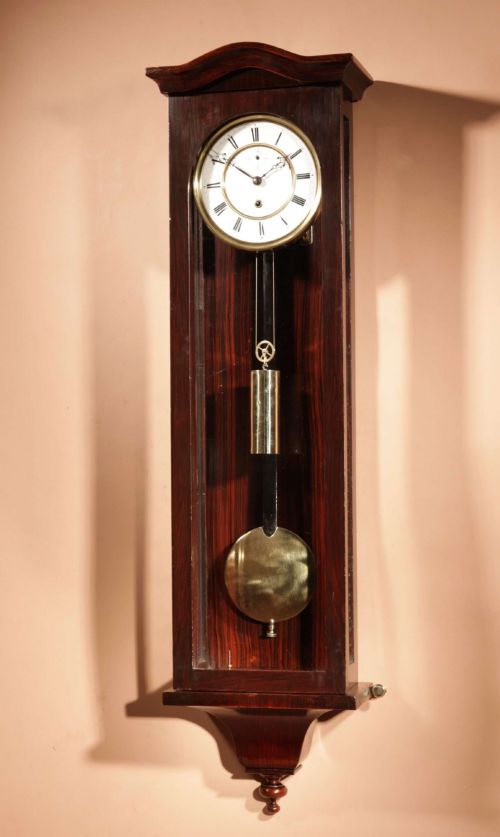
An antique wooden case protects and frames what rests inside, spanning tall longcases, tabletop boxes, and wall clocks.
Antique Wooden Case
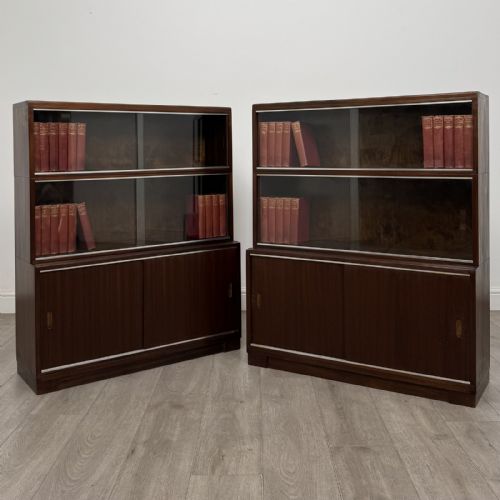
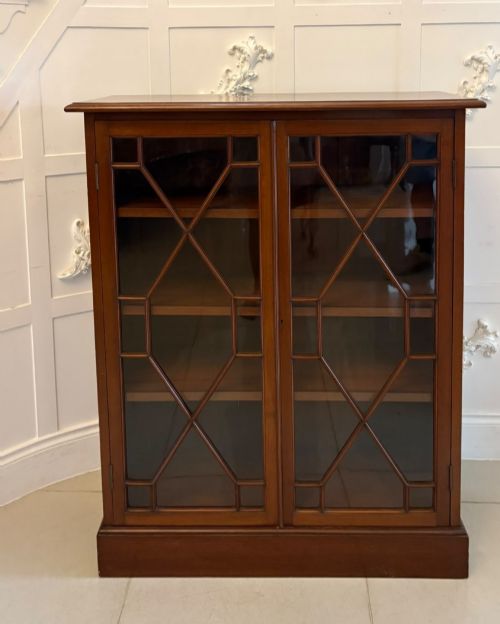
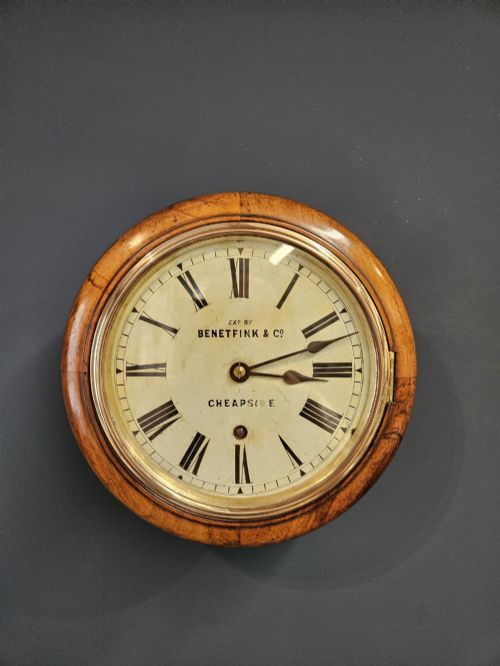
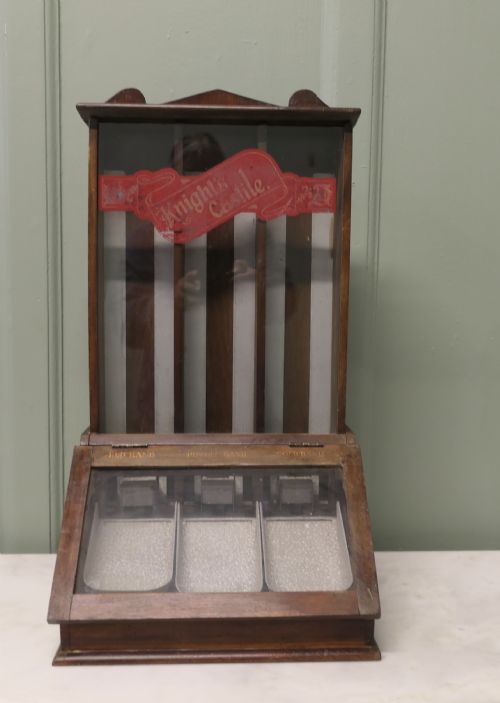
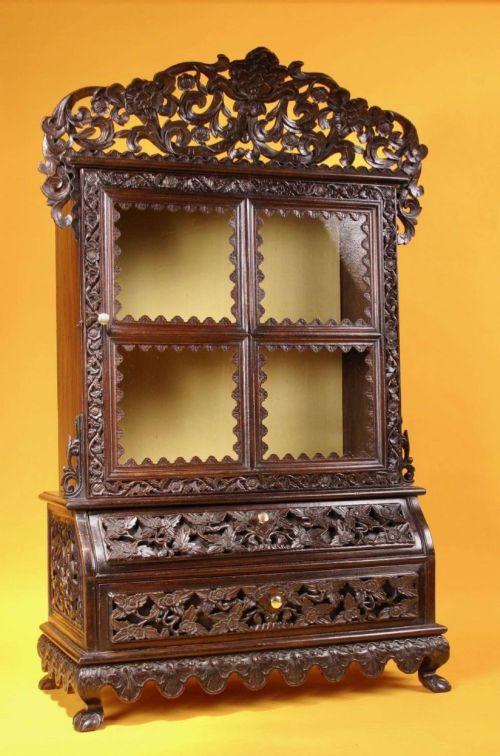
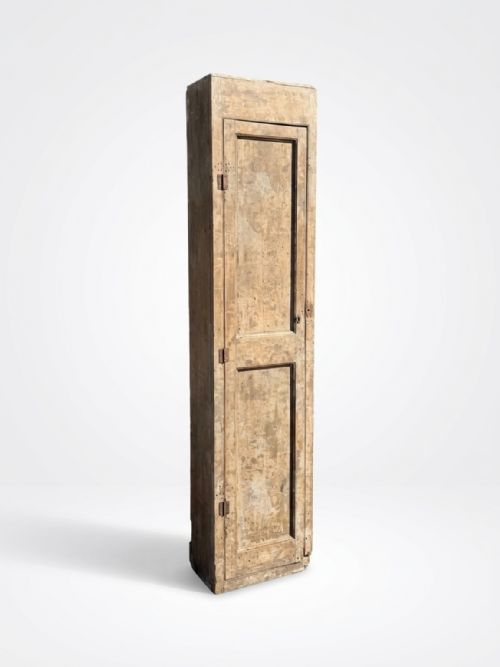
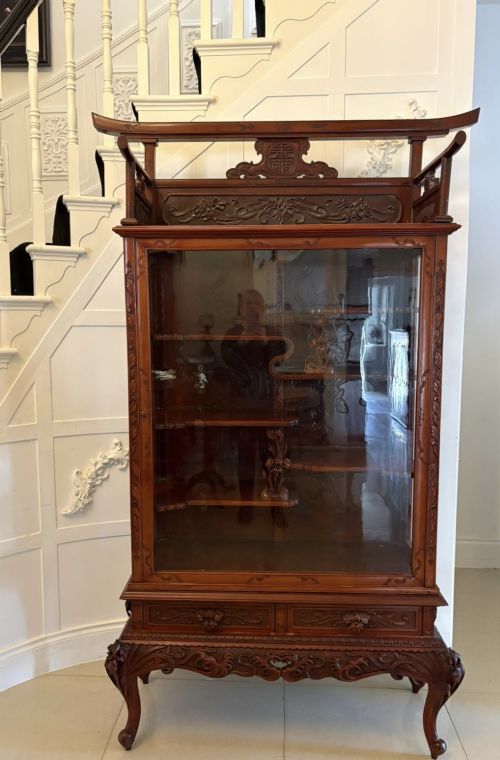
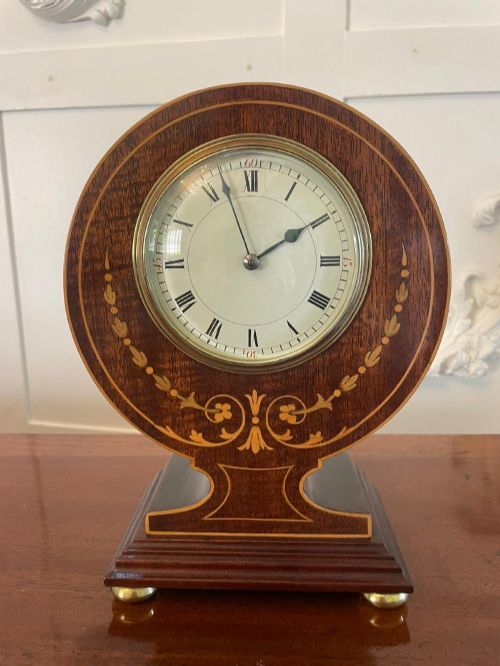
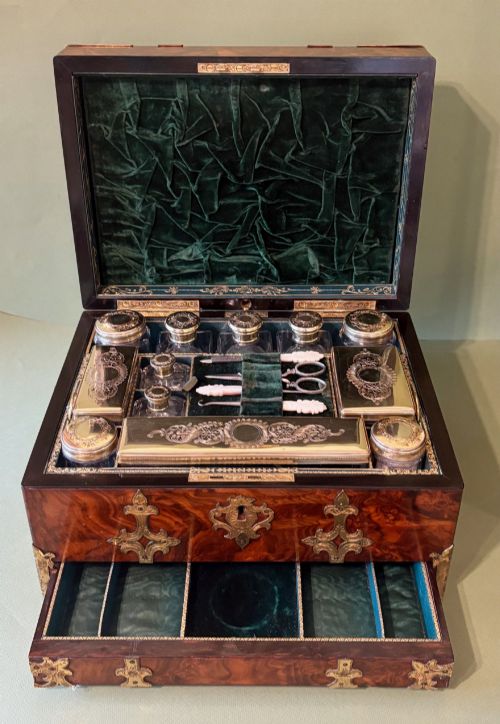
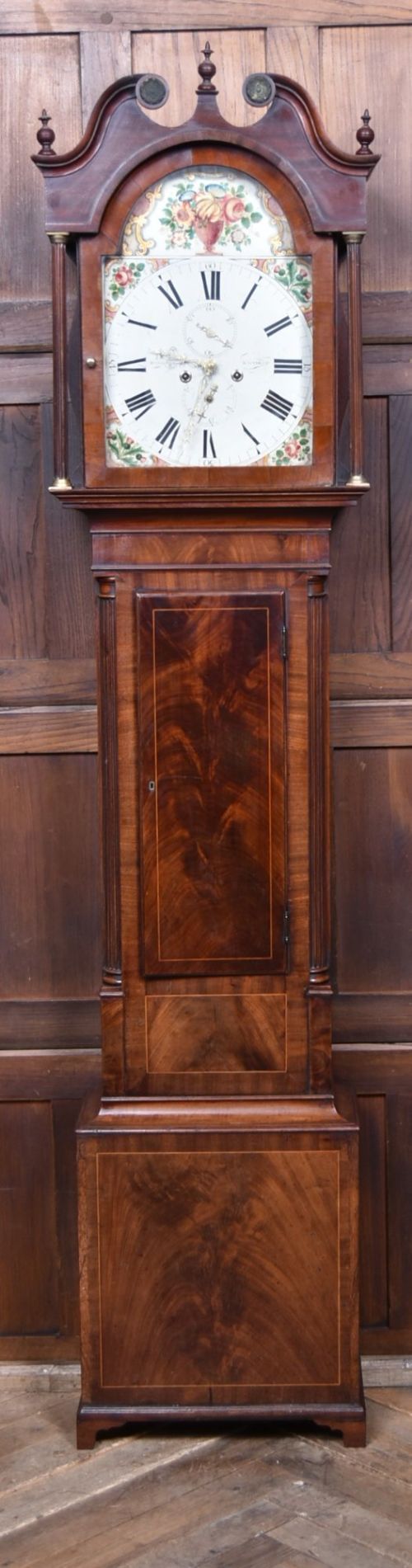
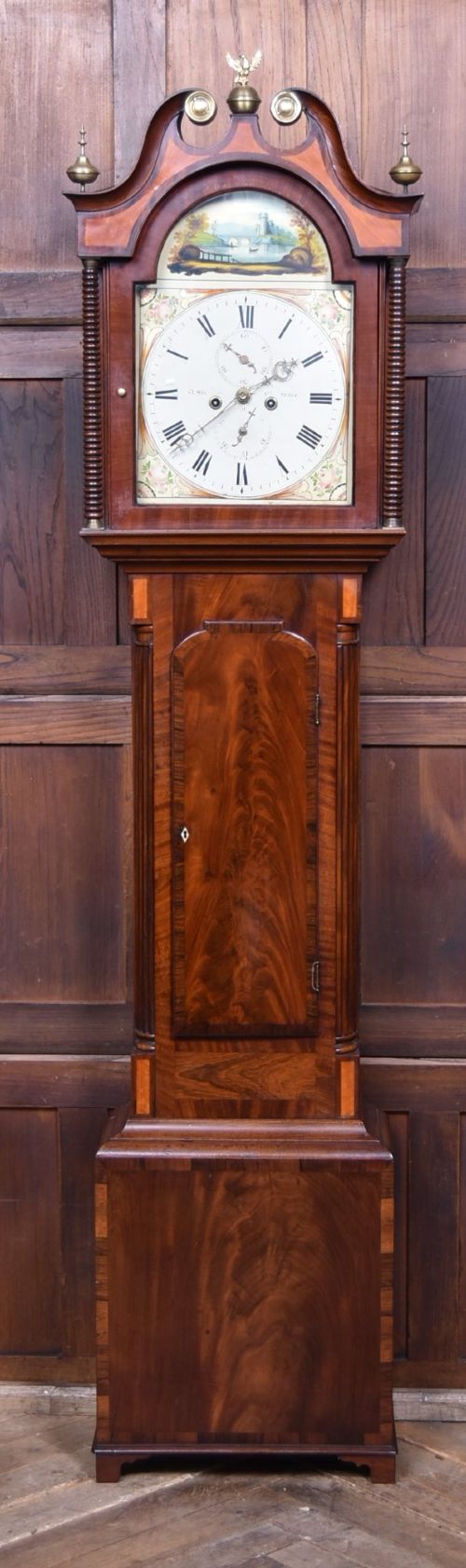
An antique wooden case encompasses functional enclosures and display vessels made across the eighteenth, nineteenth, and early twentieth centuries. Buyers searching for an antique wooden case encounter diverse forms, including longcase clocks, tabletop jewellery boxes, scientific instrument housings, and vertical display cabinets.
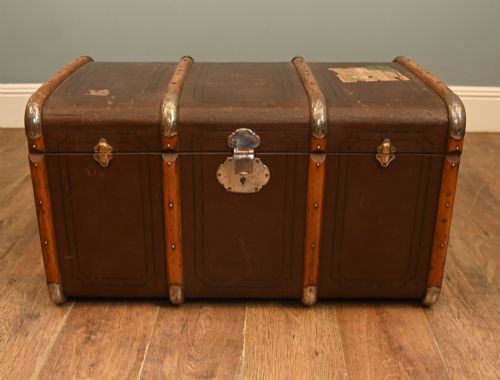
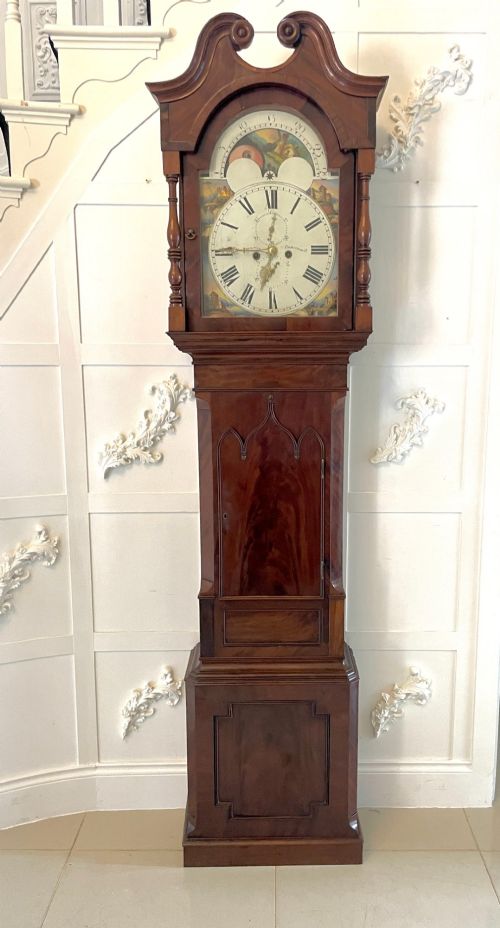
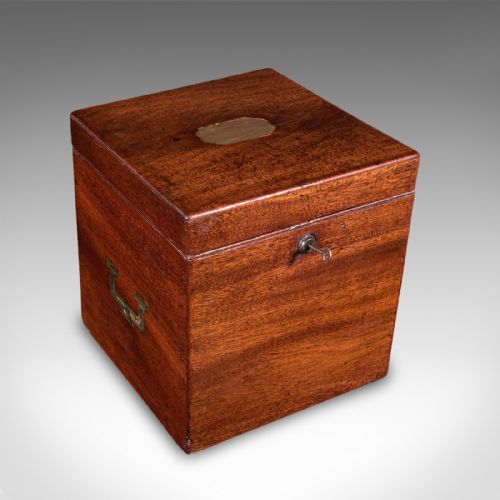
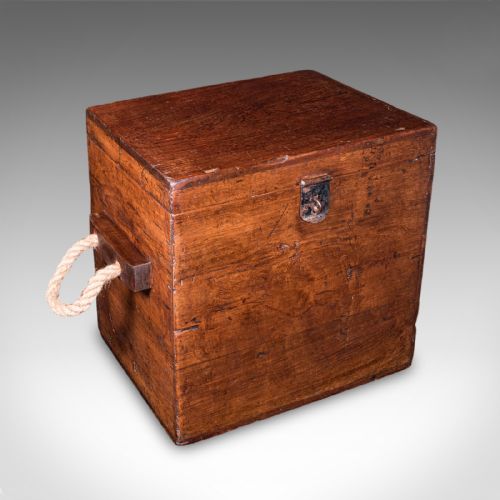
The most common examples on this page are tall grandfather longcases in oak or mahogany, alongside Victorian desktop containers and glazed cabinets. These objects range from utilitarian campaign transport chests to domestic display pieces designed to hold instruments, clocks, or curiosities.
How they were made
Maker workshops built these housings using solid timbers like mahogany, oak, walnut, and satinwood, frequently applying decorative veneers or paint finishes. Joinery involved traditional methods suited to the form, ranging from heavy structural housing for tall clocks to precise mitred joints for small vanity boxes.
Metal components such as brass hinges, escutcheons, and glass panels were integrated to secure and display the contents. Interior fittings often included velvet linings, wooden dividers, or adjustable glass shelves tailored to scientific instruments, cards, or jewellery.
Listings feature items from the Georgian, Victorian, and Edwardian periods, constructed in mahogany, oak, walnut, satinwood, and brass.
What varies in quality
Quality in an antique wooden case rests upon the selection of timber and the precision of the cabinetmaker's construction. Richly figured grains, tight joinery, and well-proportioned architectural mouldings distinguish finer examples from standard utilitarian boxes.
Hendrie Ogg·D. Straiton·J Griffiths of Burford·Levi & Salaman·Winterhalder
The Antique Wooden Case Glossary
- Longcase clock
- A tall pendulum clock enclosed in a vertical wooden housing, commonly known as a grandfather clock.
- Campaign chest
- A partitioned wooden packing case or chest designed to dismantle or travel easily for military use.
- Tunbridge ware
- Small wooden decorative items ornamented with mosaic woodwork patterns formed from tiny coloured wood prisms.
- Fusee movement
- A clockwork mechanism incorporating a conical pulley to maintain even driving power as the mainspring unwinds.
Antique Wooden Case: Frequently Asked Questions
What fits inside an antique wooden case?
These enclosures were built to hold mechanical movements, scientific instruments, books, or personal valuables like jewellery and playing cards.
Many styles served specific domestic or travel functions, ranging from desktop stationery containers to large standing display cabinets.
How do I date an antique wooden case?
Dating relies on the combination of timber choice, construction techniques, and stylistic markers associated with periods like the Georgian or Victorian eras.
Makers often signed clock dials or inscribed hardware, providing direct clues to the year of origin.
Where should I place one at home?
Standing longcases and tall display cabinets require stable wall space away from direct heat sources that might dry out old timber.
Smaller boxes and table clocks sit comfortably on sideboards, desks, or mantelpieces where their grain and hardware remain visible.
How do I care for the wood?
Protect the finish by keeping the wood away from direct sunlight and maintaining steady indoor humidity levels to prevent warping.
Gentle dusting with a dry cloth preserves the original polish without stripping historic patination.