






Antique Wooden Banquette
An antique wooden banquette offers long, linear seating derived from country houses and provincial interiors, prized for its rustic utility and architectural presence.
Antique Wooden Banquette
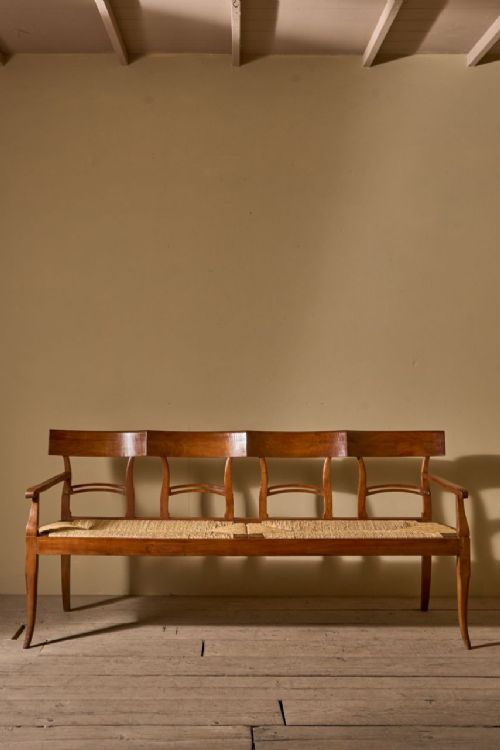
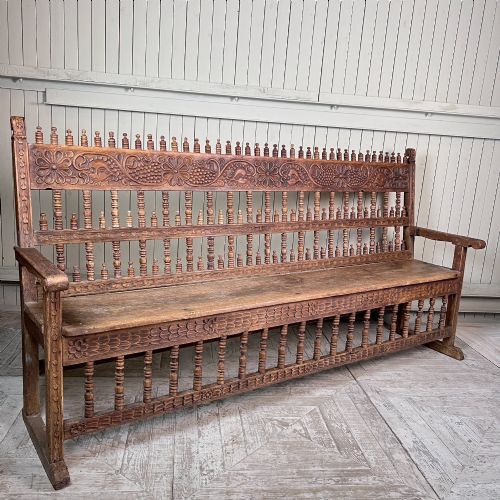
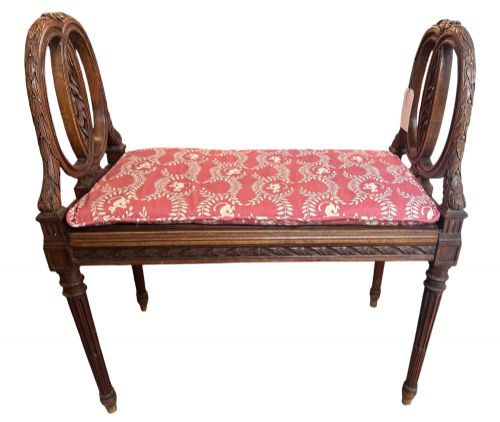
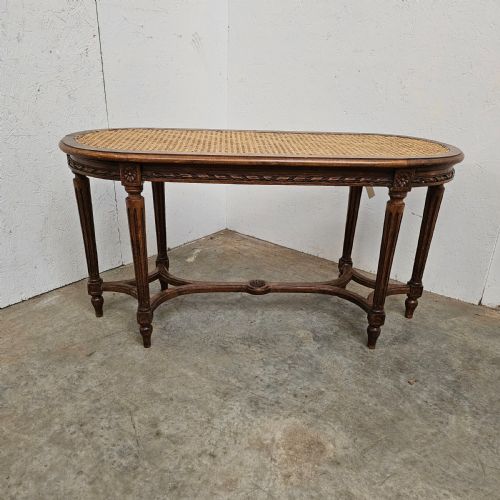
An antique wooden banquette encompasses elongated forms such as hall benches, window seats, settles, and dining benches designed for communal or corridor seating. When searching for an antique wooden banquette, buyers encounter regional variations including French Provincial, Spanish Colonial, and English Country styles spanning the eighteenth and nineteenth centuries.
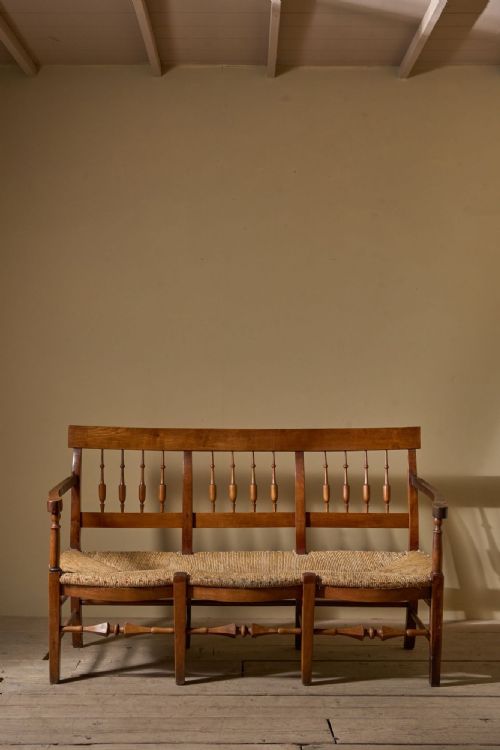
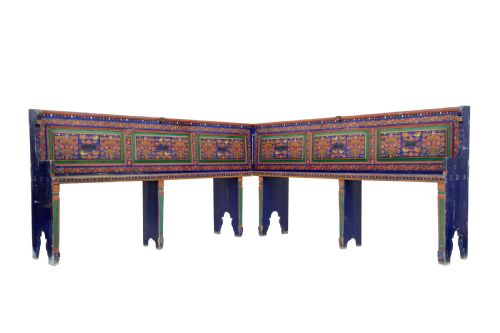
The objects take various structural shapes, ranging from high-backed painted settles to carved walnut window seats and rush-seated hall benches. Eighteenth-century examples often display original paint and heavier proportions, while nineteenth-century pieces lean towards bleached oak, cherrywood, or French beech frames.
Materials and construction
Carpenters built these frames using solid timbers such as oak, walnut, pine, cherrywood, and beech, joined with traditional methods suited to long spans of seating. Surfaces received various finishes, from hand-painted Folk Art and original paint layers to polished hardwood or carved ornamentation.
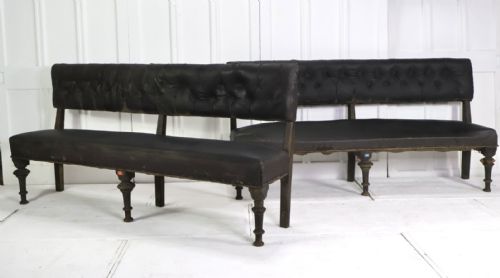
Seating areas incorporate traditional materials like woven rush and cane, alongside timber planks or modern upholstery fabric layered over the frame. These structural choices reflect the domestic origins of each piece, balancing functional durability with regional aesthetic preferences.
Assessing craftsmanship and condition
Quality rests in the integrity of the timber frame, the crispness of hand-carved details, and the survival of original surface finishes like early paint or patinated polish. Pieces with intact period rush, cane, or early upholstery retain a greater degree of their original character.
Proportion and structural balance also distinguish finer examples, particularly in longer dining benches and architectural window seats where stability over a span matters. The clarity of regional style, whether French Provincial or Spanish Colonial, marks the distinction between standard utilitarian seating and exceptional workshop production.
The Antique Wooden Banquette Glossary
- Banquette
- An upholstered bench or long seat, often associated with dining or window placement. In historical contexts, the term overlaps with extended hall benches and window seats.
- Settle
- A wooden bench with high backs, solid arms, and often a storage box beneath the seat, designed to block drafts in domestic interiors. These pieces frequently feature original painted surfaces.
- Rush
- Dried marsh grass twisted into cords and hand-woven to create supportive, flexible seating surfaces. It appears commonly on nineteenth-century provincial hall benches.
- Cane
- Strips of rattan woven in patterned meshes to form lightweight, resilient panels for seat backs and frames. It is characteristic of nineteenth-century French seating.
- Spanish Colonial
- A design style reflecting the intersection of European furniture traditions and local craftsmanship in Spanish territories. Pieces from this tradition often display robust carved hardwood construction.
Antique Wooden Banquette: Frequently Asked Questions
Where should I place a banquette?
These pieces suit narrow hallways, large windows, or dining tables where linear seating maximises space and provides firm support.
Their elongated proportions allow them to sit flush against walls without dominating a room's footprint.
How do I clean wooden frames?
Dust the timber regularly with a soft, dry cloth and avoid harsh chemical polishes that can degrade aged surfaces.
Preserve original paint or waxed finishes by applying microcrystalline wax sparingly when the wood appears dry.
Can I reupholster a historic bench?
Upholstered versions often allow for new fabric selection while retaining the underlying nineteenth-century frame and padding structure.
Consult a restorer to ensure modern textiles complement the period character of the exposed wood.
How do I identify a settle?
Settles feature high solid backs and panelled sides designed to shield occupants from draughts in older homes.
Many examples include integrated storage compartments beneath the hinged wooden seat.