

Antique Wood Treen
These small, utilitarian wooden objects survive from centuries past as working domestic pieces shaped by the lathe and the hand.
Antique Wood Treen
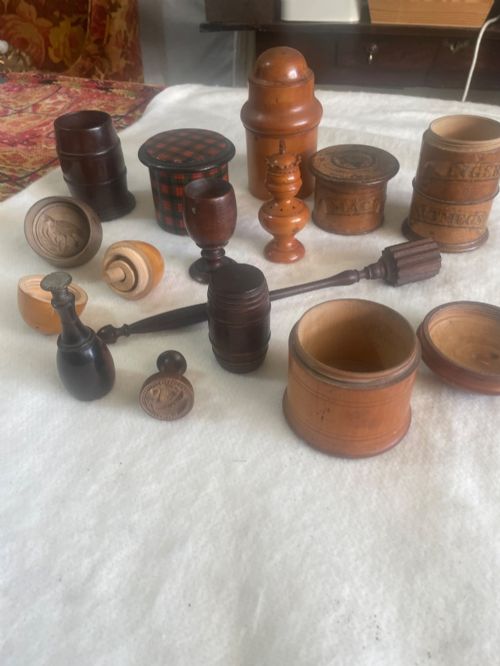
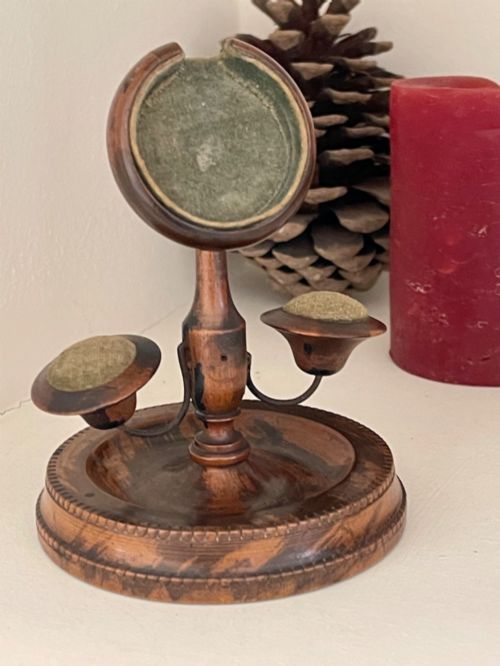
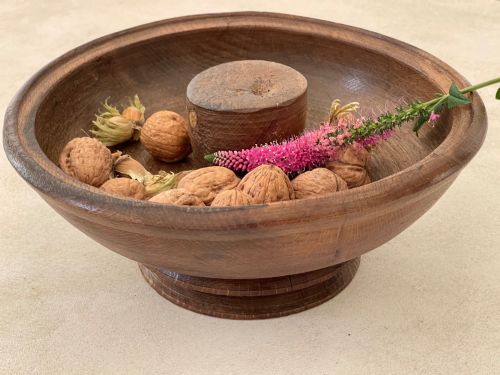
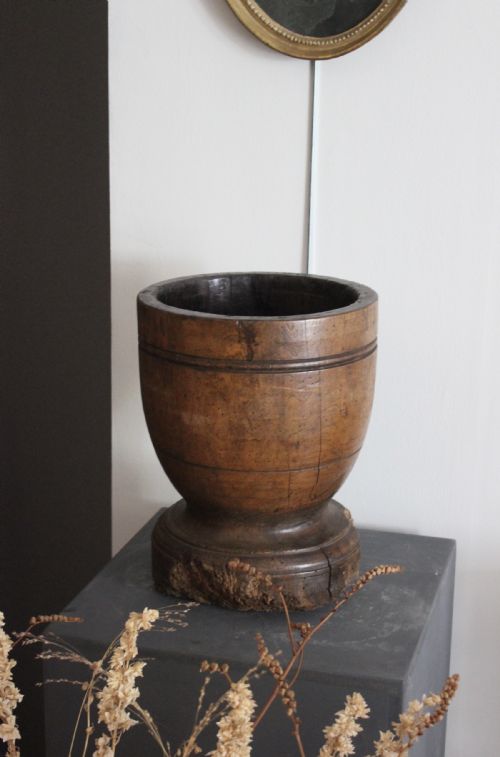
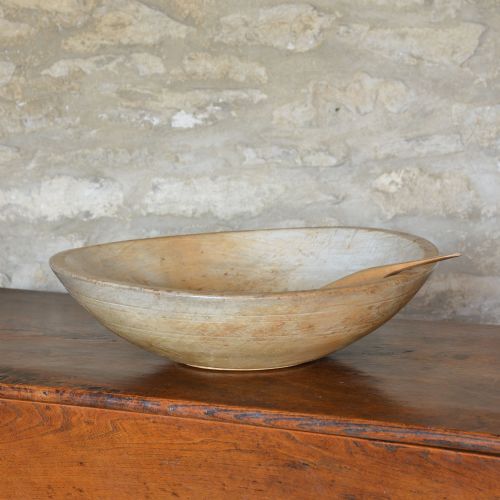
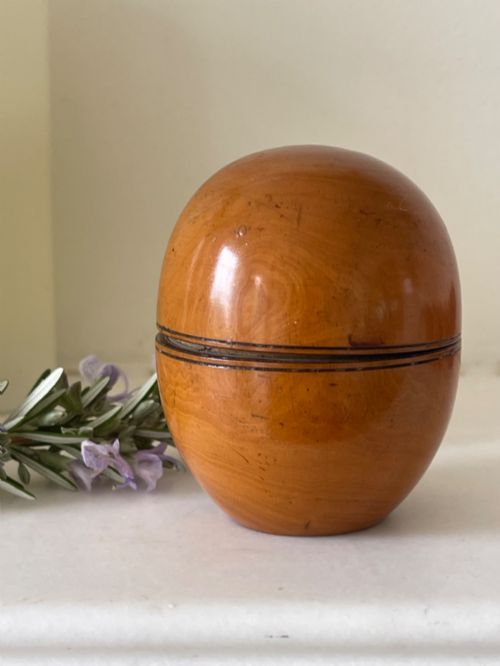
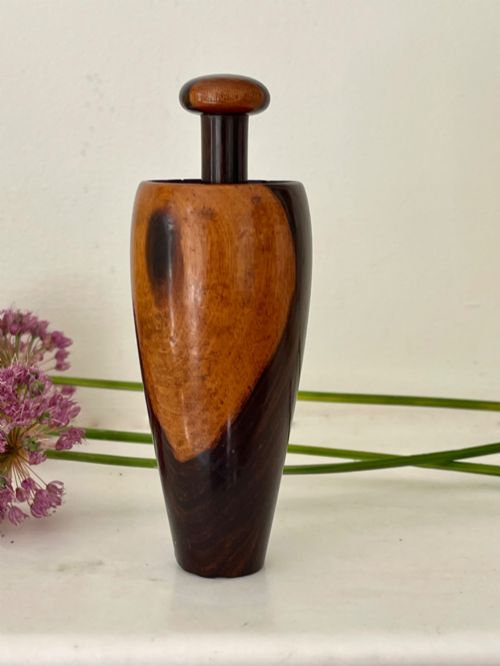
Antique wood treen encompasses the small wooden domestic wares, kitchenalia, and personal accessories that populated homes from the seventeenth century through to the Victorian era. When searching for antique wood treen, buyers encounter practical items such as dairy bowls, spice grinders, mortars, and salt cellars alongside more personal objects like snuff boxes and knitting sheaths.
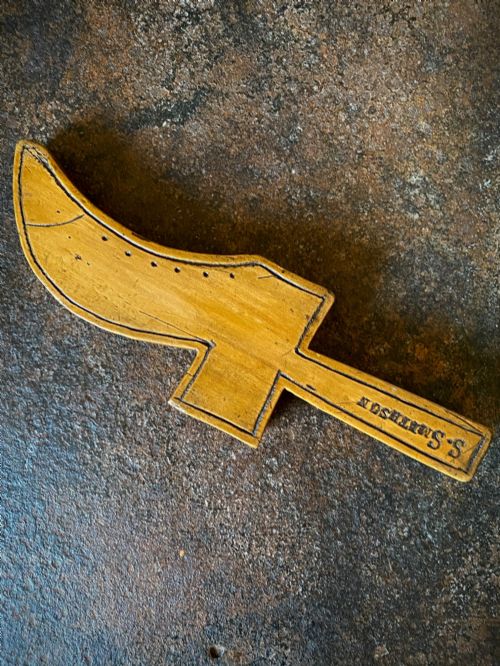
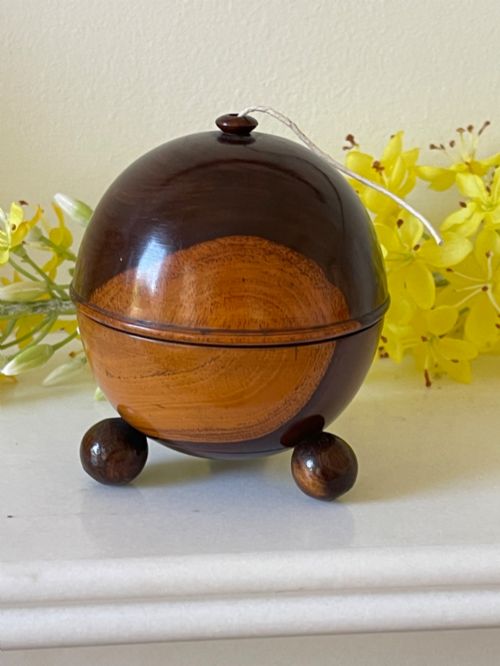
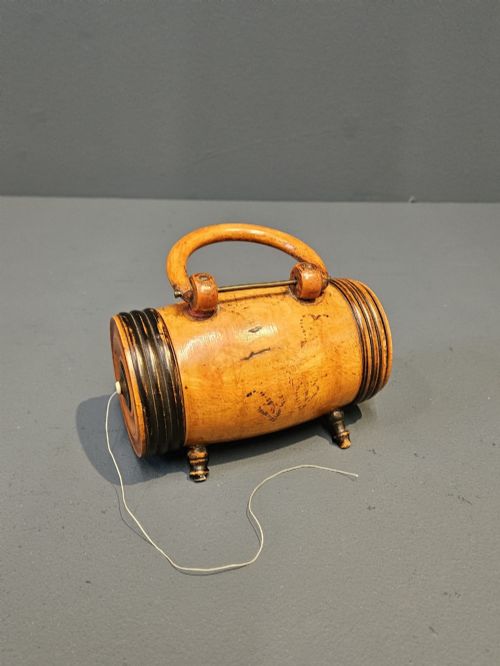
The selection ranges from sturdy seventeenth-century lignum vitae mortars to nineteenth-century sycamore dairy bowls and fruitwood string boxes. Utilitarian forms dominate, yet many pieces incorporate decorative turned profiles, incised line decoration, or novelty shapes like shoes and animals.
Origins span English, Scottish, Welsh, and continental workshops, reflecting local timber supplies and regional domestic habits. The survival of these objects depends entirely on their everyday utility and the durability of dense hardwoods.
Materials and methods
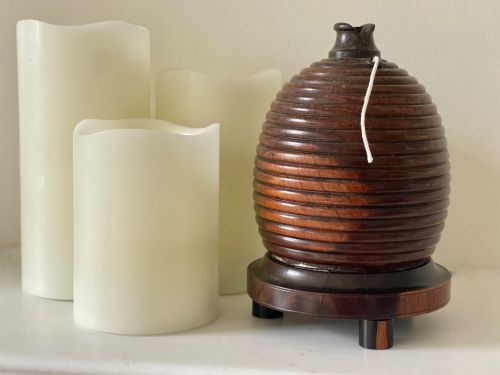
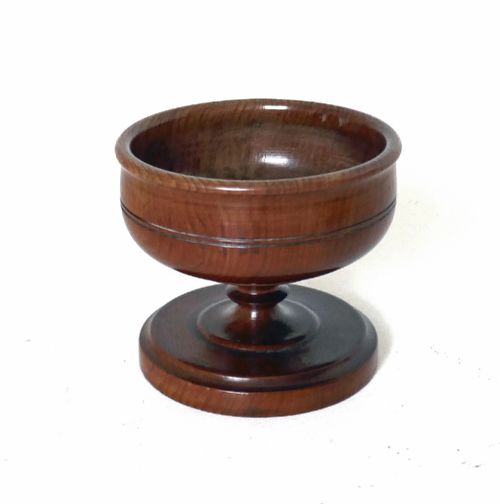
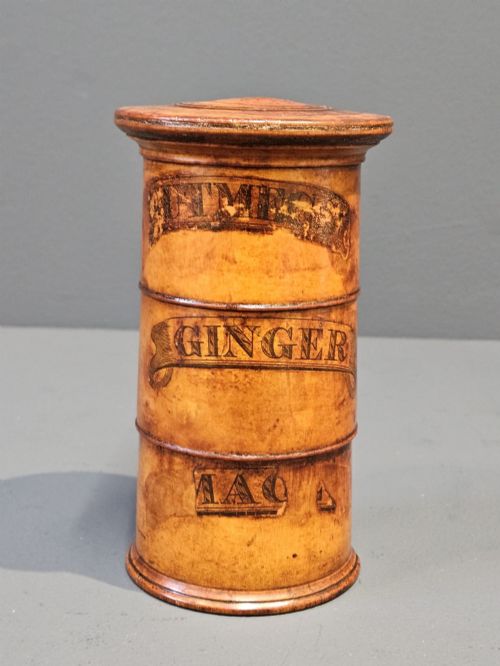
Makers utilised dense timbers such as fruitwood, sycamore, boxwood, laburnum, yew wood, walnut, and lignum vitae to resist splitting during heavy domestic use. Turning on a lathe generated symmetrical forms like goblets, candlestands, and spice towers, while other items required carving, hollowing, or punchwork decoration.
Surface finish relies on natural wear, friction polish, and handling over generations rather than heavy modern varnishes. Decorative effects stem from the natural grain of the wood, engine turning, or incised line work rather than applied colour.
Antique Wood Treen Retail Price Guide 2026
Typical asking prices for wood treen among the pieces listed under this phrase on Sellingantiques today, from the lower quarter to the upper quarter. They describe what is for sale here now, not the wider market.
Materials recorded across the inventory include fruitwood, sycamore, yew wood, laburnum, boxwood, and glass.
Assessing quality
Quality rests upon the crispness of the turning, the suitability of the chosen timber, and the depth of the surface patina achieved through prolonged handling. Objects retaining their original components, such as a matching pestle for a mortar or a working cutter on a string box, hold greater integrity.
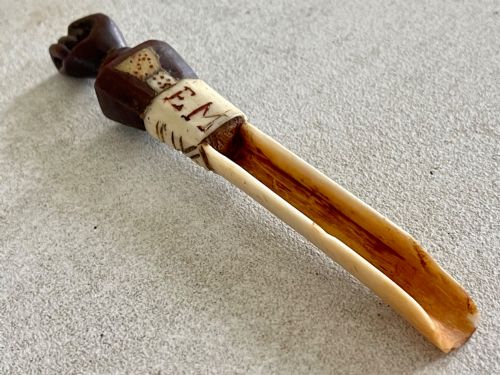
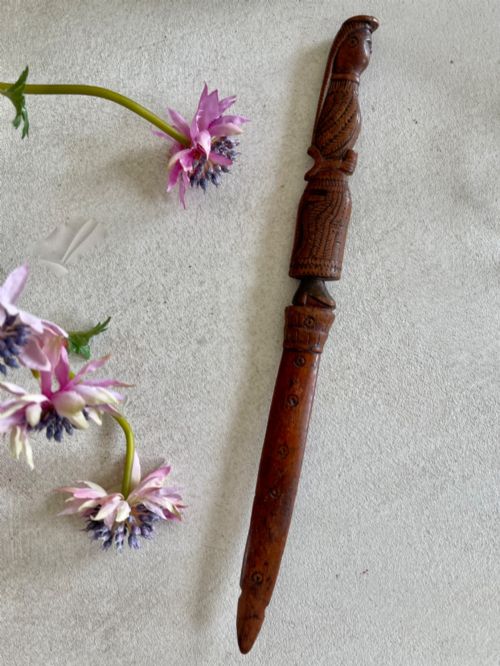
The degree of sculptural finesse separates standard utility wares from exceptional pieces, particularly in carved items like knitting sheaths, tobacco jars, and novelty boxes. Superior examples display confident proportions and deliberate decorative incision that elevate simple domestic tools into folk art.
The Antique Wood Treen Glossary
- Treen
- Small handmade wooden objects for the home. The term derives from old English words for tree or wood.
- Lignum vitae
- A dense, heavy tropical hardwood used for mortars and goblets. It sinks in water and resists splitting under heavy impact.
- Knitting sheath
- A pocket-worn wooden holder tucked into a belt to support a single knitting needle. They often bear carved initials or novelty shapes.
- Mortar
- A heavy bowl used with a pestle to crush spices or medicines. Early examples were turned from single blocks of hardwood.
- String box
- A turned container designed to dispense ball twine through a central aperture. Some incorporate miniature cutting blades.
Antique Wood Treen: Frequently Asked Questions
What is antique wood treen?
Antique wood treen covers small domestic wooden items made before the mass production of plastics and metal wares. These objects served everyday functions in the kitchen, dairy, and parlour.
They include utilitarian items like bowls and mortars alongside personal pocket pieces like snuff boxes and knitting sheaths.
How do I date antique treen?
Dating relies on tool marks, timber choices, regional styles, and wear patterns accumulated over centuries. Seventeenth-century pieces often employ heavy lignum vitae, while Victorian examples frequently utilise fruitwood and sycamore.
Form also guides attribution, as specific domestic habits and turning profiles shifted across the Georgian and Victorian periods.
Were these items meant for display?
Most pieces began life as purely utilitarian tools for cooking, sewing, or storing household goods. Their aesthetic appeal stems from honest craftsmanship and the organic patination of aged timber rather than original decorative intent.
Over time, collectors came to value their sculptural qualities and the insight they provide into past domestic routines.
How should I care for treen?
Keep wooden items away from direct heat sources and sudden temperature fluctuations that cause timber to split or warp. Natural waxes help maintain the surface without sealing the pores of the wood.
Gentle dusting preserves the accumulated patina developed through generations of human contact.