


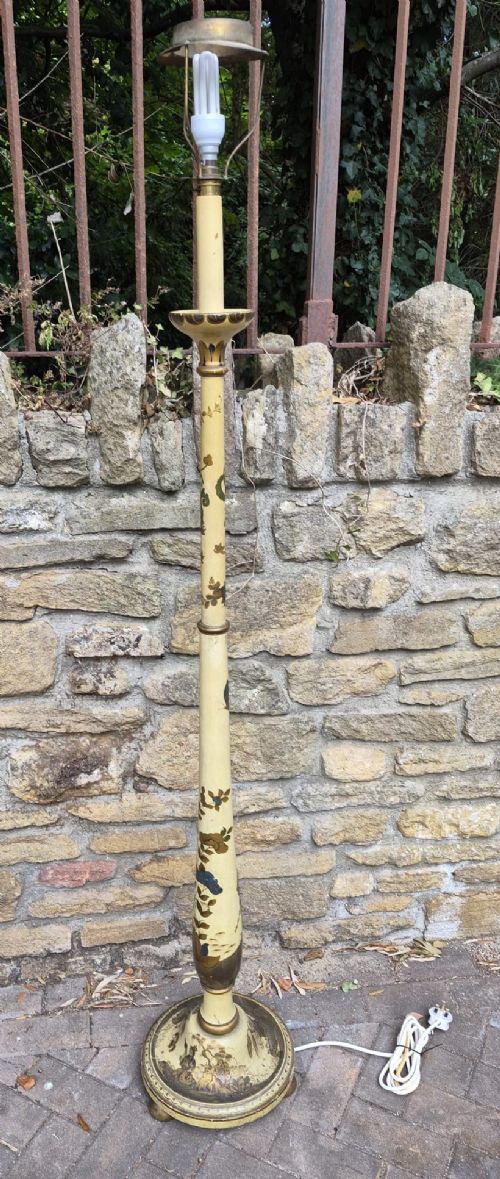
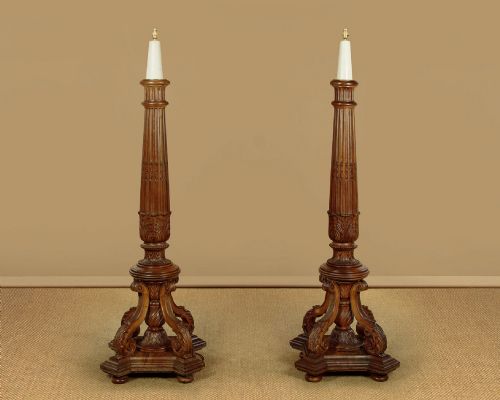
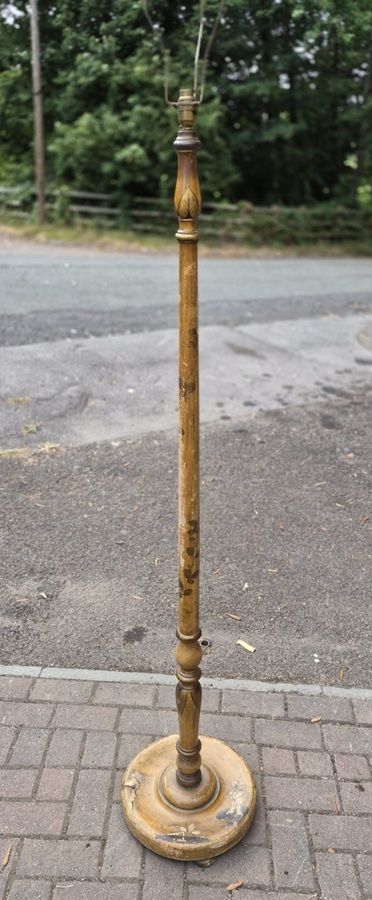
Antique Wood Standard Lamp
An antique wood standard lamp brings vertical presence and warmth to a room, offering tall illumination carved from mahogany, walnut, oak, and giltwood.
Antique Wood Standard Lamp
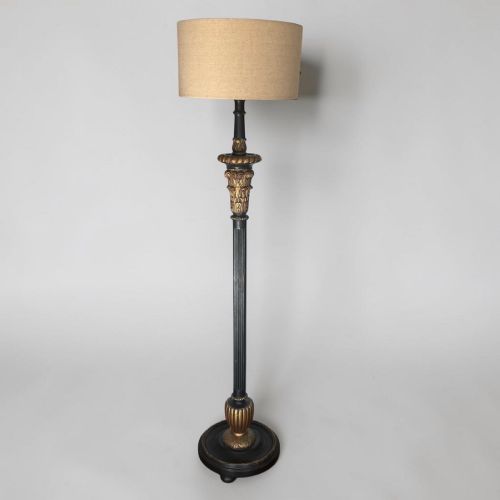
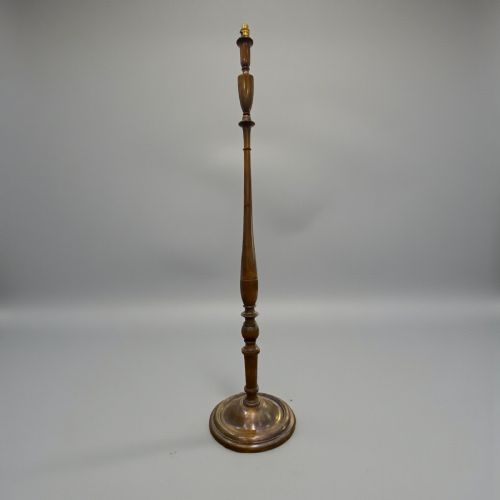
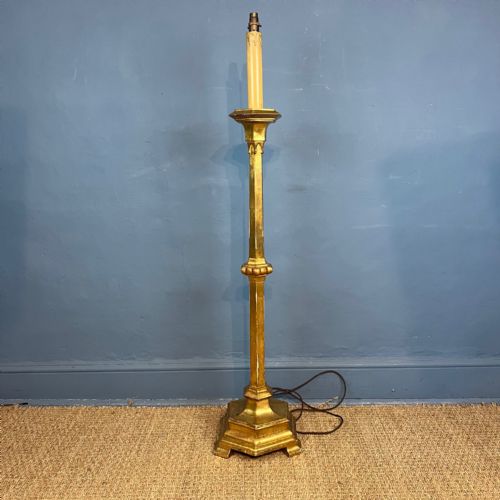
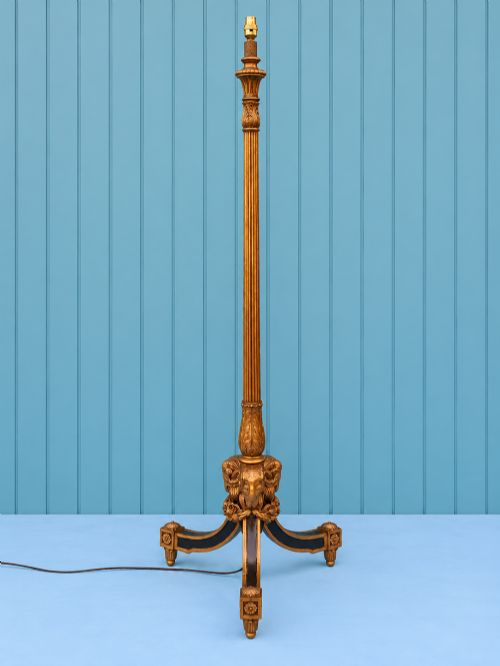
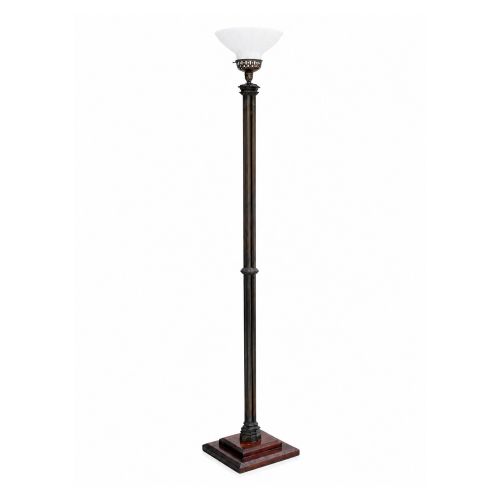
An antique wood standard lamp stands as a tall floor lighting fixture designed to anchor a room with height and functional illumination. Buyers seeking an antique wood standard lamp encounter towering turned posts, carved columns, and heavy timber shafts intended to hold weighty shades.
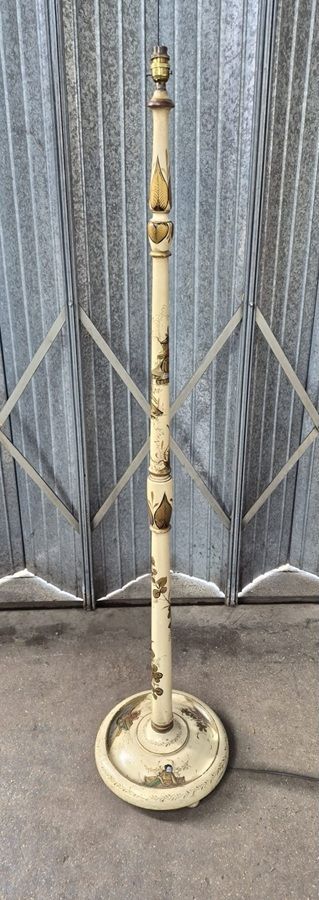
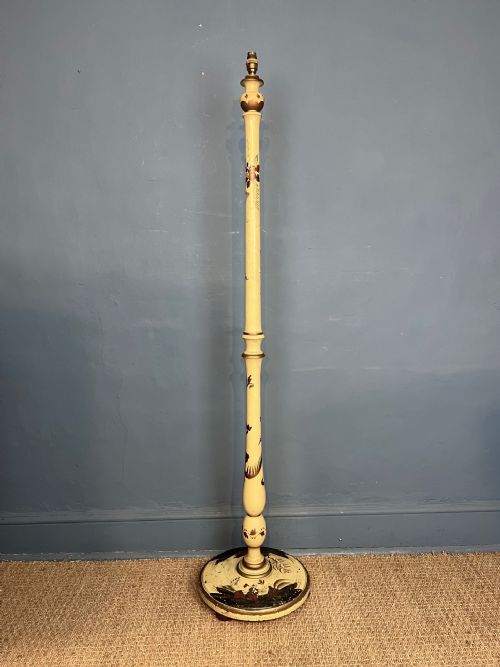
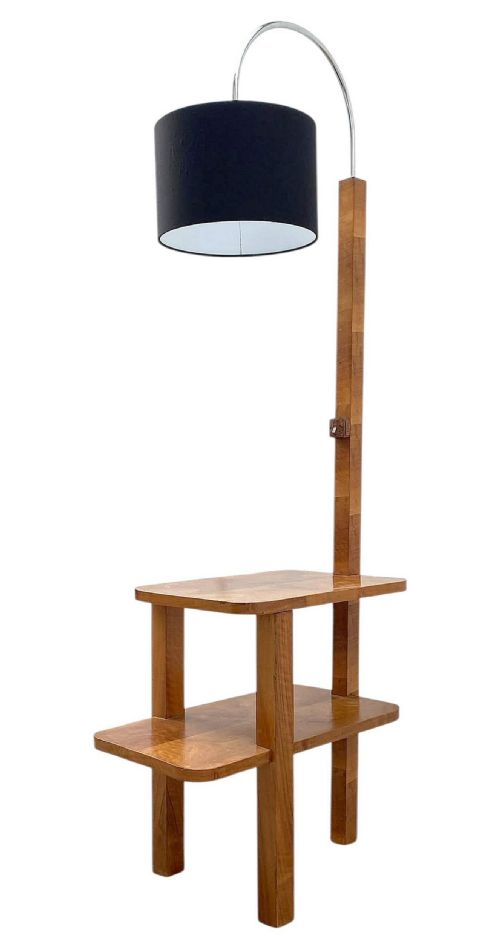
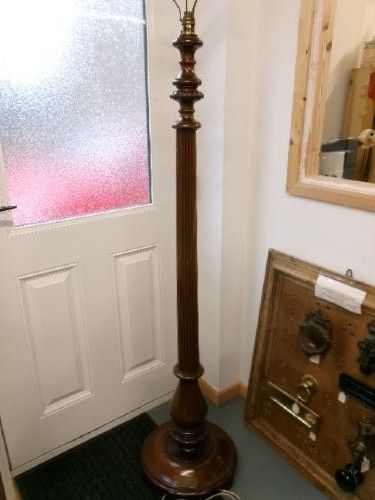
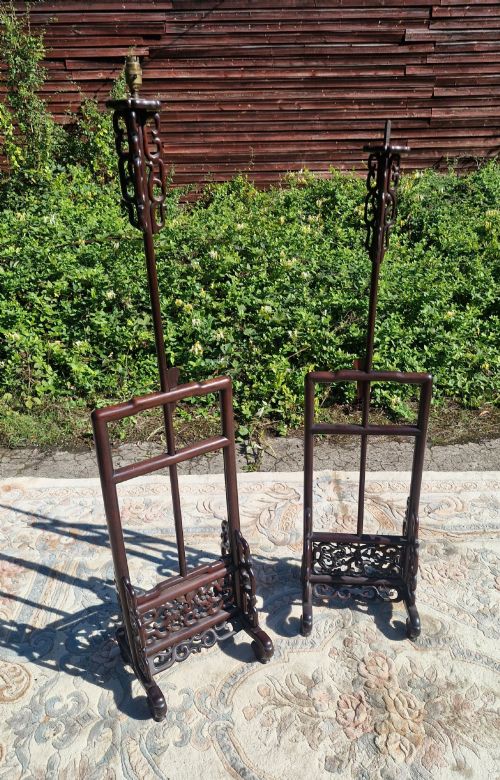
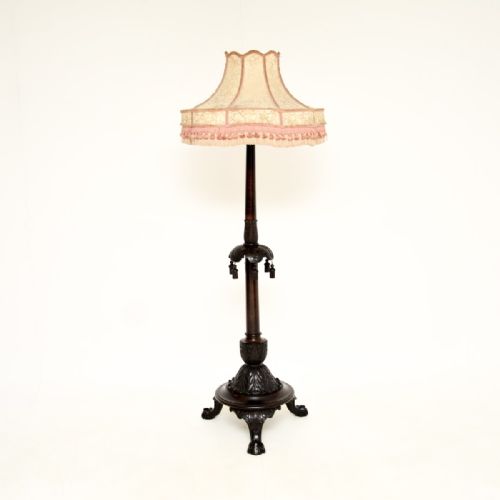
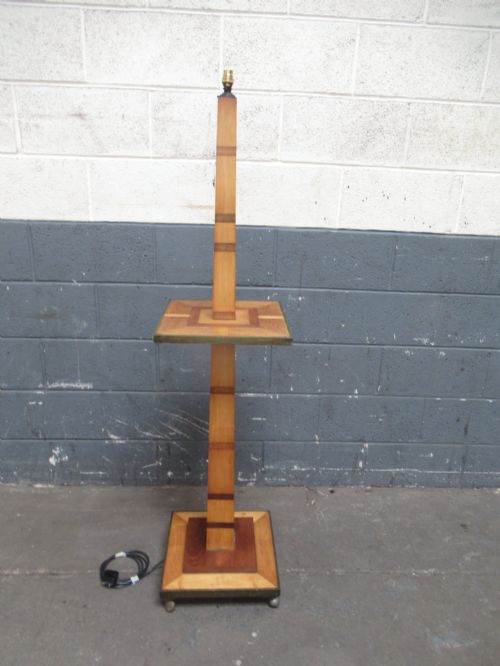
The pieces appearing on this page span from the late nineteenth century through the Edwardian era and into the Art Deco period. Common iterations include carved mahogany shafts, walnut floor columns, painted Chinoiserie standards, and giltwood poles.
Origins stretch across English workshops, Italian studios, and Anglo-Indian makers, yielding everything from Gothic Revival timber posts to painted lacquer finishes. These tall lights served parlours, drawing rooms, and reading corners before finding homes in modern interiors.
How they were made
Makers constructed these tall floor fixtures using dense timbers such as mahogany, walnut, beech, and oak, often turning them on large lathes to create sweeping columns. Carpenters then added hand-carved ornamentation, fluting, or reeding directly into the solid wood grain.
Surface treatments required distinct craft traditions, ranging from parcel gilding and giltwood application to red lacquered Chinoiserie decoration with hand-painted motifs. Metal components like brass fittings were incorporated to secure the wiring, adjustable mechanisms, and glass shades.
Antique Wood Standard Lamp Retail Price Guide 2026
Typical asking prices for wood standard lamp among the pieces listed under this phrase on Sellingantiques today, from the lower quarter to the upper quarter. They describe what is for sale here now, not the wider market.
Listings feature woods spanning mahogany, walnut, oak, beech, and giltwood across the nineteenth century, Edwardian era, and Art Deco period.
What varies in quality
The distinction between ordinary production and finer work lies in the depth and crispness of the timber carving rather than surface appearance alone. Hand-chiselled acanthus leaves and deeply turned mouldings separate bespoke studio pieces from simpler trade standard lamps.
Proportion and stability dictate overall merit, as a heavy timber shaft requires a substantial, well-balanced base to remain upright without leaning. Original surface patination, intact gilding, and authentic painted lacquer schemes preserve the integrity of the piece far better than later refinishing.
Heals
The Antique Wood Standard Lamp Glossary
- Standard lamp
- A traditional British term for a tall floor lamp designed to stand on the floor rather than a table.
- Giltwood
- Timber that has been coated with a thin layer of gold leaf or gilt paint to create a luminous, reflective surface.
- Chinoiserie
- European decorative style employing Chinese artistic motifs, frequently seen on lacquered and painted lamp standards.
- Parcel gilt
- Woodwork where only specific carved details, edges, or ornaments are highlighted with gold leaf while the base timber remains visible.
- Turned
- Shaped on a wood lathe by rotating the timber against cutting tools to produce symmetrical columns and baluster forms.
Antique Wood Standard Lamp: Frequently Asked Questions
How were standard lamps used historically?
These tall floor fixtures stood beside armchairs, pianos, or reading desks to provide targeted illumination before overhead electric lighting became common in domestic homes.
They functioned as both practical reading lights and decorative furniture pieces that demonstrated the owner's taste through carved timber and painted finishes.
How do I live with a standard lamp?
Living with these tall floor lights involves pairing the timber shaft with a complementary shade and placing the piece where its height can balance large pieces of furniture.
Many examples feature weighted timber bases that keep the heavy column stable beside sofas or within dark corners that require vertical warmth.
How do I tell Edwardian lamps apart from Victorian ones?
Victorian examples tend to feature heavy, dark carved mahogany or giltwood with ornate revival detailing, reflecting the dense interiors of the late nineteenth century.
Edwardian and later pieces often lean towards lighter oak, painted Chinoiserie lacquer, or streamlined Art Deco forms that suit airier domestic spaces.