
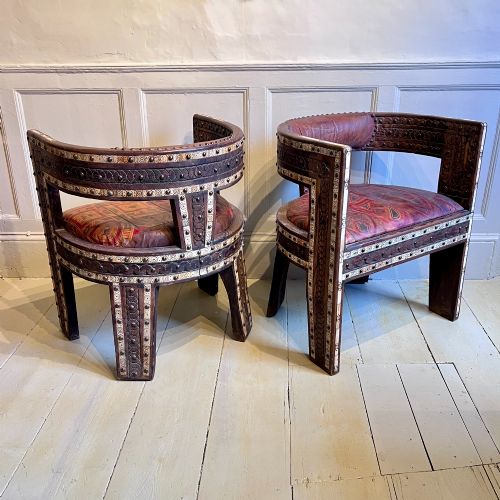
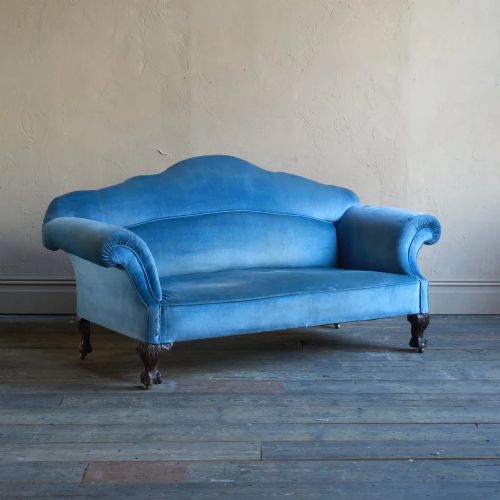
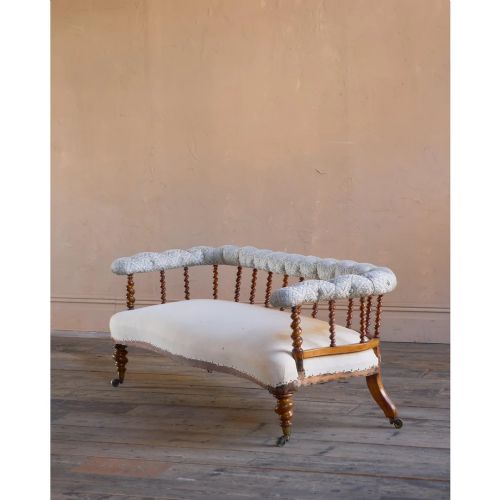
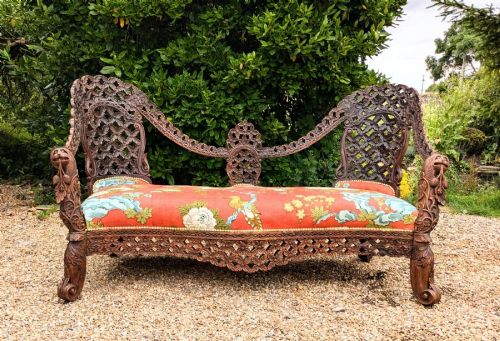
Antique Wood Settee
An antique wood settee brings historical seating and timber craftsmanship into a room, offering both generous proportions and decorative presence.
Antique Wood Settee
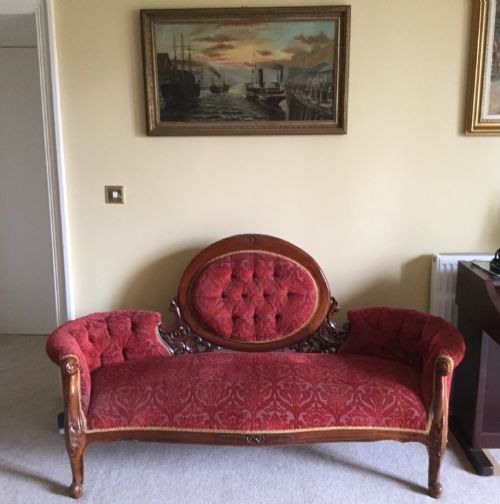
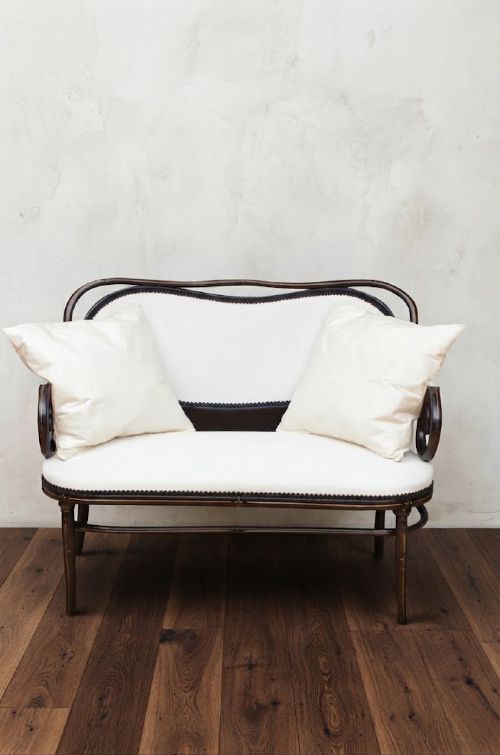
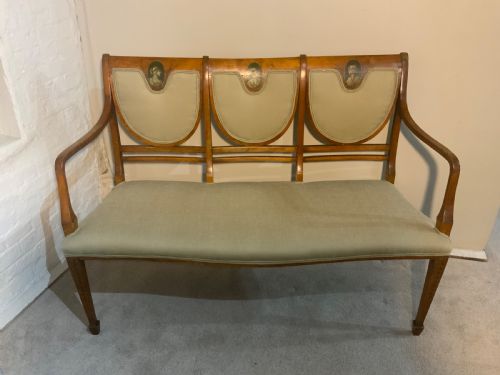
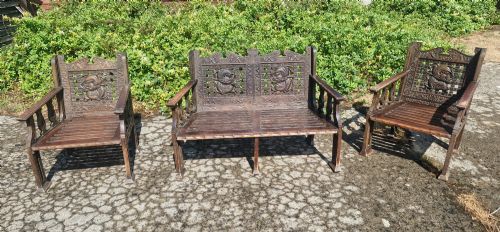
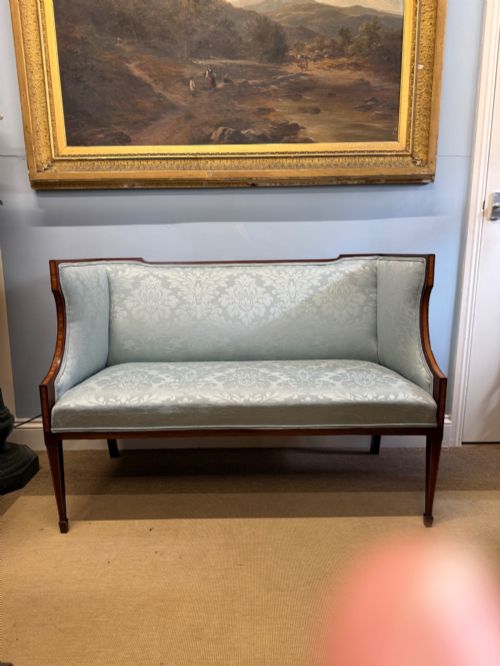
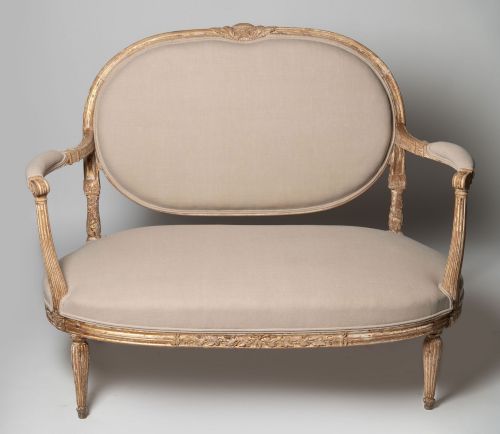
An antique wood settee provides extended seating designed for multiple occupants, taking forms from salon suites to country house benches. When searching for an antique wood settee, buyers encounter diverse frameworks ranging from early eighteenth-century giltwood pieces to twentieth-century bentwood designs.
The selection includes regional styles such as Anglo-Indian hardwood pieces, French painted canapés, and English mahogany double-ended sofas. These seating options appear across periods spanning from the eighteenth century through the Edwardian era and into the 1930s.
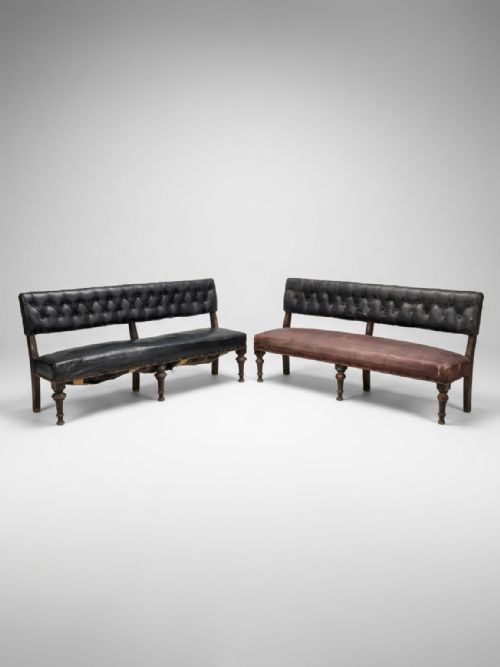
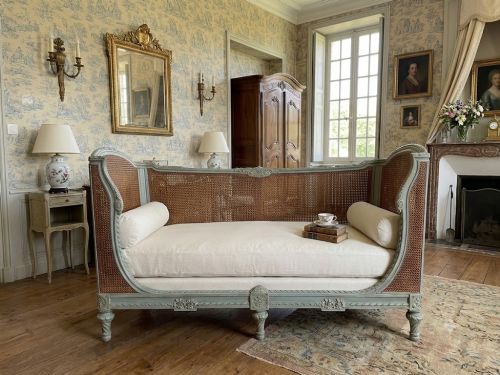
Makers and workshops adapted these forms for various settings, producing formal reception furniture as well as lighter conservatory and parlour seating. The wooden frames support upholstery in fabric, velvet, brocade, and leather, or incorporate detailed cane work.
Materials and Construction
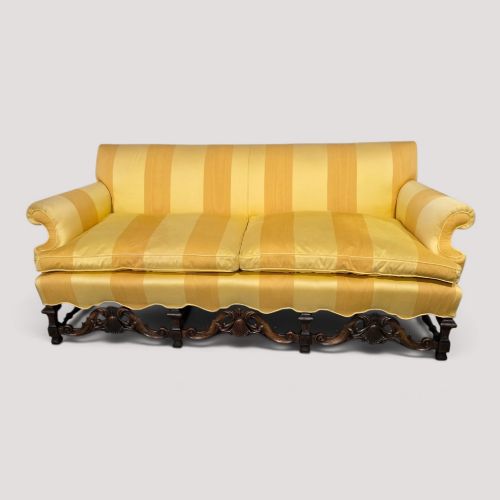
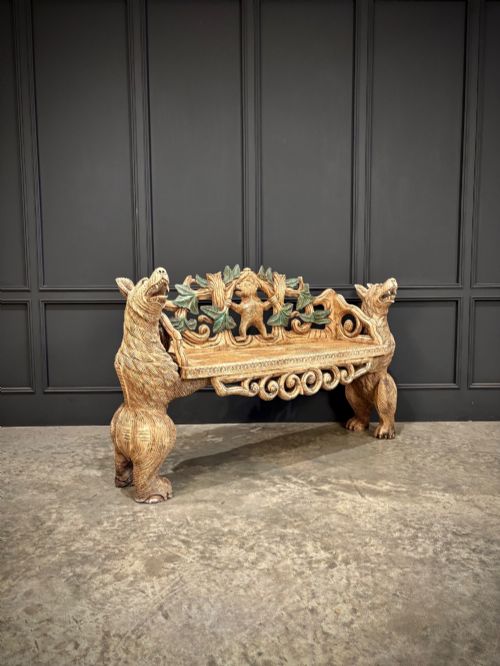
Frames rely on timbers such as mahogany, walnut, rosewood, satinwood, and oak, shaped through carving, turning, and ebonising. Joinery methods secure structural integrity, while decorative elements incorporate giltwood, brass accents, and painted finishes.
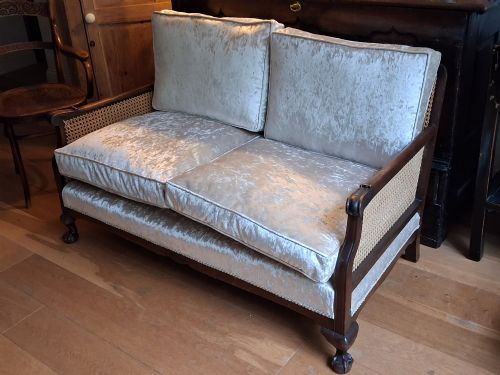
Seating surfaces utilise traditional stuffing, sprung settee bases, feather cushions, and woven cane panels. Upholstery materials range from deep pile brocade and velvet to leather and contemporary fabric coverings.
Periods represented span from the eighteenth-century George III era through Victorian and Edwardian times up to 1930.
Distinctions in Quality
The refinement of hand-carved details, such as ball and claw feet, lion mask hairy paw feet, or delicate spindle work, separates standard production from exceptional craftsmanship. Timber selection also dictates grade, with figured mahogany, rosewood, and satinwood showing superior natural grain patterns.
Structural execution, including the tightness of joinery and the integrity of applied gilt or ebonised surfaces, marks the division between workshop tiers. Furthermore, the complexity of cane work and the authenticity of period upholstery methods influence the overall standing of a piece.
Thonet·C. Hindley & Sons·Giles Grendey·Hampton & Sons
The Antique Wood Settee Glossary
- Bergère
- An enclosed upholstered armchair or sofa with wooden frames and typically cane-panelled sides and back. These French-derived seats often accommodate loose down or feather cushions.
- Bentwood
- A technique of steaming wood, particularly beech, to bend it into curved structural shapes without joints. This process defines lighter nineteenth-century production associated with makers like Thonet.
- Double Ended Sofa
- A nineteenth-century seating form featuring scrolled arms of equal height at both ends, allowing a user to recline lengthwise. They frequently rest on heavy mahogany or rosewood frames with sprung bases.
- Salon Suite
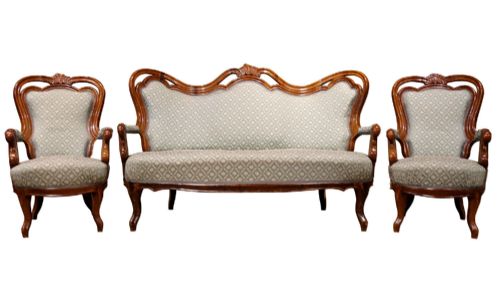
- A matched set of seating furniture, typically comprising a settee and matching armchairs, designed for formal reception rooms. These suites display unified decorative schemes in walnut, giltwood, or mahogany.
Antique Wood Settee: Frequently Asked Questions
What is an antique wood settee?
An antique wood settee is a traditional multi-seat bench or sofa featuring an exposed wooden frame. These pieces date from historical periods including the eighteenth and nineteenth centuries.
They serve as functional seating while displaying the characteristic woodworking styles and upholstery methods of their respective eras.
How were settees used historically?
These pieces provided seating for multiple people in formal reception rooms, parlours, and country house drawing rooms. Daybeds and double-ended versions also allowed occupants to recline during the day.
Larger salon suites accommodated guests during social gatherings in wealthy households.
How do I care for a wood settee?
Maintain wooden frames by dusting regularly and treating the timber with appropriate wax or polish to preserve the finish. Protect upholstered surfaces and cane work from direct sunlight and excessive moisture.
Avoid placing heavy items on delicate carved areas or cane panels.
How do I identify the period of a settee?
Examine the timber species, construction joinery, and stylistic motifs such as cabriole legs, ball and claw feet, or spindle backs. Regency, Victorian, and Edwardian examples each carry distinct design traits.
Maker stamps or labels, where present, provide direct evidence of origin and date.