


Antique Wood Plaque
An antique wood plaque brings centuries of carving skill straight to the wall, offering tactile relief work and historic timber to any room.
Antique Wood Plaque
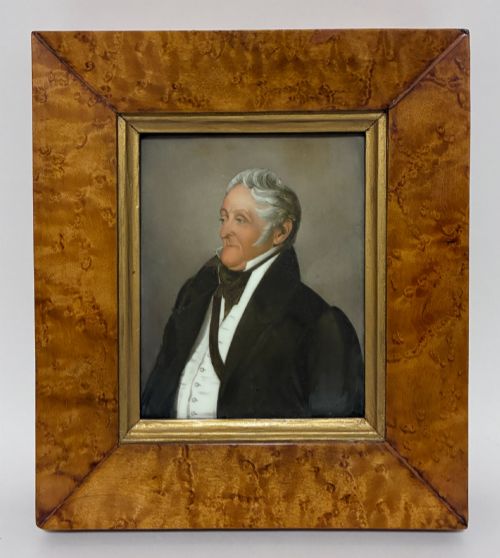
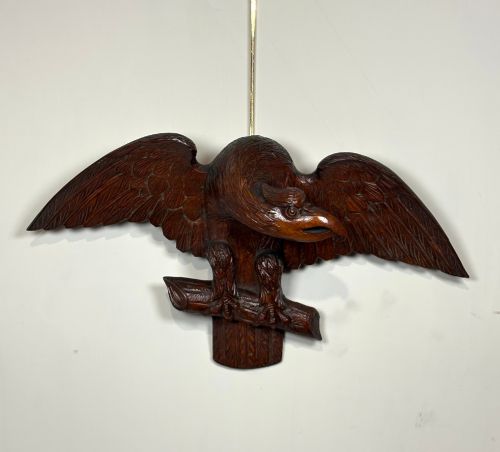
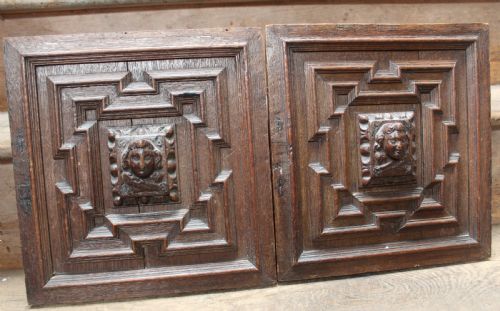
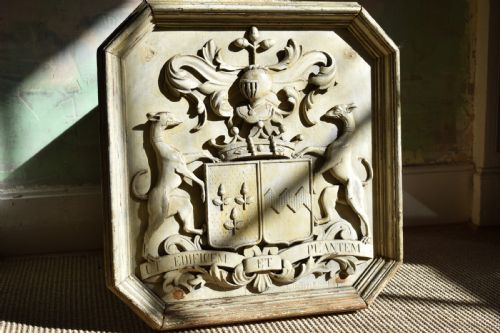
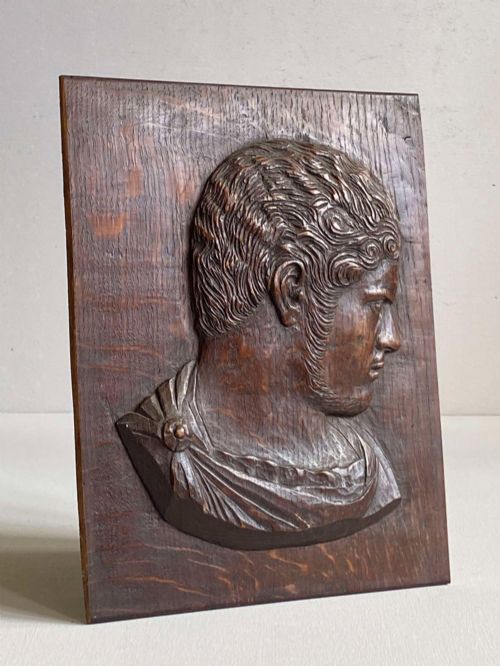
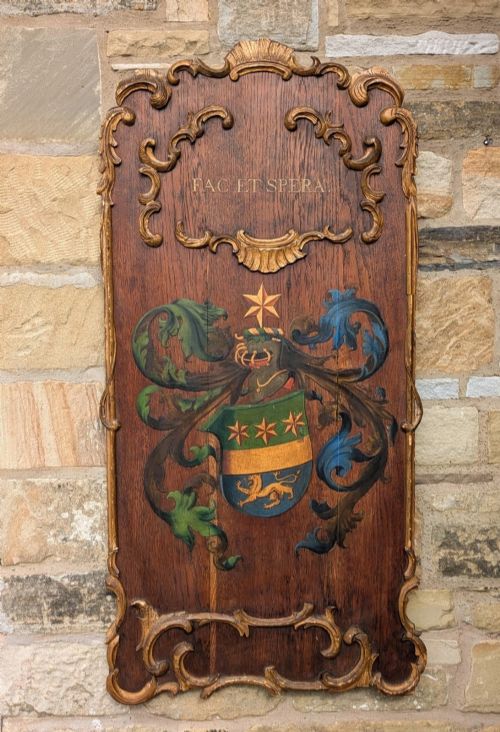
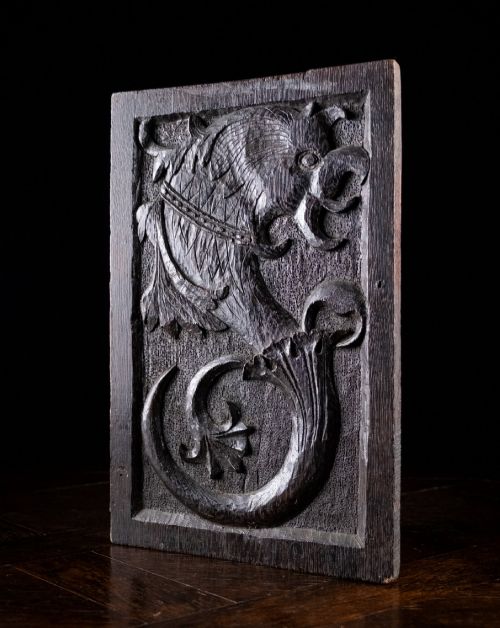
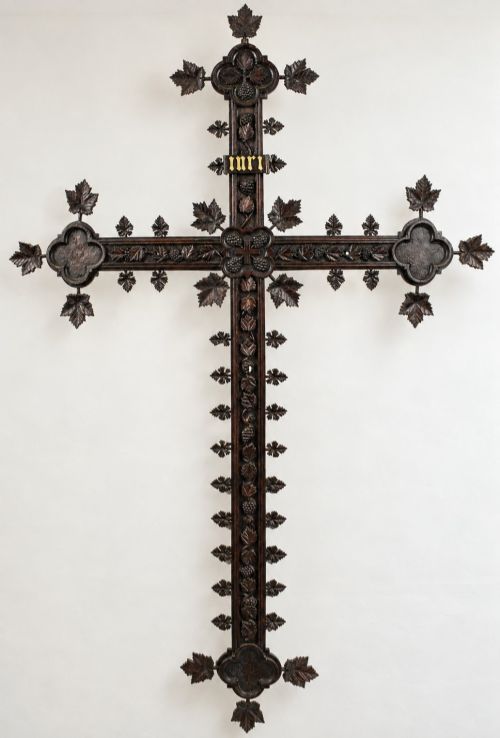
An antique wood plaque encompasses carved panels, armorial shields, and high-relief wall art originating from centuries of cabinetmaking and architectural salvage. Buyers seeking an antique wood plaque will find pieces ranging from 17th-century oak fragments and tavern scenes to 19th-century Black Forest animal carvings.
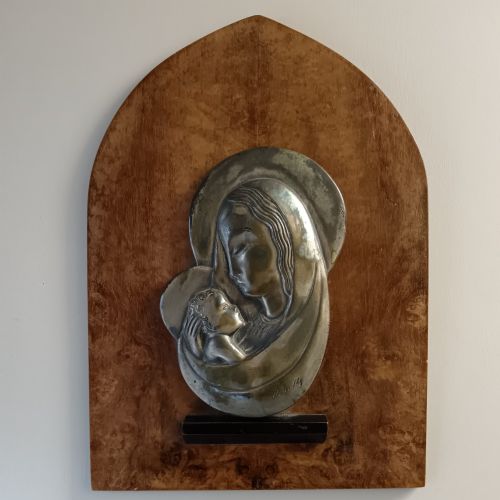
The selection leans heavily toward oak and other dense timbers, frequently shaped as wall panels, heraldic plaques, and religious reliefs. These objects often survive from larger dismantled schemes, repurposed over generations to function as standalone decorative focal points.
Materials and technique
Carvers shaped these pieces primarily from solid oak, walnut, and chestnut using chisels and gouges to build depth through high and low relief. Grain direction dictated the subtlety of undercut foliage, figures, and heraldic motifs.
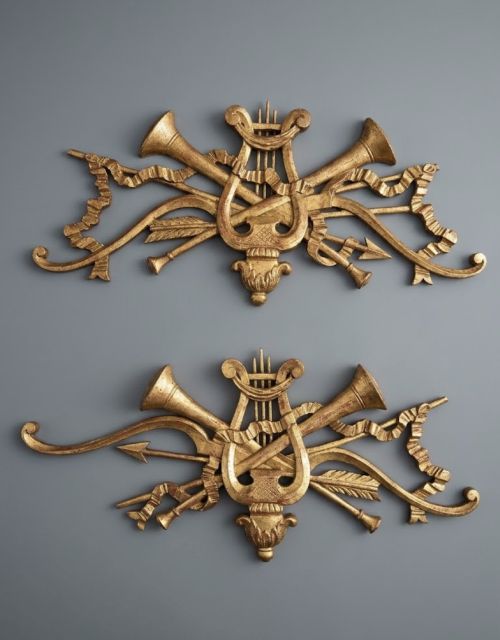
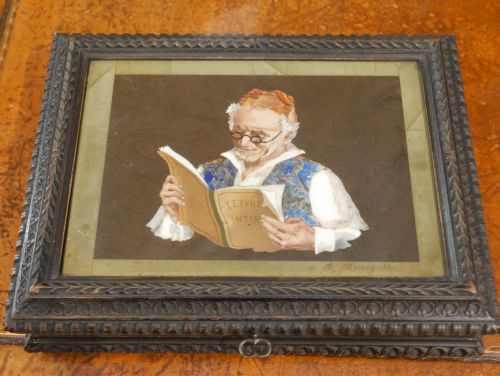
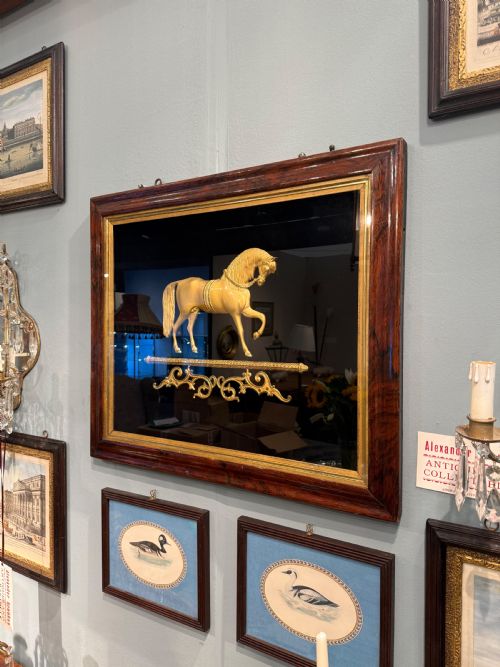
Secondary ornamentation frequently incorporates ebonised wood, gesso, and applied ormolu mounts to frame the timber work. Surface finishes range from natural waxed patinas to historic polychrome paint and lacquered treatments.
Antique Wood Plaque Retail Price Guide 2026
Typical asking prices for wood plaque among the pieces listed under this phrase on Sellingantiques today, from the lower quarter to the upper quarter. They describe what is for sale here now, not the wider market.
One determined panel depicts Saint George mid-tussle, reminding everyone that medieval wall art had serious narrative punch.
Assessing the craftsmanship
The standard of a carved plaque rests entirely on the depth of relief and the decisiveness of the maker's tool marks. Crisp undercutting and dynamic proportions separate master carvers from commercial production work.
The integrity of the timber ground also dictates value, where stable grain, minimal splitting, and the retention of original surface treatments preserve the historical authenticity of the carving.
Jackson and Graham·KPM Berlin
The Antique Wood Plaque Glossary
- Relief
- Sculpture where figures project from a flat background plane. High relief means the forms stand out significantly from the timber.
- Armorial
- Relating to heraldry and family coats of arms. These carved shields record lineage and marriage alliances.
- Ebonised
- Wood finished with a dark stain or polish to imitate ebony. This treatment creates stark contrast against lighter inlays.
- Polychrome
- Decorated in multiple colours. Paintwork applied directly to the carved timber preserves an older decorative scheme.
- Linenfold
- A style of wood panel carving resembling folded cloth. It appears frequently on early domestic joinery.
Antique Wood Plaque: Frequently Asked Questions
How were antique wood plaques originally displayed?
Many early plaques functioned as structural elements within larger wood-panelled rooms, chimney pieces, or furniture fronts rather than standalone wall art.
Over subsequent centuries, owners unmounted these carvings and fitted them with hanging brackets to display them individually on plain walls.
What is the difference between a panel and a plaque?
A panel typically formed part of a larger architectural or cabinetry composition, such as a cupboard door or wall wainscoting.
By contrast, a plaque is conceived as a distinct visual unit intended to be viewed entirely on its own merits.
How do I care for historic carved timber?
Keep carved wooden items away from direct sunlight and sudden temperature shifts to prevent the timber from drying out and splitting.
Apply a light microcrystalline wax occasionally to feed the grain and protect the historic surface patina from atmospheric moisture.