


Antique Wood Planter
An antique wood planter brings natural texture indoors, housing greenery in vessels shaped by centuries of craftsmanship.
Antique Wood Planter
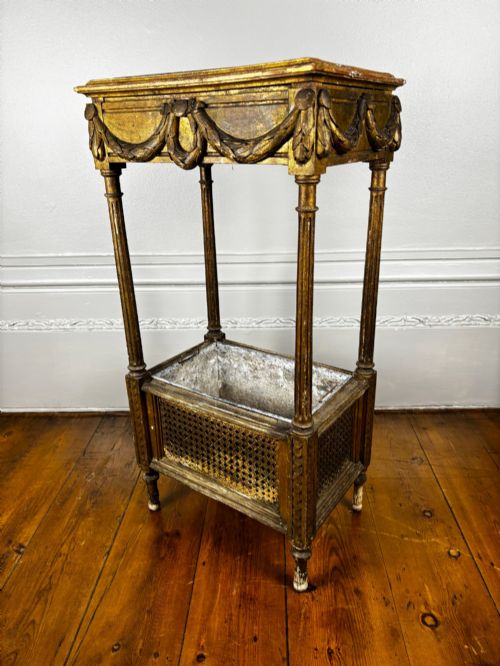
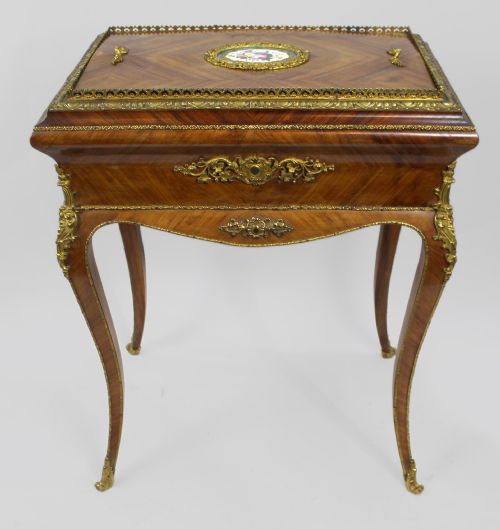
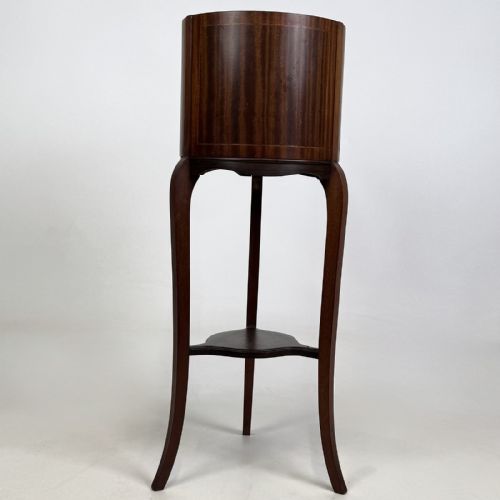
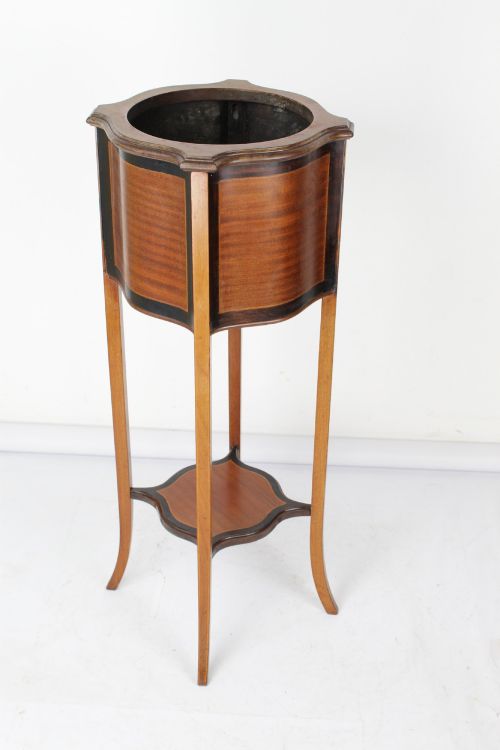
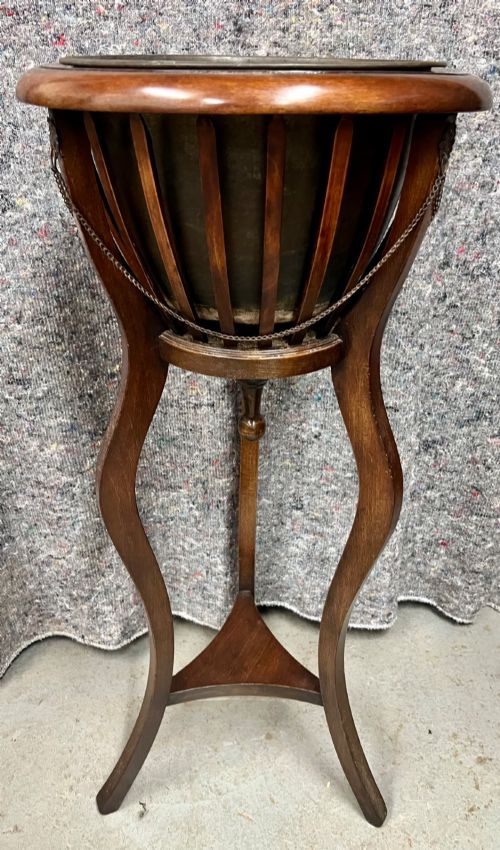
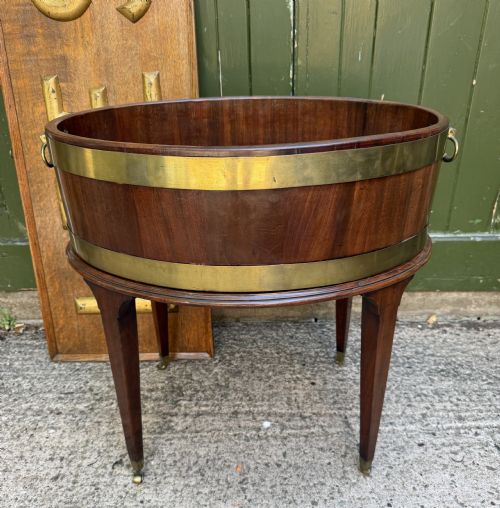
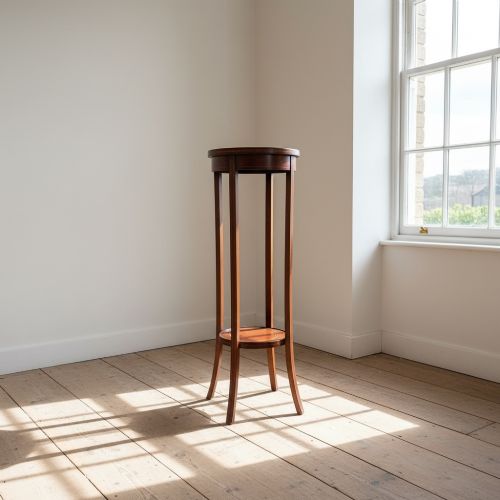
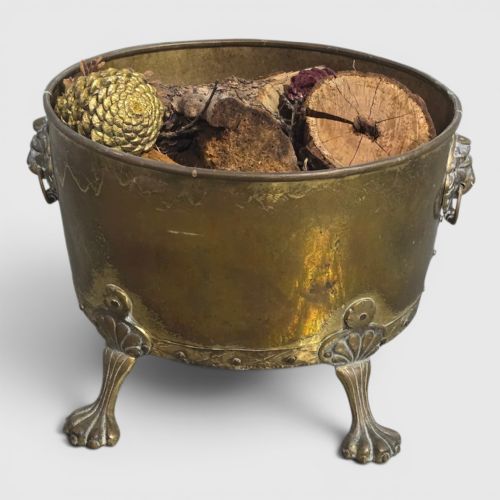
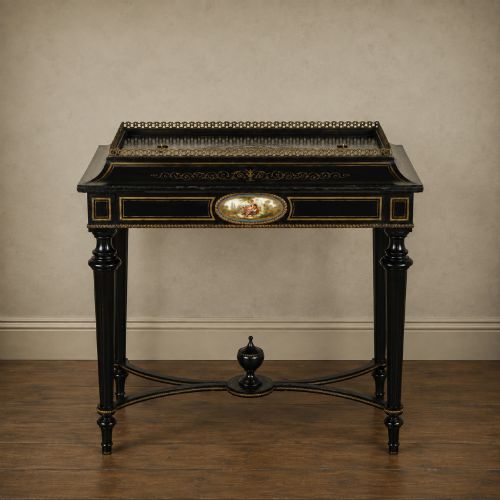
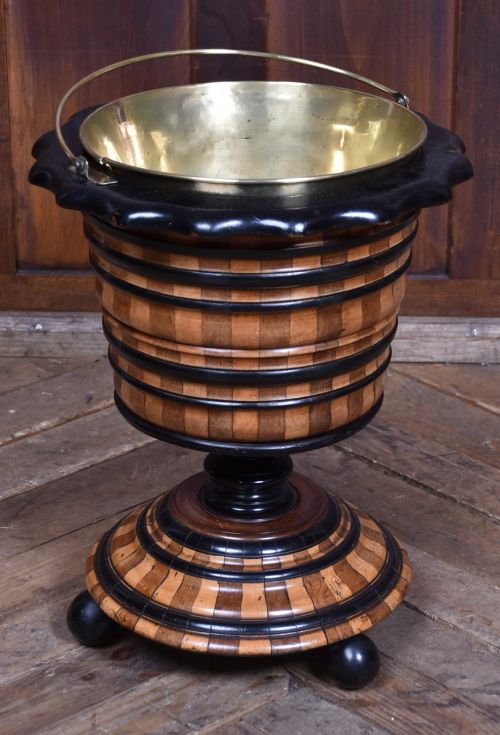
An antique wood planter encompasses vessels designed to hold plants, flowers, or fuel, appearing in forms such as coopered buckets, plant stands, and jardiniere tables. Buyers seeking an antique wood planter frequently encounter Edwardian mahogany plant stands, Victorian oak barrels, and nineteenth-century French walnut or kingwood jardinieres.
Makers utilised various timber species, from satinwood and olive wood to elm, pine, and ebonised wood, shaping them into distinctive receptacles. These pieces often incorporate metal liners in brass or zinc to protect the timber from moisture and soil.
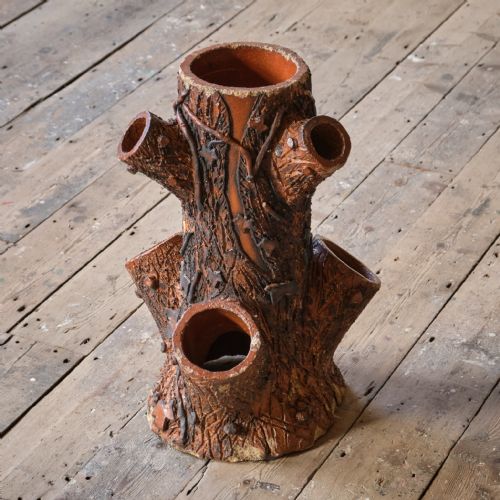
The category extends beyond conventional pots to include specialised historical forms like Dutch peat buckets, tea stoves, and rustic Swedish storage barrels. Each variation reflects the domestic requirements of Georgian, Victorian, and Edwardian households.
How they were made
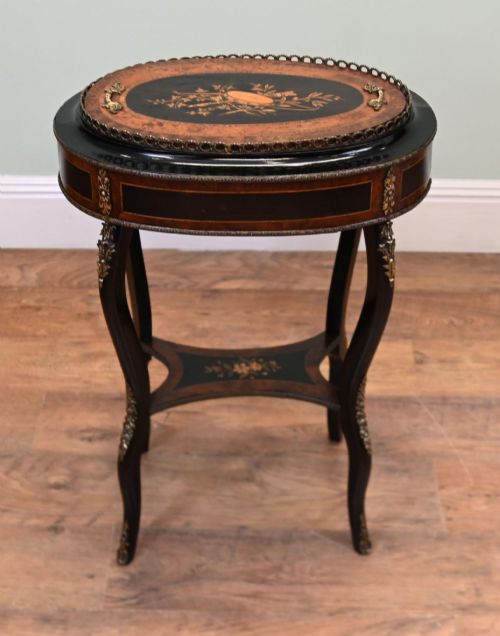
Cooperage techniques defined many cylindrical wooden vessels, utilising tight staves bound with brass bands to hold moisture without glue. Cabinetmakers constructed other forms using mahogany, satinwood, and kingwood, frequently incorporating decorative veneer work and fine marquetry inlay.
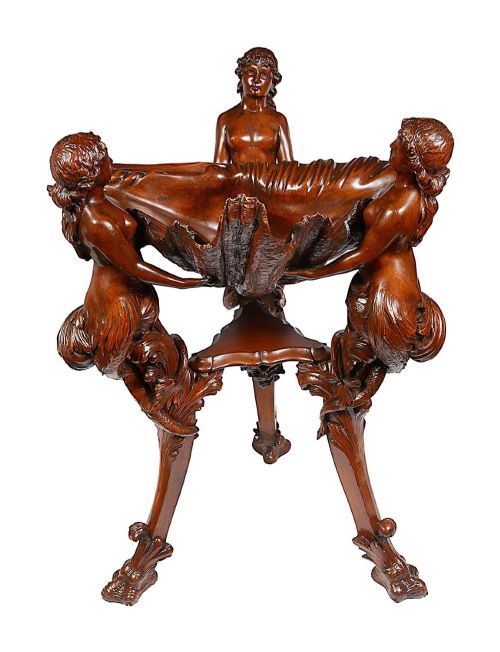
Craftsmen enhanced select pieces with bronze mounts, ormolu accents, and painted porcelain plaques, particularly within French nineteenth-century workshops. Carved giltwood, rustic pine, and solid oak construction demonstrate the diverse regional carpentry methods employed across Europe and Asia.
Antique Wood Planter Retail Price Guide 2026
Typical asking prices for wood planter among the pieces listed under this phrase on Sellingantiques today, from the lower quarter to the upper quarter. They describe what is for sale here now, not the wider market.
What varies in quality
The distinction between ordinary utility items and exceptional pieces rests upon the precision of the joinery and the selection of timber veneers. Superior examples display tight copper or brass banding, intact metal liners, and finely executed wood carving or inlay rather than plain structural assembly.
Artisanal additions such as hand-painted porcelain plaques, giltwood ornamentation, and authentic period mountings elevate certain jardinieres and plant stands. The integrity of the original wood finish and the harmony of proportion between stand and vessel determine the overall standing of an object.
Enoch Wood And Sons
The Antique Wood Planter Glossary
- Jardiniere
- A decorative pot or stand designed to hold growing plants or flowers. These vessels appear in ceramic, metal, and various fine timbers.
- Coopered
- A method of construction where curved wooden staves are fitted together and bound with metal hoops, traditionally used for buckets and barrels.
- Teestoof
- A Dutch warming vessel or foot stove, often adapted historically to function as a small planter or peat bucket.
- Ormolu
- Gilded bronze ornamentation applied to furniture and decorative woodwork, popular in French nineteenth-century pieces.
- Treen
- Small handmade wooden domestic objects and utensils fashioned by turners and joiners from dense native timbers.
Antique Wood Planter: Frequently Asked Questions
How were peat buckets used?
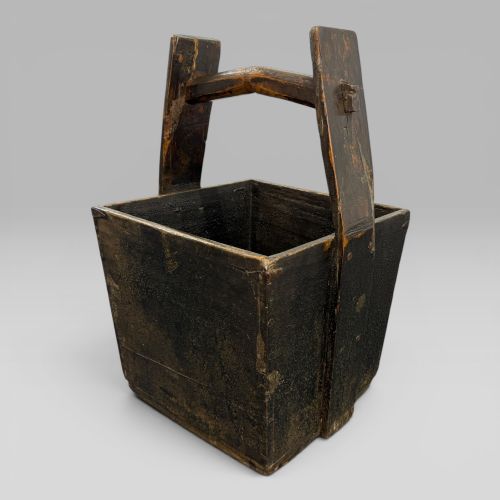
Peat buckets held dried turf used to fuel domestic hearths and stoves in earlier centuries.
Coopered from oak or mahogany with brass banding, many survive today repurposed as planters or umbrella stands.
Can antique planters hold live plants?
Many antique planters feature original metal liners designed to contain soil and moisture safely.
Using a modern inner plastic pot inside the historical liner prevents water damage to the antique timber.
How do I identify Edwardian plant stands?
Edwardian plant stands typically feature lightweight mahogany frames with delicate inlaid decoration and slender tapering legs.
These pieces date from the early twentieth century and prioritise refined domestic display over heavy utility.