


Antique Wood Parlour Table
An antique wood parlour table brings warmth and hospitality to a room, offering a surface designed for social display and daily use.
Antique Wood Parlour Table
When you search for an antique wood parlour table, you encounter diverse forms created for formal entertaining and domestic comfort across the nineteenth and early twentieth centuries. These pieces serve primarily as occasional, centre, or side tables placed within principal rooms to hold decorative objects, tea service, or reading material.
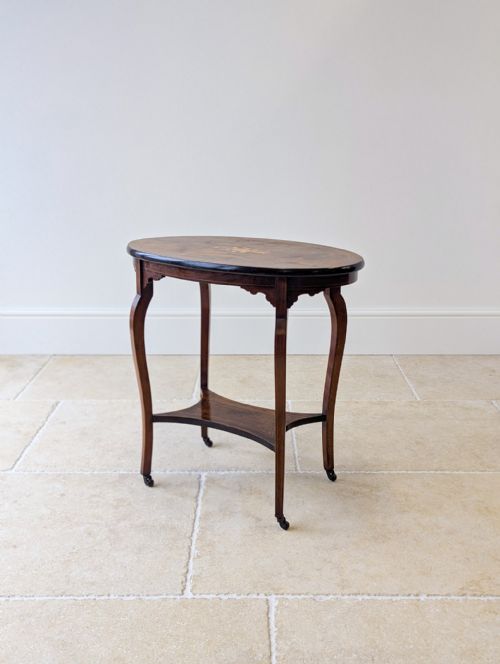
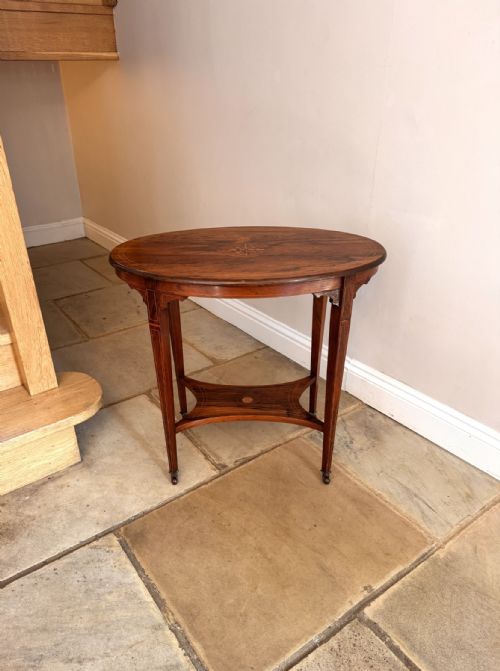
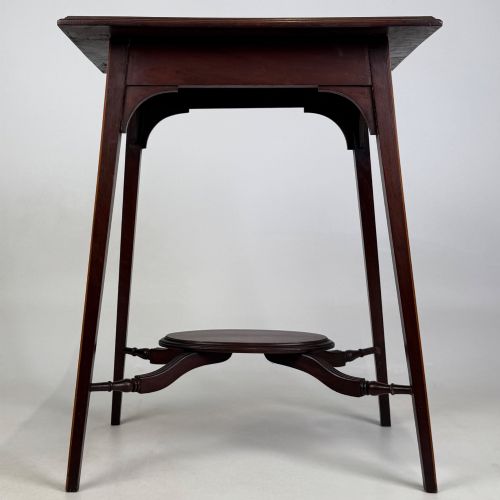
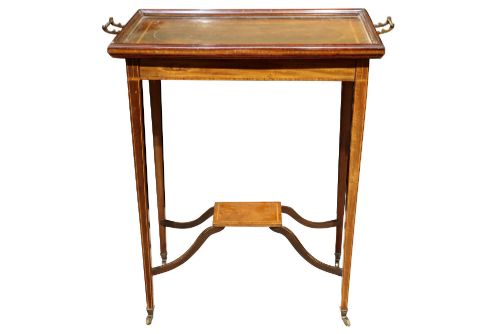
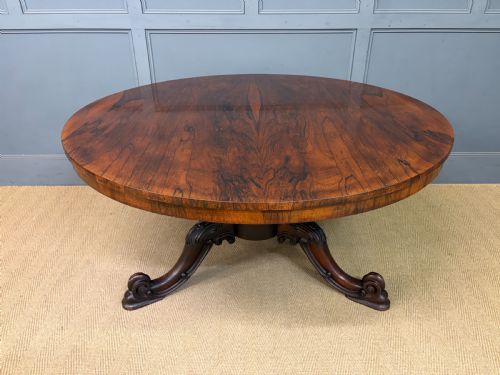
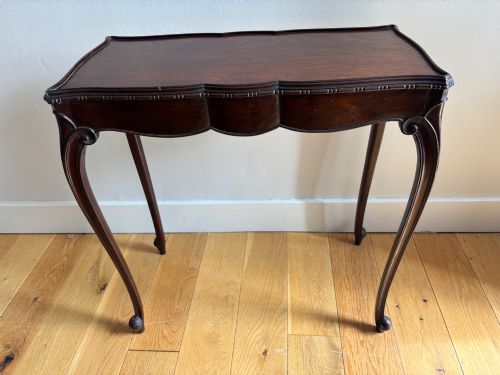
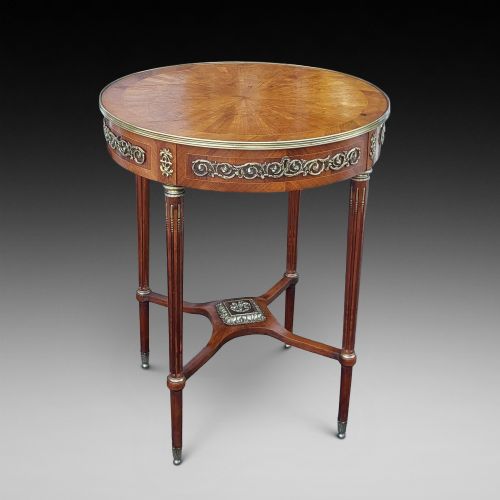
The version you meet most often on this page is the Edwardian or Victorian occasional table in mahogany or rosewood, frequently incorporating lower tiers, galleried shelves, or delicate boxwood and marquetry inlay. Such designs reflect the changing domestic habits of the period, favouring movable, versatile surfaces over fixed furniture.
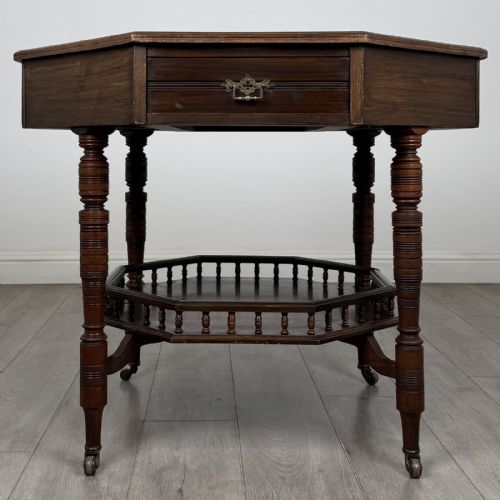
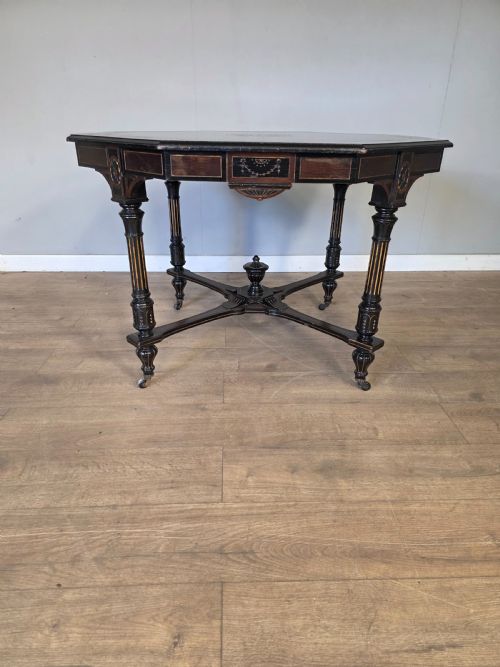
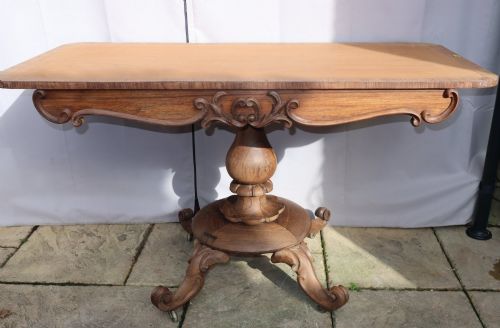
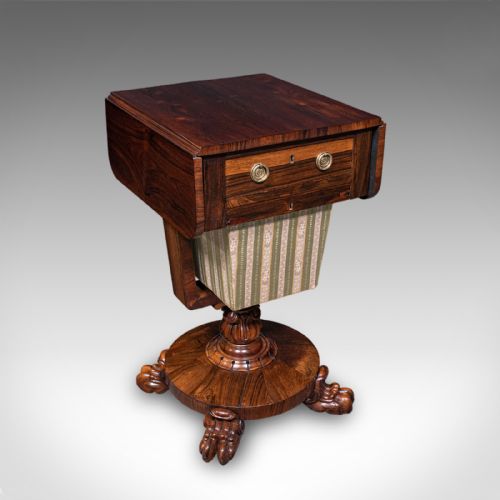
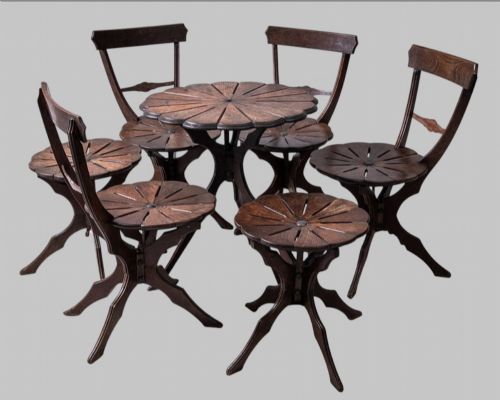
Beyond standard occasional forms, the selection encompasses specific functional pieces like loo tables, sewing tables, and octagonal centre tables spanning multiple historical styles from Grand Regency and Victorian Rococo Revival to Aesthetic Movement and French Empire.
How they were made
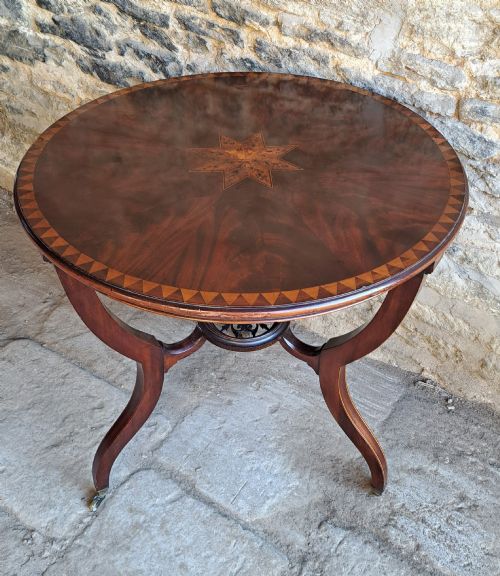
Cabinetmakers constructed these tables using dense hardwoods such as mahogany, rosewood, walnut, and satinwood, often selecting burr veneers to produce striking figured patterns across the top surface. Timber selection dictated both the visual weight and the structural stability of the table.
Decorative surfaces frequently rely on contrasting stringing and marquetry inlay utilising boxwood, brass, and various exotic woods to form geometric or floral motifs. Turned legs, cabriole supports, and carved details shape the profiles, while applied brass mounts and galleried edges complete the construction.
Antique Wood Parlour Table Retail Price Guide 2026
Typical asking prices for wood parlour table among the pieces listed under this phrase on Sellingantiques today, from the lower quarter to the upper quarter. They describe what is for sale here now, not the wider market.
The selection spans multiple design movements from Grand Regency and French Empire through Victorian Rococo Revival to the Aesthetic Movement.
What varies in quality
The standard of timber preparation and veneer selection separates simpler utility pieces from exceptional examples, with choice burr walnut and figured rosewood displaying superior depth and grain continuity. Cabinetmaking finesse shows in the precision of the joinery and the sharpness of hand-carved elements.
Inlaid decoration demonstrates varying degrees of artisan skill, ranging from basic linear stringing to intricate, multi-timber marquetry executed with tight joints and subtle shading. The integration of secondary materials such as brass galleries, marble inserts, and cast bronze mounts further distinguishes the grade of manufacture.
The Antique Wood Parlour Table Glossary
- Occasional table
- A small, movable table designed for a specific, intermittent domestic use rather than a fixed position in a room. These versatile pieces proliferated during the Victorian and Edwardian eras.
- Centre table
- A freestanding table intended to stand away from the walls in the middle of a room, finished with decorative detail on all sides. They often served as the visual anchor for a Victorian parlour.
- Marquetry inlay
- Decorative patterns formed by fitting contrasting veneers into a prepared wooden ground to create pictorial or geometric designs. Craftsmen utilised boxwood and various dyed woods for tonal variation.
- Galleried shelf
- A raised wooden or brass rail enclosing the edge of a lower shelf or tabletop to prevent items from sliding off. This feature appears frequently on Edwardian occasional and tea tables.
- Loo table
- A large, round or oval tilt-top table originating in the Georgian period and remaining popular through the Victorian era. The top pivots vertically on a pillar and claw base for storage when not in use during card games.
Antique Wood Parlour Table: Frequently Asked Questions
How were parlour tables used originally?
In period homes, these tables occupied prominent positions in the parlour or drawing room to hold lamps, books, or tea trays. Drop-leaf and sewing variations accommodated needlework and domestic hobbies.
Centre tables stood freely in the middle of the room to display important decorative objects, while smaller occasional pieces moved easily to suit the immediate needs of guests.
How do I date an antique parlour table?
Dating relies on examining the combination of timber, construction methods, and stylistic cues present in the piece. Victorian examples often display heavier rosewood or walnut construction with carved details, while Edwardian pieces frequently employ lighter mahogany with delicate inlay.
Secondary woods used in the interior framing and the style of the legs, such as cabriole supports or turned stretchers, provide further chronological indicators.
How do I care for a wood parlour table?
Preserving the finish requires keeping the wood away from direct sunlight and maintaining stable indoor humidity to prevent timber splitting or veneer lifting. Regular dusting with a soft, dry cloth maintains the surface sheen.
Applying occasional natural wax feeds the timber and protects the historic polish without introducing harmful silicones or moisture.