

Antique Wood Overmantle
An antique wood overmantle anchors a room above a fireplace, bringing historic form and reflective light into an interior.
Antique Wood Overmantle
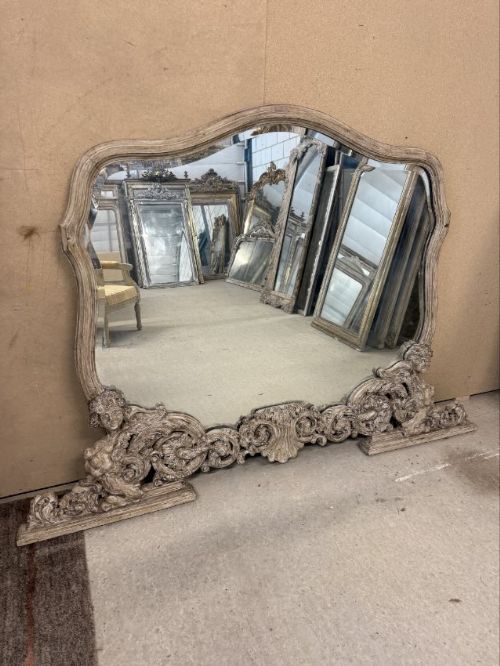
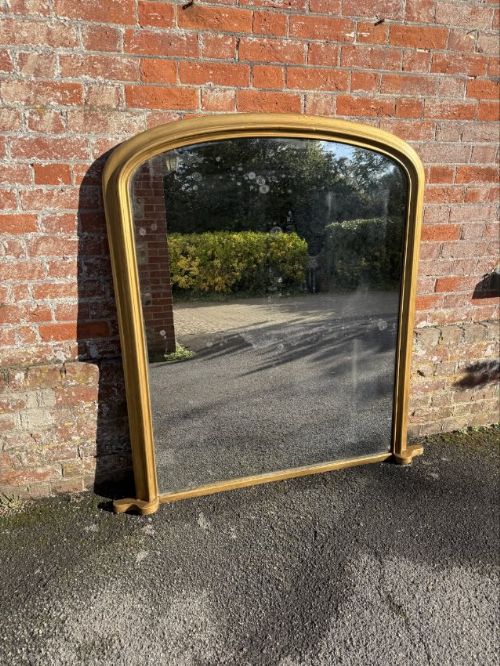
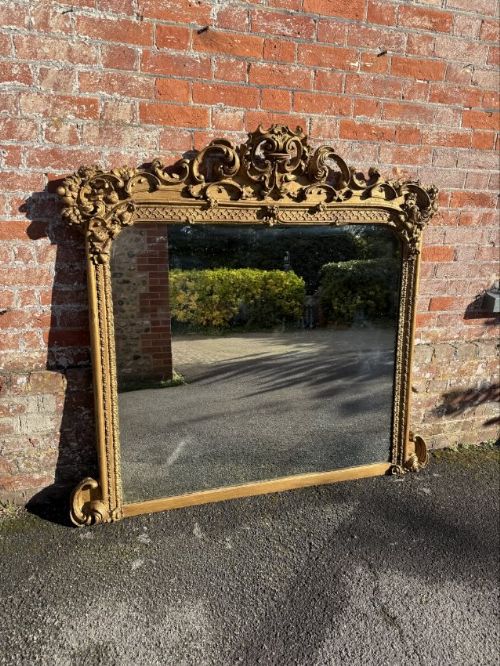
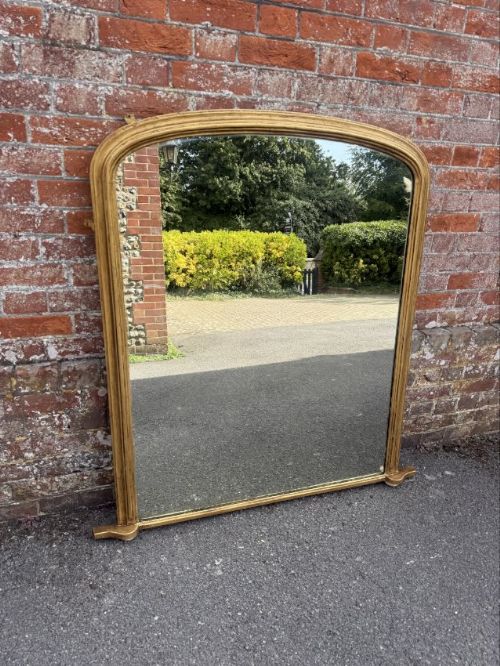
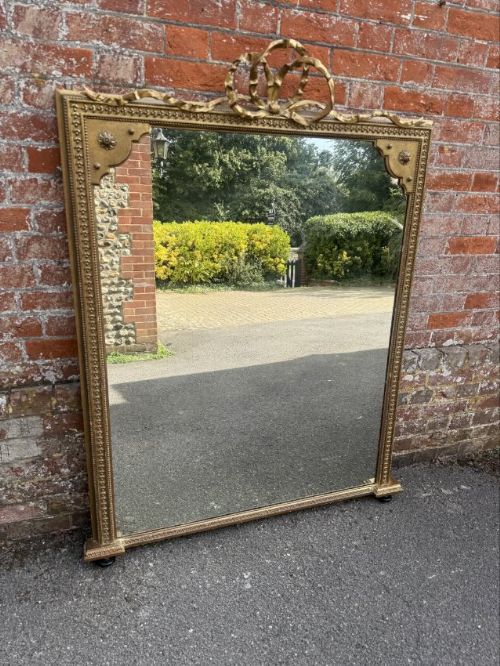
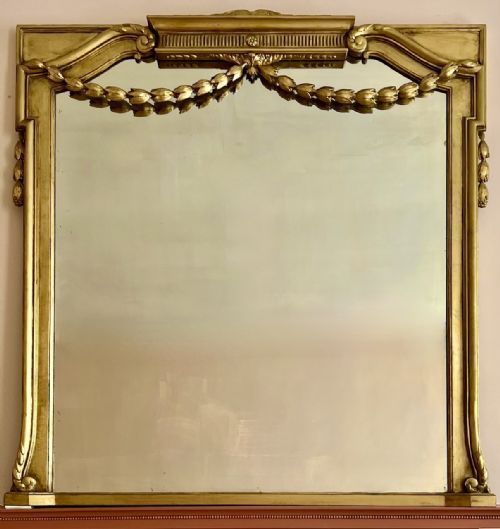
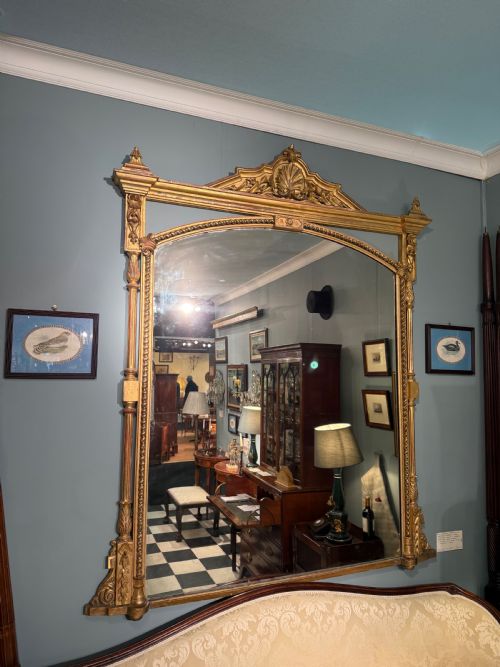
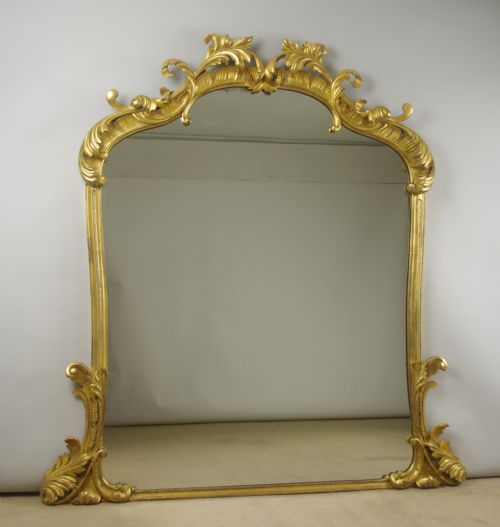
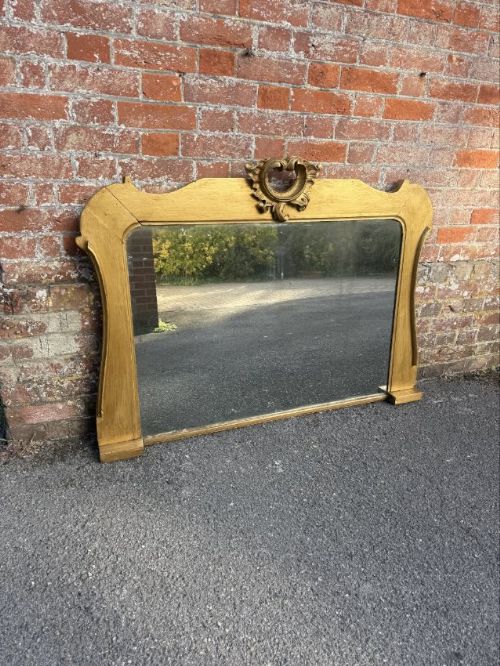
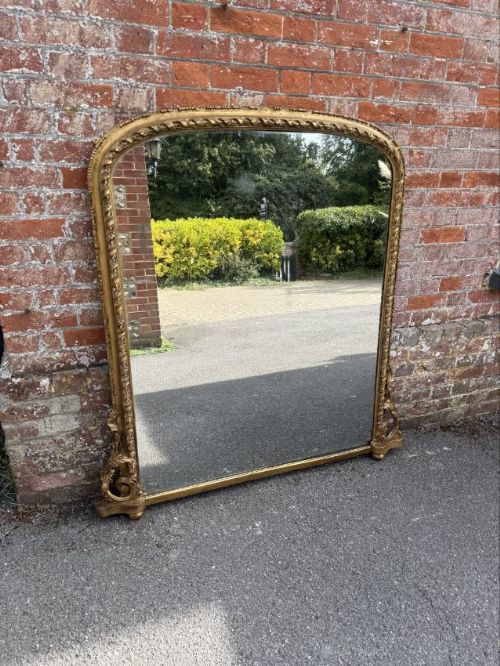
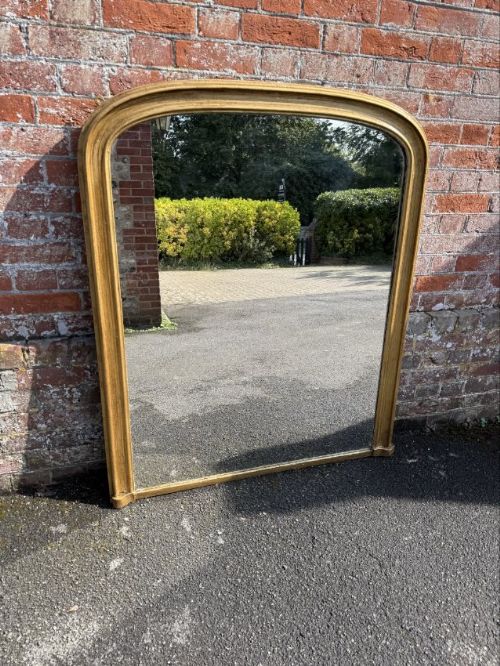
An antique wood overmantle is a large mirror or architectural frame designed specifically to sit directly above a mantelpiece. When searching for an antique wood overmantle, buyers encounter substantial wall mirrors spanning the Victorian and Georgian eras, often featuring considerable scale and decorative presence.
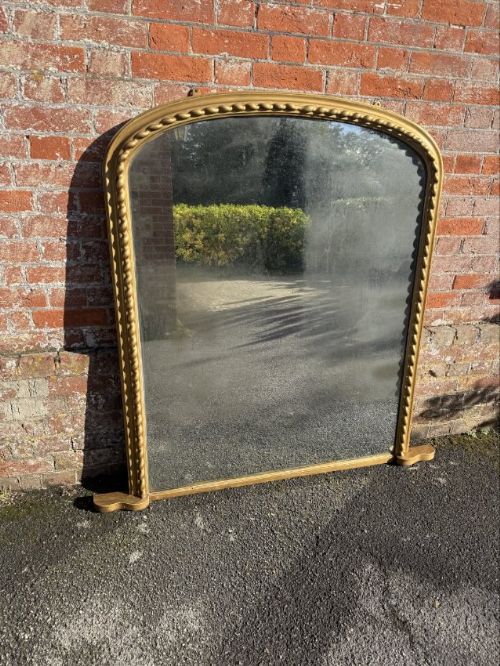
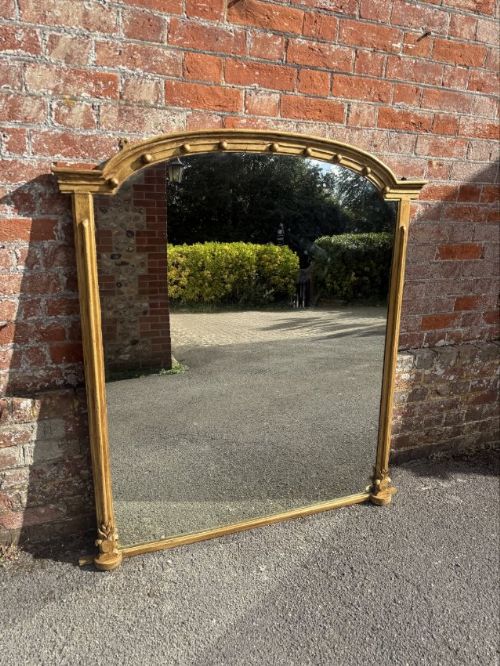
The pieces appearing on this page predominantly date from the nineteenth century, including specific years such as 1850, 1860, 1870, 1880, 1920, alongside Georgian and earlier periods. Common forms include arched tops, shaped tops, and rectangular formats intended to echo architectural proportions of period chimney breasts.
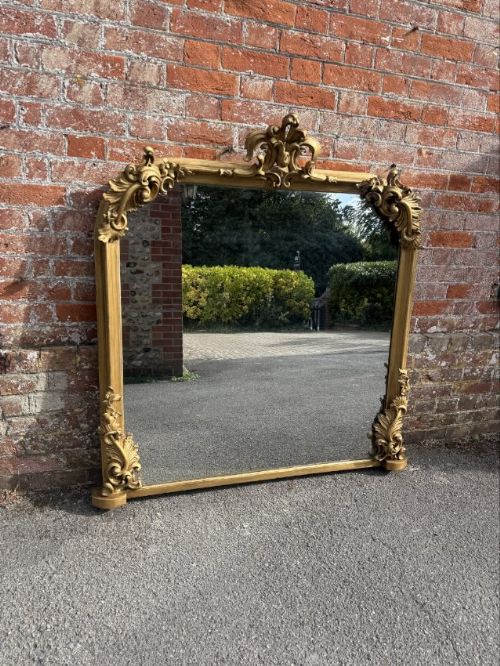
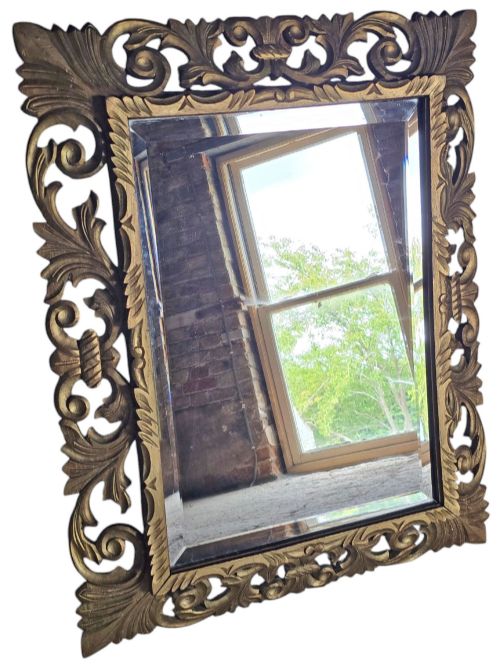
Makers and craftsmen utilised various stylistic traditions, ranging from Neoclassical and Regency designs to ornate Victorian Rococo Revival, French Chateau, Florentine, and Chinese Chippendale styles. These mirrors served both functional and decorative purposes in period homes, reflecting natural light from windows across the hearth.
Materials and Construction
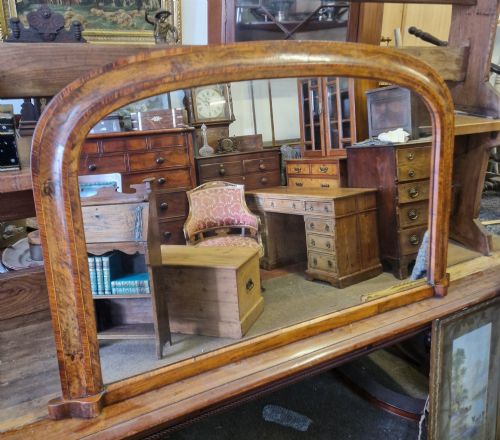
Makers constructed the structural carcasses of these pieces from timbers such as oak, walnut, rosewood, and painted pine. Carved wood details formed the primary relief work on many frames, establishing structural depth and robust borders around the glass.
Layers of gesso were applied over the timber substrate to create smooth surfaces for subsequent gilding. Craftsmen then applied gold leaf or giltwood finishes, producing the reflective metallic surfaces characteristic of formal overmantles.
Mirror glass was set into the frames, occasionally accompanied by secondary materials like architectural salvage components or specialised framing details like rope twists, columns, and ribbed mouldings.
Antique Wood Overmantle Retail Price Guide 2026
Typical asking prices for wood overmantle among the pieces listed under this phrase on Sellingantiques today, from the lower quarter to the upper quarter. They describe what is for sale here now, not the wider market.
Listings feature periods spanning from the seventeenth century through to 1920, incorporating oak, walnut, rosewood, and giltwood materials.
Evaluating Quality and Craftsmanship
The depth and crispness of the hand-carved wood elements separate standard production from superior examples. Skilled carvers produced intricate foliage, architectural moulding, and balanced proportions that integrate harmoniously with the underlying wooden structure.
The application of gesso and gold leaf determines the richness of the surface finish. Finer pieces display smooth, meticulously prepared gesso layers beneath intact gilding that retains its intended lustre and texture over time.
Proportion and scale dictate the visual impact of an overmantle within a room. Superior items demonstrate careful coordination between the dimensions of the glass, the width of the frame, and the complexity of the top arch or crest.
The Antique Wood Overmantle Glossary
- Gesso
- A plaster-like mixture applied to wood frames to provide a smooth base for gilding or painting. This material allowed artisans to carve intricate relief details before applying gold leaf.
- Giltwood
- Timber that has been coated with gold leaf or gold paint. It provides a bright, reflective finish popular in formal nineteenth-century interior decoration.
- Overmantel
- A mirror or decorative structure designed to be hung or mounted specifically on the wall above a fireplace mantel. These pieces were scaled to complement the hearth below.
- Rope twist
- A carved wooden moulding resembling the spiralling strands of a rope. This decorative technique added texture to the inner or outer borders of mirror frames.
- Arch top
- A mirror frame featuring a curved upper section rather than a flat rectangle. This silhouette was particularly favoured during the Victorian period to soften architectural lines.
Antique Wood Overmantle: Frequently Asked Questions
How do I hang an antique overmantle?
Due to their substantial weight from wood construction and mirror glass, these pieces require secure fixing directly into wall studs or masonry using heavy-duty brackets.
Professional installation ensures the frame remains stable and safely supported above the fireplace mantel.
Where were overmantles placed originally?
These mirrors were positioned permanently on the wall directly above the fireplace in principal reception rooms.
Their primary function was to amplify candlelight and natural daylight while serving as a decorative focal point for the interior.
How do I clean the giltwood frame?
Giltwood and gesso surfaces require gentle dusting with a soft, dry brush to prevent damage to the delicate metallic leaf.
Moisture and chemical cleaners should be avoided entirely to preserve the historic finish.
How do I identify a Victorian overmantle?
Victorian examples often incorporate architectural motifs like columns, arched tops, and elaborate gesso ornamentation over a wooden base.
They typically display the heavier proportions and revival styles characteristic of the nineteenth century.