


Antique Wood Ladder
An antique wood ladder brings honest utility and sculptural warmth to a room, whether configured as library steps for high shelves or traditional ladder-back seating.
Antique Wood Ladder
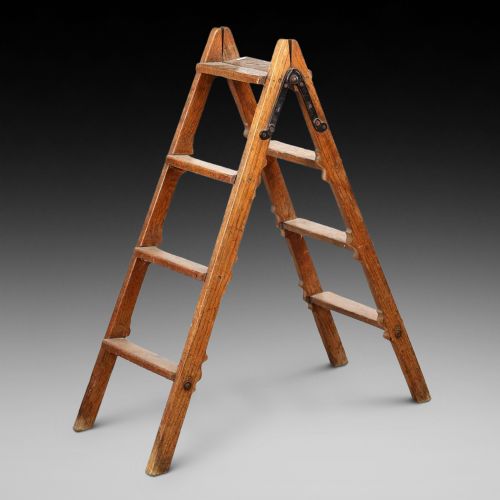
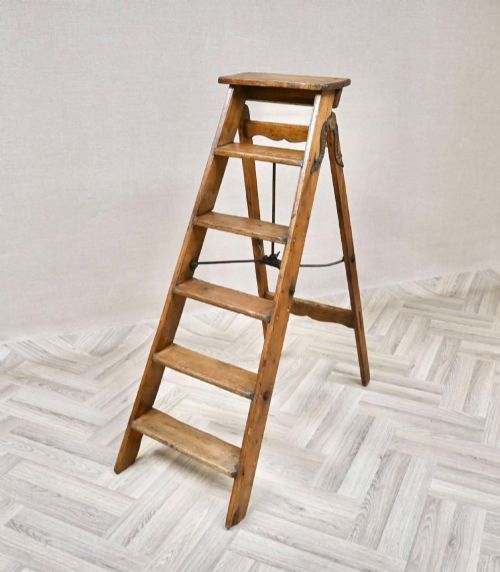
When searching for an antique wood ladder, buyers encounter two distinct forms: functional utilitarian steps and ladder-back seating. The utilitarian group spans domestic step ladders and architectural library steps designed for reaching high shelves in studies or archives.
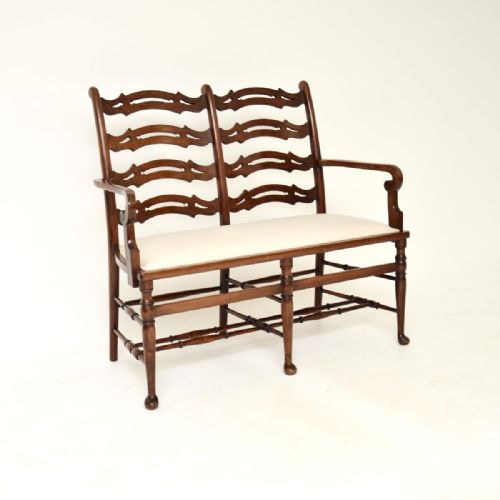
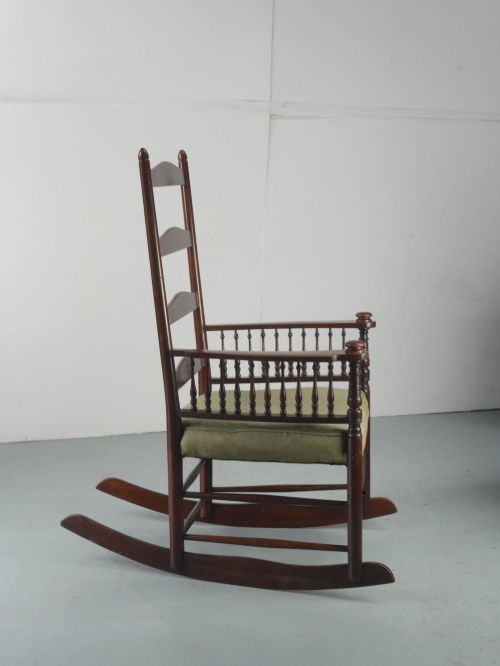
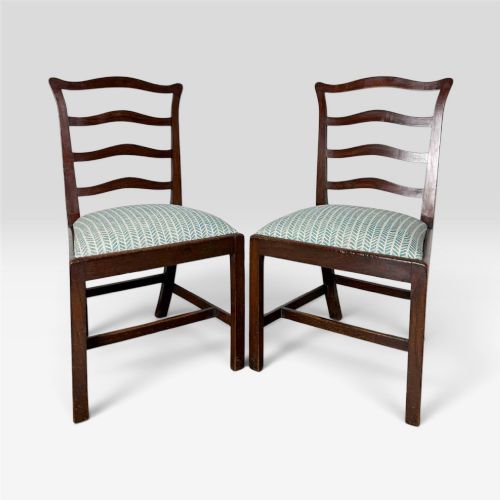
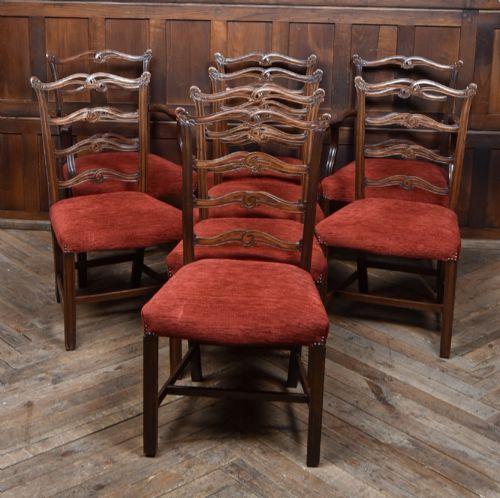
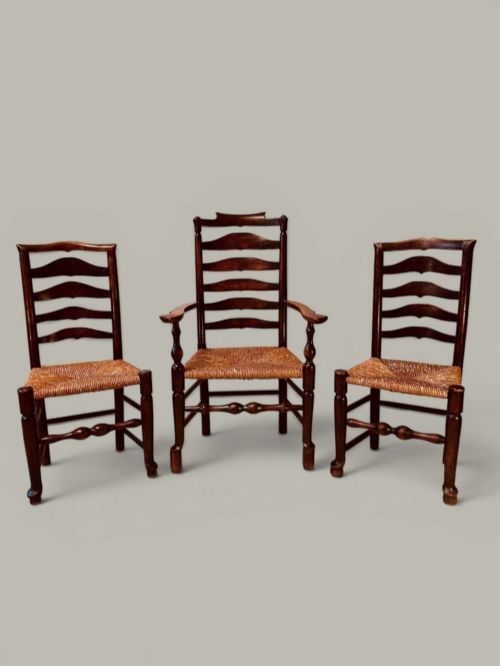
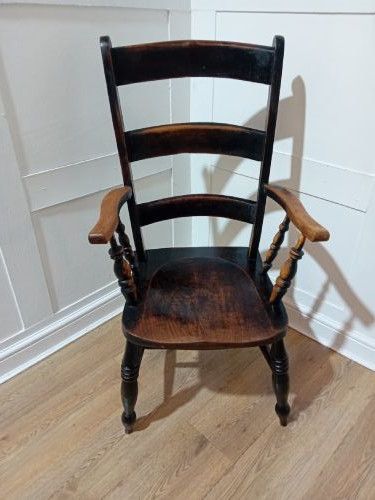
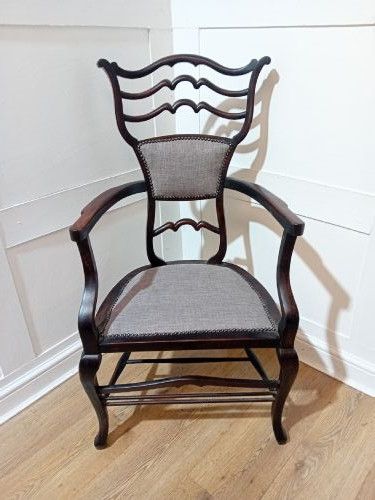
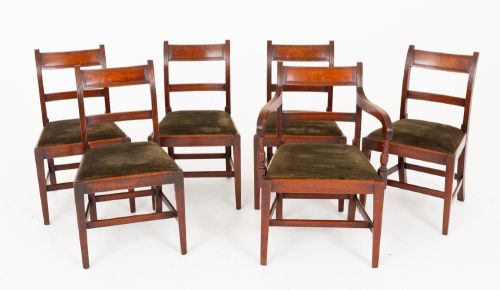
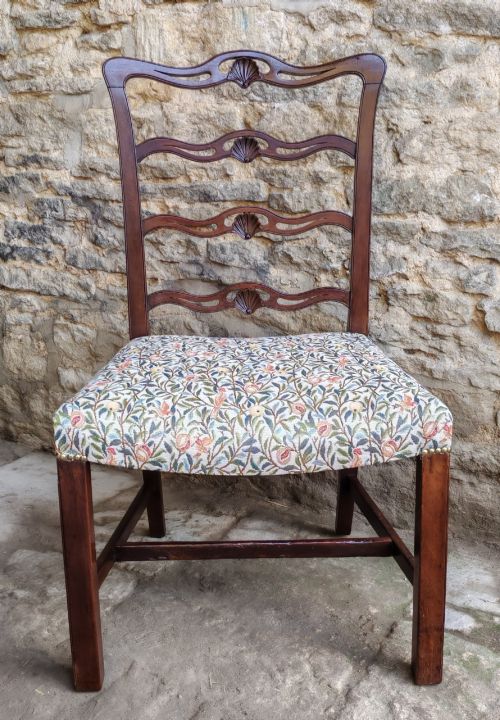
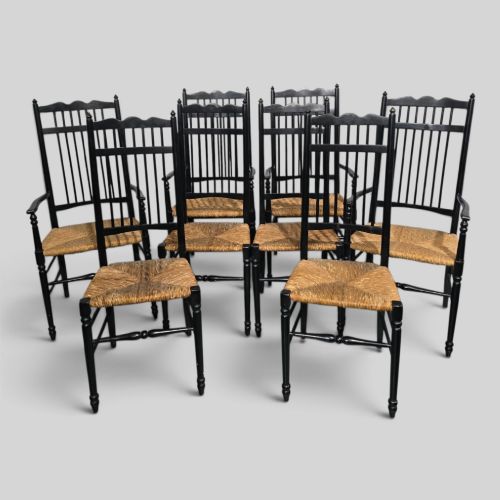
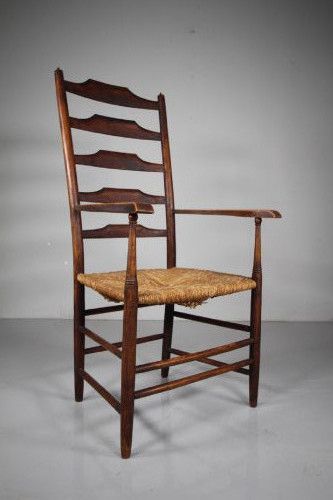
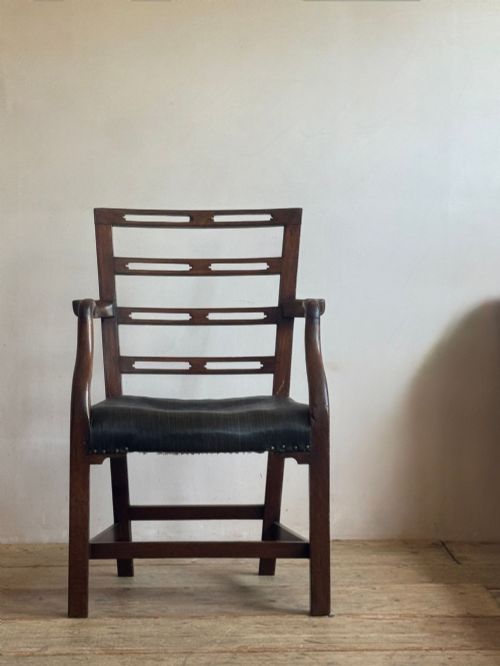
The seating variation includes country ladder-back dining chairs, armchairs, and rocking chairs featuring horizontal wooden slats. These pieces emerge primarily from Georgian, Victorian, and early twentieth-century periods, utilising native timbers such as oak, ash, and mahogany.
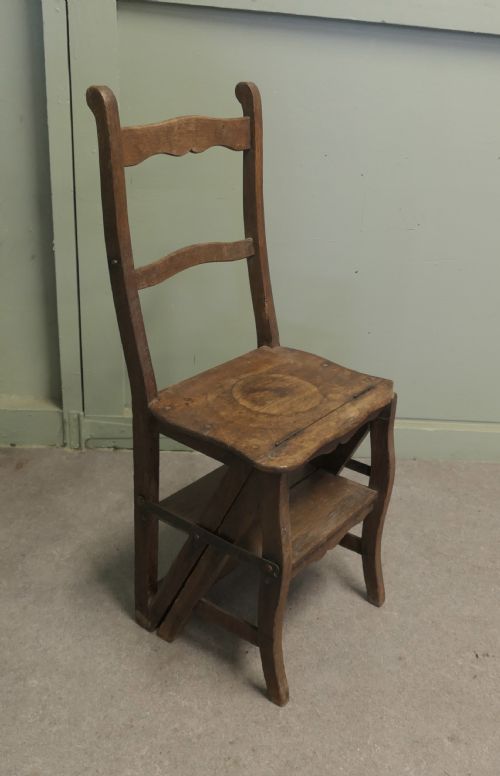
Utilitarian library steps often incorporate clever engineering, appearing as folding structures, spiral designs, or metamorphic step chairs. Country ladder-backs frequently pair simple turned posts with rush, fabric, or leather seats, reflecting vernacular British and European craftsmanship.
Materials and construction
Cabinetmakers and vernacular joiners built these items using dense hardwoods like mahogany, oak, ash, and elm, selecting each timber for structural strength and grain character. Utilitarian steps rely on sturdy joinery to support weight, frequently incorporating brass fittings and iron hinges for folding mechanisms.
Seating variations often utilise turned wooden spindles and mortise-and-tenon joints to secure horizontal ladder slats into upright posts. Treads on library steps are occasionally inset with leather or supported by turned wooden columns, combining functional durability with refined period detailing.
Antique Wood Ladder Retail Price Guide 2026
Typical asking prices for wood ladder among the pieces listed under this phrase on Sellingantiques today, from the lower quarter to the upper quarter. They describe what is for sale here now, not the wider market.
Objects range from utilitarian step ladders and folding library steps to regional rush-seated country chairs.
Distinguishing quality
Quality rests in the integrity of the timber selection and the precision of the joinery rather than surface perfection. Superior library steps show thoughtful proportion and smooth mechanical movement in folding or spiral configurations, remaining stable under use.
In ladder-back chairs, the rhythm and taper of the horizontal slats dictate the visual success of the piece. Well-made examples maintain tight joints, honest wear consistent with age, and retention of original rush or wood elements without heavy structural compromise.
Philip Clissett·Liberty and Co
The Antique Wood Ladder Glossary
- Ladder-back
- A chair style characterised by horizontal wooden slats fitted between the upright posts of the backrest. This form is common in vernacular and country seating across the eighteenth and nineteenth centuries.
- Library steps
- Free-standing wooden stair structures built to access high bookshelves in domestic or institutional libraries. They appear in straight forms, A-frames, and spiral configurations.
- Metamorphic
- Furniture designed to transform from one object into another, such as a chair that unfolds into a set of library steps. This ingenious mechanism combines seating with functional utility.
- Rush seating
- Woven marsh plant material used to form seats in traditional country chairs. It provides a flexible, durable surface that complements turned wooden frames.
- Vernacular
- Objects built by regional craftsmen following local traditions rather than strict academic style canons. These pieces prioritize practical function and available local timbers like ash and elm.
Antique Wood Ladder: Frequently Asked Questions
How do I choose between library steps and a ladder?
Library steps are engineered for domestic interiors to reach elevated bookshelves safely, often featuring supportive handrails or leather-trimmed treads.
Plain ladders serve more utilitarian purposes in lofts or rustic spaces, prioritising simple vertical ascent over refined cabinetmaking.
Are antique ladder-back chairs comfortable for daily dining?
Traditional ladder-backs offer supportive upright postures due to their angled slat configuration, making them suitable for long dinner parties.
Many examples feature woven rush or leather seats that provide natural give, though adding loose squabs can increase softness.
How do I safely display an old wooden ladder?
Position structural steps on level flooring away from direct heat sources to prevent the timber from drying out and splitting over time.
For taller folding library steps, ensure the retaining arms or hinges are fully engaged to maintain stability if used actively.
How can I tell a Georgian ladder-back from a Victorian one?
Georgian versions typically display finer timber selection, such as rich mahogany with subtle carving or slender, well-proportioned ash turnings.
Victorian and later vernacular pieces often lean towards heavier construction in oak, ash, or elm, reflecting sturdy country farmhouse traditions.