
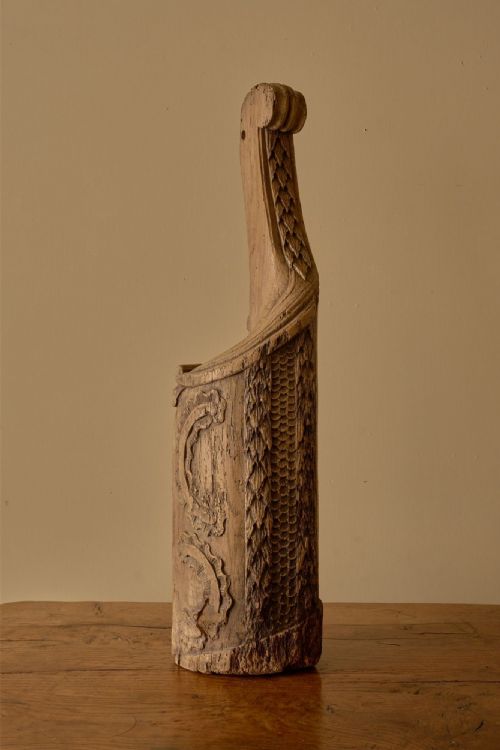
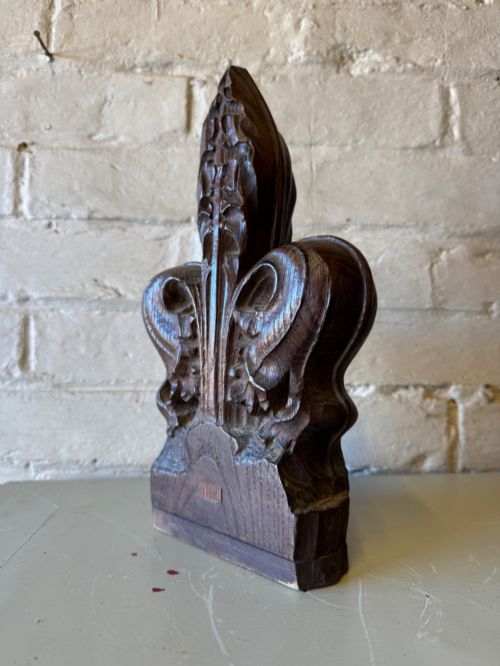
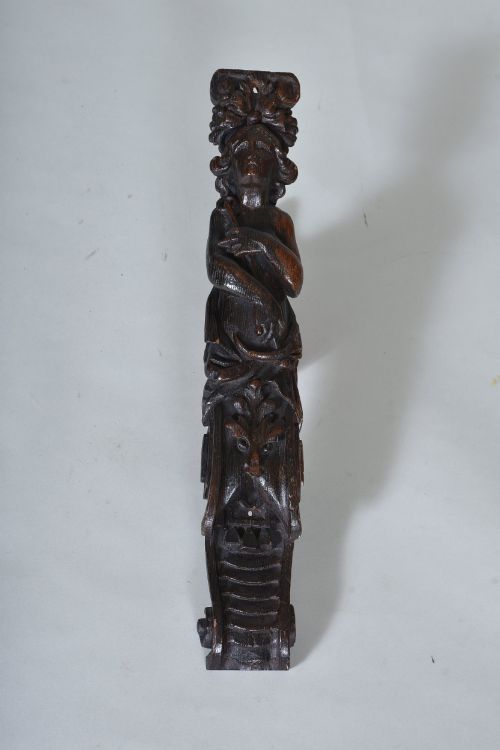
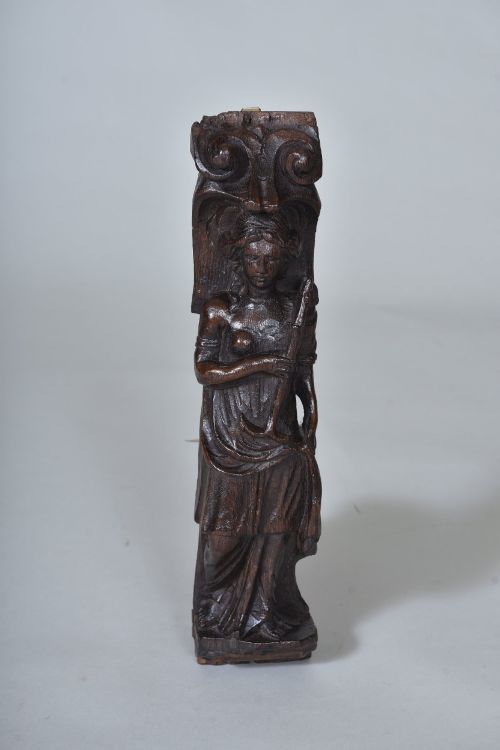





Antique Wood Element
An antique wood element brings centuries of craftsmanship into a room, offering carved fragments, architectural salvage, and sculptural objects with genuine history.
Antique Wood Element
An antique wood element encompasses architectural salvage, carvings, and fragments originating from periods spanning the sixteenth century through the early twentieth century.
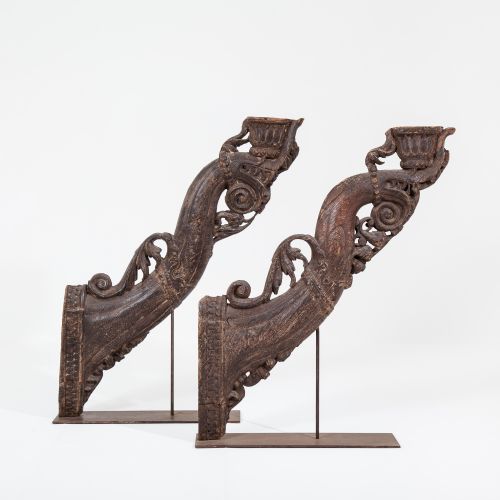
Buyers most frequently encounter oak and walnut carvings, ranging from eighteenth-century ceiling bosses and brackets to seventeenth-century architectural ornaments.
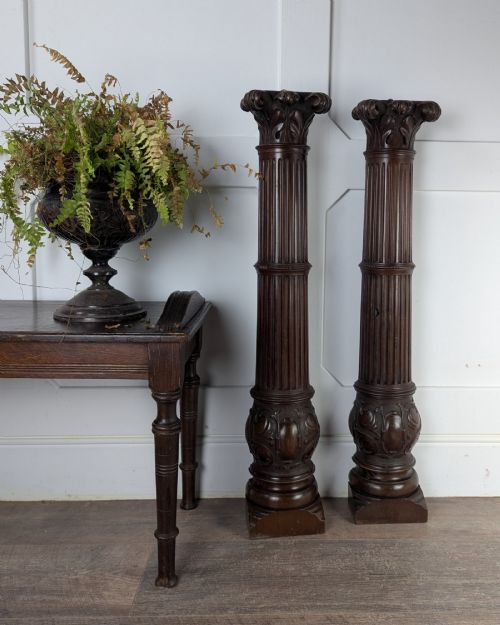
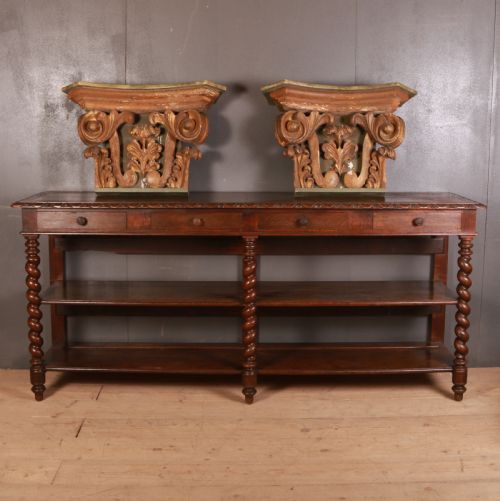
Objects include columns, capitals, panels, and figures sourced from European, Indian, and Burmese buildings and furniture.
How they were made
Items are carved by hand from solid hardwoods such as oak, walnut, mahogany, and teak, often utilising traditional joinery and chisel work.
Surface finishes include applied gesso, gold leaf, silver leaf, and polychrome paint, preserving the texture of the original timber.
Listings feature oak, walnut, and teak woods spanning the sixteenth to the twentieth centuries, alongside iron, gesso, and gold leaf.
What varies in quality
Depth of carving and sharpness of detail distinguish master craftsmanship from simpler vernacular work.
The integrity of the original surface, whether aged raw timber or historic gilding, dictates the visual presence of the piece.
Luigi Frullini
The Antique Wood Element Glossary
- Architectural salvage
- Building components rescued from demolition or alteration for decorative reuse. These pieces retain the material history of older structures.
- Ceiling boss
- A decorative projecting block placed at the intersection of ribbed vaulting or ceilings. They are frequently carved with floral or figurative motifs.
- Gilding
- The application of gold leaf or silver leaf to a wooden surface. This technique creates a reflective, decorative finish on architectural elements.
Antique Wood Element: Frequently Asked Questions
What is an antique wood element?
An antique wood element is a surviving fragment or feature from an older building, structure, or piece of furniture. These items range from carved columns and brackets to architectural panels and figural sculptures.
They represent historical craftsmanship and are collected for display as standalone sculptures or integrated into interior design schemes.
How were these architectural elements used?
Originally, these pieces served structural and decorative roles in European and Asian buildings, temples, and grand interiors. They functioned as capitals, ceiling bosses, pediments, and newel posts.
Today, buyers repurpose them as wall art, mantel decorations, or sculptural focal points within modern rooms.
How do I identify the period?
Dating relies on the style of the carving, such as Gothic Revival, Italian Baroque, or Jacobean, combined with the choice of timber. Oak and walnut predominate in earlier European pieces, while later items may show regional styles from India or Burma.
Tool marks and surface patination also provide clues to the age and origin of the wood.
How should I live with wooden salvage?
Wooden salvage adapts well to diverse interior settings, whether mounted directly to a wall or displayed on a stand. Keeping pieces away from direct heat sources protects the dry timber and historic finishes.
Regular dusting with a dry cloth maintains the surface without disturbing the aged patina.