


Antique Wood Easel
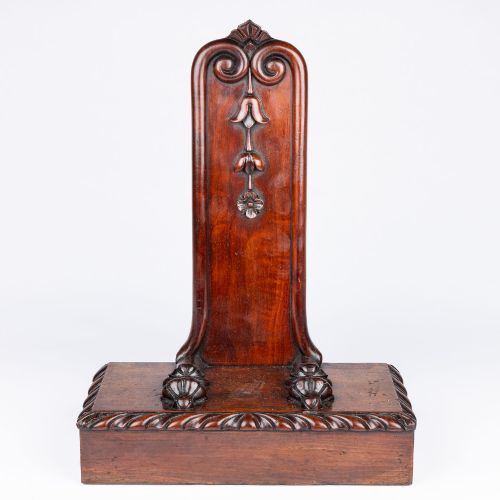
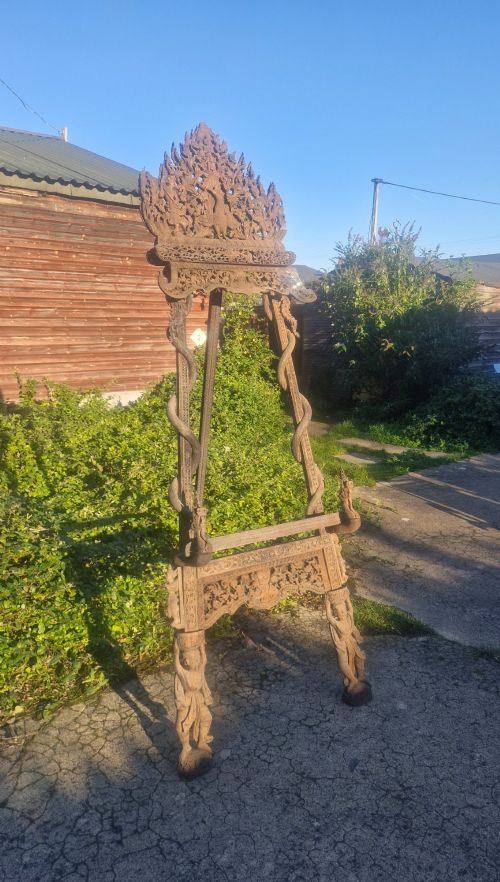
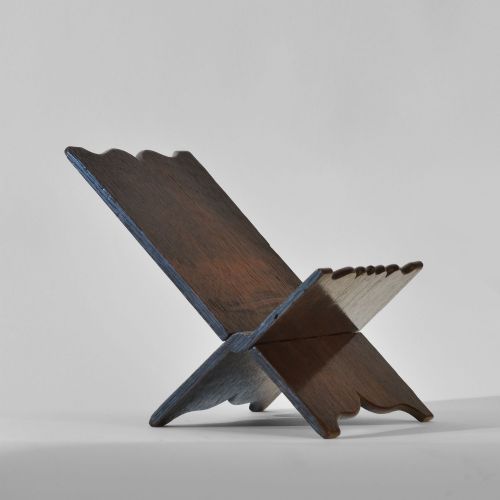
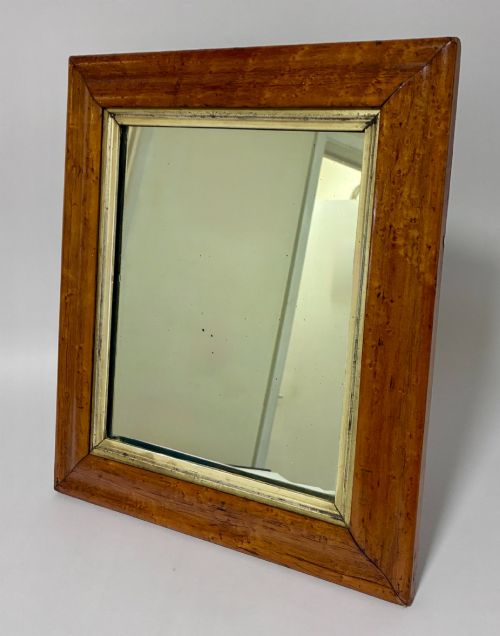
An antique wood easel holds paintings, books or mirrors with a sturdy grace shaped by Georgian, Victorian and later hands.
Antique Wood Easel
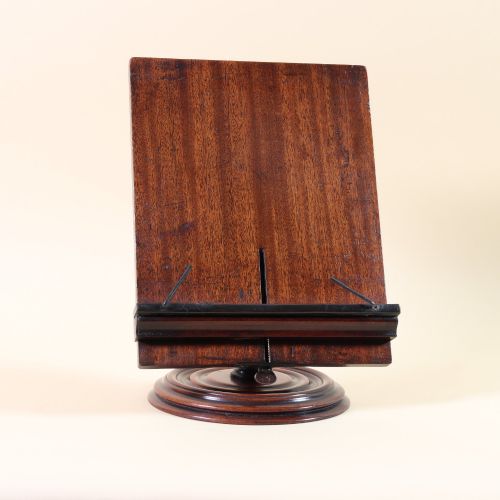
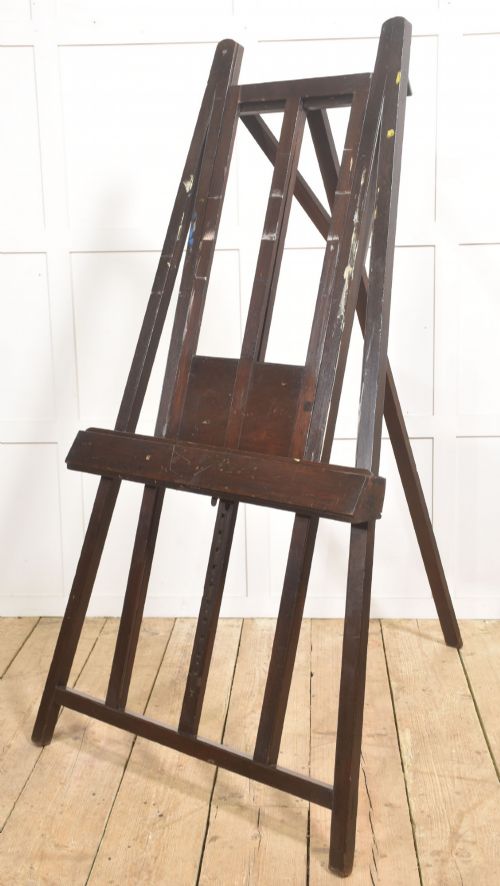
An antique wood easel serves practical studio work or elegant display, spanning large floor-standing studio models and compact tabletop versions. When you search for an antique wood easel, you encounter forms that merge utility with cabinet-maker artistry.
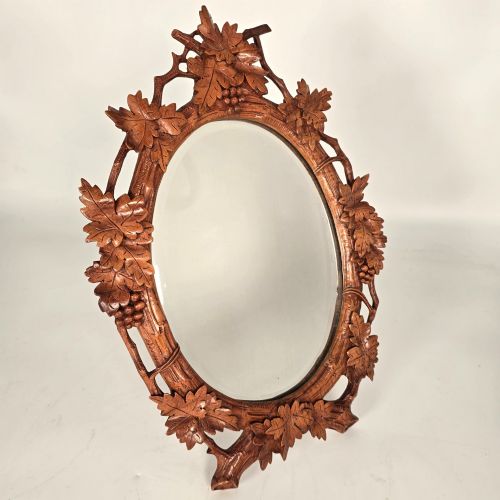
The selections here range from hefty 19th-century artist studio pieces to delicate French oak tabletop items and Black Forest carved variants. These objects fulfil roles as diverse as holding massive canvases, music scores, heavy books or decorative mirrors.
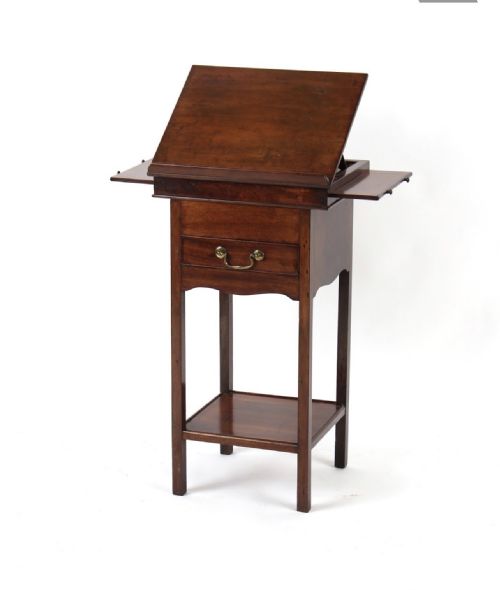
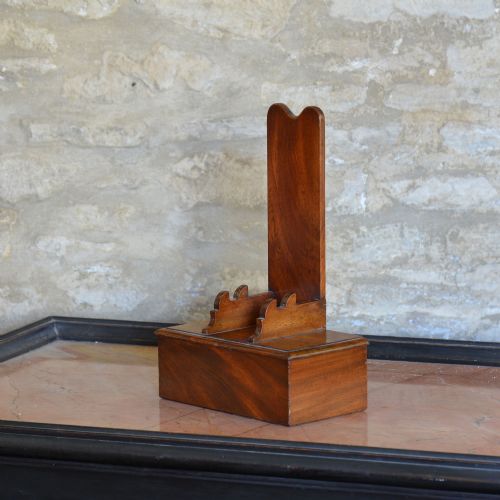
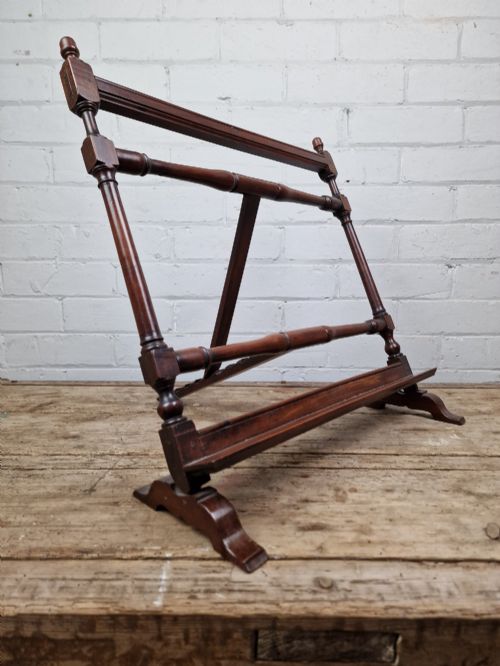
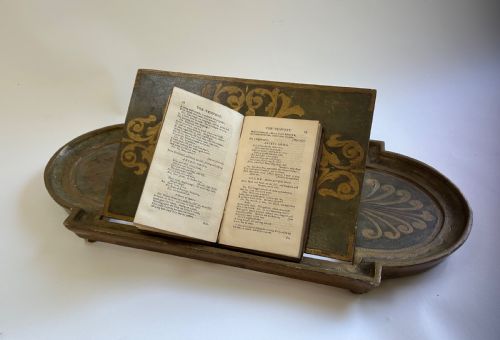
Many items blur the line between easel, reading stand, music stand and display rack. Mahogany, oak and rosewood dominate the structural forms, often augmented by adjustable mechanisms or elaborate carvings.
Materials and construction
Makers utilised dense timbers such as mahogany, oak and rosewood to ensure structural integrity for heavy canvases and volumes. Gesso and gold leaf frequently highlight decorative elements on frames and mirrors.
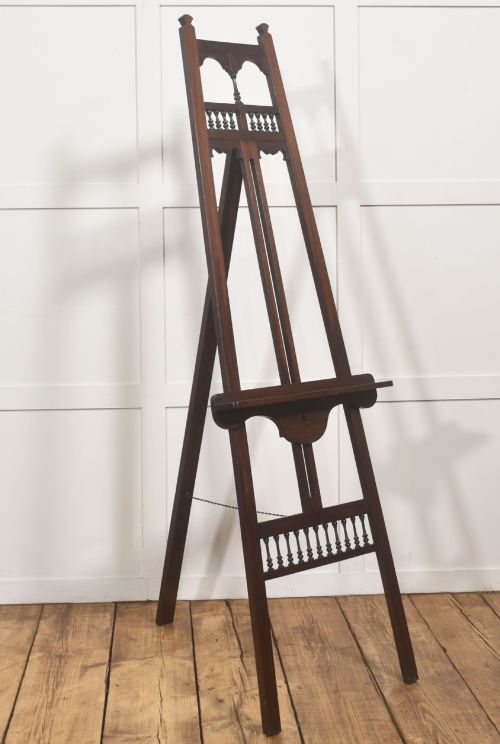
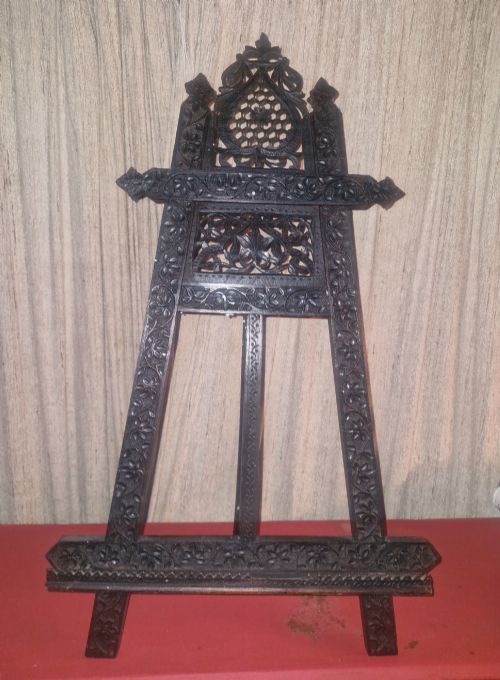
Brass fittings and metal adjustments provide mechanical utility on studio models, allowing artists to raise or tilt work surfaces with ease. Hand-carving defines specific regional styles, from Swiss lime wood foliage to Black Forest animal motifs.
Antique Wood Easel Retail Price Guide 2026
Typical asking prices for wood easel among the pieces listed under this phrase on Sellingantiques today, from the lower quarter to the upper quarter. They describe what is for sale here now, not the wider market.
Swans make surprising appearances supporting the framework of 19th-century reading stands.
Markers of distinction
Superior pieces display thoughtful integration of mechanical adjustments that move smoothly without slipping. The crispness of hand-carving distinguishes bespoke workshop output from simpler production work.
Timber selection dictates overall resonance, with rich rosewood veneers and well-figured mahogany commanding attention. Original hardware, intact gilded surfaces and stable joins preserve the integrity of the piece.
The Antique Wood Easel Glossary
- Easel
- A freestanding framework used to hold an artist's canvas or display a finished picture. These objects range from massive studio pieces to delicate tabletop accessories.
- Aesthetic Movement
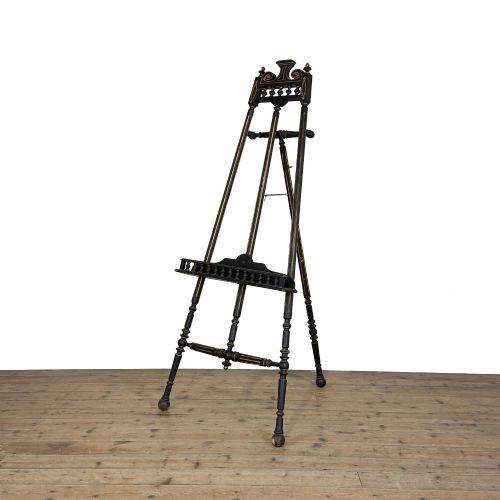
- A late 19th-century style emphasising visual beauty over narrative subject matter. Ebonised finishes and stark, elegant lines often characterise pieces from this design phase.
- Black Forest
- A term describing intricately carved wooden items originating from central Europe, typically featuring naturalistic animal or foliage motifs. Lime wood was frequently utilised for these detailed sculptures.
- Lyre-form
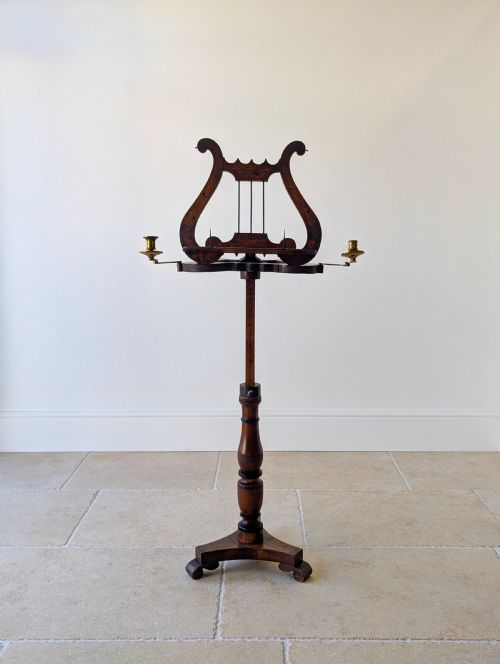
- A decorative shape resembling an ancient Greek lyre, commonly seen in the stems of music stands and reading desks. This classical motif gained prominence during the Regency and William IV periods.
- Gesso
- A plaster-like mixture applied to wood surfaces as a base for painting or gilding. Skilled application creates a smooth ground for subsequent gold leaf decoration.
Antique Wood Easel: Frequently Asked Questions
What is an antique wood easel used for?
These pieces originally served artists in studios, architects drafting plans, or readers supporting heavy folios and music scores. Today they function equally well for displaying paintings, mirrors or open books in a domestic setting.
Their robust timber construction allows them to bear significant weight safely while adding architectural interest to a room.
How do I date an antique wood easel?
Dating relies on timber choices, construction methods, and stylistic cues such as Regency lyre motifs or Victorian ebonising. Hardware, screw types and the presence of hand-tool marks provide further clues to the era of manufacture.
Comparing the object's form with documented examples from Georgian, Victorian or early 20th-century workshops narrows the timeline.
Are all antique easels fully adjustable?
Studio easels and certain music stands often incorporate brass ratchets, pegs or sliding mechanisms to alter height and angle. Smaller tabletop pieces and display stands were frequently fixed in position because they held lighter, standardised items.
Examining the mechanics reveals whether the adjustments are original to the piece or later replacements.
Can I use an antique easel for daily painting?
Sturdy 19th-century studio models built from mahogany or oak easily accommodate active painting work and heavy canvases. Lighter decorative or tabletop examples suit display purposes better than rigorous studio employment.
Assessing the stability of the joints and the condition of the height-adjusting pegs ensures safe use for artwork.