

Antique Wood Daybed
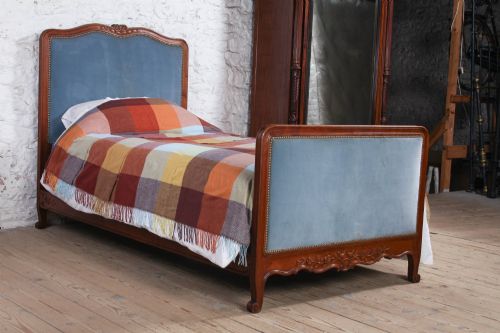
An antique wood daybed offers reclining comfort in mahogany, walnut, rosewood, and cane, spanning Victorian, Regency, and Qing Dynasty origins.
Antique Wood Daybed
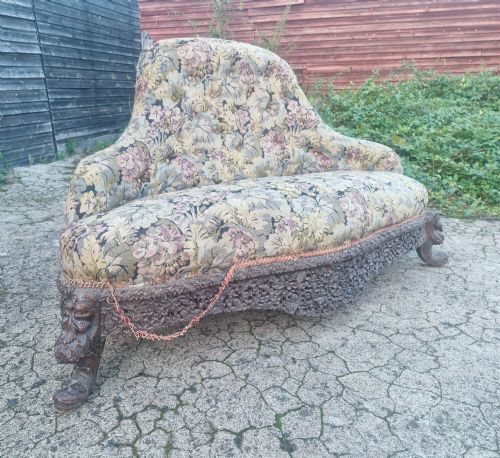
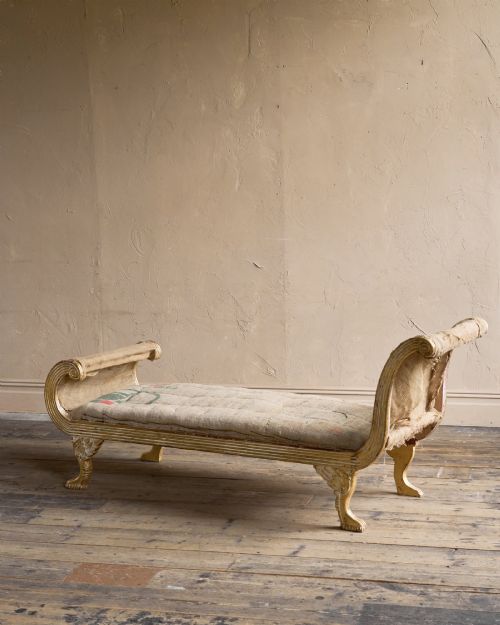
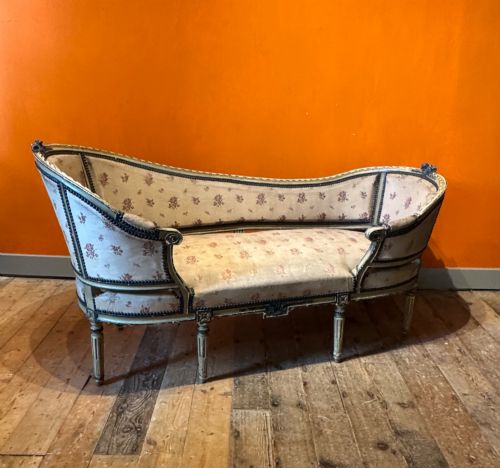
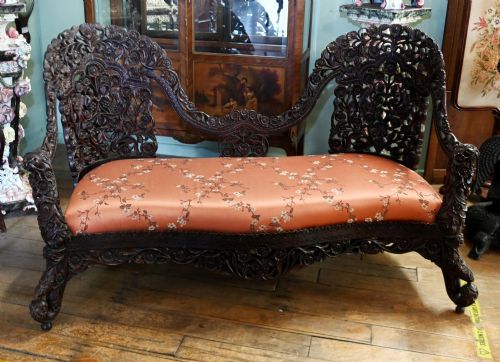
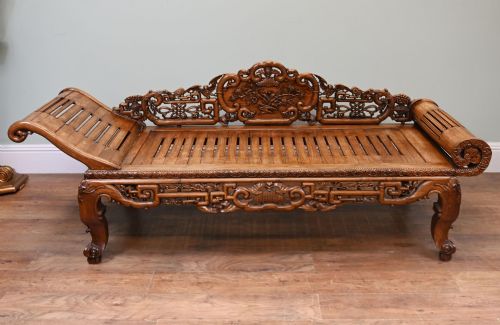
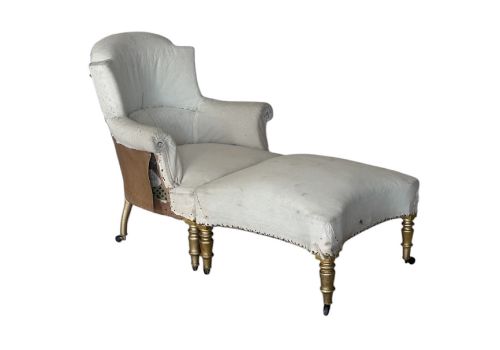
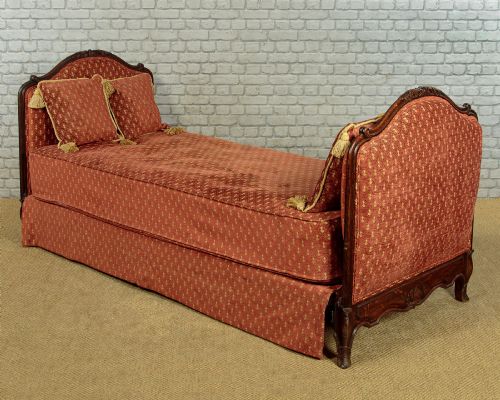
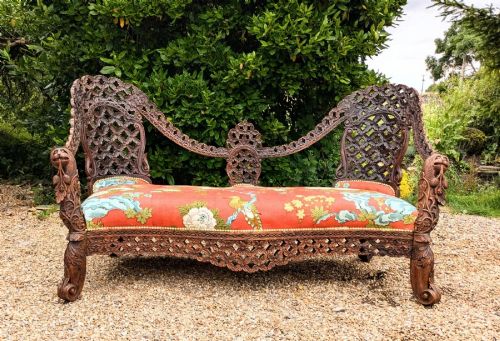
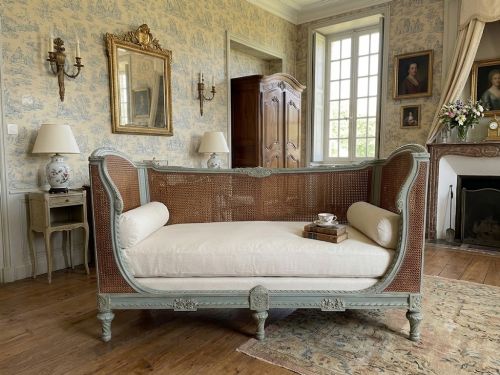
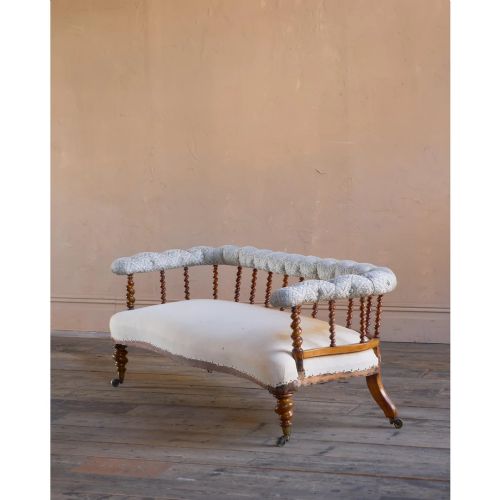
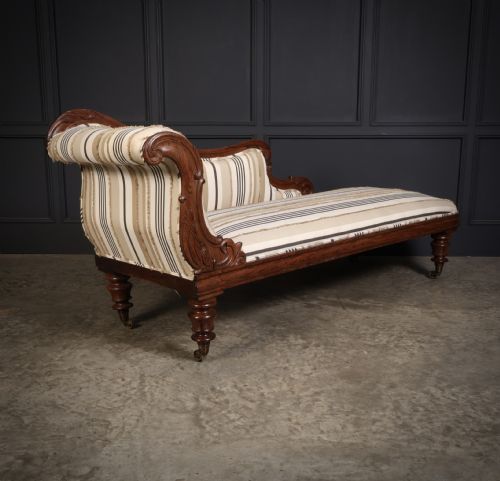
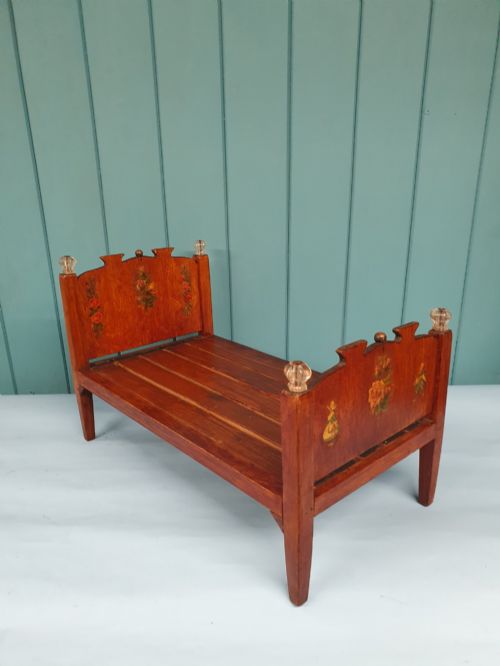
An antique wood daybed encompasses diverse forms designed for daytime rest, including chaise longues, duchesse brisées, opiate benches, and canapés. Buyers searching this phrase meet pieces shaped by regional traditions ranging from British Victorian workshops to Qing Dynasty China and Anglo-Indian centres.
The selection on this page leans heavily toward nineteenth-century examples, alongside eighteenth-century pieces and early twentieth-century interpretations. Frames vary from solid mahogany and rosewood to painted cane and ebonised wood.
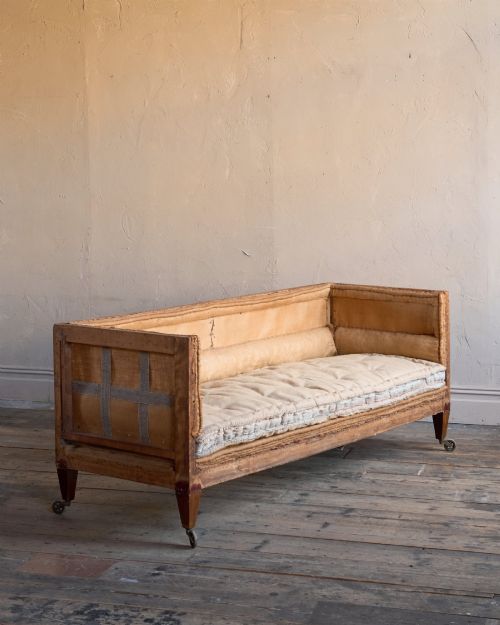
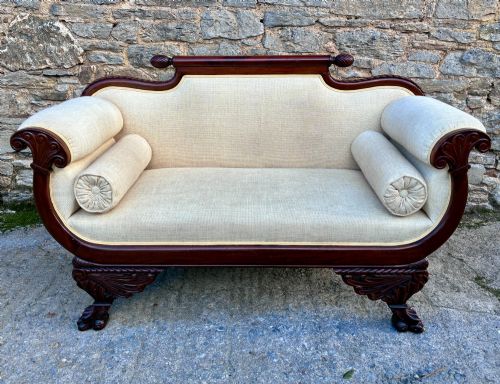
Forms cross over with related seating such as settees, salon sofas, and long stools, reflecting how makers adapted daybeds for varied domestic spaces over centuries.
Distinctions in quality
Quality separates pieces through the crispness of hand-carved ornamentation, such as the depth of relief on Qing Dynasty benches or Victorian mahogany frames. Timber selection dictates longevity, with straight-grained Rio rosewood and figured walnut marking the upper tier of execution.
The integrity of integrated cane panels and the cohesion of original or sympathetic upholstery define the finish of a piece. Proportions and the retention of original timber patination distinguish master cabinetmaker output from provincial regional items.
Antique Wood Daybed Retail Price Guide 2026
Typical asking prices for wood daybed among the pieces listed under this phrase on Sellingantiques today, from the lower quarter to the upper quarter. They describe what is for sale here now, not the wider market.
Listings feature daybeds constructed from hardwoods including mahogany, walnut, rosewood, teak, and ebonised wood, alongside cane and fabric elements.
Holland & Sons·C. Hindley & Sons
The Antique Wood Daybed Glossary
- Chaise longue
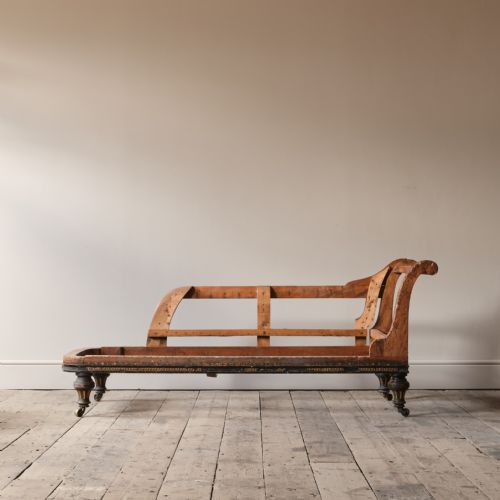
- An elongated chair for reclining, combining the function of a chair and a sofa. Nineteenth-century examples often feature a single scrolled armrest and an upholstered backrest.
- Canapé
- A decorative French-style sofa with an exposed wooden frame and upholstered seat and back. Louis XVI and provincial variants commonly incorporate painted finishes and cane panels.
- Caning
- A woven lattice material made from rattan, utilised for seats and backs in pieces such as Anglo-Indian daybeds and ebonised stools. It provides lightweight flexibility and ventilation.
- Ebonised
- Wood treated with a dark stain or chemical process to imitate ebony. This finish was widely applied to nineteenth-century frames for dramatic contrast.
- Duchesse brisée
- A multi-part reclining chair consisting of an armchair and a stool, or two chairs joined by a low stool. It forms a continuous surface for resting the legs.
Antique Wood Daybed: Frequently Asked Questions
What is an antique wood daybed used for?
These pieces function primarily as day seating, lounging furniture, or decorative statement items within a principal room or study. Historically, forms like the Chinese opium bench or European chaise longue provided versatile spaces for resting without retiring to a full bed.
Today, they integrate into modern interiors as alternative sofas or reading perches. Their varied lengths and open backs allow them to anchor a room without blocking light or sightlines.
How do I identify the period of a daybed?
Dating relies on combining the timber species, joinery methods, and stylistic motifs present in the frame. Regency and William IV pieces often display rosewood with classical scroll ends, while Victorian versions favour heavier carved mahogany and walnut.
Asian pieces, such as Qing Dynasty hardwood benches, utilise traditional joinery and native timbers like huali. Comparing the carved details against documented regional furniture helps narrow the manufacturing decade.
How do I care for antique wood and cane?
Wood surfaces benefit from occasional cleaning with a soft cloth and application of appropriate wax to maintain the natural timber patina. Avoiding direct sunlight and extreme temperature shifts prevents the wood from splitting or warping.
Cane panels require gentle dusting and occasional light moisture to prevent the rattan fibres from becoming brittle. Keeping humidity levels stable in the room preserves both the frame and the woven elements.