
Antique Wood Chairs
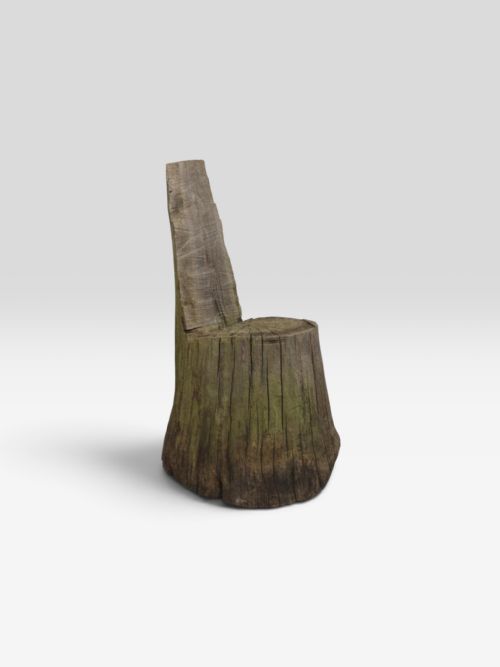
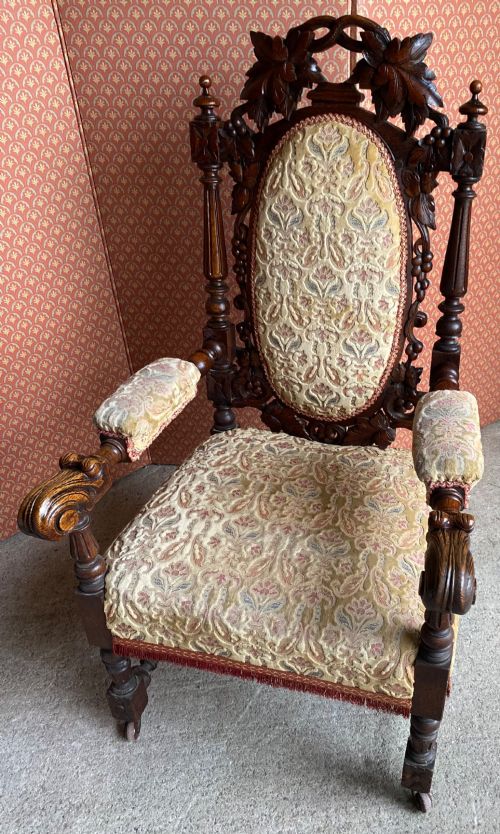
Antique wood chairs encompass a rich variety of seating forms from past centuries, offering both historical character and enduring function for contemporary interiors.
Antique Wood Chairs
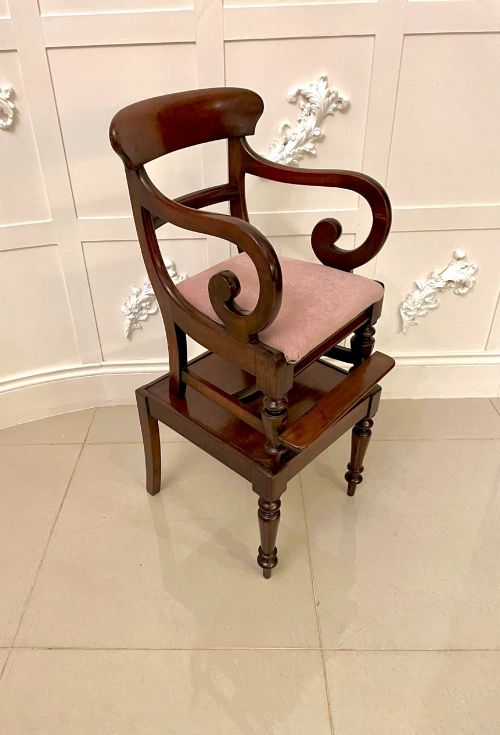
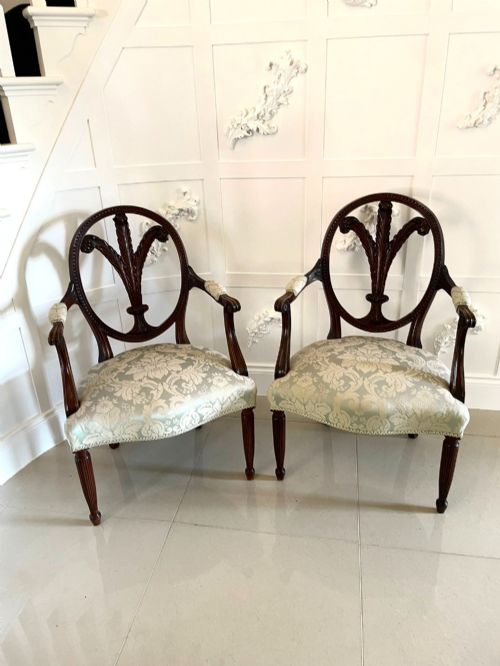
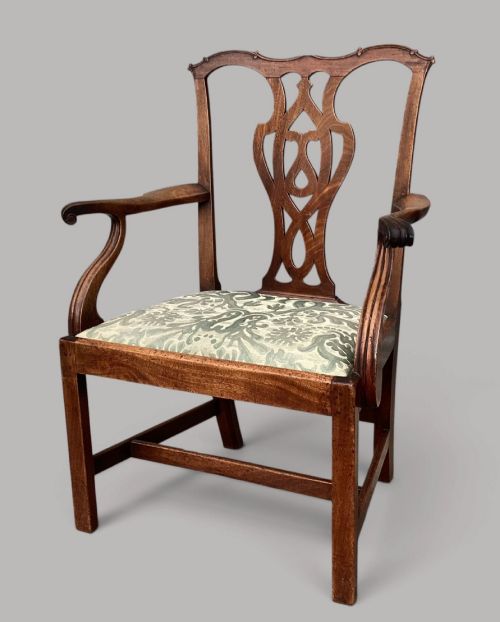
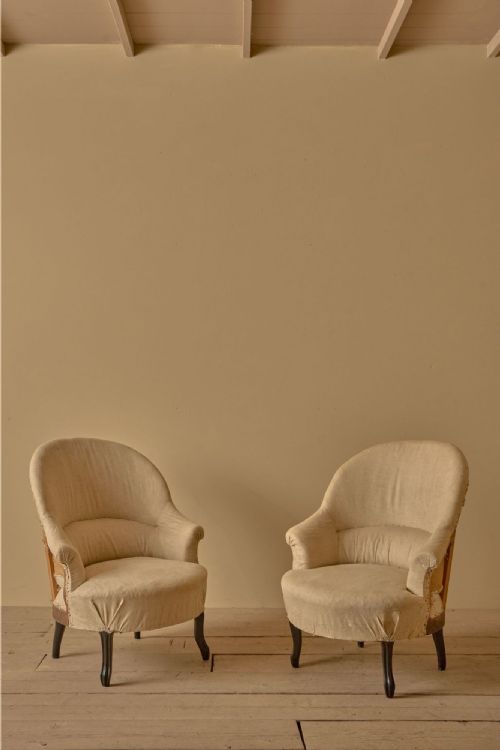
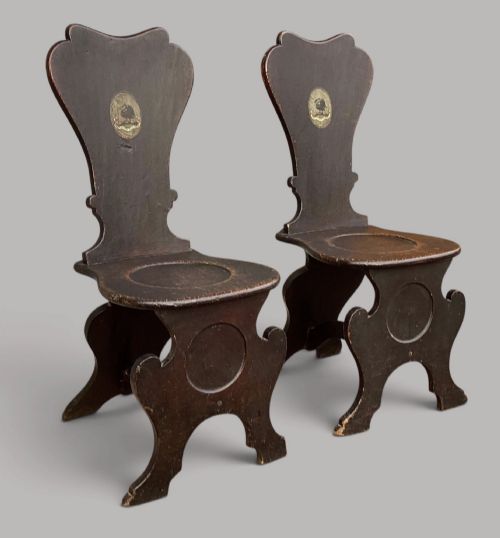
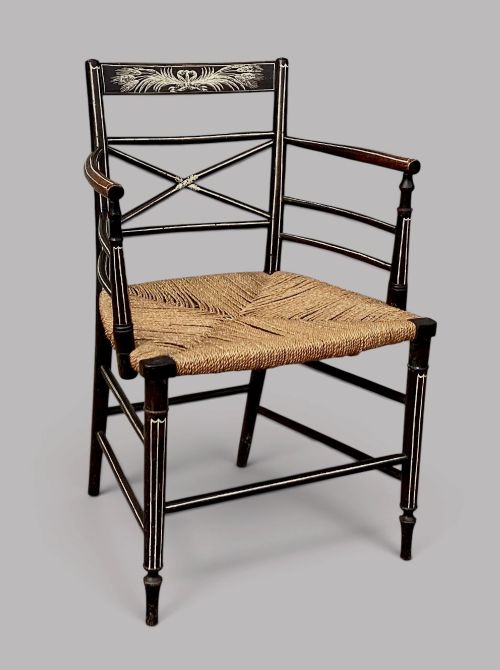
When browsing antique wood chairs, buyers encounter a diverse selection ranging from formal dining sets and library armchairs to rustic country Windsors. The offerings span several centuries, with prominent examples originating from Georgian, Regency, Victorian, and Edwardian periods.
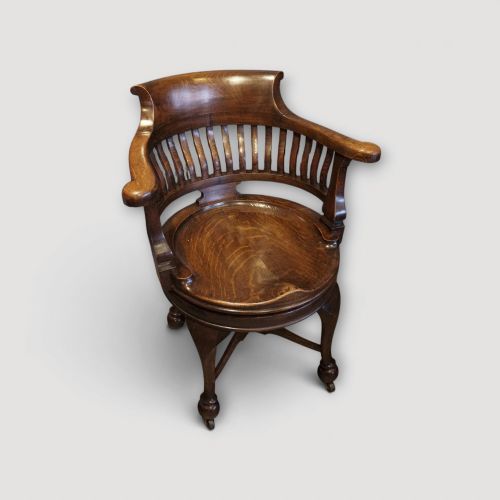
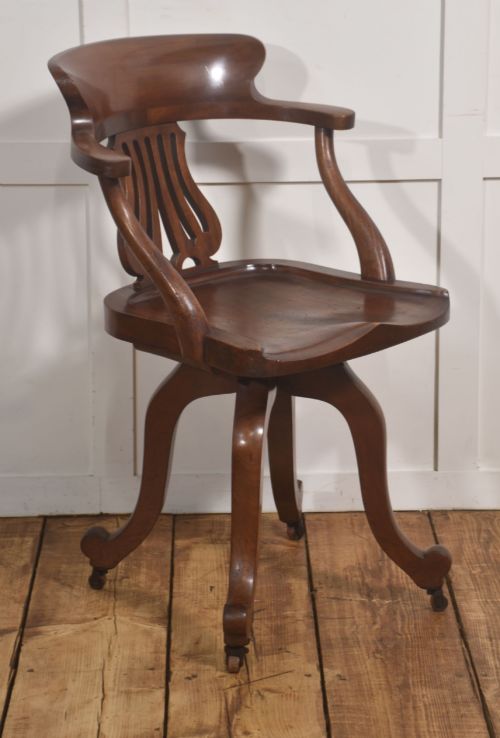
Dining chairs, side chairs, and various armchairs dominate the selections, alongside specialised pieces like music chairs, desk chairs, and corner chairs. These pieces reflect the domestic habits and craftsmanship of their respective eras, utilising regional timbers suited to each specific seating form.
Materials and Construction Techniques
Cabinetmakers and country joiners relied heavily on native hardwoods such as mahogany, oak, elm, ash, and beech, often pairing different woods within a single frame for structural integrity. Elm and ash frequently appear in country Windsor framing due to their resilience and flexibility, while mahogany and rosewood served formal urban furniture.
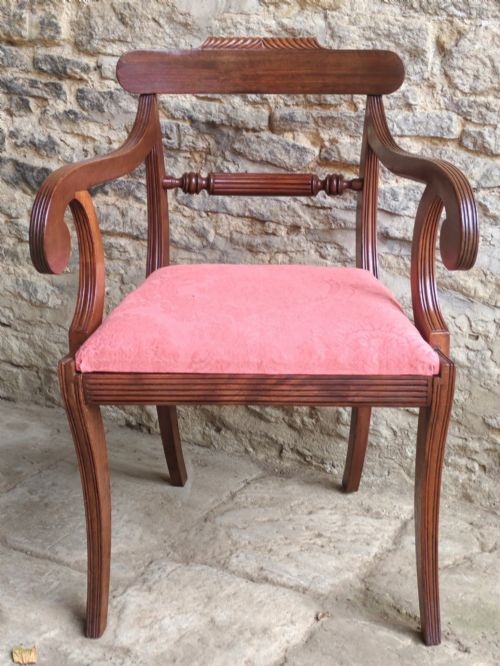
Traditional joinery techniques governed the construction, utilising mortise and tenon joints, dovetailing, and steam-bending for curved components like Windsor backs. Bobbin turning, carving, and inlay work provided decorative detail without compromising the underlying framework.
Some musicians required bespoke seating, resulting in revolving harpist and cello chairs with adjustable heights.
Standards of Execution and Preservation
The standard of a piece depends on the crispness of its hand-carved details, the selection of figured timber veneers, and the integrity of the original joinery. Finer examples retain their structural rigidity without excessive modern reinforcement, displaying harmonious proportions and balanced grain patterns across the wood.
Original surface finishes, whether polished mahogany or early painted layers, significantly influence the integrity of a piece. Preservation of primary timber components without extensive timber replacement distinguishes superior specimens from heavily restored alternatives.
Gillows·Jacob and Josef Kohn
The Antique Wood Chairs Glossary
- Windsor
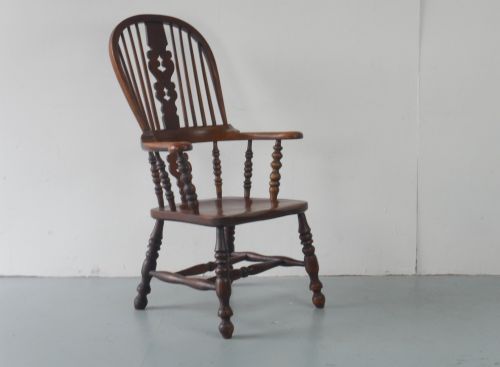
- A traditional wooden chair featuring a saddle-shaped wooden seat into which the legs and back spindles are wedged directly. These country pieces often combine ash, elm, and beech components.
- Carver
- An armchair, particularly one designed to match a set of smaller side dining chairs at the head of a table. They frequently incorporate scrolled arms and sturdy cabriole or straight legs.
- Giltwood
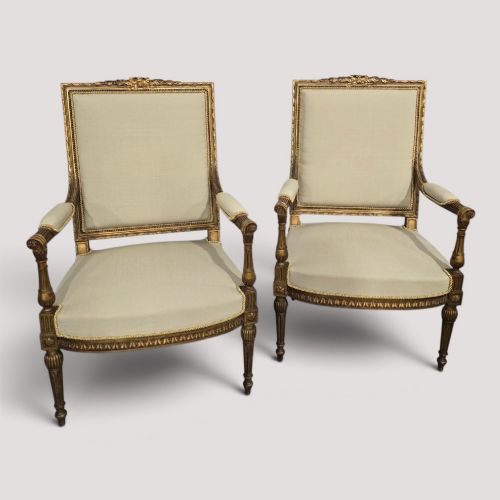
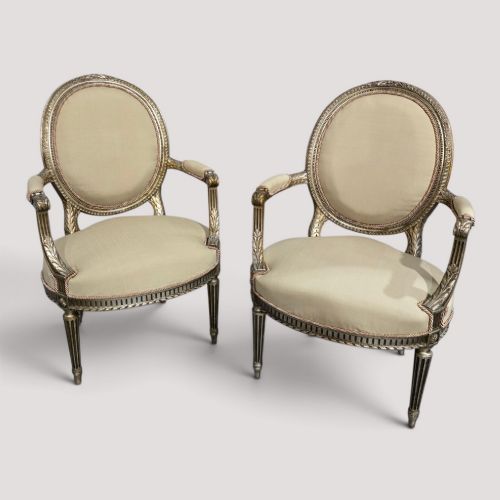
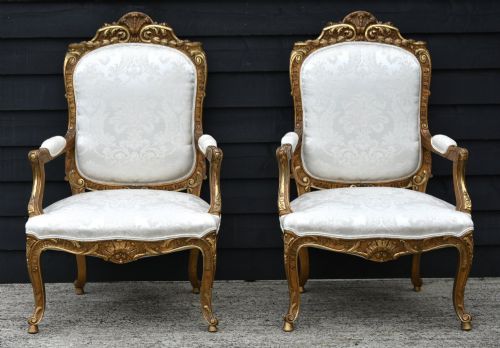
- Timber that has been coated with a thin layer of gold leaf or gilt powder for decorative effect. This finish appears frequently on formal French salon suites and revival armchairs.
- Bobbin
- A turned furniture leg or stretcher shaped to resemble a string of spools or bobbins. This decorative turning technique is common on 17th-century and 19th-century revival seating.
Antique Wood Chairs: Frequently Asked Questions
What is a Windsor chair?
A Windsor chair is a distinct type of wooden seating constructed with a solid sculpted seat base where turned legs and vertical back spindles are inserted. They emerged from country workshops and often combine multiple timbers like elm, ash, and yew.
These chairs gained popularity for their robust construction and comfort. They suit rustic kitchen settings as well as eclectic modern living spaces.
How do I date an antique wooden chair?
Dating relies on examining the timber species, construction methods, tool marks, and stylistic motifs associated with particular periods like Georgian or Victorian. Secondary woods used underneath the seat often provide clues to the region and era of production.
Changes in screw types, glue composition, and upholstery webbing also assist in establishing a timeline. Comparing decorative carvings against documented period patterns confirms the approximate decade.
Are dining chairs sold as sets?
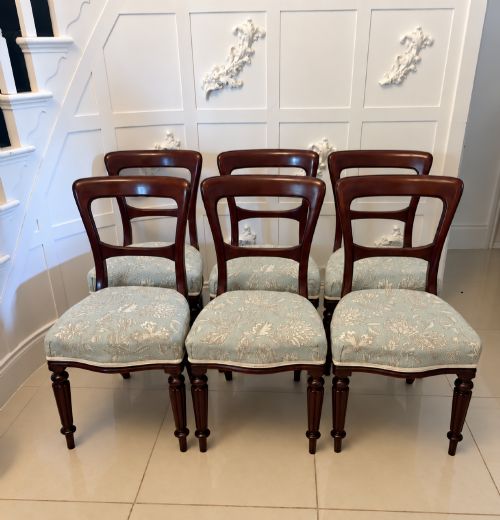
Many dining chairs appear as matched sets of four, six, or eight, preserved together from past centuries. Sets often include a pair of matching armchairs alongside the smaller side chairs.
Assembling a large matching set from separate finds can prove challenging due to minor variations in timber ageing and hand-carved details. True sets originating from a single household command distinct collector interest.
How should I care for antique wood chairs?
Maintenance involves keeping wooden frames away from direct heat sources and dramatic humidity fluctuations to prevent timber splitting. Regular dusting with a soft dry cloth preserves the patina without stripping historic finishes.
Avoiding silicone-based polishes ensures the original wax or French polish remains intact. Periodically checking leg joints ensures structural stability during everyday domestic use.