
Antique Wood Blanket Box
An antique wood blanket box is a practical domestic chest built to store textiles, combining robust construction with centuries of regional design.
Antique Wood Blanket Box
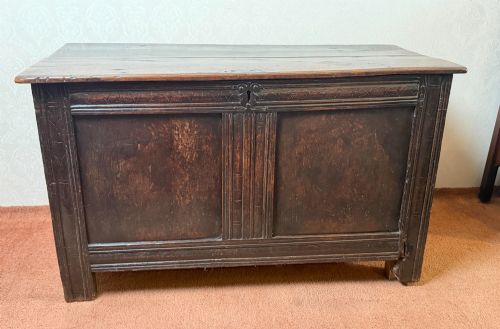
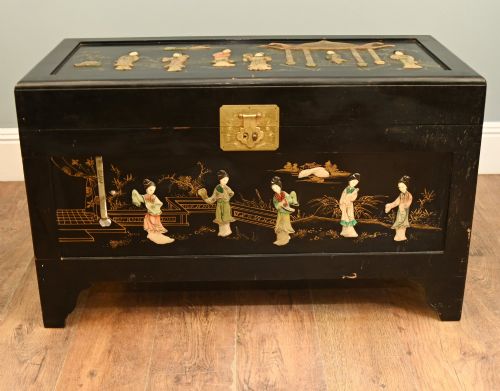
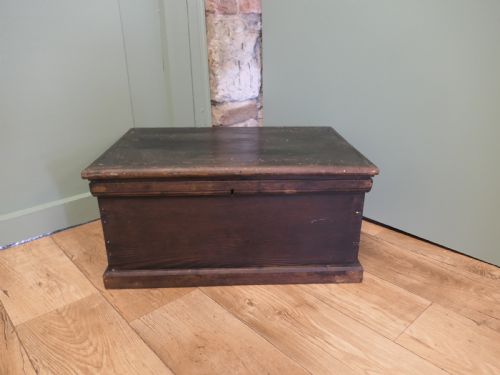
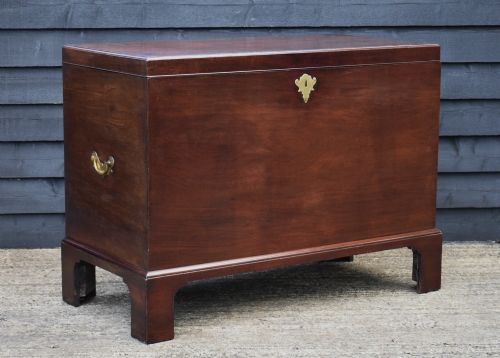
When searching for an antique wood blanket box, buyers encounter an array of heavy storage chests, coffers and military trunks spanning multiple centuries. The selection ranges from early 17th century joined oak coffers to 19th century campaign trunks built from camphor wood and teak.
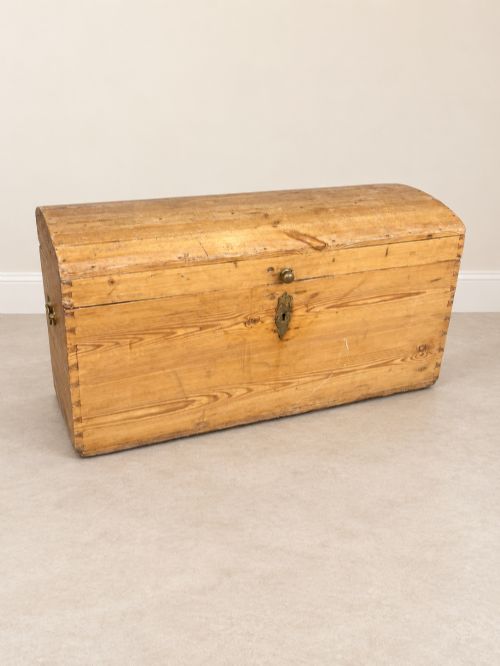
Domestic pieces often appear in regional British timbers like oak and elm, alongside exotic hardwoods brought back from trade routes. These items served functional roles in households, holding linens, blankets and personal valuables before modern wardrobes became common.
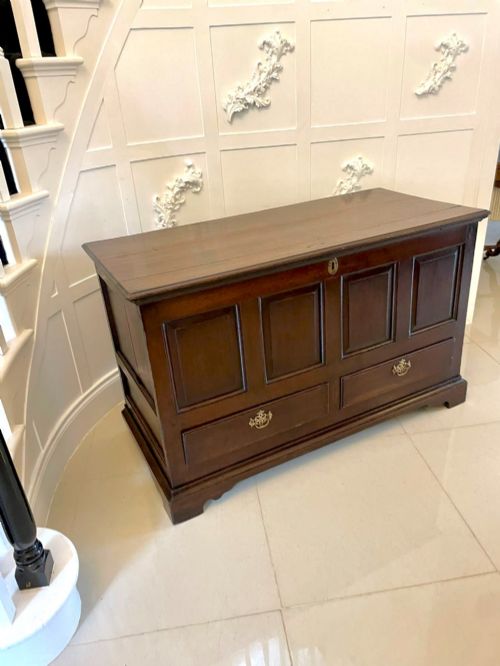
Many examples reflect specific historical eras, including Jacobean panelled designs, Georgian storage chests and Victorian campaign boxes fitted with brass hardware. Each form reveals the prevailing utility and aesthetic of its period of origin.
Materials and Construction
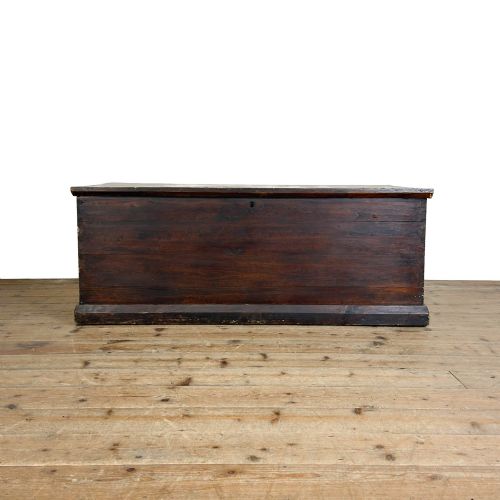
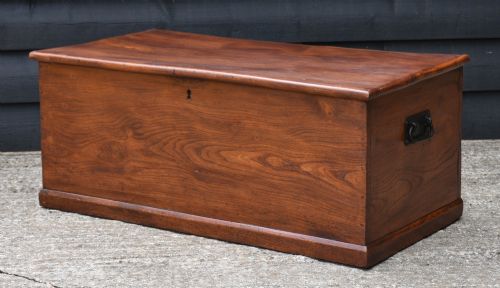
Joinery methods define these pieces, utilising traditional pegged mortise and tenon joints in early oak coffers and six-plank construction in simpler elm examples. Timber selection was dictated by utility, with native oak and elm providing domestic durability, while camphor wood and teak were chosen for travel resistance.
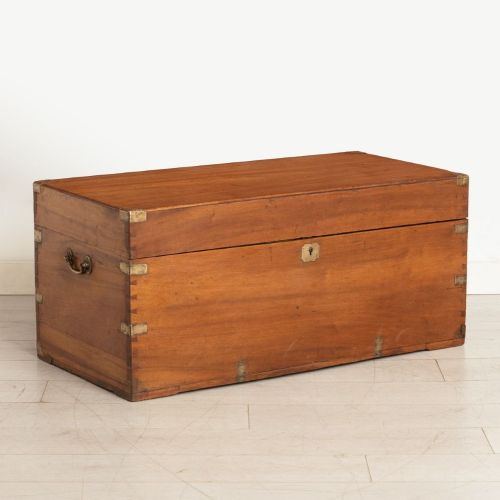
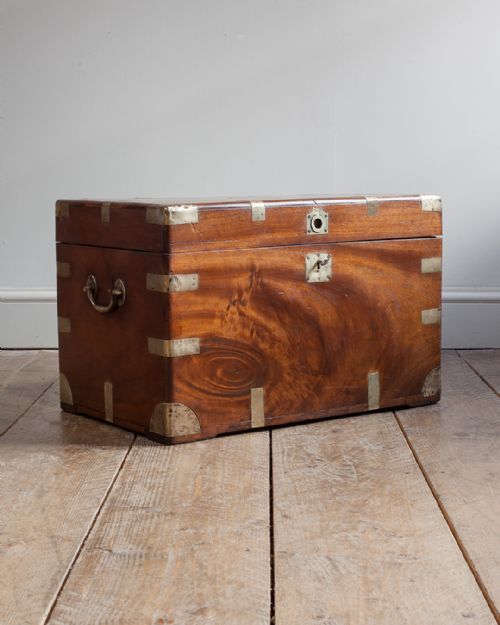
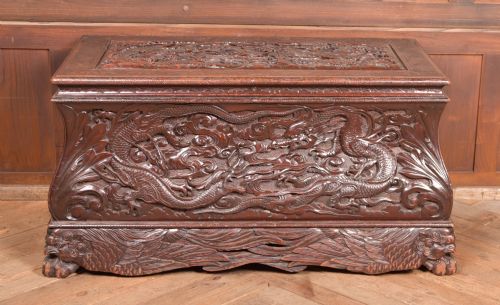
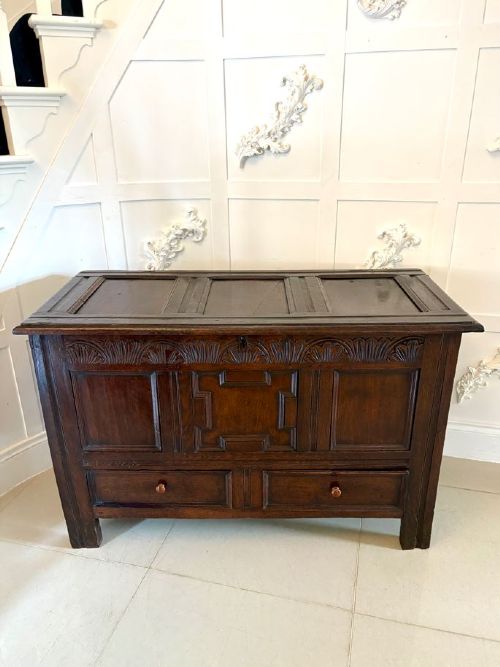
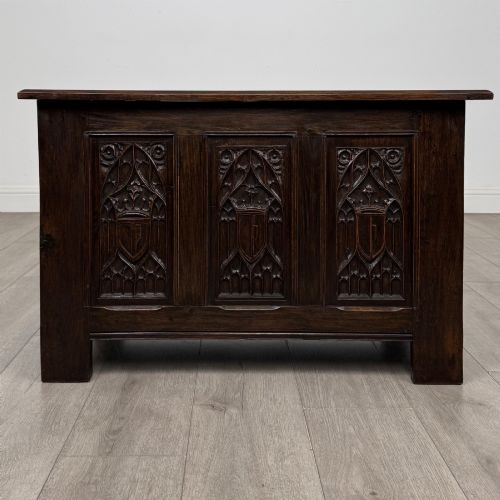
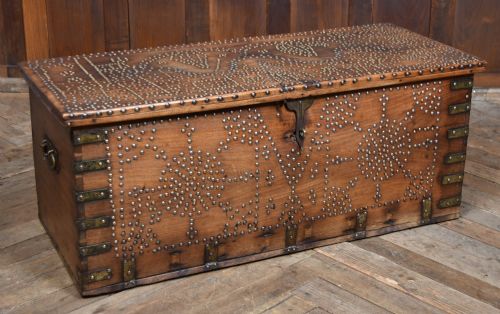
Metal reinforcement is common, particularly on campaign trunks and strong boxes where brass corners, iron straps and bound edges protected the wood during transport. Surface finishes vary from waxed patinas on hardwoods to carved ornamentation on dark oak panels.
Periods represented across the inventory include the 17th century, Georgian era, Victorian period and early 20th century.
Build and Integrity
The standard of a box rests in the integrity of its timber and the retention of its original structural components, including hinges, locks and brackets. Early carved oak coffers depend on crispness of the chisel work and the stability of the panelled assembly.
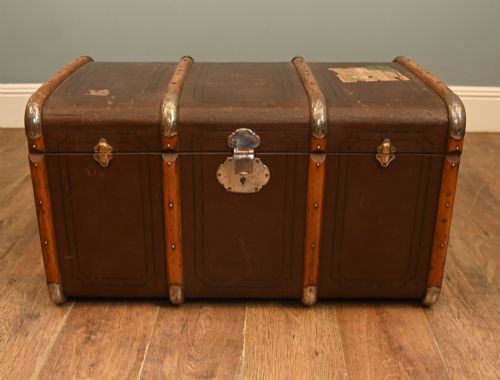
Campaign and travel trunks show quality in the weight of their brass mounts, the soundness of the dovetailed or bound joints, and whether interior compartments remain intact. Pieces retaining an unblemished surface patina command greater interest from collectors.
The Antique Wood Blanket Box Glossary
- Coffer
- A heavy wooden chest traditionally used for storing valuables, linens or documents. They often feature robust joined construction and flat lids suitable for occasional seating.
- Campaign trunk
- A portable chest designed for military officers or travellers, typically constructed from camphor wood or teak with brass corners and recessed carrying handles.
- Six-plank coffer
- A primitive form of chest constructed from six distinct boards joined directly at the edges with pegs or nails. This method represents some of the earliest domestic chest carpentry.
- Mule chest
- A storage chest featuring one or two drawers beneath the main compartment. This form emerged in the 18th century as an evolution of the traditional blanket box.
- Padouk
- A dense tropical hardwood prized for its rich reddish colour and durability. It frequently appears in 19th-century colonial and maritime storage pieces.
Antique Wood Blanket Box: Frequently Asked Questions
How were campaign chests used?
Campaign chests and trunks served military officers and travellers who required durable luggage for transport across long distances. They were built with protective brass corners and recessed handles to withstand rough handling.
The choice of camphor wood also served a practical purpose, as the natural scent deterred insects from damaging stored uniforms and blankets.
How do I date an oak coffer?
Dating an oak coffer involves examining the construction methods, such as the use of pegged mortise and tenon joints in earlier centuries versus machine-cut elements later on. Early examples often display hand-carved panels typical of the 17th or 18th centuries.
Hardware like hinges and locks also provides clues, as forged iron gives way to brass mechanisms in subsequent periods.
Where should I place a blanket box at home?
A blanket box functions well at the foot of a bed, serving as both storage for spare bedding and a seating bench. Their flat lids and sturdy wooden construction also suit placement in hallways or living spaces.
Placing them away from direct heat sources helps protect the historical timber and maintain the natural wax or oil finish of the wood.