



Antique Wood Animal
When you search for antique wood animal pieces, you uncover carved bears, deer, and dogs shaped by hands across centuries.
Antique Wood Animal
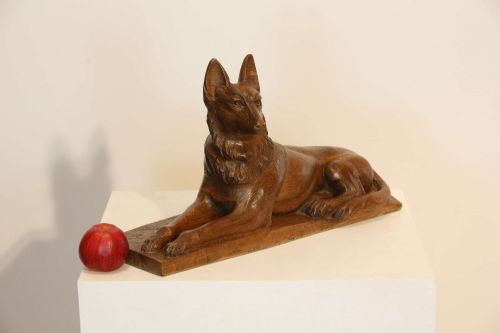
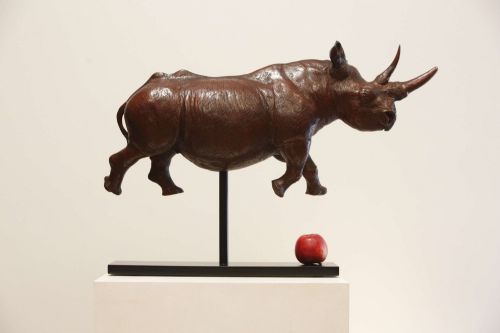
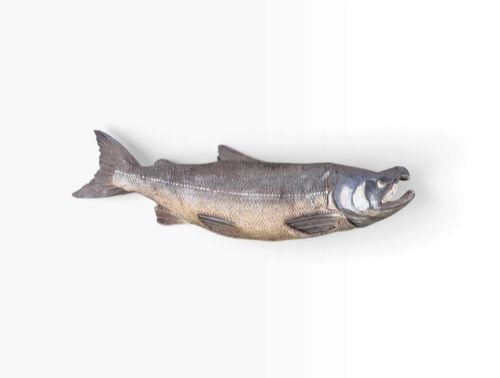
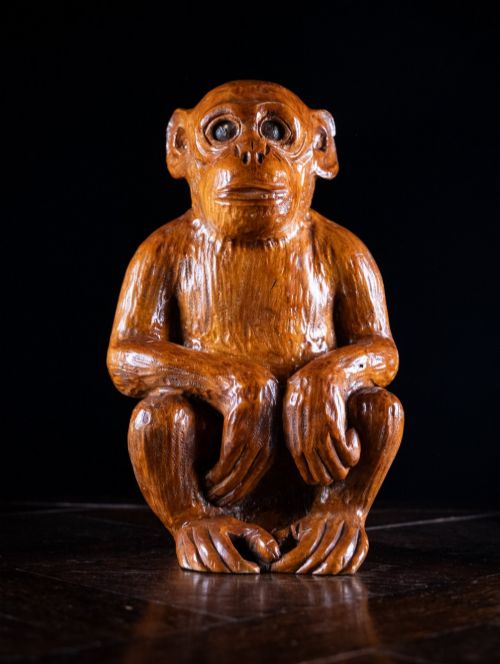
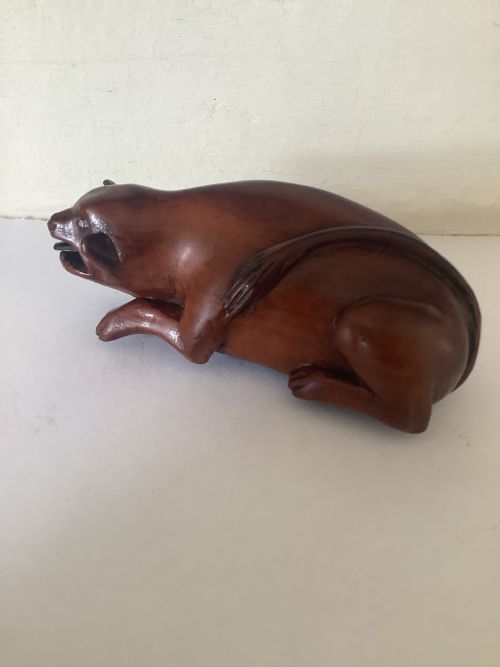
An antique wood animal selection brings together carved sculptures, bookends, and walking stick handles created primarily during the nineteenth and early twentieth centuries. These figures range from naive folk art horses and lions to detailed Black Forest bears and cattle groups.
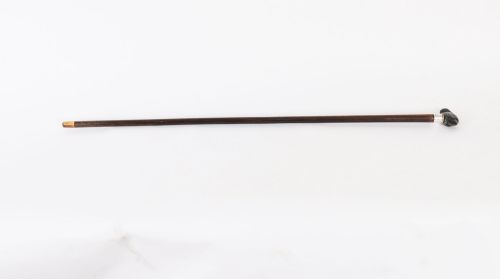
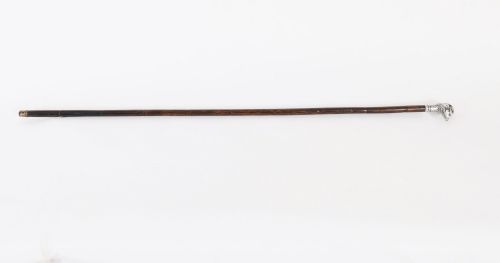
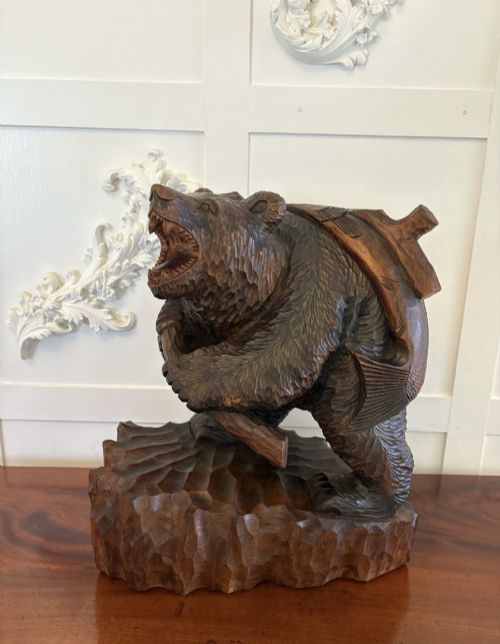
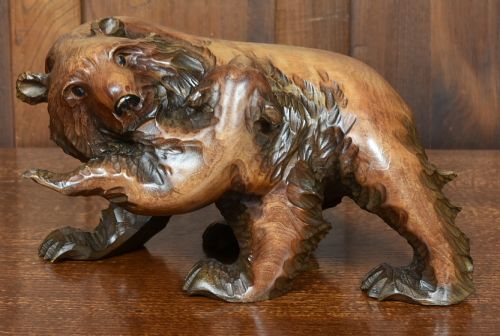
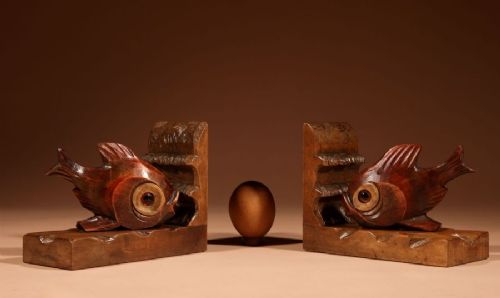
You are most likely to meet carved linden wood or hardwood sculptures originating from European workshops, particularly the Black Forest region, alongside Japanese cedar bear carvings. These items served as decorative ornaments, functional bookends, or novel handles for canes.
The materials and subjects reflect the domestic and wild fauna that inspired makers across different cultures, from Saint Bernard rescue dogs to owls and goldfish.
How they were made
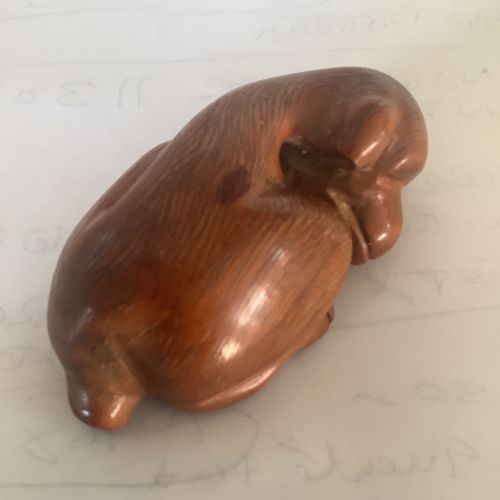
Carvers shaped these objects using linden wood, walnut, cedar, and assorted hardwoods, relying on hand chisels and gouges to define fur, feathers, and muscular forms. Linden wood offered a fine grain suited to intricate detail work found in Black Forest carvings and Japanese figures.
Surface treatments included wax polishing, staining, and painted details on folk art pieces, while mixed media additions introduced glass eyes, silver mounts, and bone details to walking sticks and decorative sculptures.
Antique Wood Animal Retail Price Guide 2026
Typical asking prices for wood animal among the pieces listed under this phrase on Sellingantiques today, from the lower quarter to the upper quarter. They describe what is for sale here now, not the wider market.
The periods represented span from the seventeenth century through the Victorian era and the Art Deco years.
What varies in quality
The success of an antique wood animal carving depends upon the anatomical accuracy and the liveliness captured in the posture, distinguishing a spirited study from a stiff representation. Master carvers rendered musculature and expression with convincing depth.
The clarity and crispness of the chisel work determine definition in fur and feather details, separating skillfully executed pieces from simpler workshop production. Original surfaces and minimal restoration preserve the integrity of the carving.
J HUGGLER
The Antique Wood Animal Glossary
- Black Forest
- A style of wood carving originating from the Brienz region of Switzerland, known for realistic animal studies, bears, and foliage. These pieces date largely from the nineteenth and early twentieth centuries.
- Linden wood
- A pale, soft wood with a fine, even grain favoured by carvers for detailed figurative work. It resists splitting and allows for deep undercut carving.
- Folk art
- Objects created by self-taught or traditional artisans outside formal academic traditions. These items display a charming, naive approach to form and decoration.
- Kibori Kuma
- A traditional Japanese wooden bear carving style originating from Hokkaido. These pieces often depict bears carrying fish in their jaws.
- Walking stick
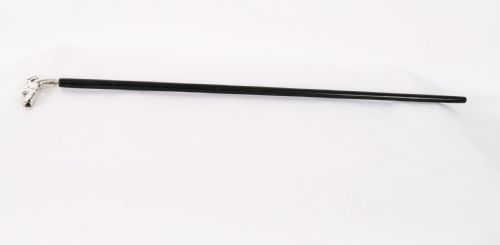
- A cane featuring a carved wooden or mounted metal animal head handle. These functional accessories incorporated novelty bird and animal designs.
Antique Wood Animal: Frequently Asked Questions
What animals appear most often?
Bears, dogs, deer, and owls dominate the carved wood animal selections, reflecting popular subjects from European and Japanese workshops. Bears appear particularly often in Black Forest and Japanese cedar carvings.
Birds and farm animals also feature frequently, taking the form of bookends, desk accessories, and cane handles.
Where were Black Forest carvings made?
These carvings originated primarily in the alpine regions of Switzerland, specifically around Brienz, where woodcarving developed as a cottage industry during the nineteenth century.
Local artisans produced decorative items, furniture, and animal sculptures for international travellers and export markets.
How do I care for wooden animal sculptures?
Keep carved wooden pieces away from direct sunlight and sudden temperature shifts to prevent the wood from drying out or splitting. Dust gently with a soft, dry cloth.
Avoid applying modern furniture polishes, which can build up and alter the natural patina of antique wood surfaces.
Are walking sticks with animal handles rare?
Walking sticks featuring carved wood or silver animal heads were fashionable accessories for gentlemen during the nineteenth century. While many survive, examples with distinct novelty animal carvings remain sought-after collector pieces.
The combination of carved handles and functional shafts reflects the detailed craftsmanship of the period.