



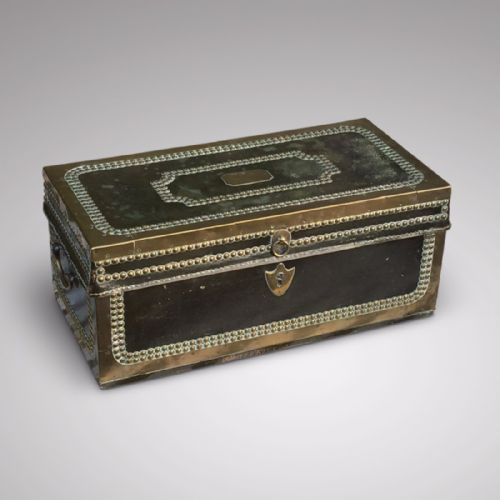

Antique Wood and Leather Trunk
These antique wood and leather trunk pieces are robust travel chests offering rich historical character and practical storage for the modern home.
Antique Wood and Leather Trunk
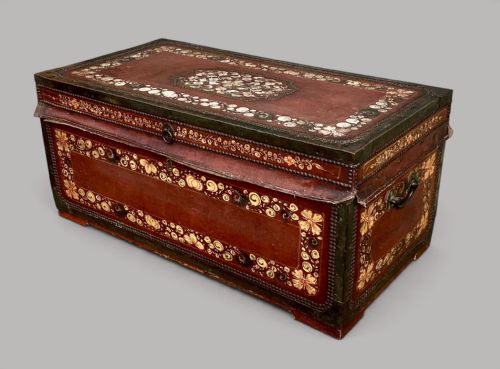
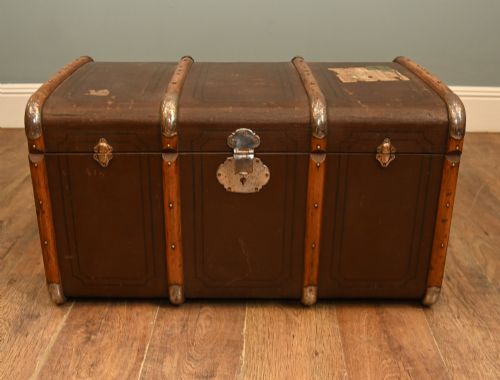
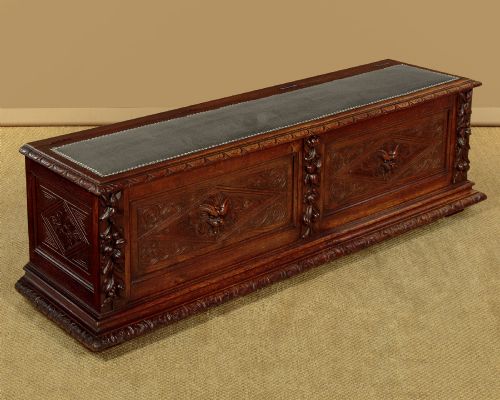
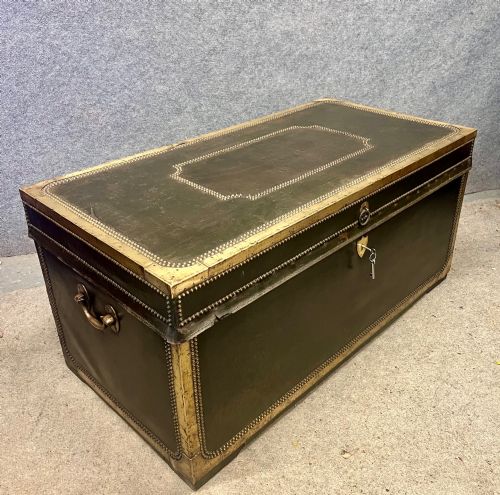
An antique wood and leather trunk represents durable travel luggage and domestic storage spanning the nineteenth century through the nineteen-twenties. These pieces frequently surface in forms such as campaign chests, steamer luggage cases, blanket boxes, and storage chests.
The most common examples on this page hail from the nineteenth century, including China Trade pieces and Victorian campaign items. Makers built these objects using sturdy timbers like oak, birch, and camphor wood, wrapped in leather and fitted for long journeys.
Buyers encounter various styles, from Regency and Victorian to early twentieth-century Art Deco and Chinese Export designs. Each item provides deep storage while serving as a distinct focal point in a room.
How they were made
Craftsmen built these trunks around robust wooden frames of camphor wood, oak, or birch, selected for their structural strength and resistance to insects. They then applied leather, canvas, or polychrome painted finishes to the exterior surfaces.
Makers reinforced the construction with heavy metal elements, employing brass bindings, iron studs, and secure corner brackets to withstand the rigours of global transit. These metal additions secured the joints while creating decorative patterns across the leather and wood.
Antique Wood and Leather Trunk Retail Price Guide 2026
Typical asking prices for wood and leather trunk among the pieces listed under this phrase on Sellingantiques today, from the lower quarter to the upper quarter. They describe what is for sale here now, not the wider market.
Camphor wood trunks still carry their distinctive medicinal scent after more than a century of travel.
What varies in quality
The distinction between ordinary and superior pieces rests upon the choice of primary timber, such as fragrant camphor wood versus standard oak, and the complexity of the exterior metalwork. Finer examples display meticulous brass studding and well-preserved leather covers that retain their original texture.
Proportion and decorative detail further define the range, with larger scale chests and polychrome painted Chinese Export items showing greater artistic ambition. The integrity of the original hinges, locks, and carrying handles also separates standard utility luggage from exceptional cabinetwork.
The Antique Wood and Leather Trunk Glossary
- Campaign chest
- A portable set of drawers or a trunk designed to be easily dismantled and transported for military use. These items feature recessed brass handles and corner brackets to prevent damage during travel.
- Camphor wood
- An aromatic timber utilised extensively in Asian export furniture and trunks. Its natural scent repels insects and protects stored textiles.
- China Trade
- Goods manufactured in China during the eighteenth and nineteenth centuries specifically for export to Western markets. These objects often combine Eastern materials with European furniture forms.
- Steamer trunk
- A lower-profile piece of luggage designed to fit into the cabins of ocean liners during the early twentieth century. They often feature domed or flat tops with reinforced wood and canvas constructions.
- Polychrome
- The practice of decorating architectural elements or objects in a variety of colours. On these trunks, painted finishes add visual depth to the leather and wood surfaces.
Antique Wood and Leather Trunk: Frequently Asked Questions
How were antique trunks used originally?
These trunks served as durable luggage for travellers navigating global shipping routes, military campaigns, and railway journeys. Owners packed clothing, personal effects, and valuables inside them for long-distance transport.
Over time, these utilitarian objects transitioned from travel gear into stationary domestic storage. Households utilised them as blanket boxes, ottomans, and decorative storage chests in bedrooms and living spaces.
What woods appear in these trunks?
Makers constructed these pieces using a variety of timbers suited for strength and utility. Camphor wood appears frequently in China Trade pieces, chosen for its insect-repellent properties and pleasant aroma.
Other examples utilise sturdy European hardwoods such as oak and birch. These woods provided the structural skeleton necessary to support heavy leather coverings and metal reinforcements.
How do I date an antique trunk?
Dating relies on examining the construction methods, materials, and hardware styles. Nineteenth-century pieces often feature hand-forged iron elements, brass studding, and traditional dovetail joints.
Later pieces from the nineteen-twenties incorporate Art Deco stylistic influences and modern manufacturing techniques. Comparing the type of leather, canvas, and locking mechanisms helps narrow the production window.
How do I live with a trunk?
These trunks integrate easily into contemporary interiors by functioning as coffee tables, window seats, or end-of-bed storage chests. Their robust construction allows them to support items placed on top while concealing blankets, books, or seasonal clothing inside.
Positioning the trunk away from direct heat sources and sunlight protects the antique leather and wood from drying out. Regular dusting with a soft cloth preserves the finish of the brass fittings and the surrounding materials.