
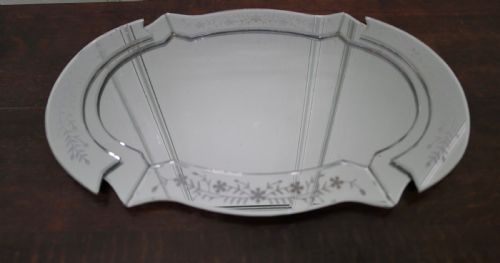


Antique Wine Tray
An antique wine tray brings a touch of period elegance to a room, serving decanters and bottles with historic character.
Antique Wine Tray
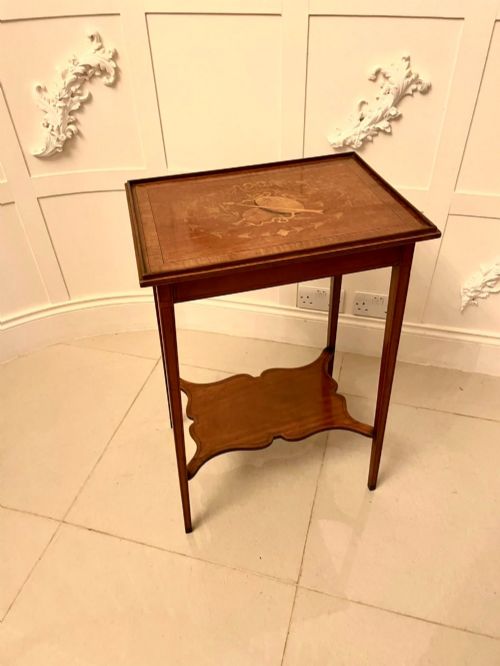
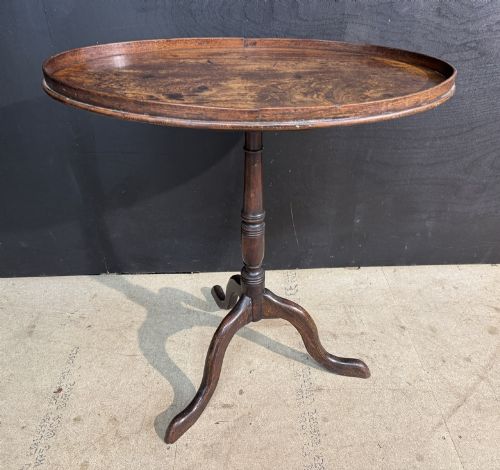
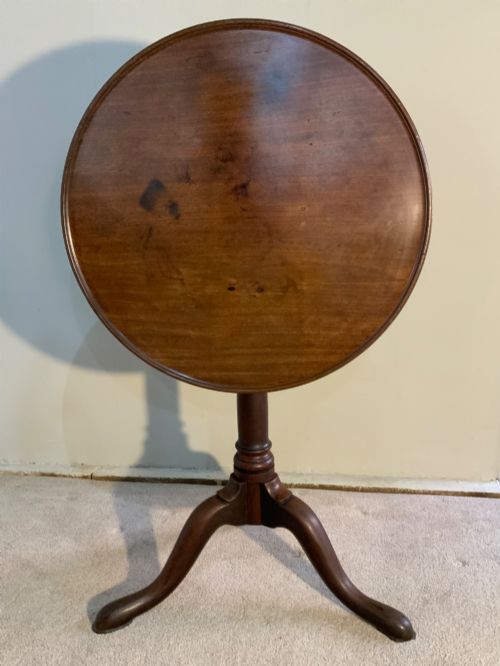
The selection ranges from Georgian mahogany tilt-top tables and George III carriers to later Edwardian and Art Deco pieces. These items served functional roles in entertaining, evolving from table stands to portable trays and drinks cabinets.
How they were made
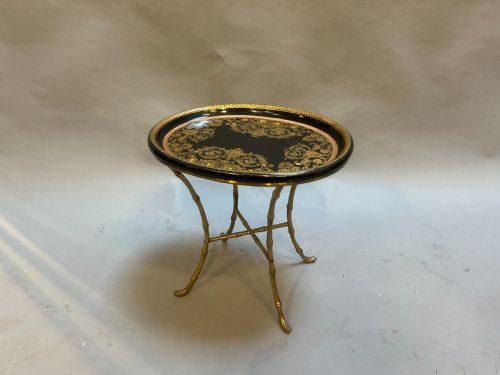
Makers utilised solid timbers such as mahogany, rosewood, and oak, often shaping them with raised edges or tray tops to secure glassware. Brass handles, galleries, and mounts frequently provide structural contrast and secure handling.
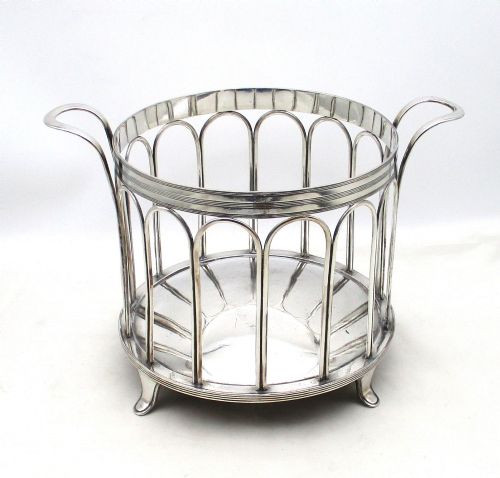
Metalwork involved silver plating, copper, and brass, seen in Sheffield plated coasters and engraved trays. Decorative techniques included inlay, polychrome painted finishes, and cut glass to enhance the visual appeal of the serving surfaces.
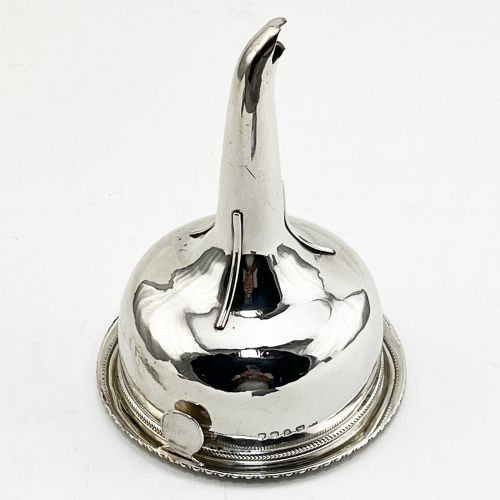
Several pieces include mechanical cleverness, from butterfly table designs to cork pullers and portable bottle carriers.
What varies in quality
Quality rests in the choice of materials and the precision of the construction, such as the gauge of the silver plate or the selection of figured mahogany. Finer examples display crisp carving, balanced proportions, and careful integration of brass or inlaid decoration.
The execution of detail distinguishes standard production from superior craftsmanship. Engraved copper trays, well-turned pedestals, and intact original fittings elevate a piece above simpler utilitarian items.
Gillows·James Mein of Kelso·Halls Patent
The Antique Wine Tray Glossary
- Tilt top table
- A circular or shaped table with a mechanism allowing the surface to fold vertically when not in use. This design saved space in period dining rooms.
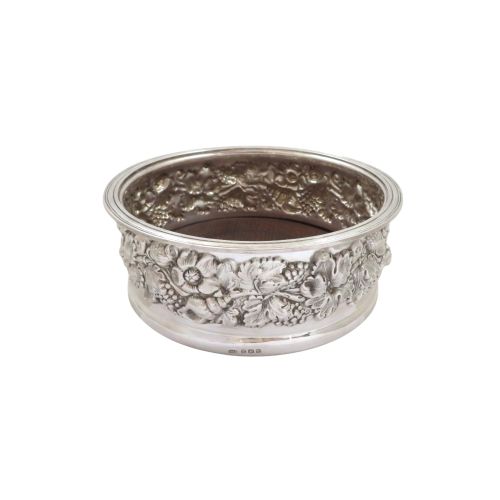
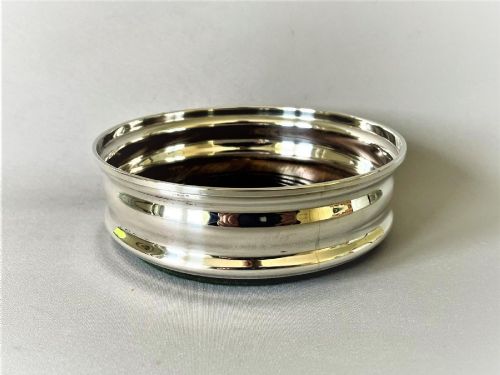
- Bottle coaster
- A small, portable stand placed on a dining table to hold a wine bottle or decanter. They frequently feature a wood or metal base with a protective liner.
- Old Sheffield plate
- A method of fusing a thin sheet of sterling silver to a thicker copper base. It represents an early form of silver plating used on historic tableware.
Antique Wine Tray: Frequently Asked Questions
How were antique wine trays used?
These pieces served to transport and present bottles, decanters, and glasses during dining and social gatherings. They kept bottles stable on surfaces or provided a portable station for pouring drinks.
Larger versions often stood on folding frames or tripod bases as occasional furniture, while smaller coasters moved across the dining table between guests.
What materials are common?
Mahogany and other timbers form the structural basis for many tables and carriers, frequently paired with brass galleries or handles. Silver plate, copper, and glass appear regularly in coasters and serving trays.
Regional variations introduce materials like rosewood, thuyawood, and oak, reflecting the stylistic preferences of different eras from the Georgian period through the Art Deco movement.
Can I use them today?
These items remain practical for modern entertaining, functioning effectively as drinks stations or serving accessories. Their historic charm adds character to contemporary interior schemes.
Careful placement and sensible handling ensure these functional antiques continue their original purpose in a modern home.