

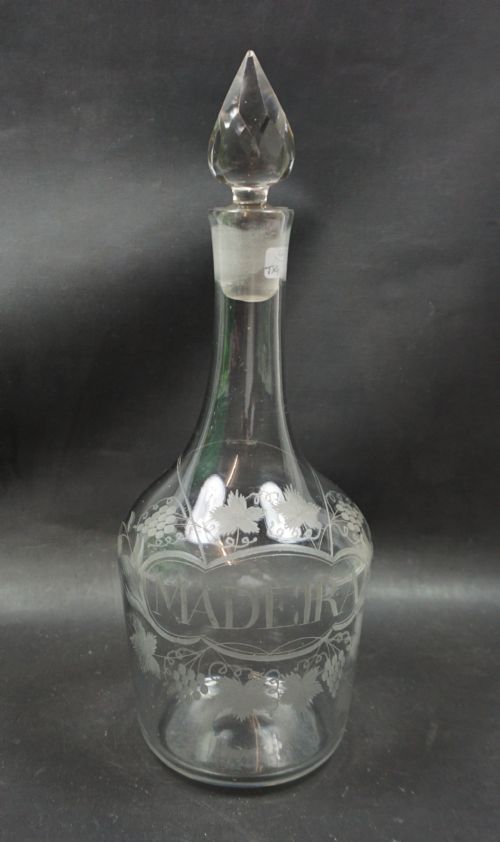

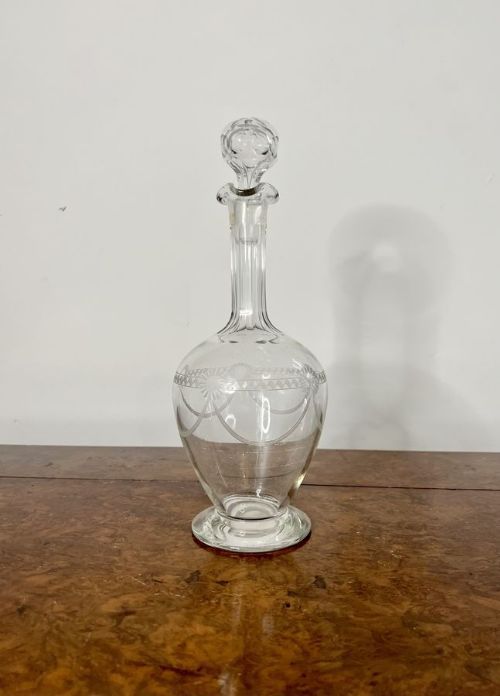
Antique Wine Stopper
These antique wine stopper examples complete period decanters and protect vintage vintages with traditional craftsmanship.
Antique Wine Stopper
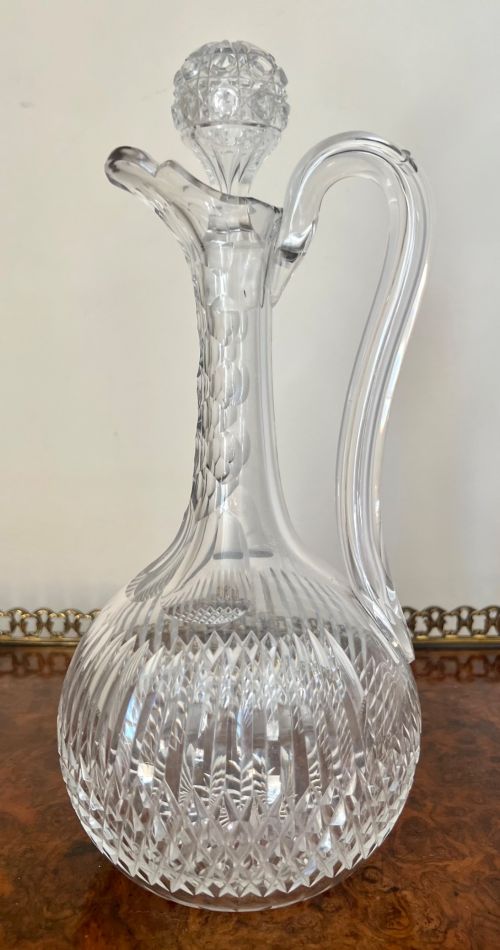
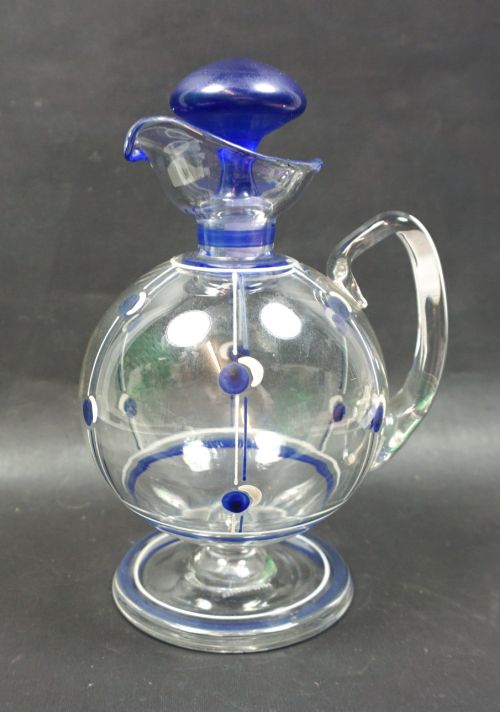
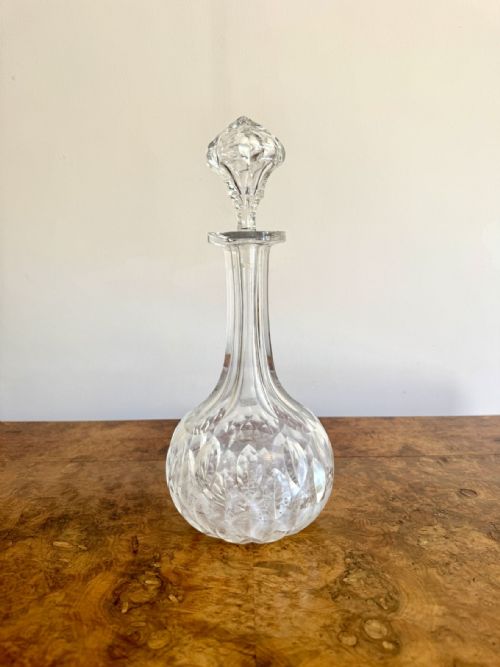
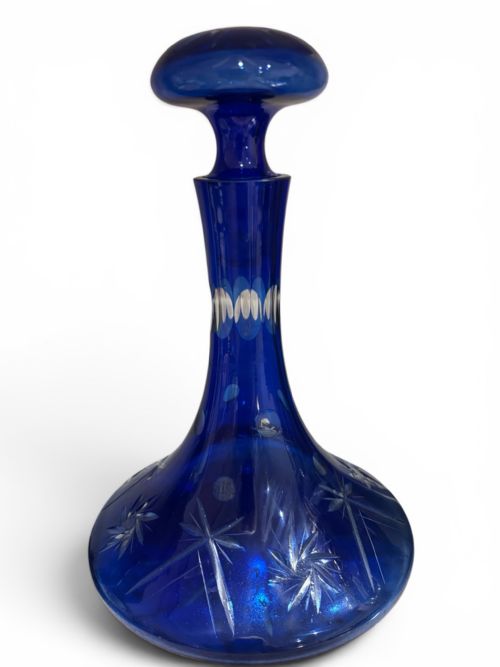
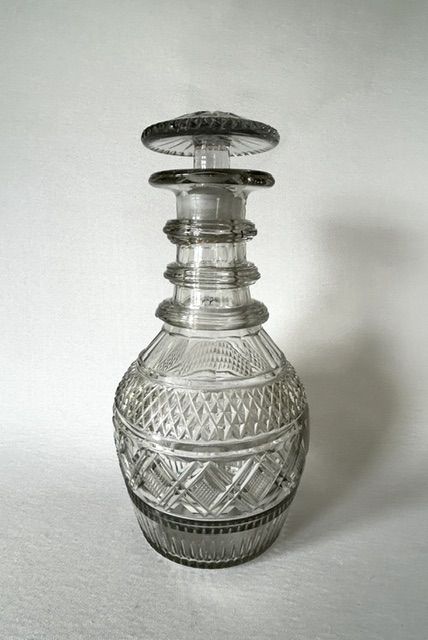
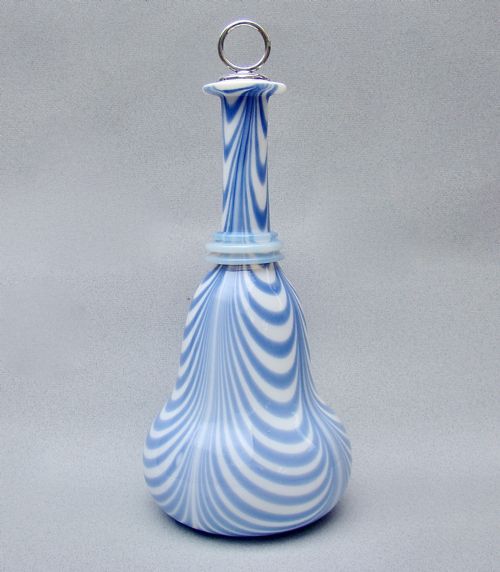
An antique wine stopper forms the crowning closure for glass decanters, carafes, and jugs across Georgian, Victorian, and Edwardian periods. Buyers search for these items to replace missing tops or complete period barware sets.
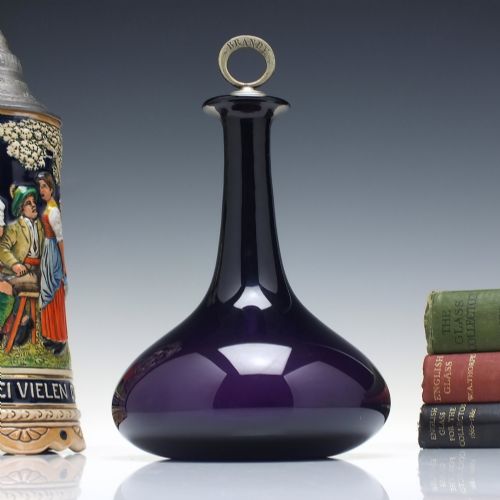
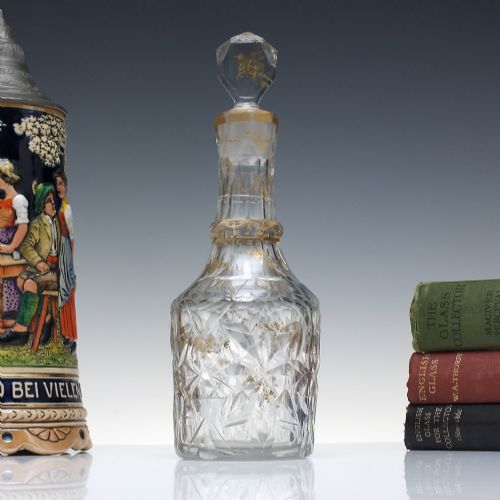
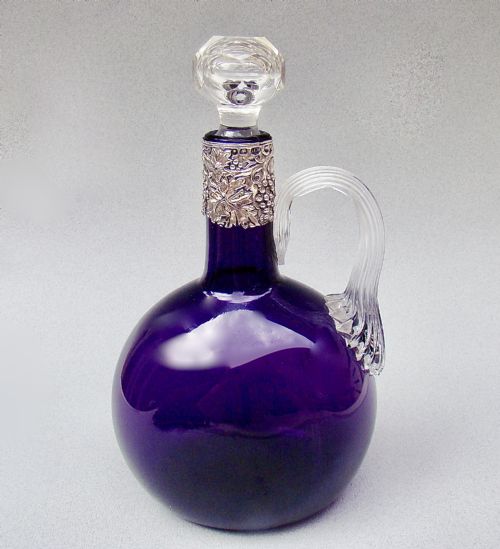
The selections span clear glass, lead crystal, and coloured variations like amethyst and cranberry glass, often paired with silver plate mounts. Most examples originate from British and Bohemian workshops dating from the late eighteenth century into the early twentieth century.
Materials and Craftsmanship
Maker operations utilised heavy lead crystal and clear glass, shaped through cutting, blowing, and engraving techniques. Artisans achieved brilliant facets and decorative patterns by hand on glass surfaces.
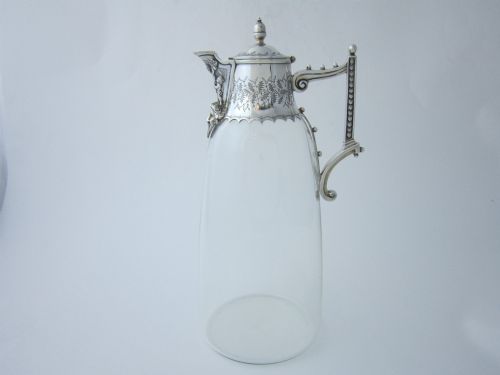
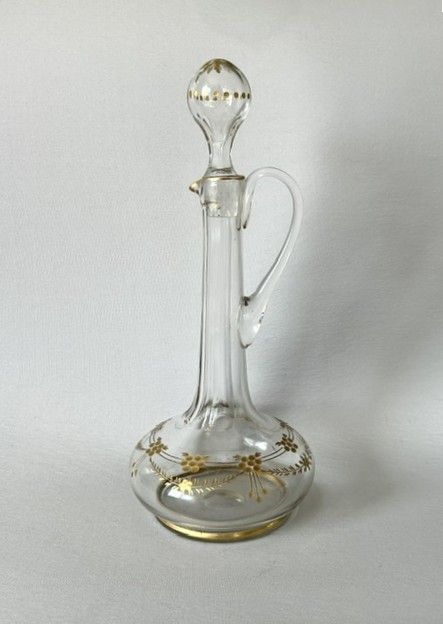
Metal components incorporate silver plate and sterling silver mounts, occasionally decorated with enamel work or gilding applied by specialised ateliers.
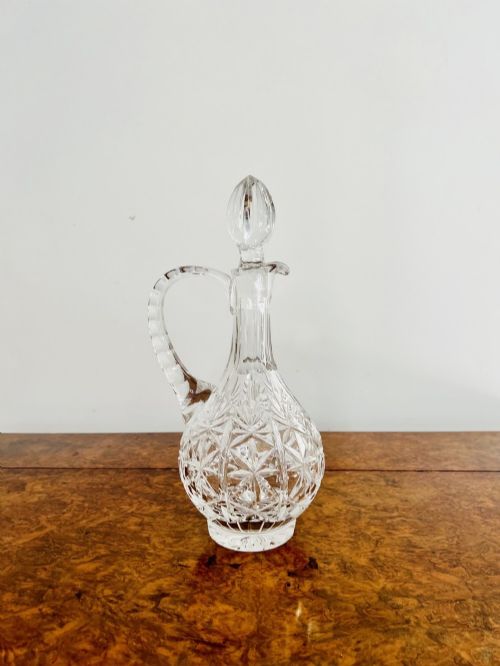
Object forms include claret jugs, carafes, and ewers alongside traditional decanters.
Distinctions in Quality
The standard of cutting and glass clarity dictates the distinction between ordinary production items and finer specimens. Sharp, deep facets and heavy crystal weight denote superior craftsmanship.
The integration between glass bodies and metal mounts reveals the skill of the maker, where precise fit and harmonious decoration elevate the piece.
James Giles·Henry Matthews·James Powell·Stevens and Williams
The Antique Wine Stopper Glossary
- Lead crystal
- Glass containing lead oxide that increases weight, refractive index, and clarity. This material allows for deep, crisp cutting by the glass cutter.
- Silver plate
- A base metal coated with a thin layer of silver. This technique provided the appearance of solid silver for bottle mounts and hardware.
- Amethyst glass
- Purple-tinted glassware produced by adding manganese or other metallic oxides to the batch. It appeared frequently in nineteenth-century decanters.
- Cut glass
- Glassware decorated by holding the vessel against a rotating abrasive wheel to carve geometric patterns. Deep cutting creates the characteristic prismatic sparkle.
Antique Wine Stopper: Frequently Asked Questions
What is an antique wine stopper?
An antique wine stopper is a glass or metal closure designed to seal historic decanters and prevent oxidation. They range from simple faceted glass bungs to elaborately silver-mounted pieces.
Collectors seek matching stoppers to complete period decanters, ensuring the vessels retain their original appearance and function.
How do I date an antique stopper?
Dating relies on material composition, cutting style, and the shape of the finial. Georgian examples often feature heavy kick-up bases and hand-cut facets, while Edwardian pieces display machine-smoothed precision.
Matching the stopper to the specific decanter form, such as shaft and globe or bell shapes, helps confirm the correct period.
Are replacement stoppers period correct?
Replacement stoppers are common because original glass pieces broke frequently during use. Finding a correct period match requires comparing the shank size, glass tint, and cutting pattern to the decanter neck.
Many pieces encountered today have been paired with period-appropriate stoppers rather than factory-original matches.
How should I clean glass stoppers?
Cleaning requires warm water and mild detergent, avoiding harsh abrasives that scratch old glass or damage silver plate mounts. Stubborn residue inside ground glass shanks responds to gentle soaking.
Care must be taken with gilded or enamel-decorated stoppers to preserve the surface artwork.