




Antique Wine Flute
These antique wine flute pieces bring genuine Georgian and Victorian drinking history to the table, offering tactile historical character for any collection.
Antique Wine Flute
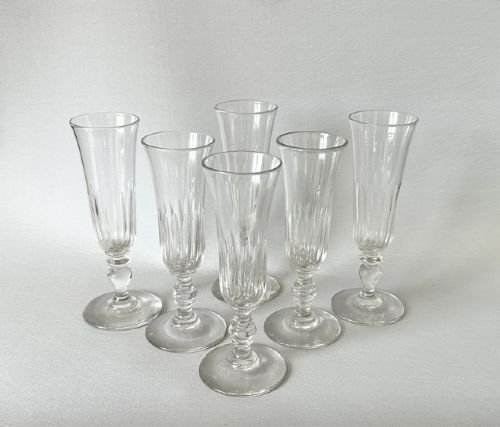
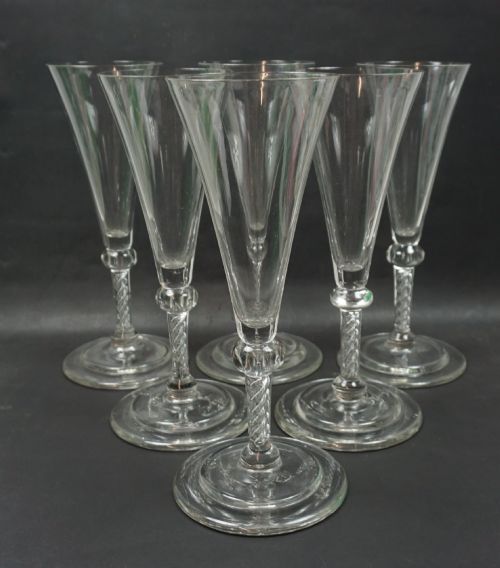
When you search for an antique wine flute, you encounter slender drinking vessels spanning the Georgian, Victorian, and Edwardian periods.
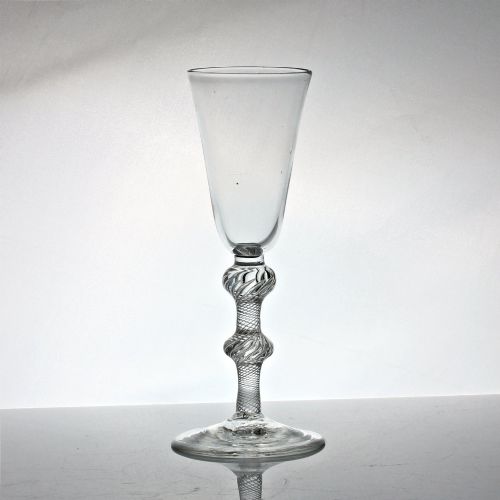
The selections here range from delicate mid-eighteenth-century English air twist stems to late nineteenth-century cut glass champagne flutes.
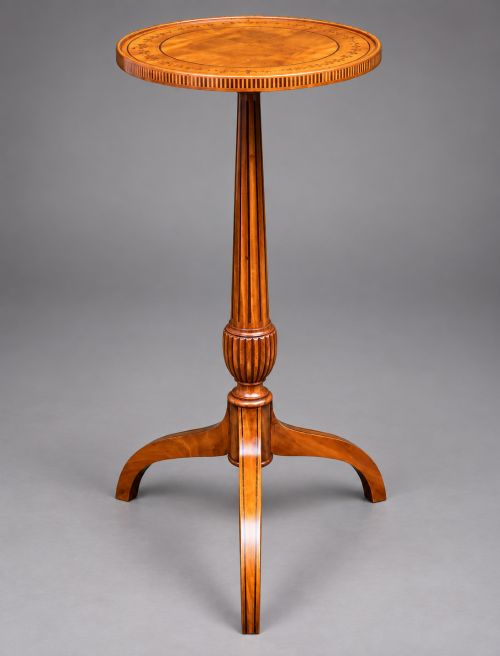
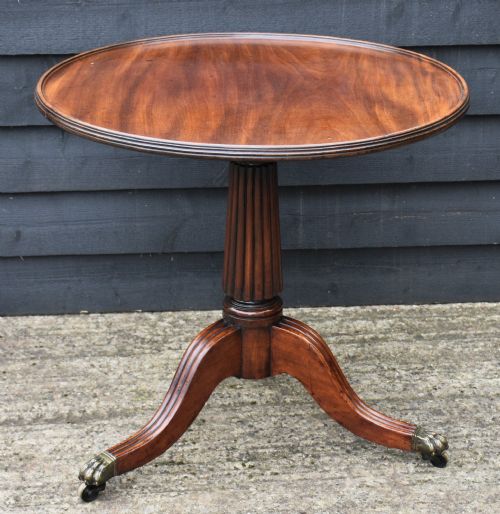
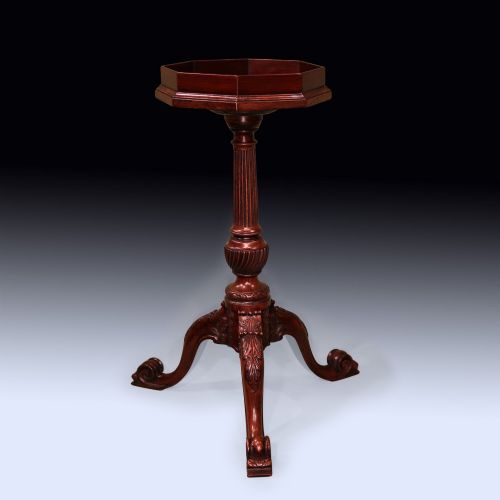
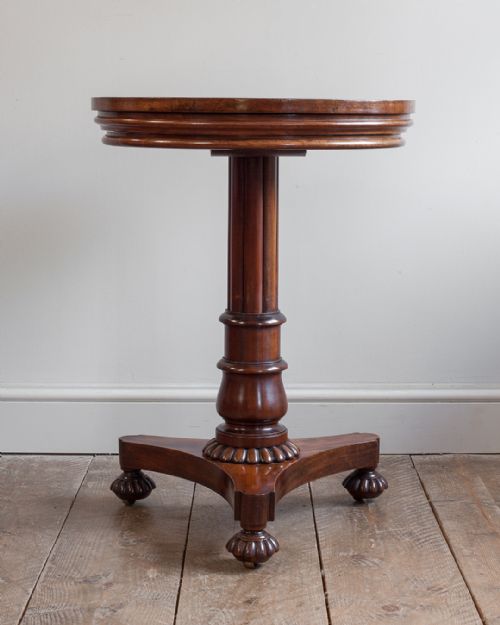
Alongside the tall glasses themselves, the listings include related wine furniture such as mahogany wine tables, coolers, and decanters.
How they were made
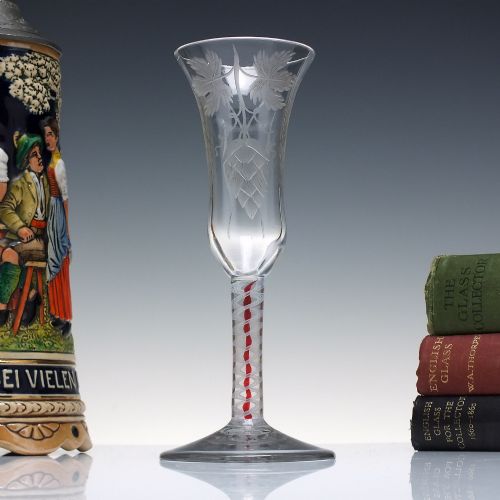
The glassware relies on lead crystal and lead glass shaped by hand, often featuring intricate air twist, opaque twist, or mixed twist stems.
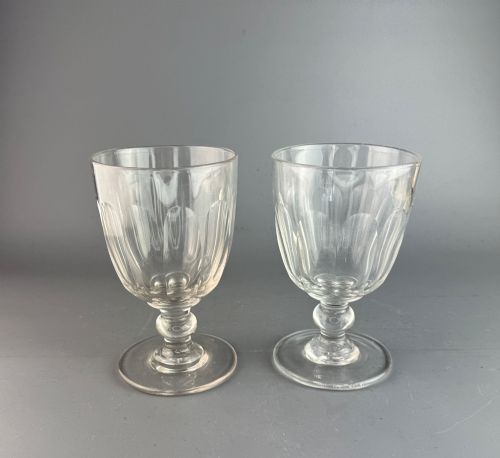
Cut glass examples utilise deep wheel-cutting techniques to create faceted bowls, while other pieces incorporate engraved decoration.
The accompanying furniture employs timbers such as mahogany and satinwood, occasionally accented with brass, marble, or ormolu mounts.
Listings span the eighteenth, nineteenth, and early twentieth centuries, featuring materials from lead crystal and glass to mahogany, marble, and brass.
What varies in quality
Quality rests upon the clarity of the metal in the glass and the precision of internal stem twists, where air bubbles and threads should remain crisp and regular.
In cut glass, the depth and sharpness of the facets distinguish finer work from softer, more rounded moulding.
For associated pieces like wine tables and decanters, the proportion of the form and the crispness of any carved or inlaid details dictate the standard.
Hukin and Heath·Josephinenhutte·Powell Whitefriars
The Antique Wine Flute Glossary
- Air twist
- A stem formation enclosing spiralling threads of air created during the glassmaking process. It remains a hallmark of mid-eighteenth-century English drinking glasses.
- Opaque twist
- A stem decoration formed by white or coloured enamel glass rods drawn into threads and twisted within the clear metal. This technique became popular during the Georgian era.
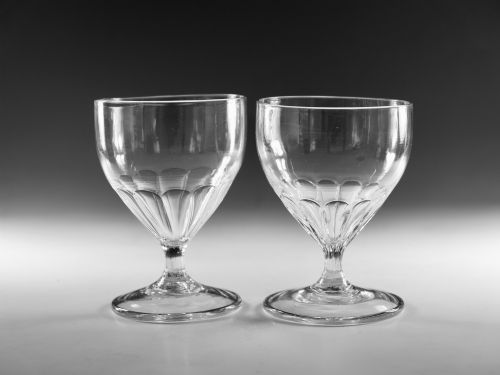
- Rummer
- A large, sturdy drinking glass originating in the late eighteenth and nineteenth centuries, typically used for ale or wine. They often feature bucket bowls and cut stems.
- Ogee bowl
- An s-shaped curved drinking vessel profile that flares outward at the rim. This form appears frequently on eighteenth-century English wine glasses and flutes.
- Tripod table
- A small occasional table supported by three pillar legs branching from a central column. Many Georgian and Regency examples feature tilting or revolving tops.
Antique Wine Flute: Frequently Asked Questions
What is an antique wine flute used for?
These tall, slender vessels were historically designed for serving sparkling wines, champagnes, or specialised dessert wines.
Today, collectors appreciate them both as historical table glass and as display pieces that highlight early manufacturing techniques.
How can I tell a Georgian flute from a Victorian one?
Georgian flutes often display delicate drawn stems with air or opaque twists and lighter metal weights.
Victorian examples tend to feature heavier lead crystal, deeper cut glass facets, and larger proportions.
Are these glass flutes safe to use?
While many eighteenth and nineteenth-century glasses remain physically robust, antique lead glass requires careful hand washing.
Most collectors limit their use to special occasions or display them to preserve their surfaces.
Why do some wine flutes have air twists?
Air twists were formed by trapping air inside the molten glass before drawing and twisting the stem.
This technique demonstrated the skill of the glassblower and lightened the visual weight of the stem.