

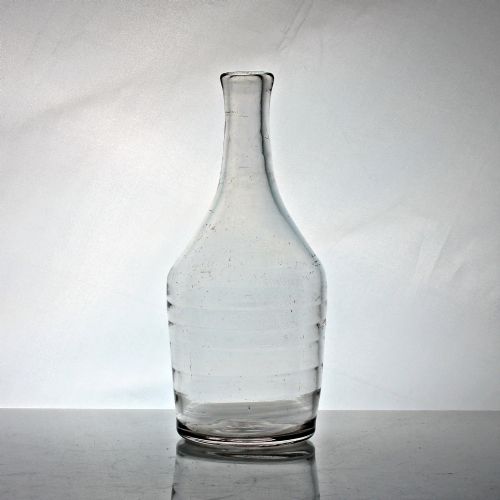
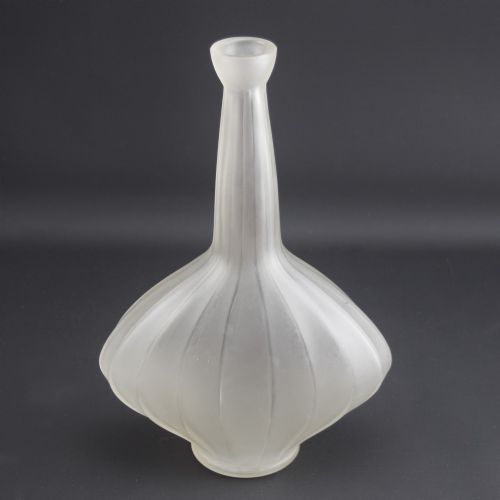

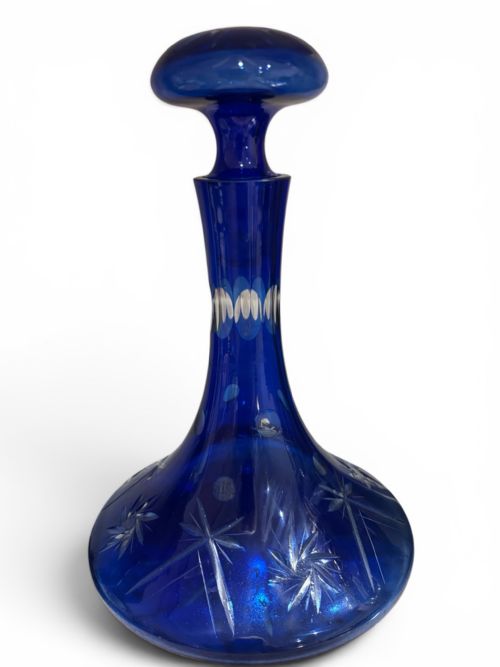


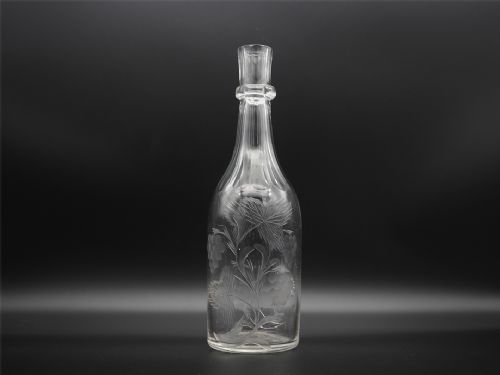


Antique Wine Flask
An antique wine flask is a functional vessel for holding and pouring spirits, ranging from Georgian glass carafes to Japanese Arita bottles.
Antique Wine Flask
An antique wine flask serves as a practical vessel for holding and dispensing drinkable spirits at table, appearing in forms such as decanters, serving bottles, and ewers. When you search for an antique wine flask, you meet items designed for practical use alongside display, spanning centuries of domestic life.
The selections found here cover diverse periods from the seventeenth century through the Edwardian era, taking shapes like shoulder carafes, spirit bottles, and dispensers. Materials range widely from clear, lead, and cranberry glass to silver plate, pewter, and wrought iron mounts.
Geographic origins vary significantly, taking in English serving pieces, Bohemian crystal, Austrian metalwork, and Japanese Arita porcelain. These objects reflect the changing dining habits and decorative tastes of their respective periods.
How they were made
Makers shaped glass through blowing techniques, producing clear, lead, flint, cranberry, cobalt, and green glass bodies. Many vessels incorporate applied decorative elements such as Lynn rings or enamel painted details directly onto the blown surface.
Mounts and hardware utilise metals like silver plate, pewter, and wrought iron, fixed to secure the glass containers. These mixed media pieces combine glassblowing skill with metalworking techniques.
Antique Wine Flask Retail Price Guide 2026
Typical asking prices for wine flask among the pieces listed under this phrase on Sellingantiques today, from the lower quarter to the upper quarter. They describe what is for sale here now, not the wider market.
Materials represented across the inventory feature clear glass, lead glass, cranberry glass, pewter, and silver plate.
What varies in quality
The refinement of the glass body and the clarity of the material set finer examples apart from simpler utilitarian containers. Hand-cut facets, enamel painting, and well-executed metal mounts indicate higher workshop standards.
Design complexity also marks the range, moving from plain serving bottles to elaborate Art Nouveau wrought iron frames and pewter fittings. The integration of materials determines the visual weight and balance of each piece.
The Antique Wine Flask Glossary
- Decanter
- A vessel used for holding and serving wine or spirits. These containers often feature stoppers and distinct necks.
- Lead glass
- Glass containing lead oxide, known for its weight and refractive brilliance. This material allows for deeper cutting and sharper detail.
- Cranberry glass
- Red-pink transparent glass created by adding gold chloride to the molten batch. It gained popularity during the Victorian period.
- Lynn ring
- A horizontal glass band or rib encircling the neck of a decanter. These rings provided a secure grip for the hand.
- Arita
- Japanese porcelain produced in the Hizen province around the town of Arita. These wares show early export influences.
Antique Wine Flask: Frequently Asked Questions
What is an antique wine flask?
An antique wine flask is a historical vessel intended for serving and storing alcoholic drinks at table. These items include decanters, carafes, and serving bottles made from glass and metal.
They reflect the dining practices and interior decorative styles of eras spanning from the seventeenth century to the early twentieth century.
How were these flasks used?
These vessels were filled from larger storage containers to serve wine, sherry, spirits, or Calvados directly at the dining table. Their designs allowed for easy pouring while adding a decorative element to social gatherings.
Many included fitted stoppers to preserve the contents between uses.
How do I identify the period?
Period identification relies on observing the material composition, manufacturing marks, and stylistic traits such as Georgian cut glass or Art Nouveau metal mounts. Examining the type of glass and the shape of the neck offers strong clues to the date of manufacture.
Changes in decorative arts help narrow down the decade of production.
How do I care for antique glass?
Antique glass requires gentle handling and hand washing in warm, soapy water without abrasive scrubbers. Sudden temperature changes can crack historic glass, so extreme caution is necessary during cleaning.
Storage should keep pieces secure and away from heavy traffic areas.