





Antique Wine Chest on Stand
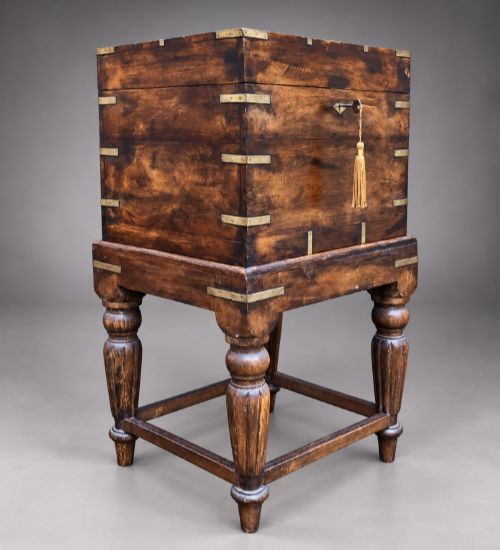
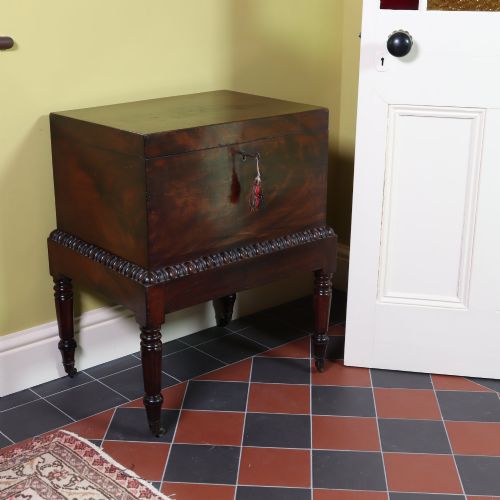
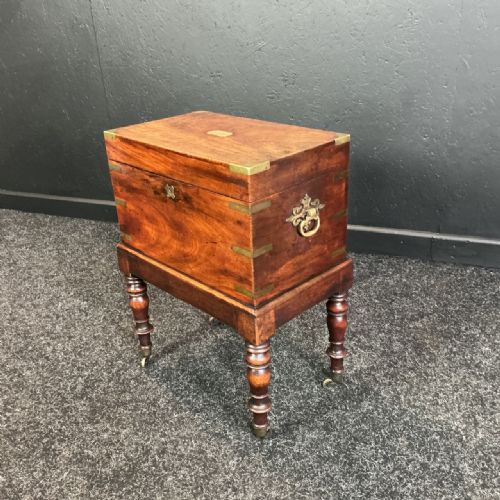
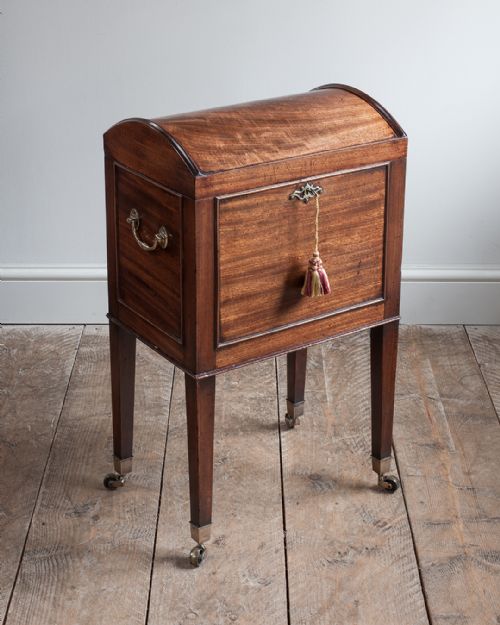
An antique wine chest on stand organises fine bottles with proper dignity, combining sturdy cabinetry with raised supports.
Antique Wine Chest on Stand
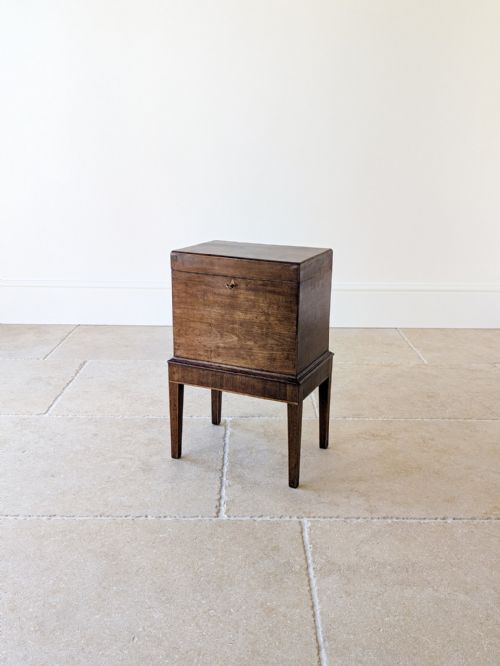
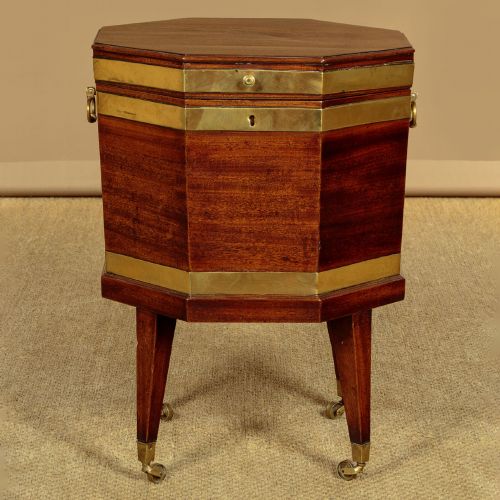
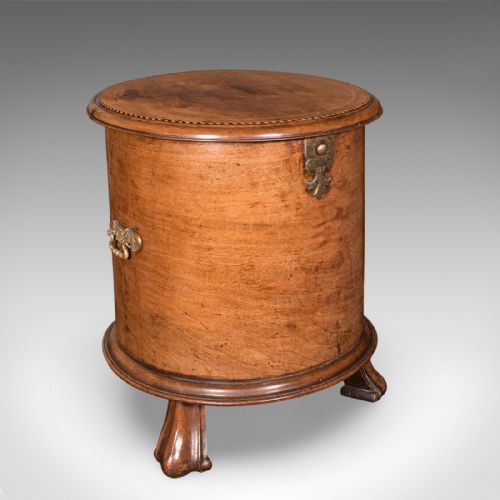
An antique wine chest on stand groups together cellarettes, wine coolers, and drinks cabinets designed to hold bottles securely. These pieces emerge chiefly from Georgian, Regency, and nineteenth-century periods, often taking octagonal or oval forms.
The stands range from original integrated legs to distinct support frames that elevate the main body. Certain specimens incorporate internal divisions or zinc linings originally meant for ice and water.
How they were made
Cabinetmakers utilised dense timbers like mahogany and padouk to construct the heavy bodies required for holding liquid and glass. These woods were frequently selected for rich grain patterns and polished to a deep lustre.
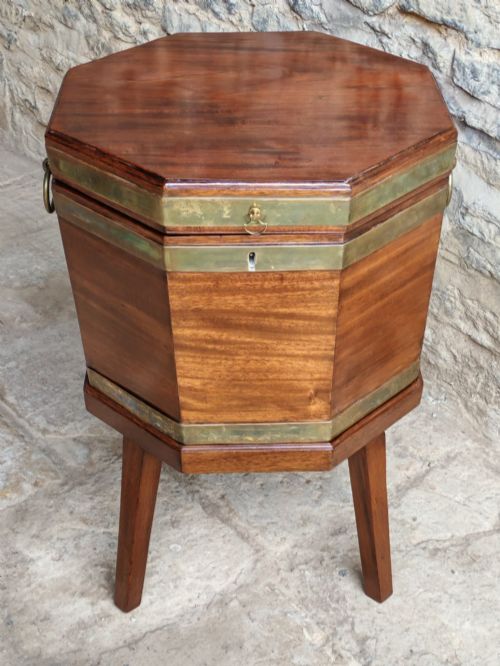
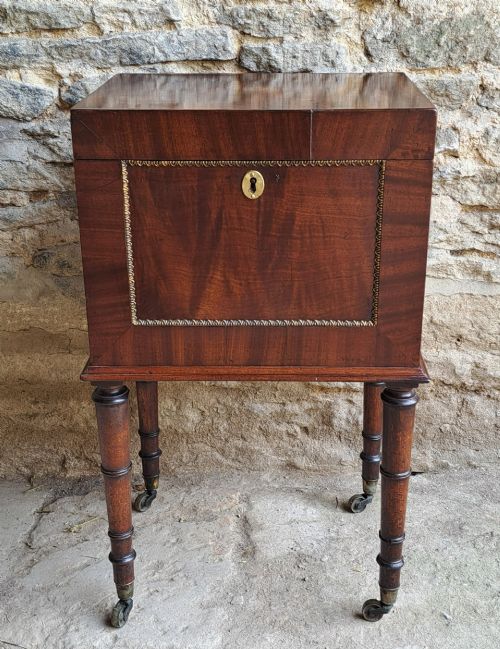
Metalwork played a vital structural role, with brass bands providing reinforcement around the perimeters of octagonal and oval chests. Handles, hinges, and occasional castors were cast in brass to endure regular movement.
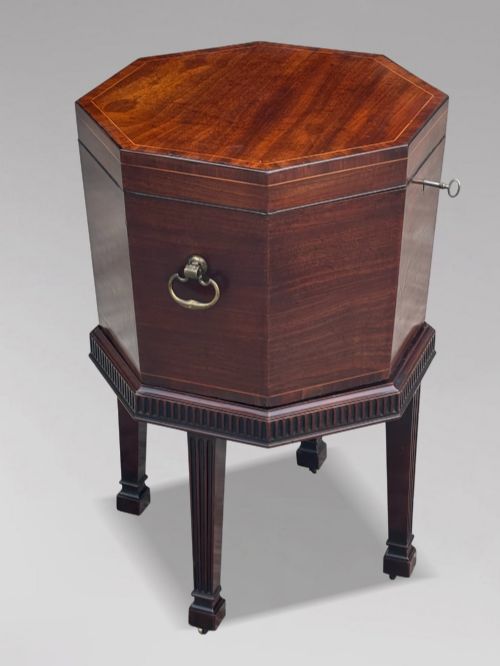
Inlay techniques such as boxwood lines added subtle contrast to drawer fronts and top panels. Interior compartments were partitioned carefully to keep bottles separated during carriage.
Antique Wine Chest on Stand Retail Price Guide 2026
Typical asking prices for wine chest on stand among the pieces listed under this phrase on Sellingantiques today, from the lower quarter to the upper quarter. They describe what is for sale here now, not the wider market.
Materials recorded across current pieces include mahogany, padouk, teak, walnut, and brass.
What varies in quality
The sophistication of the timber selection dictates much of the visual merit, particularly when flame mahogany or figured padouk is deployed. Superior pieces display continuous grain alignment and meticulous matching across prominent surfaces.
Hardware integrity separates standard items from exceptional ones. Original brass mounts, robust carrying handles, and authentic locking mechanisms demonstrate superior workshop standards.
The relationship between the chest and its stand influences the overall cohesion of the piece. Matching timbers and period-correct joinery indicate a unified manufacture rather than a later marriage of separate elements.
Gillows
The Antique Wine Chest on Stand Glossary
- Cellarette
- A lockable container designed to hold wine bottles securely within a dining room. It often sits upon its own dedicated stand or floor frame.
- Wine cooler
- A large vessel, frequently metal-lined, used for chilling bottles with ice during meals. Many examples take oval or octagonal shapes.
- Padouk
- A heavy tropical hardwood exhibiting reddish-brown tones, utilised extensively in Anglo-Indian furniture production. It offers exceptional durability.
- Flame mahogany
- Timber cut from the fork of a mahogany tree to produce a distinctive flickering flame-like pattern. Makers employed it on primary display surfaces.
- Teapoy
- A small storage chest on a pillar or stand, occasionally repurposed or grouped alongside drinks cabinets in nineteenth-century interiors.
Antique Wine Chest on Stand: Frequently Asked Questions
What is an antique wine chest on stand?
These items are specialised storage pieces built to house wine bottles safely in domestic dining spaces. They combine a lidded chest body with an elevated base or support frame.
Most examples date from the eighteenth and nineteenth centuries, utilising dense timbers like mahogany, walnut, or padouk. Their interiors often feature fitted compartments to keep bottles stable.
How were these wine chests used originally?
Servants kept these chests near the dining table to store bottles within easy reach of hosts and guests. Some variants included zinc linings to hold ice for chilling.
The lockable lids ensured expensive vintages remained secure from household staff. They functioned as both functional cellars and decorative furniture.
How do I place one in a modern room?
An antique wine chest on stand works effectively as a focal point in a dining room, living area, or hallway. Its surface can display lamps, trays, or decorative objects.
The internal compartments remain useful for storing contemporary bottles or glassware. Placing the piece away from direct heat sources protects the antique timber.
How can I tell the Georgian period examples apart?
Georgian pieces typically showcase solid mahogany construction, precise brass bandings, and understated bracket feet or tapered legs. Cabinetmakers prioritized clean proportions and subtle inlay work during this era.
Later nineteenth-century versions often introduce heavier proportions, contrasting woods, or alternative regional styles such as Anglo-Indian padouk designs. Examining the interior construction and secondary woods helps confirm the era.