



Antique Wine Basket
An antique wine basket brings rustic utility and refined social tradition into a room, offering a tactile piece of history.
Antique Wine Basket
When you search for an antique wine basket, you find practical vessels and related containers made for holding bottles, hauling grapes, or storing fuel. These pieces span the nineteenth century and the early twentieth century, originating from British country houses and French rural settings.
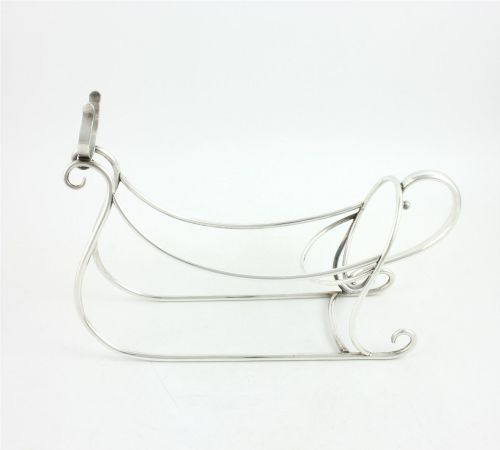
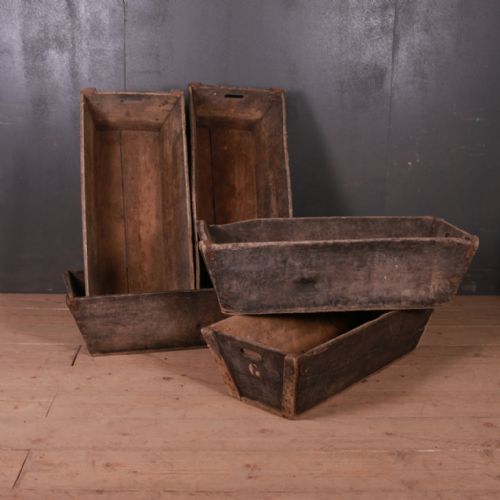
The selections on this page include coopered wooden barrels, metal grape hods, and silver-plated bottle holders. Alongside functional wine coolers and harvesting baskets, the category also embraces related wooden and metal vessels associated with domestic service and hearth.
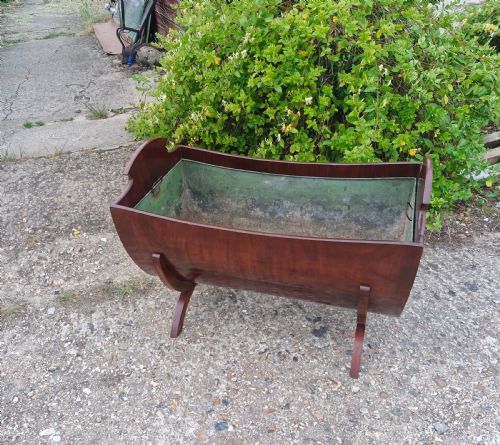
Buyers meet varied forms here, from French grape-picking hotties and iron carboy frames to mahogany country house log baskets and Arts and Crafts copper buckets. Each item reflects the agricultural or domestic work of its period.
How they were made
Construction relies heavily on traditional woodworking and metalworking techniques suited to heavy daily use. Coopers built wooden barrels and bins using tight staves, while metalworkers shaped copper, brass, iron, and silver plate into sturdy vessels and frames.
Materials range from rich mahogany and oak to hammered copper, wrought iron, and reflective silver plate. Makers integrated paint finishes and brass details where decorative refinement suited a country house interior or a formal dining room.
Antique Wine Basket Retail Price Guide 2026
Typical asking prices for wine basket among the pieces listed under this phrase on Sellingantiques today, from the lower quarter to the upper quarter. They describe what is for sale here now, not the wider market.
Vineyard workers once carried heavy grape hotties on their backs during the harvest, long before these frames found peace in country houses.
What varies in quality
Quality rests on the integrity of the construction and the retention of original materials, whether dealing with coopered wooden joints or riveted metal sheets. Pieces that maintain their structural strength without excessive modern intervention command greater respect.
The sophistication of the design sets individual examples apart, distinguishing utilitarian agricultural hods from finely inlaid mahogany tea stoves or decorative silver-plated coasters intended for formal entertaining.
The Antique Wine Basket Glossary
- Coopered
- Made by a cooper using curved wooden staves bound together with hoops. This technique applies to barrels, buckets, and certain containers found in the collection.
- Hotte
- A traditional French backpack basket used for harvesting grapes in the vineyard. These large carriers were typically shaped to sit comfortably against the picker's back.
- Demijohn
- A large, narrow-necked glass bottle used for holding liquids. They frequently appear encased in protective wicker or iron baskets.
- Silver Plate
- A layer of silver applied to a base metal such as copper or brass. This finish appears on coasters and bottle holders designed for dining tables.
Antique Wine Basket: Frequently Asked Questions
What is a grape hod?
A grape hod is a deep carrying basket traditionally used by workers during the autumn harvest in French vineyards. They were designed to transport freshly picked grapes from the vines to the press.
These working vessels were constructed from sturdy materials like wood and metal to withstand heavy loads in the field.
How were wine baskets used?
Wine baskets served multiple purposes ranging from agricultural harvesting to serving bottles at the dining table. Coopers and metalworkers made them to transport grapes, hold champagne, or carry fuel for the hearth.
Over time, many of these utilitarian containers transitioned into decorative interior pieces for country houses and formal rooms.
What materials are common?
Pieces in this category utilise a mix of timber and metal, reflecting both rural utility and domestic elegance. Common woods include oak and mahogany, while metals feature copper, brass, iron, and silver plate.
Paint finishes and zinc linings also appear on specific harvesting containers and storage bins.
How do I date these pieces?
Dating relies on stylistic clues, manufacturing methods, and material choices associated with nineteenth-century and early twentieth-century workshops. Details like Arts and Crafts hand-hammering or Victorian silver plating help anchor a piece in time.
Comparative study of similar coopered barrels and French rural containers provides further context for the production era.