



Antique Window Hanging
These antique window hanging pieces bring historic light and texture into a room, combining architectural salvage with decorative leadwork.
Antique Window Hanging
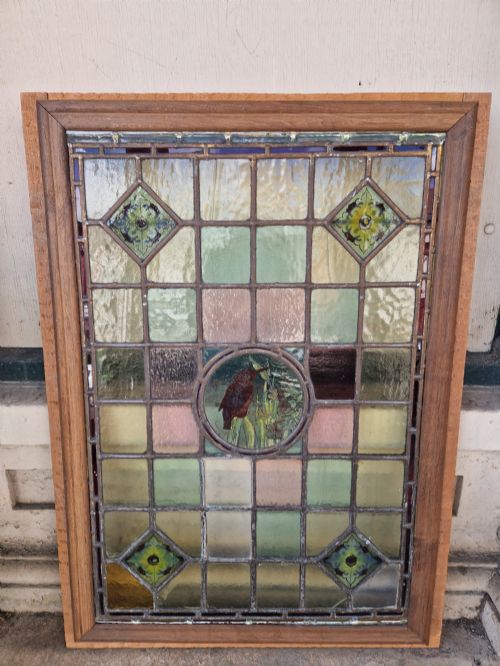
An antique window hanging encompasses stained glass panels, leaded glass windows, and architectural scroll panels sourced from various historical periods. The most common examples seen here are leaded glass windows from the Victorian era up to the 1920s, often featuring pictorial details like birds or religious iconography.
The range spans from 19th Century Gothic Revival church windows to early 20th century wrought iron window boxes and medieval-style wool tapestries. Buyers encounter both secular decorative panels and sacred ecclesiastical glass originating from the Victorian, Edwardian, and Arts and Crafts movements.
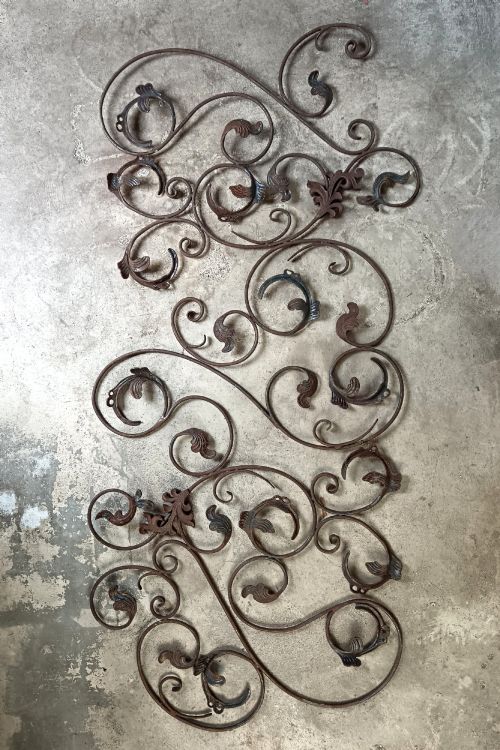
Forms vary from rigid wrought iron architectural scroll panels designed for exterior mounting to delicate hand-painted stained glass window panels framed in lead. These objects serve either as functional architectural elements or as decorative wall art within modern interiors.
How they were made
Maker construction relies heavily on traditional leaded glass techniques, binding individual coloured and amber bullseye glass segments together with lead cames. Hand-painted details appear across religious and pictorial panels, fixed to the glass through firing.
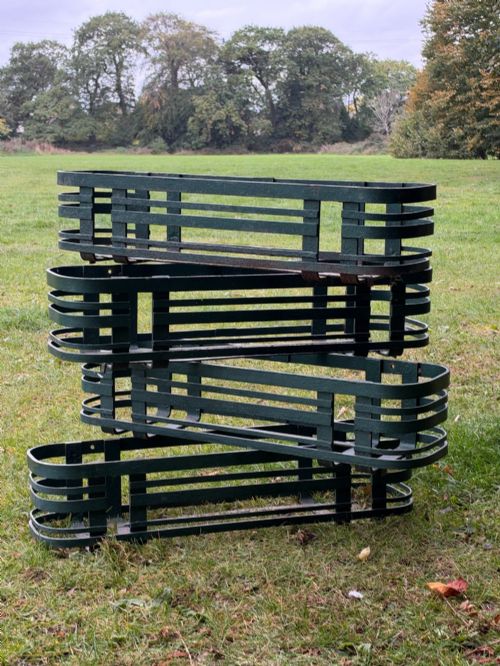
Metalwork pieces utilise wrought iron, shaped into architectural scroll panels and sturdy window boxes. Wooden elements incorporate pine wood alongside canvas and wool used in textile wall art adaptations.
Antique Window Hanging Retail Price Guide 2026
Typical asking prices for window hanging among the pieces listed under this phrase on Sellingantiques today, from the lower quarter to the upper quarter. They describe what is for sale here now, not the wider market.
Styles represented across the inventory include Gothic Revival, Victorian, Edwardian, and Arts and Crafts, taking the form of stained glass, architectural salvage, and tapestries.
What varies in quality
The integrity of the lead cames and the heaviness of the wrought iron framing determine structural longevity. Stylistic purity within Gothic Revival or Arts and Crafts traditions also elevates the standing of an individual piece.
The Antique Window Hanging Glossary
- Stained glass panel
- A decorative arrangement of coloured glass pieces held together by lead strips. These panels filter incoming light and often depict pictorial scenes or geometric patterns.
- Leaded glass window
- A window construction where individual glass panes are joined by lead cames. This method allows for intricate window designs spanning various historical periods.
- Bullseye
- A round centre piece of blown glass showing a circular swirl and a thick pontil mark in the middle. They add distinct texture and amber tones to leaded windows.
- Architectural salvage
- Building materials and decorative elements rescued from older structures slated for demolition. This category includes wrought iron scroll panels and church windows.
- Gothic Revival
- An architectural and artistic style popular in the nineteenth century mimicking medieval forms. It frequently manifests in pointed arch church windows and religious panels.
Antique Window Hanging: Frequently Asked Questions
How do I hang a heavy stained glass window?
Heavy leaded glass and wrought iron panels require secure structural fixings anchored directly into wall studs or masonry. Chain or wire supports must distribute the weight evenly across the main frame rather than relying on the lead cames.
Positioning the hanging piece in front of a natural light source allows the glass colours and painted details to illuminate properly. For interior walls without natural light, a backlit display box provides an alternative mounting solution.
What is the difference between Victorian and Arts and Crafts glass?
Victorian stained glass windows often feature ornate, highly detailed religious or pictorial scenes executed with rich, saturated colours. These designs lean towards traditional ecclesiastical or formal decorative aesthetics.
Arts and Crafts pieces emphasise simpler, nature-inspired motifs such as birds, branches, and honest craftsmanship. The materials used in this later style focus on artisanal integrity and integration with domestic architecture.
Can exterior architectural panels be used indoors?
Wrought iron window boxes and architectural scroll panels adapt well to indoor display as wall art or decorative partitions. Their weathered finishes introduce historical texture to modern interior spaces.
When hanging exterior salvage indoors, ensure the metal surfaces are cleaned and stabilised. This prevents further flaking of historical paint or active corrosion on the iron.
How are painted religious windows dated?
Dating relies on stylistic clues within the painting technique, the glass composition, and the lead work structure. Nineteenth-century Gothic Revival and Victorian religious panels often exhibit specific ecclesiastical motifs typical of those decades.
Comparing the panel's construction methods with documented church salvage records helps narrow down the production period. The presence of specific period markers, such as amber bullseyes or particular framing materials, further refines the age.