





Antique Window Frames
Antique window frames bring architectural depth to an interior, offering weathered timber and historic glass panels salvaged from period buildings.
Antique Window Frames
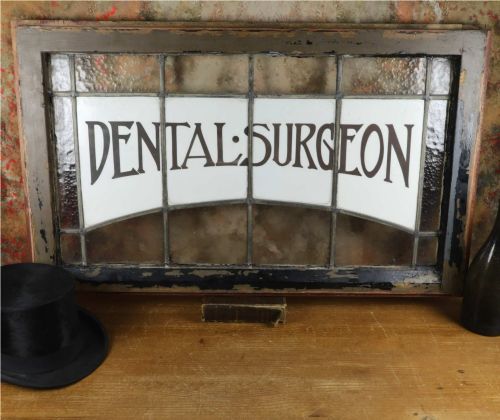
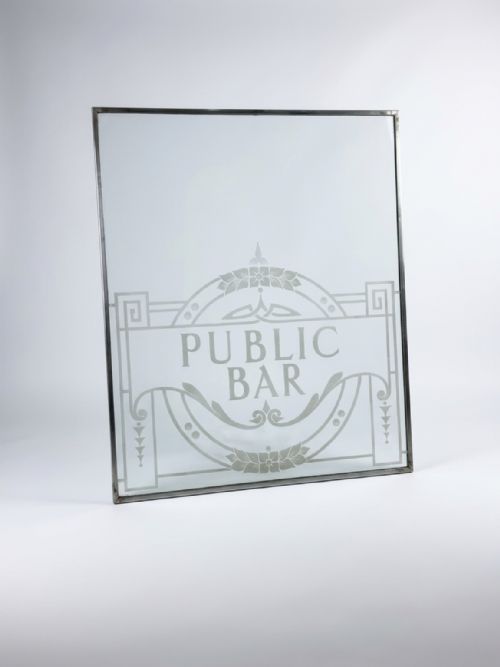
These antique window frames comprise architectural salvage items, stained glass panels, and leaded glass windows originating from the nineteenth and early twentieth centuries. Pieces span Victorian, Edwardian, and earlier eras, reflecting Gothic Revival, Arts and Crafts, and neoclassical influences from diverse domestic and ecclesiastical settings.
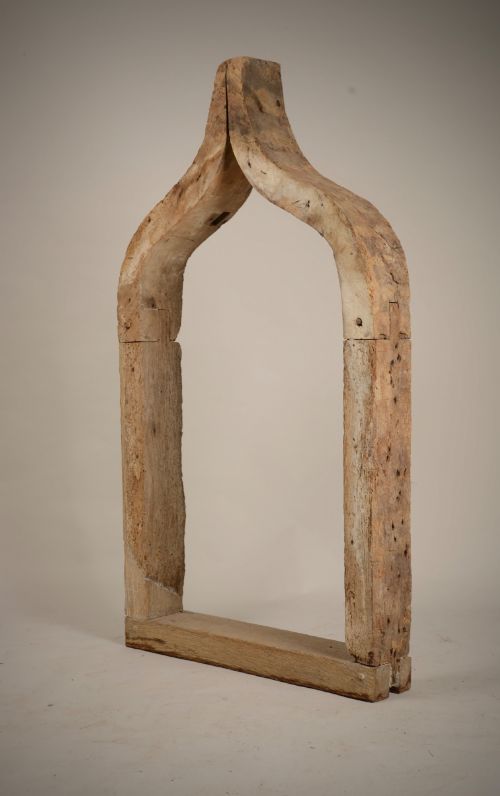
Buyers seeking antique window frames encounter leaded and stained glass panels alongside timber architectural elements. The selection ranges from hand-painted figurative designs depicting knights, countryside scenes, and birds to structural wooden frames and church tracery panels.
How they were made
Craftsmen built these window frames using solid timbers such as oak, pine, and mahogany, often joining structural members with traditional carpentry methods. Glazing relied on lead came to hold individual glass pieces securely within the frame.
Decorative glass elements incorporate hand-painted details and stained finishes, fired to bond pigments permanently to the glass surface. Bullseyes and mouth-blown glass panes introduce natural variations in texture and thickness across the panels.
Antique Window Frames Retail Price Guide 2026
Typical asking prices for window frames among the pieces listed under this phrase on Sellingantiques today, from the lower quarter to the upper quarter. They describe what is for sale here now, not the wider market.
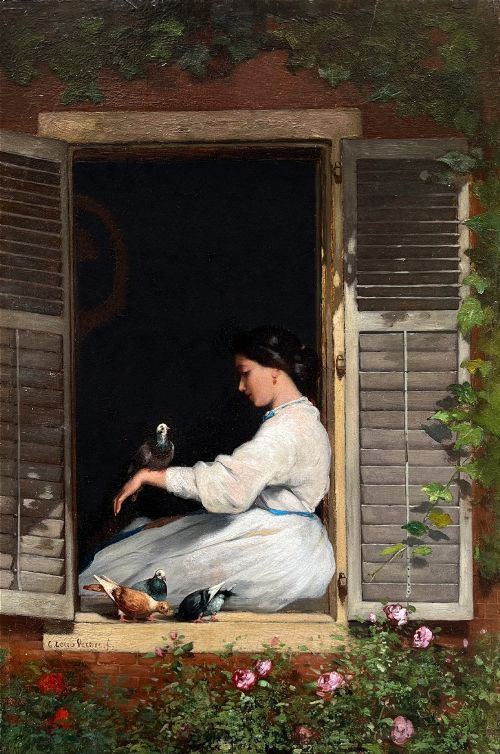
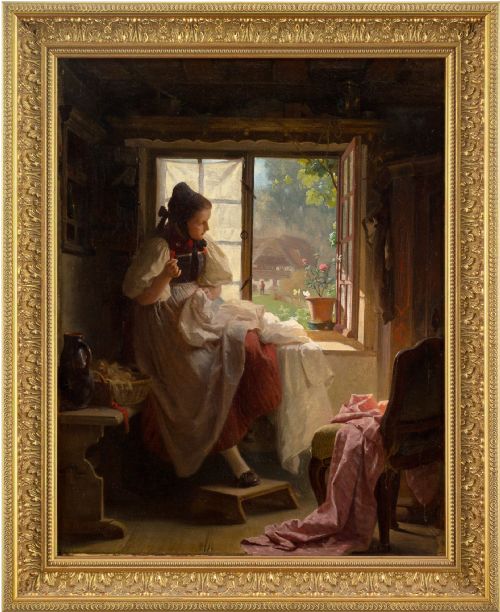
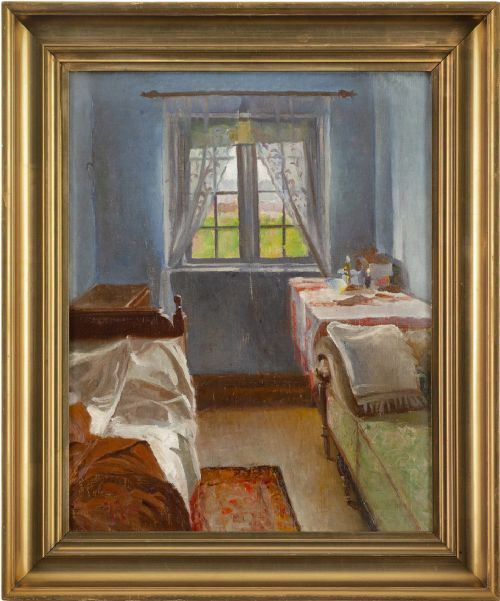
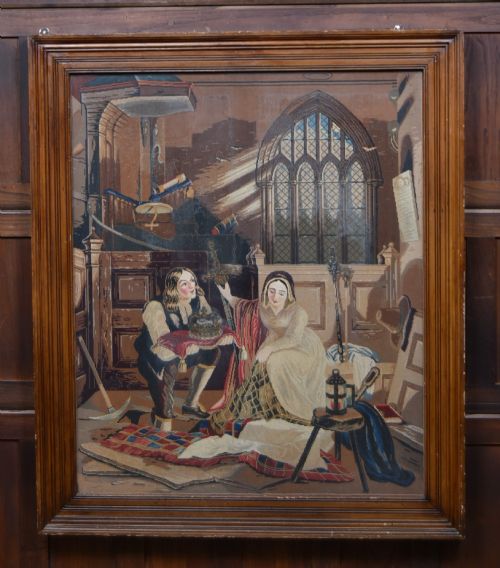
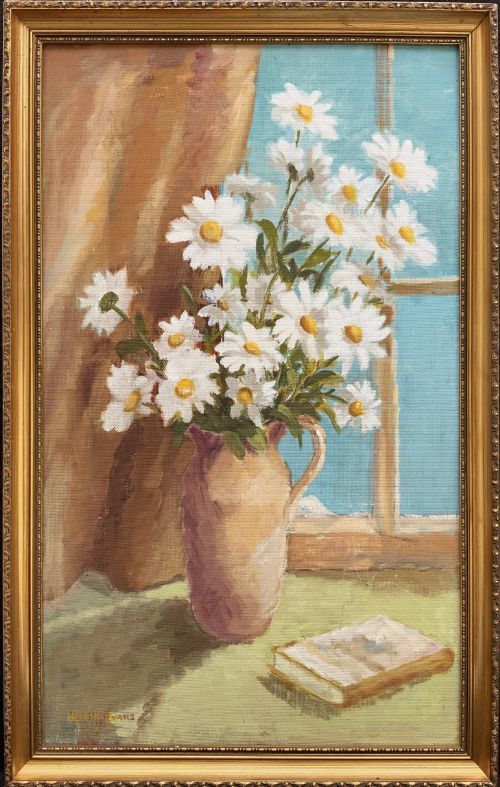
The inventory includes architectural salvage alongside stained glass panels and oil paintings.
What varies in quality
The sophistication of the hand-painted artistry on the glass dictates the distinction between standard architectural salvage and finer decorative panels. Detailed pictorial scenes involving complex figures and heraldic emblems demonstrate superior technical execution by the maker.
The integrity of the original leadwork and timber determines the structural merit of the piece. Intricate tracery carving and well-preserved timber framing elevate the overall architectural presence of the item.
The Antique Window Frames Glossary
- Architectural Salvage
- Building materials and decorative elements rescued from demolition or renovation sites for reuse. These items preserve historical craftsmanship and period design.
- Leaded Glass
- Glass panes held together by strips of lead, known as cames, soldered at the joints. This technique creates geometric or pictorial designs.
- Stained Glass
- Coloured or painted glass assembled into panels using lead channels. It filters light while displaying decorative or narrative imagery.
Antique Window Frames: Frequently Asked Questions
How do I hang an antique window frame?
Heavy window frames require secure wall fixings or custom steel brackets attached directly to structural wall studs. Professional installation ensures the weight is distributed properly without damaging the historic timber or glass.
Lighter panels can be hung using traditional picture hanging chain anchored into masonry or reinforced plaster. Ensure the suspension points take the full load of the lead and glass assembly.
How do I clean antique stained glass?
Dust the surface gently with a soft, dry cloth to remove loose particles without disturbing the lead cames. Avoid abrasive cleaners or harsh chemicals that might strip hand-painted pigments from the glass.
Consult a specialist conservator if the lead cames feel loose or the glass shows structural instability. Gentle maintenance preserves the fragile paint layers and aged patina.
What periods do these window frames represent?
The available pieces predominantly date from the Victorian and Edwardian eras, spanning the nineteenth and early twentieth centuries. Styles range from Gothic Revival ecclesiastical fragments to domestic Arts and Crafts designs.
Earlier medieval examples also appear, identifiable by heavy timber construction and primitive glassmaking techniques. Each era employs distinct joinery methods and decorative motifs.