







Antique Window Dressings
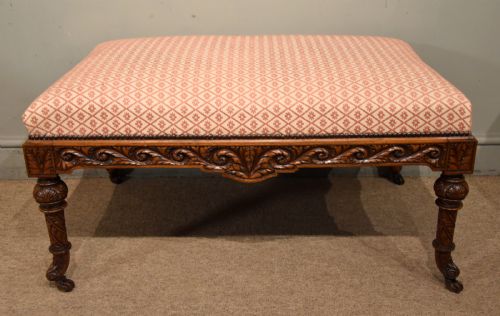
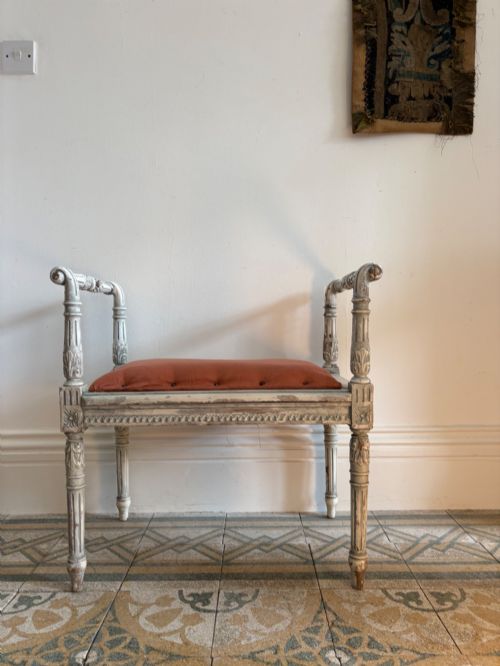
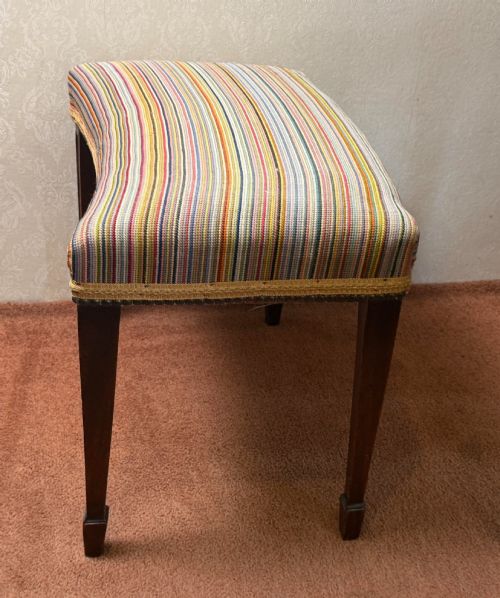
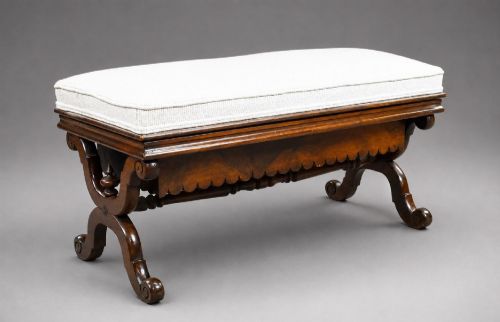
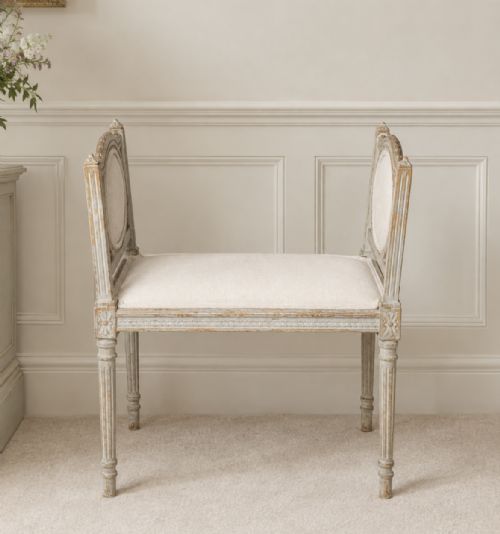
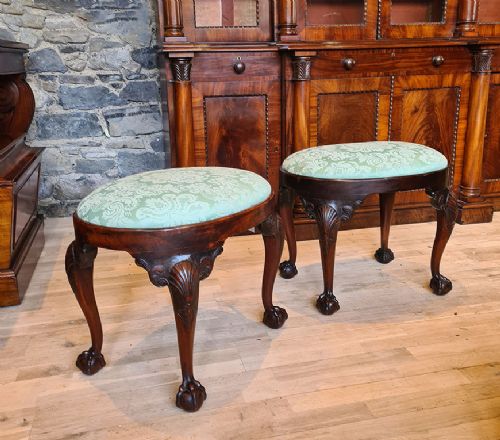
Antique window dressings appear here as seating forms like mahogany window seats and upholstered stools designed for domestic placement.
Antique Window Dressings
When buyers search for antique window dressings, they encounter low seating forms designed to sit beneath sills or serve dressing tables. These pieces encompass window seats, benches, and stools spanning the eighteenth, nineteenth, and early twentieth centuries.
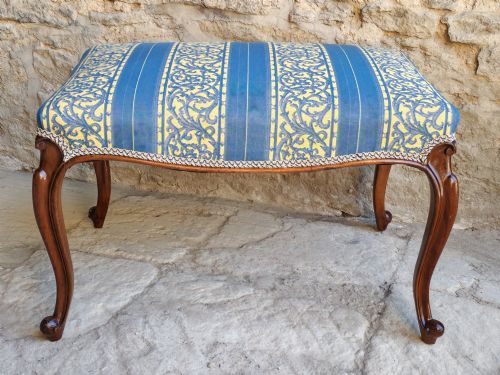
The selection on this page relies heavily on nineteenth-century pieces alongside Georgian and Edwardian examples. Forms range from simple square mahogany frames to elaborate walnut window seats with carved details and silk or velvet upholstery.
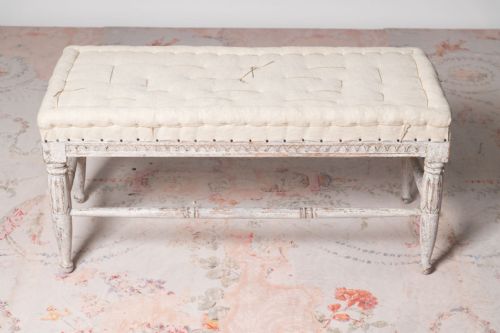
Stools and benches form the core of this grouping, originating from British, French, Swedish, and Chinese workshops. Buyers find both single items and pairs constructed for specific domestic interiors.
Materials and construction
Cabinetmakers utilised dense hardwoods such as mahogany, walnut, rosewood, and satinwood to build sturdy frames for these seating forms. Carved ornamentation, turning, and ebonising appear across many of the listed examples.
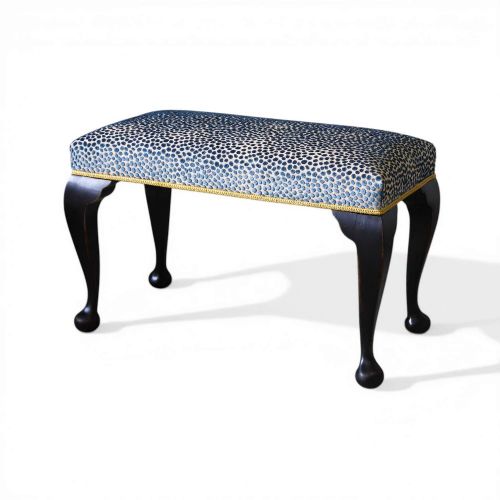
Upholstery materials include silk, velvet, damask, and cane inserts, supported by internal webbing and stuffing. Frames frequently feature joinery techniques like mortise and tenon alongside hand-carved decorative elements such as cabriole legs or claw and ball feet.
Antique Window Dressings Retail Price Guide 2026
Typical asking prices for window dressings among the pieces listed under this phrase on Sellingantiques today, from the lower quarter to the upper quarter. They describe what is for sale here now, not the wider market.
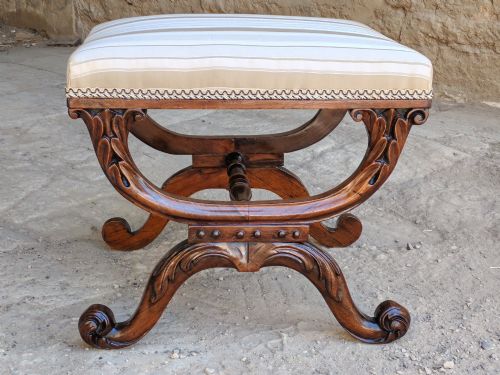
Object forms span window seats, dressing stools, benches, and X-frame curule seating from British, French, and Swedish origins.
Judging quality
The refinement of the timber and the depth of the carving determine the distinction between standard examples and superior pieces. Finer items display crisp detailing on walnut or mahogany frames and employ high-grade upholstery fabrics.
Proportion and structural integrity separate robust period examples from lesser pieces. Well-executed turning, balanced framing, and original surface finishes elevate the status of an item within this category.
The Antique Window Dressings Glossary
- Window seat
- A long stool or bench designed specifically to fit the recess of a window. These pieces frequently feature upholstered tops and supportive wooden frames.
- Curule stool
- An ancient Roman shape revived in later design styles, featuring an X-frame construction. Examples here include gilded or carved wood interpretations from the nineteenth century.
- Cabriole leg
- A furniture leg that curves out and then in, resembling the leg of an animal. This form appears frequently on eighteenth and nineteenth-century mahogany and walnut pieces.
- Ebonising
- The process of treating timber to give it the appearance of ebony. Several Victorian and Edwardian examples utilise this dark finish on their wooden frames.
- Banquette
- A long upholstered bench or stool often associated with French seating forms. These items combine exposed wooden frames with cane or fabric surfaces.
Antique Window Dressings: Frequently Asked Questions
Where were these pieces used?
Such seating was typically positioned in domestic interiors near windows, dressing tables, or at the foot of beds. Their low profile kept sightlines clear.
They provided versatile seating options in drawing rooms, dressing rooms, and hallways throughout British and continental homes.
How do I date a stool?
Dating relies on identifying the prevailing style, timber choices, and construction methods characteristic of specific periods like the Georgian or Victorian eras. Secondary woods and turning styles offer further chronological clues.
Examining the joinery and upholstery foundation helps distinguish eighteenth-century pieces from later nineteenth-century interpretations.
How should I care for the wood?
Maintenance involves keeping wooden frames away from direct heat sources and extreme humidity fluctuations to prevent timber splitting. Gentle dusting preserves the polished surface.
Upholstery requires careful vacuuming with a soft attachment to protect delicate fabrics like silk and velvet without damaging the underlying structure.