





Antique White Tableware
Antique white tableware brings domestic history directly to the table through serving pieces and dinner services shaped by centuries of ceramic craft.
Antique White Tableware
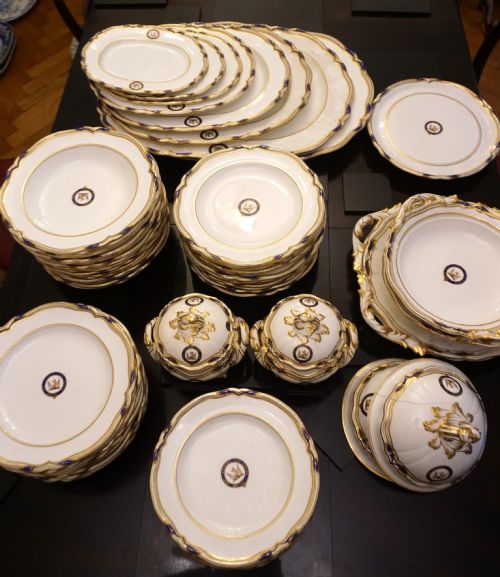
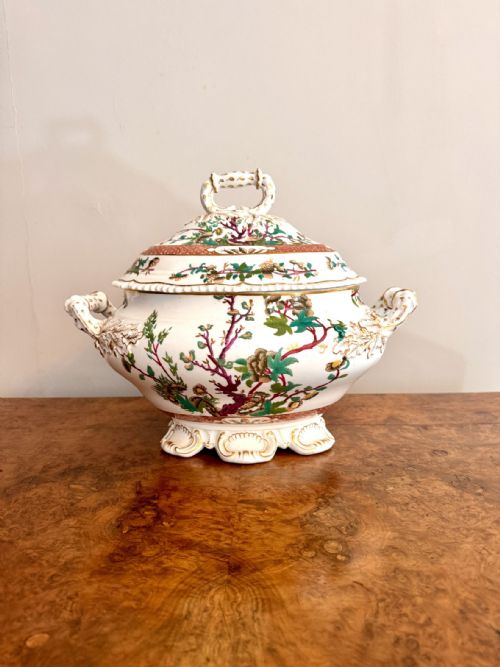
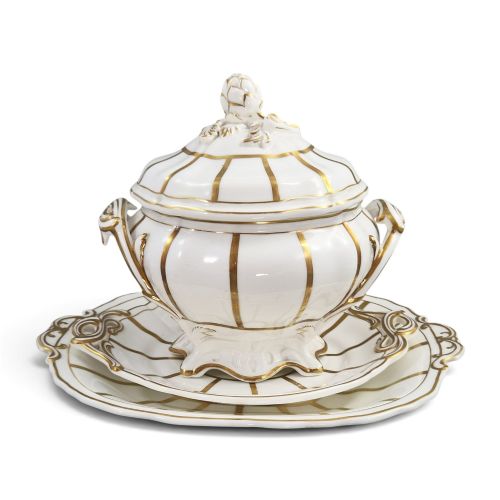
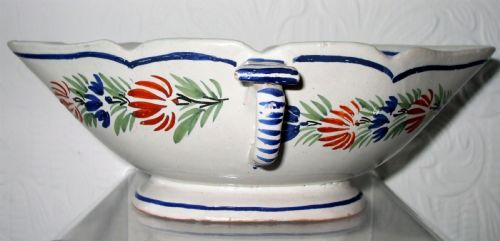
When you search for antique white tableware, you encounter a varied selection of ceramic domestic objects spanning the eighteenth, nineteenth, and early twentieth centuries. These listings comprise functional vessels and serving pieces, including tureens, sauceboats, dinner services, and plates.
The objects originate from notable British, European, and Asian traditions, encompassing Georgian, Victorian, and Edwardian periods alongside French provincial styles and Japanese porcelain. Earthenware, bone china, and porcelain form the foundation of these historical services.
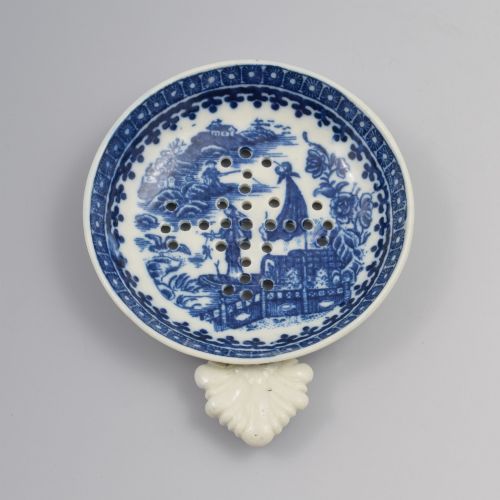
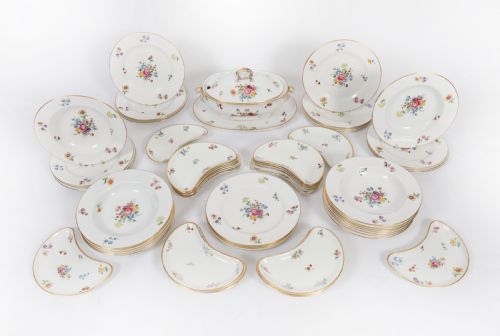
Dinner services and individual serving dishes dominate the assortment, reflecting formal dining practices of past eras. Tureens and platters appear frequently alongside specialised items such as egg drainers, cheese dishes, and custard sets.
How they were made
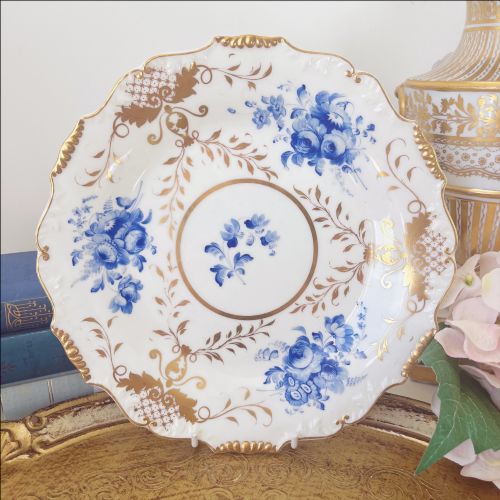
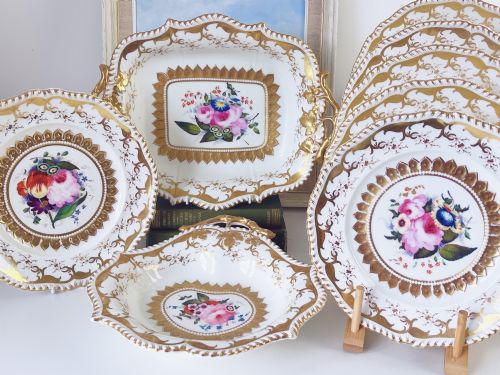
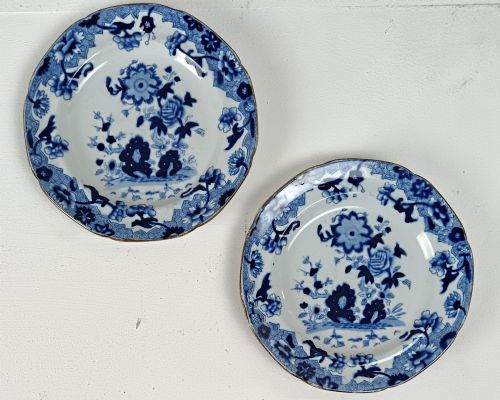
Potters utilised earthenware, soft-paste porcelain, and bone china, shaping bodies by hand or mould before applying fluid glazes. Surface decoration frequently involved hand-painted floral motifs, Chinese figures, and blue and white transfer printing.
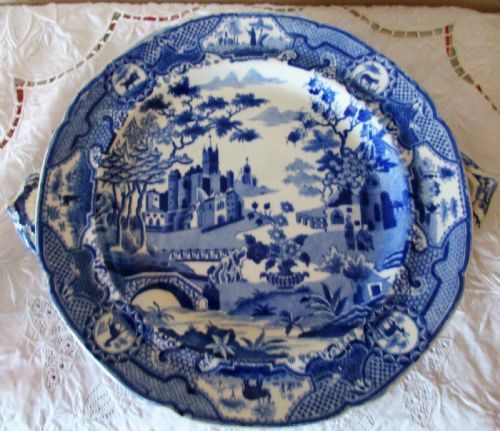
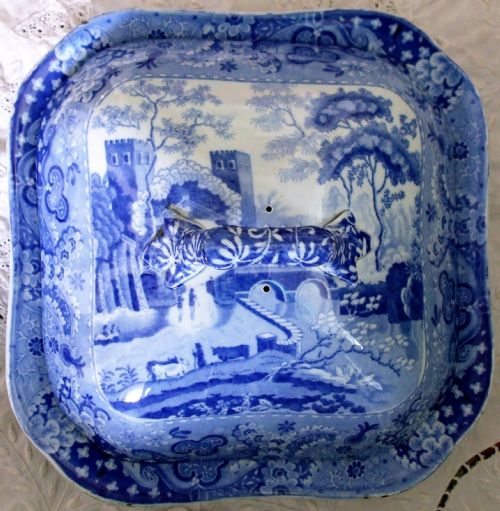
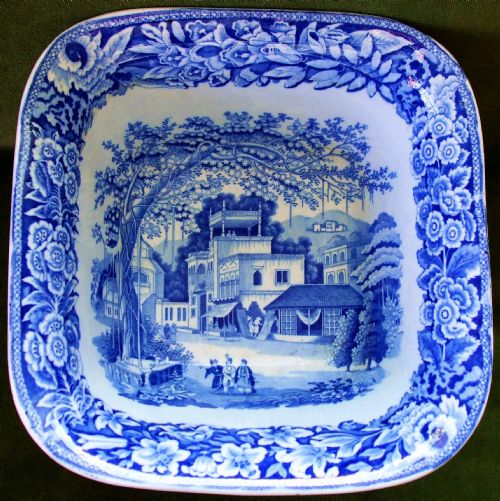
Transfer printing allowed complex pictorial patterns like castle views and landscape scenes to be transferred from engraved copper plates onto pottery surfaces. Gilding with gold leaf and enamel highlights were added subsequently to finer porcelain services before final kiln firing.
Antique White Tableware Retail Price Guide 2026
Typical asking prices for white tableware among the pieces listed under this phrase on Sellingantiques today, from the lower quarter to the upper quarter. They describe what is for sale here now, not the wider market.
Listings feature porcelain, earthenware, and soft-paste porcelain, decorated with transfer printing, hand-painted flowers, and gold leaf across the eighteenth and nineteenth centuries.
What varies in quality
Distinction in quality arises from the crispness of transfer-printed details, the delicacy of the ceramic body, and the precision of hand-painted brushwork. Finer porcelain exhibits translucency and thinness, whereas robust ironstone and earthenware prioritise durability for daily kitchen service.
Completeness of a service and uniformity across a set significantly influence the standing of an assembly. Pieces bearing clear maker marks or documented factory patterns demonstrate higher artisanal ambition than unmarked utilitarian wares.
H & R Daniel Shrewsbury·Grainger Lee & Co·Davenport Bone China·J. & R. Riley·J. & R. Clews·Müller Volkstedt MV Co.
The Antique White Tableware Glossary
- Transfer printing
- A method of decorating ceramics by applying an engraved copperplate design onto paper and then transferring the ink onto the pottery surface before glazing.
- Soft-paste porcelain
- An artificial porcelain composition fired at lower temperatures than hard paste, popular in eighteenth-century English factories for its warm glaze and creamy tone.
- Tureen
- A deep covered bowl designed for serving soups, sauces, or vegetables at the dining table, often accompanied by a matching ladle and undertish.
- Bone china
- A type of porcelain incorporating animal bone ash, producing a strong, white, and translucent ceramic body developed by English potteries.
- Ironstone
- A heavy, durable type of earthenware patented in the nineteenth century to imitate porcelain while offering greater resistance to daily wear.
Antique White Tableware: Frequently Asked Questions
How do I date antique white tableware?
Dating relies on identifying backstamps, factory marks, style periods, and the specific composition of the ceramic body, such as bone china or soft-paste porcelain. Comparing pattern names and transfer print motifs against historical factory records provides narrower production windows.
Material weight and glaze characteristics also offer chronological clues. Earthenware bodies from the Georgian era differ visibly in texture and glaze pooling from later Victorian ironstone or twentieth-century porcelain.
Can I use antique white tableware for dining?
Many sturdy ironstone and porcelain pieces remain suitable for careful daily use, provided they are washed by hand rather than subjected to modern dishwashers. Sudden temperature changes should be avoided to protect fragile historical glazes and underlying ceramic bodies.
Pieces with delicate overglaze enamels or gold leaf require particular caution to prevent surface wear. Displaying or reserving them for special occasions helps preserve their condition over time.
What is the difference between porcelain and earthenware?
Porcelain is fired at high temperatures, resulting in a vitreous, non-porous, and frequently translucent material that rings when struck. Earthenware is a coarser, porous ceramic body fired at lower temperatures and coated with an opaque glaze to hold liquids.
Historical white tableware utilises both materials depending on the intended function. Fine dining services favoured porcelain, whereas heavy kitchen platters and utility bowls utilised durable earthenware and ironstone.
How were transfer printed pieces decorated?
Craftsmen engraved copper plates with detailed pictorial scenes, inked them, and transferred the impression onto tissue paper. This printed paper was pressed onto the biscuit ceramic body to leave the ink outline before glazing and firing.
Some factories added hand-painted enamel colours over the transfer print to enhance the final palette. This combination of mechanical printing and hand finishing created the characteristic blue and white patterns found on historical tableware.