



Antique White Metal Box
An antique white metal box is a small, portable vessel made from precious or base alloy, prized for holding patches, snuff or trinkets.
Antique White Metal Box
When searching for an antique white metal box, a buyer encounters a diverse group of small receptacles created across the eighteenth and nineteenth centuries. These items range from pocket-sized patch and snuff boxes to larger table pieces, often finished with enamel, porcelain or precious linings.
The eighteenth-century examples on this page are typically pocket-sized items from English production centres like South Staffordshire and Bilston. They display hinged lids and painted enamel panels depicting figures or pastoral scenes, intended for the polite society of the Georgian era.
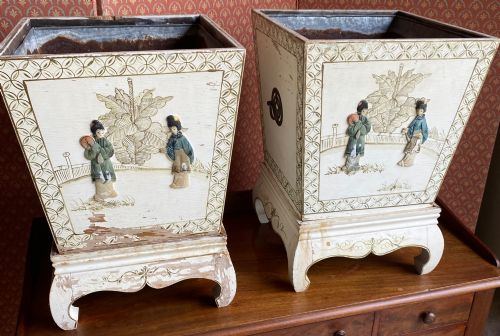
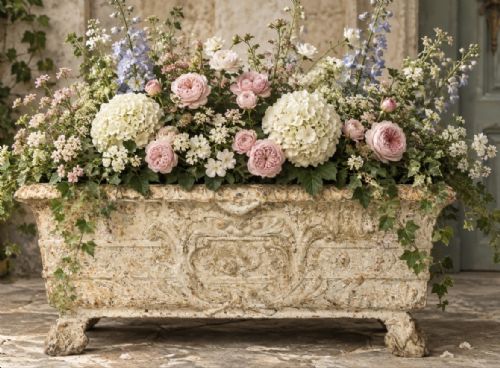
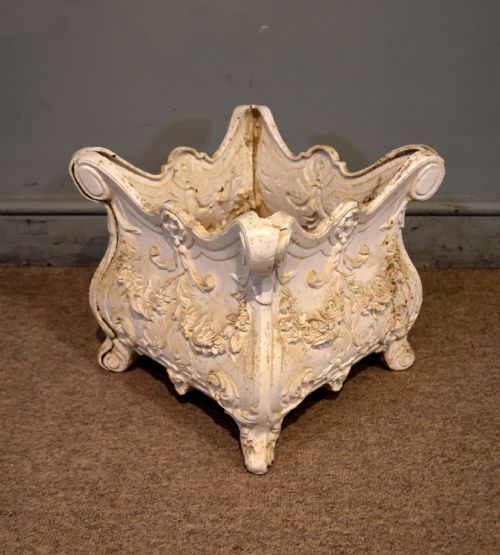
Nineteenth-century items shift toward heavier desk and table vessels, including cast iron planters and bronze or champleve enamel boxes. These display historicist revival styles, incorporating classical motifs or ornate floral patterns suited to Victorian interiors.
How they were made
The manufacture of these pieces relies on a combination of metalworking and surface decoration, using materials such as copper, brass, gunmetal and cast iron. Enamel and porcelain are frequently fused to metal bases to create smooth, colourful pictorial lids.
Makers shaped the metal bodies through casting, forging and stamping, then applied hinges and clasps by hand to secure the lids. Linings of tortoiseshell or fine wood were sometimes fitted inside the metal frames to protect delicate contents.
Antique White Metal Box Retail Price Guide 2026
Typical asking prices for white metal box among the pieces listed under this phrase on Sellingantiques today, from the lower quarter to the upper quarter. They describe what is for sale here now, not the wider market.
Materials in these listings include enamel, gilt metal, copper, cast iron, paint, porcelain, gunmetal and brass.
What varies in quality
Quality in these items is determined by the crispness of the casting and the finesse of the hand-painted decoration on the enamel or porcelain panels. Sharply detailed moulding and well-preserved polychrome pigments distinguish finer workshops from standard production.
The mechanical integrity of the hinge and the snugness of the lid closure indicate the standard of original craftsmanship. Pieces that retain their interior linings and original surface gilding demonstrate superior preservation and maker skill.
Edme Samson Of Paris·William McNaught·Coalbrookdale
The Antique White Metal Box Glossary
- Enamel
- A glassy substance fused to the surface of metal through kiln firing to provide colour and decoration. It creates a smooth, impervious finish often found on eighteenth-century patch boxes.
- Patch box
- A small container used in the eighteenth century to hold small fabric patches worn on the face to conceal blemishes or display social status. They usually feature a small mirror fitted inside the lid.
- Snuff box
- A small, tightly sealed hinge-lidded box designed to carry powdered tobacco. These were carried in the pocket and made from various metals and enamels.
- Champleve
- An enamelling technique where troughs are carved into the metal surface and filled with enamel powder before firing. The surrounding metal walls remain visible to form a grid of lines around the colour.
Antique White Metal Box: Frequently Asked Questions
What is an antique white metal box?
An antique white metal box is a small container fashioned from a silver-coloured alloy, often used historically for tobacco, cosmetics or personal items.
These pieces reflect the prevailing decorative styles and metalworking techniques of their period of manufacture.
How were eighteenth century boxes used?
Eighteenth-century boxes served practical roles in daily etiquette, holding scented snuff or small silk cosmetic patches for the face.
They were carried in pockets or kept on dressing tables as indicators of refinement and social standing.
How do I identify a Bilston box?
Bilston boxes are typically small copper containers coated in white enamel and decorated with hand-painted pastoral or figural scenes.
They date primarily to the eighteenth century and feature characteristic copper-gilt mounts and snug hinged lids.
How should I clean my metal box?
Cleaning depends entirely on the surface materials, as enamel and porcelain require much gentler care than exposed bronze or iron.
Dusting with a dry, soft cloth is generally sufficient, avoiding harsh metal polishes that can strip delicate gilding or damage painted panels.