


Antique White Furniture
When you search for antique white furniture, you are looking at pale-painted, washed and weathered timber and metal pieces designed for domestic and garden use.
Antique White Furniture
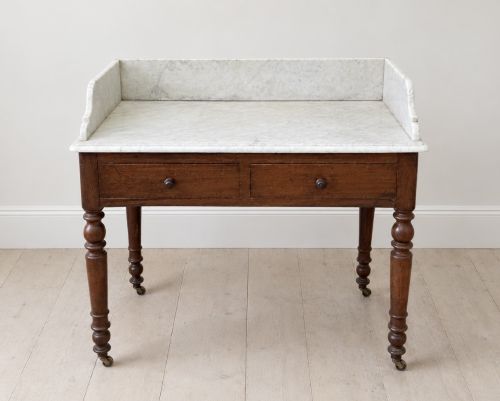
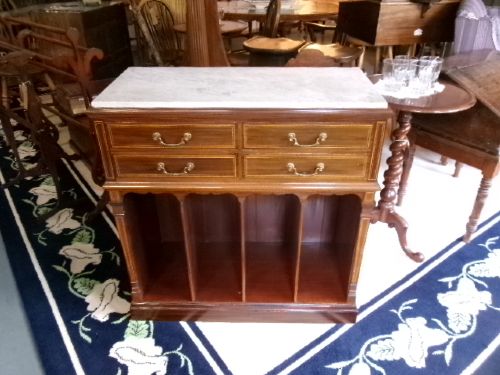
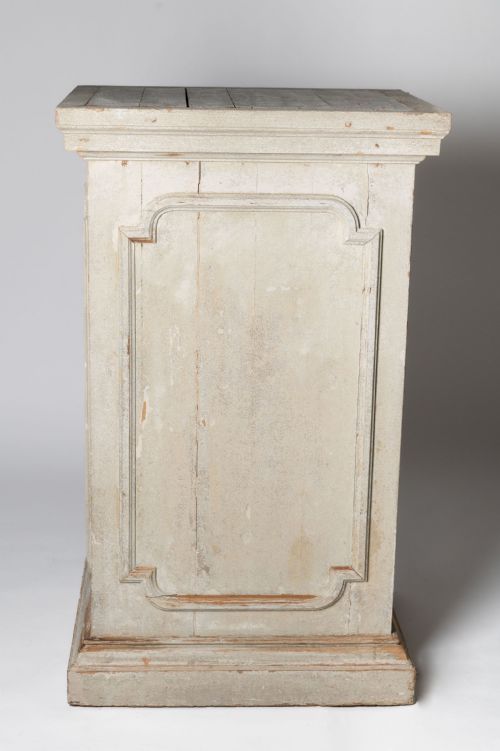
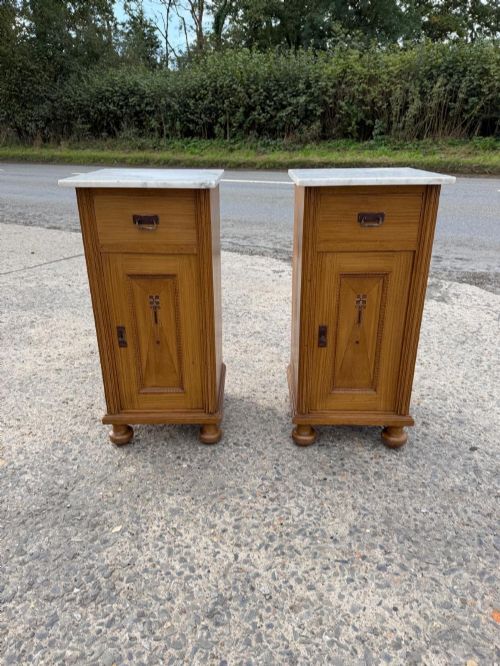
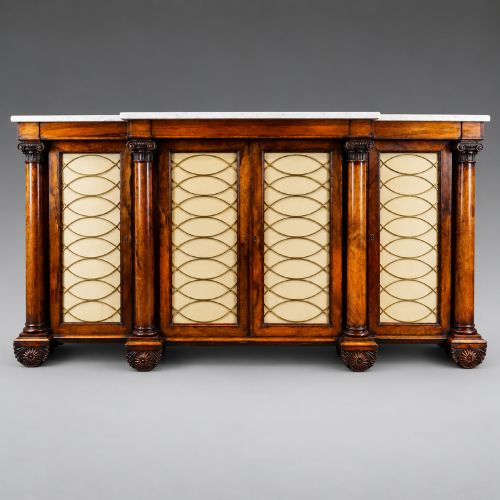
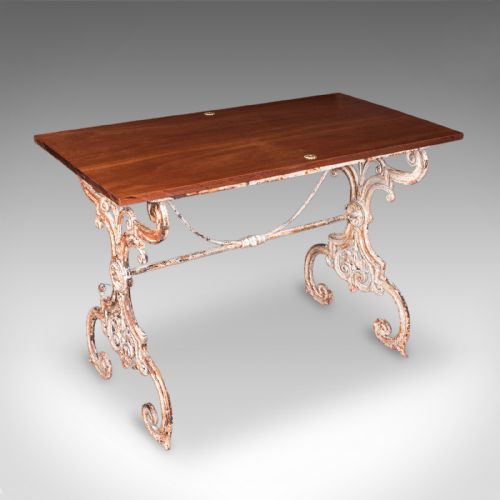
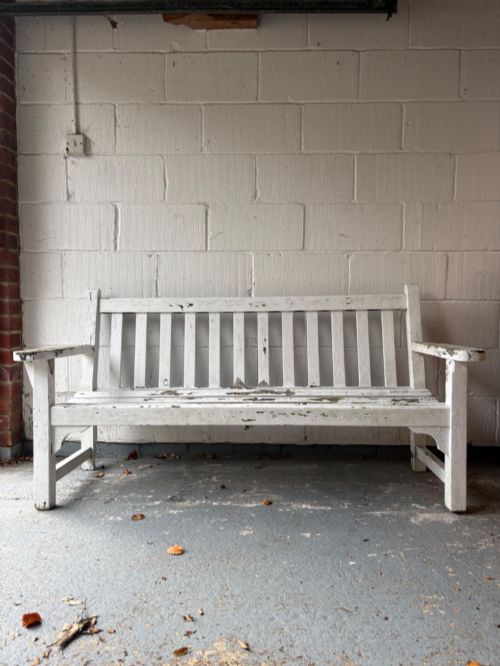
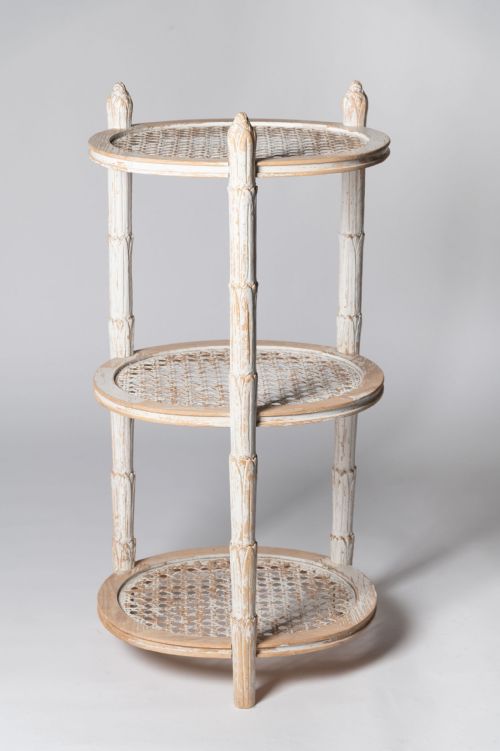
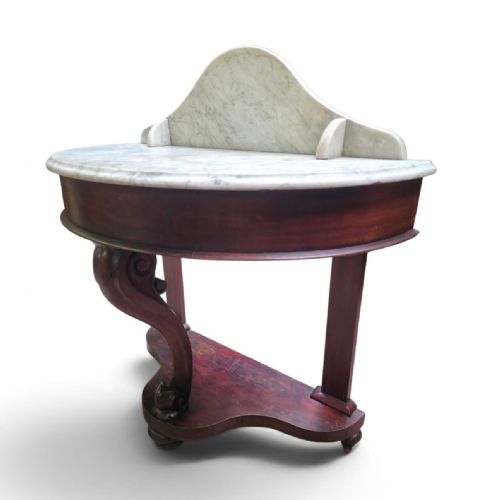
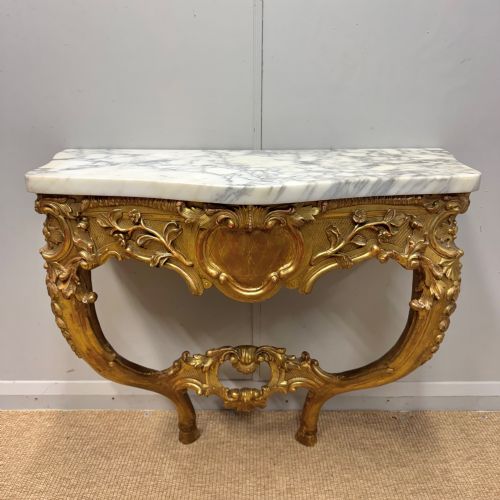
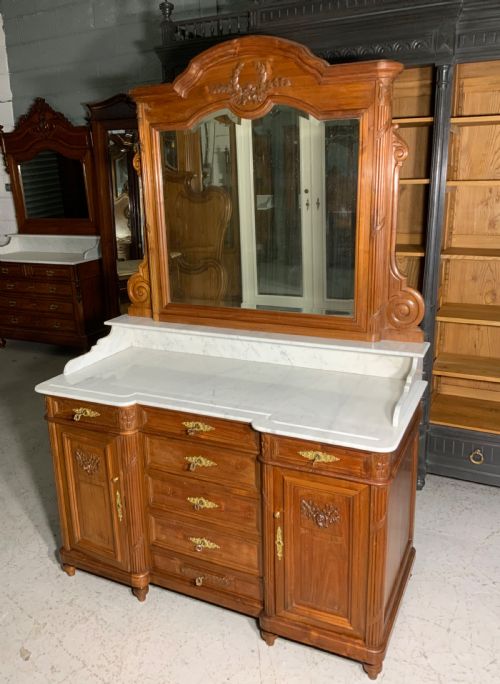
When buyers search for antique white furniture, they find a diverse selection of painted, lacquered and light-finished domestic items and garden fixtures. The selection includes occasional tables, chests of drawers, washstands with marble tops, and robust cast iron garden benches originating from the nineteenth and early twentieth centuries.
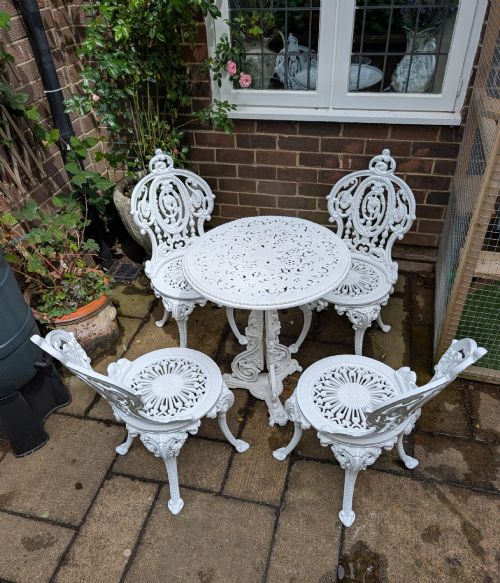
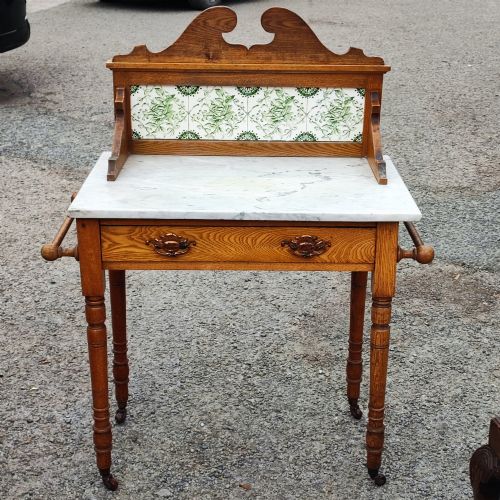
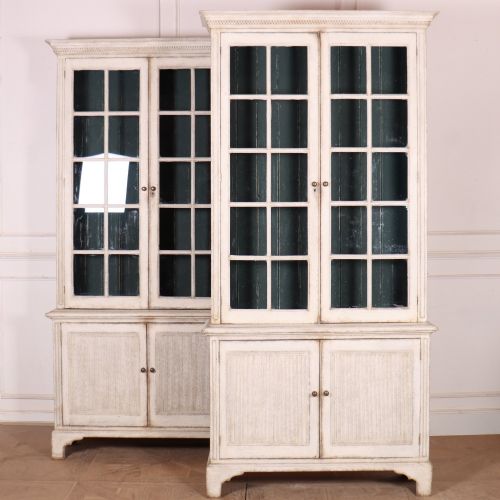
The most common examples on this page are garden benches and seating in cast iron and wrought iron, alongside European painted pine bedside cabinets, washstands and console tables. These pieces span French provincial, Gustavian, Victorian and Edwardian styles, reflecting both indoor living spaces and conservatory or garden environments.
How they were made
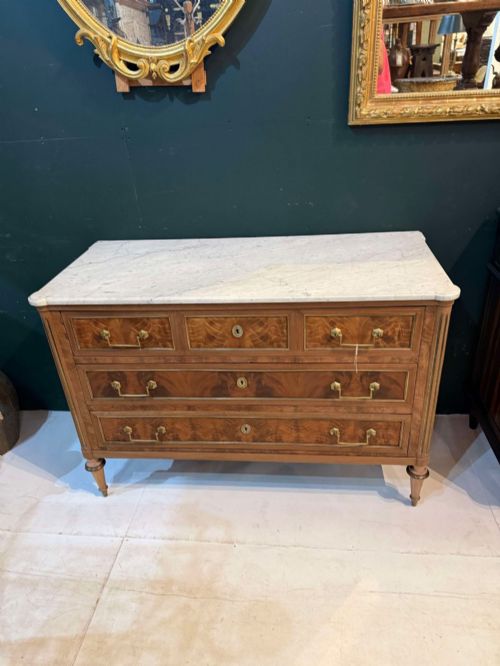
The construction of these items relies on traditional joinery in woods such as mahogany, satin birch and pine, frequently paired with imported marble slabs for washstand and table tops. Metal pieces utilise heavy cast iron and wrought iron, shaped in foundries using openwork patterns, strapwork and botanical motifs.
Surfaces receive distinct finishes including original paint, white enamel and lacquered decoration, often applied over pine or cast metal substrates. Many items incorporate inlaid brass, copper or carved details to create the decorative styles associated with French, Swedish and English workshops of the period.
Antique White Furniture Retail Price Guide 2026
Typical asking prices for white furniture among the pieces listed under this phrase on Sellingantiques today, from the lower quarter to the upper quarter. They describe what is for sale here now, not the wider market.
Materials recorded across these items combine traditional hardwoods like mahogany and satin birch with cast iron, wrought iron, and marble.
What varies in quality
Quality in antique white furniture rests on the integrity of the original surface finish versus later repainting, and the heaviness and detail of the underlying material. Finely cast iron benches with crisp botanical motifs and intact original coatings stand apart from plainer, heavily restored examples.
The sophistication of the joinery and the selection of materials define the tier of a piece, such as solid mahogany frames and heavy carved woodwork compared to simpler pine construction. The presence of undamaged marble tops, original hardware and documented foundry attribution elevate the standing of individual tables and cabinets.
Falkirk Carron Foundry·Christopher Dresser·Coalbrookdale·Sir Clough Williams-Ellis
The Antique White Furniture Glossary
- Gustavian
- A Swedish neoclassical style originating in the late eighteenth century characterised by pale painted finishes, restrained carving and light proportions. It strongly influences the light-coloured Scandinavian furniture found in this category.
- Washstand
- A dedicated domestic item of furniture designed to hold a basin and jug for washing, frequently topped with marble to resist water damage. They often incorporate cupboards or lower shelves.
- Strapwork
- Flat bands of metal or wood arranged in geometric patterns, commonly seen on nineteenth-century garden benches and tables. This technique provides structural rigidity while creating an open, decorative lattice.
- Faux bois
- A technique where materials like cast iron or concrete are moulded and painted to imitate natural wood grain. It appears on Victorian garden benches designed to blend into rustic landscape settings.
- Chinoiserie
- European imitation and interpretation of Chinese and East Asian artistic traditions, involving lacquered surfaces and painted motifs. This style is found on decorative side tables and cabinets from the Victorian era.
Antique White Furniture: Frequently Asked Questions
How do I clean antique painted furniture?
Dust surfaces regularly with a soft, dry cloth to prevent dirt accumulation on the painted finish. Avoid harsh chemical cleaners or excess water that might damage fragile aged paint layers.
For stubborn marks, use a slightly damp cloth with mild soap, drying the area immediately afterwards. Test any cleaning method on a hidden spot first to ensure the historic finish remains secure.
Can cast iron garden benches stay outside?
Cast iron garden benches are built for outdoor exposure and withstand weathering well due to their heavy metal construction. However, continuous damp conditions will eventually encourage rust where paint or enamel has worn thin.
Protecting benches during severe winter weather or placing them on well-draining surfaces helps preserve the metal. Inspect the paint finish periodically and touch up bare spots to prevent corrosion.
What is a marble top washstand used for?
Marble top washstands originally served bedrooms and dressing rooms as stable, water-resistant surfaces for washing basins and pitchers. The stone top protected the underlying wood frame from splashes and soap spills during daily use.
Today, these versatile pieces function well as side tables, bathroom vanities or hallway consoles. The cool stone surface provides a practical and decorative top for lamps and ornaments.
How can I tell a nineteenth-century bench apart?
Nineteenth-century garden benches typically show heavier weight, sand-casted iron construction and bolted rather than welded joints. Details such as registration marks, foundry names, and crisp botanical or strapwork patterns indicate period production.
Examine the casting quality and the wear on the feet and seat slats to understand the age. Authentic pieces often display natural surface pitting and multiple layers of historical paint beneath the current finish.