



Antique White Cream Jug
An antique white cream jug brings eighteenth and nineteenth-century porcelain and pottery into daily use, combining practical service with delicate painted or moulded design.
Antique White Cream Jug
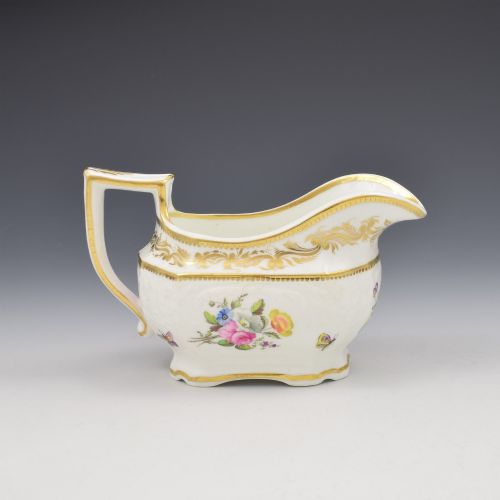
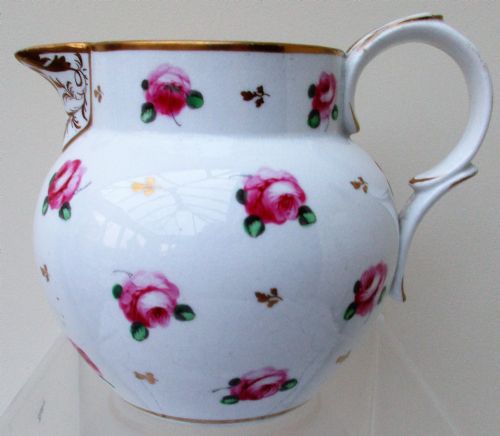
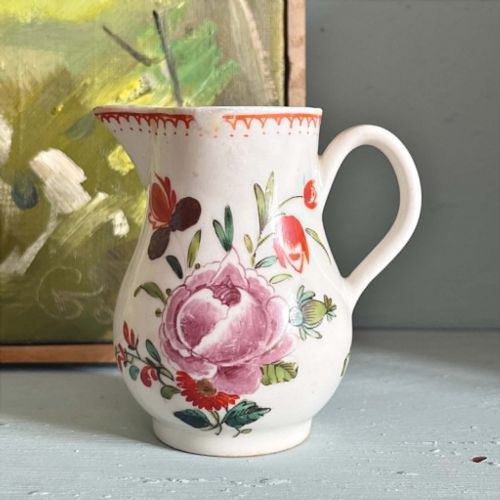
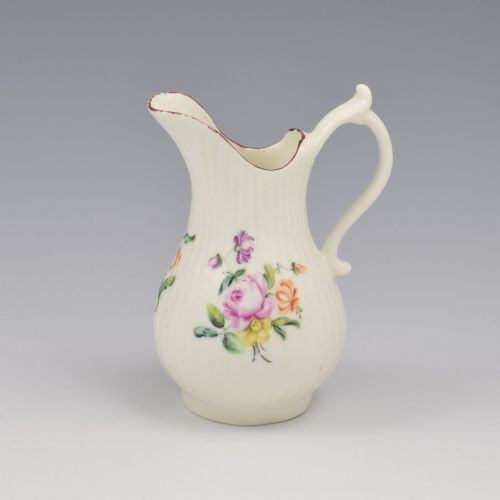
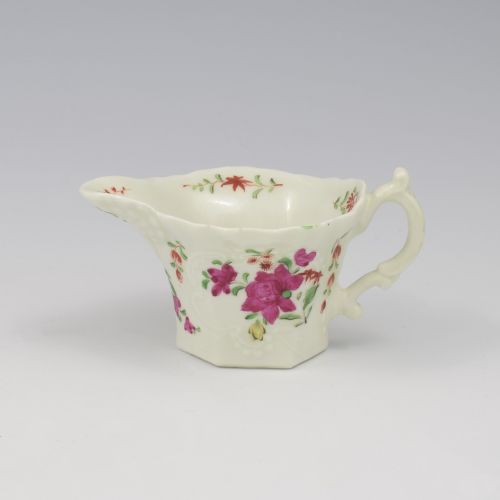
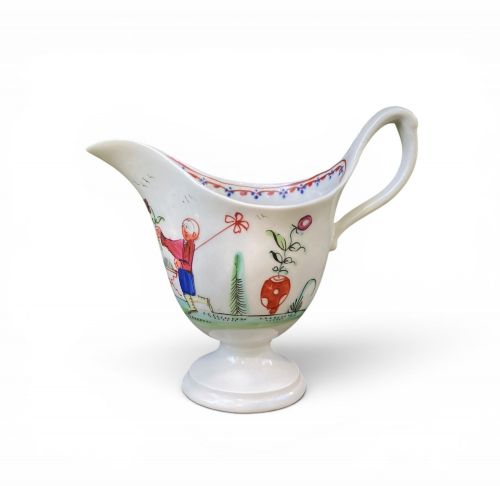
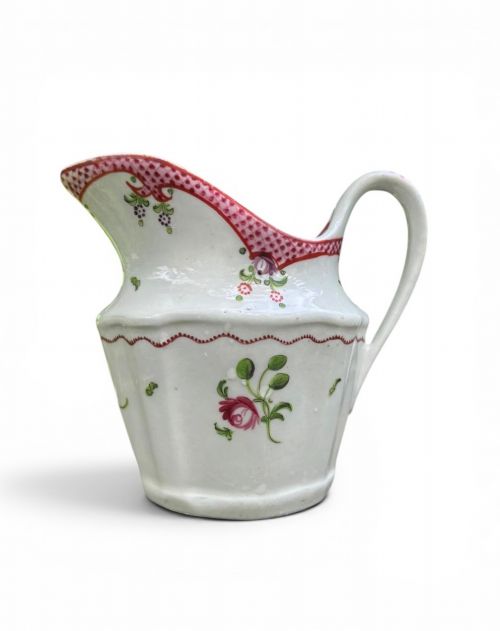
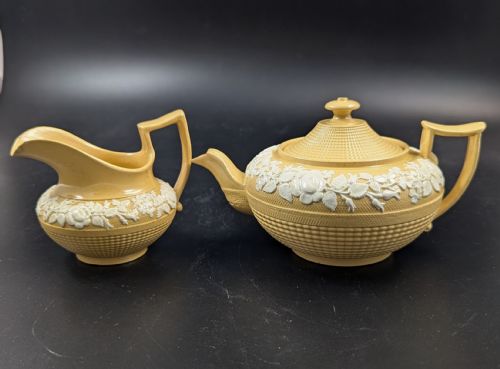
An antique white cream jug sits on the tea or breakfast table, serving milk or cream alongside the teapot in domestic service. These pieces span the eighteenth and nineteenth centuries, taking the form of sparrowbeak jugs, helmet creamers, sauce boats, and cow creamers.
The selections range from early English porcelain factories like Worcester, Bow, and Derby to continental makers such as Meissen, alongside earthenware and pearlware from Leeds, Staffordshire, and New Hall.
Buyers encounter forms decorated with polychrome flowers, transfer printing, handpainted birds, and relief moulding, reflecting Georgian, Regency, and Victorian styles.
Materials and Technique
Potters shaped these vessels using soft-paste porcelain, earthenware, pearlware, and creamware, applying glazes to seal the porous bodies. Many pieces incorporate handpainting, gilding with gold leaf, enamel decoration, and transfer printing.
Factories such as Worcester and Derby utilised specialised moulding and turning techniques on the potter's wheel to achieve delicate spouts, dolphin handles, and fluted baluster bodies.
Antique White Cream Jug Retail Price Guide 2026
Typical asking prices for white cream jug among the pieces listed under this phrase on Sellingantiques today, from the lower quarter to the upper quarter. They describe what is for sale here now, not the wider market.
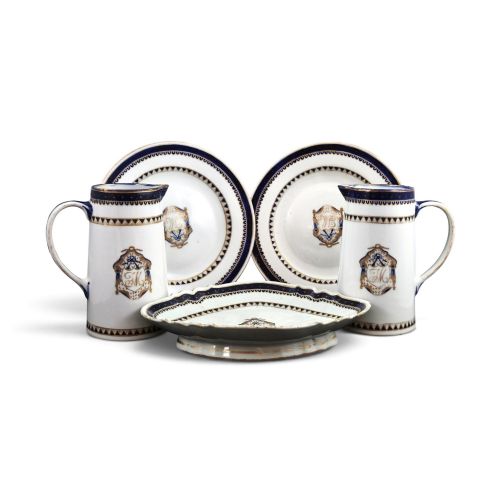
The inventory spans Georgian, Regency, and Victorian styles, including Chinese Export porcelain and Staffordshire figural pottery.
Judging Quality
Quality rests on the crispness of the moulding and the skill of the handpainting, distinguishing factory output from standard commercial ware. Finer vessels show delicate control in polychrome enamels, clean transfer printing, and well-proportioned handles and spouts.
The refinement of the paste, whether soft-paste porcelain or creamware, dictates the translucency and weight of the jug.
Derby Porcelain·Bow porcelain·New Hall porcelain·Meissen·H & R Daniel·Leeds Pottery·Staffordshire Pottery·JONES & WALLEY·Wedgwood·Crown Derby
The Antique White Cream Jug Glossary
- Sparrowbeak creamer
- A small eighteenth-century porcelain jug featuring a distinct pinched lip resembling a bird's beak. These early forms were designed for serving small quantities of cream at the tea table.
- Soft-paste porcelain
- An artificial ceramic compound fired at lower temperatures than hard paste, developed by early European potteries. It produces a warm, translucent body well suited to enamelled decoration.
- Pearlware
- A refined earthenware developed by Josiah Wedgwood in the late eighteenth century, featuring a faint bluish glaze that pooled in recesses. It bridged the gap between creamware and later white earthenwares.
- Transfer printing
- A decoration technique where an engraved metal plate transfers a design onto paper and then onto the ceramic surface before glazing. This method allowed intricate patterns like landscapes and animals to be replicated consistently.
- Cow creamer
- A hollow ceramic figure of a cow with a filling hole on the back and a spout through the mouth, used for serving cream. These whimsical pieces were popular in Staffordshire and Welsh potteries during the Georgian and Victorian eras.
Antique White Cream Jug: Frequently Asked Questions
What is a sparrowbeak jug?
A sparrowbeak jug is an eighteenth-century porcelain vessel characterised by a small, pinched spout that resembles a bird's beak. These jugs were made for pouring cream during formal tea service.
Factories like Worcester and Bow produced them in quantity, often decorated with handpainted polychrome flowers or oriental scenes.
How were cow creamers used?
Cow creamers served as novel containers for table cream, filled through an aperture on the animal's back and poured from the mouth. They were manufactured primarily in Staffordshire and Wales during the Georgian and Victorian periods.
These figural pieces combined domestic utility with playful ceramic sculpture.
How do I date an antique cream jug?
Dating relies on stylistic markers, paste composition, and factory marks where present. Georgian pieces often display neoclassical shapes or simple painted flora, while Victorian examples lean towards relief moulding and transfer printing.
Comparing the handle form, glaze pooling, and potting thickness against known factory production periods helps narrow the decade.