

Antique White Clock
An antique white clock brings classical elegance and precise mechanical craft into a room, combining pale stone or enamel with warm metallic mounts.
Antique White Clock
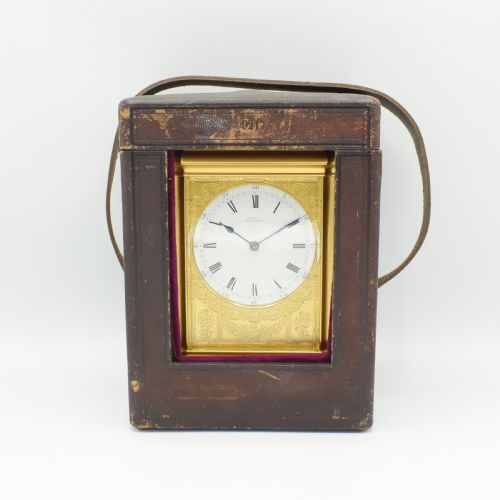
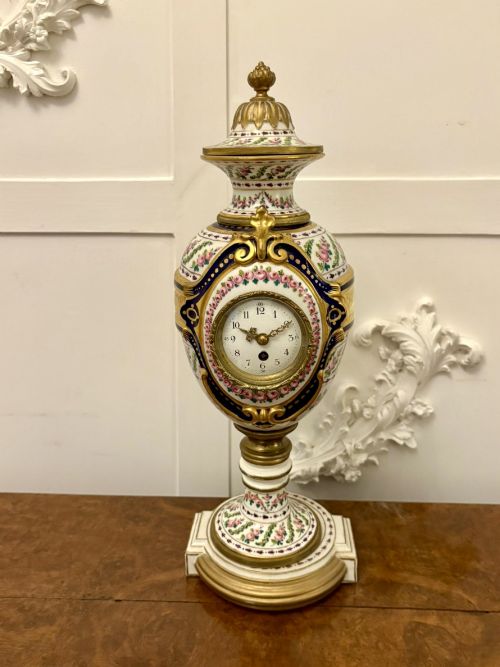
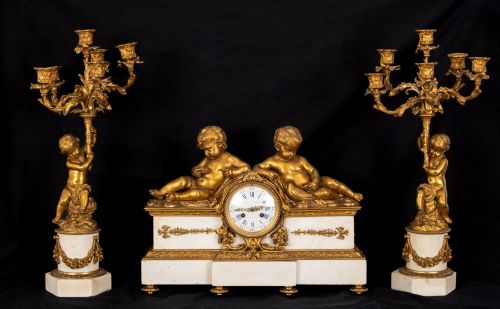
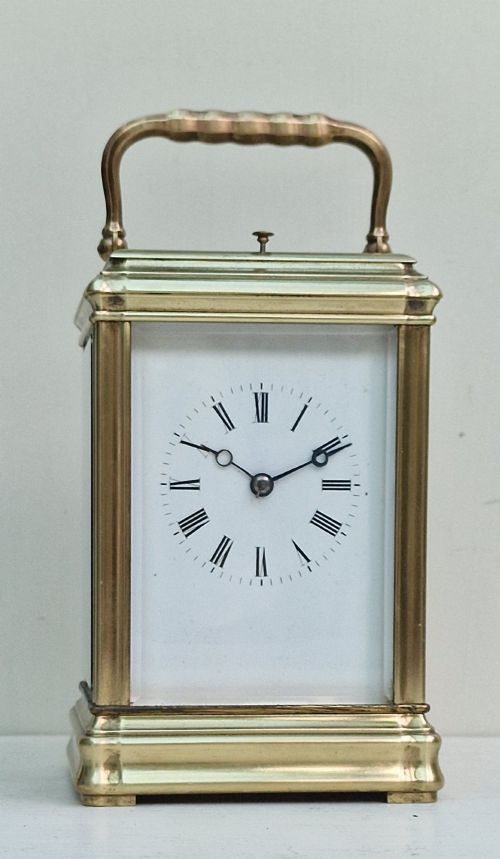
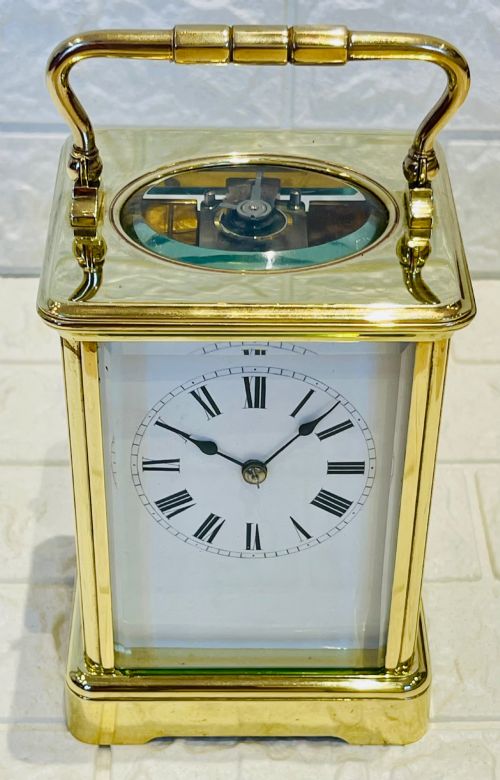
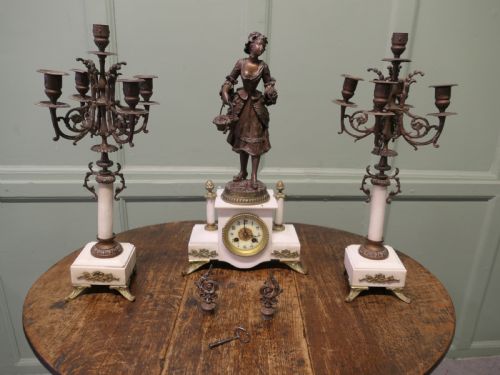
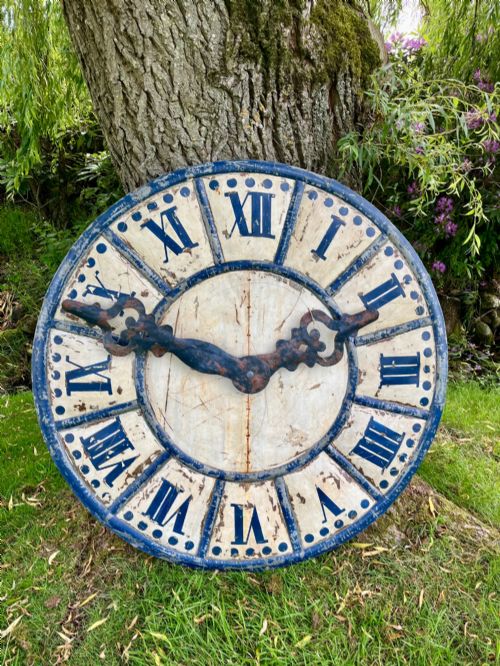
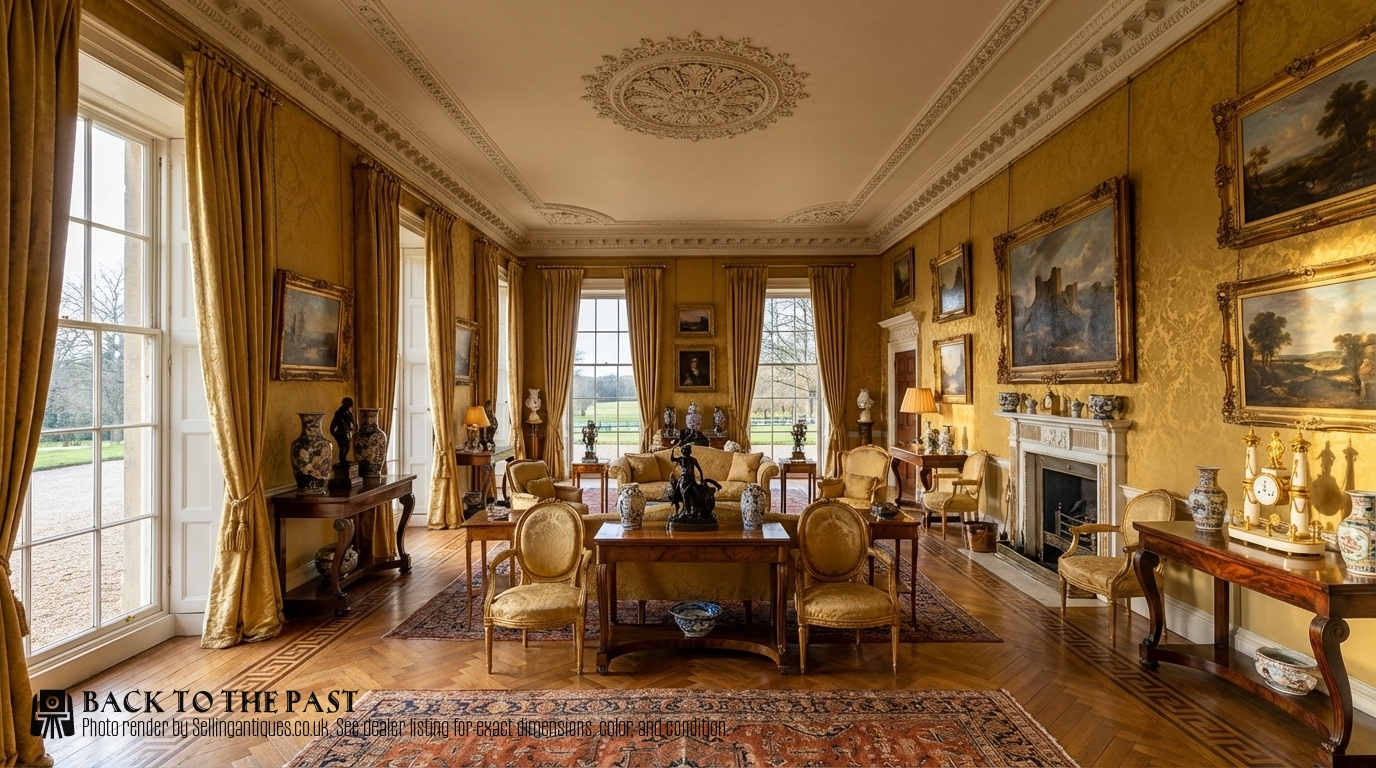
Beyond domestic mantelpieces, the inventory encompasses portable carriage clocks housed in brass cases, wall clocks, large dial faces, and comprehensive clock garnitures accompanied by matching candelabra or urns. These objects served both a practical domestic purpose and a decorative function in period interiors.
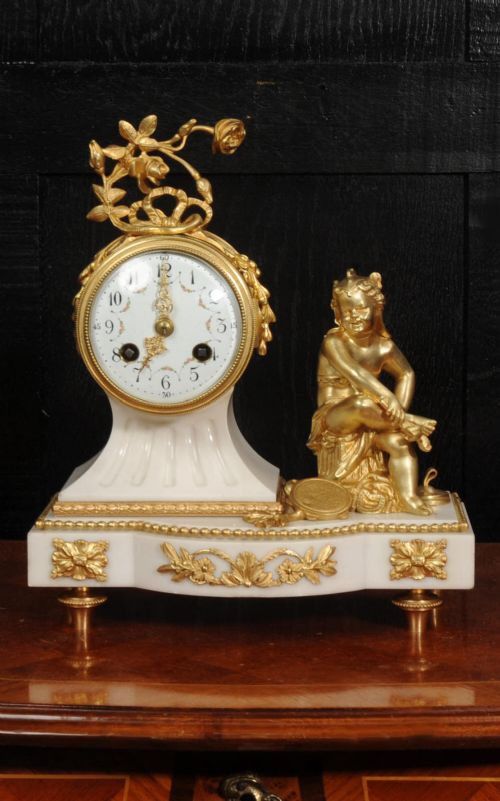
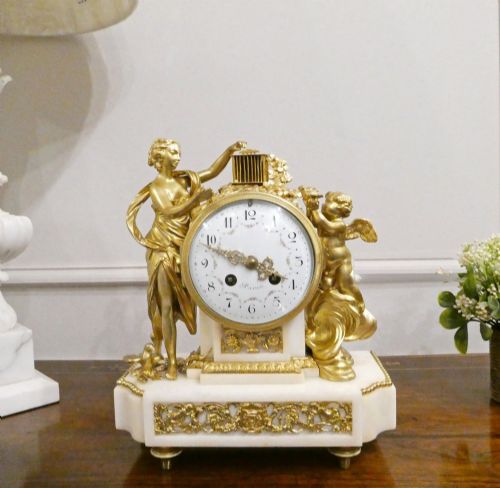
The aesthetic leans towards classical revivals, particularly Louis XVI styles, French Rococo, and Victorian interpretations featuring figural elements such as putti, cherubs, and mythological subjects.
Materials and Construction
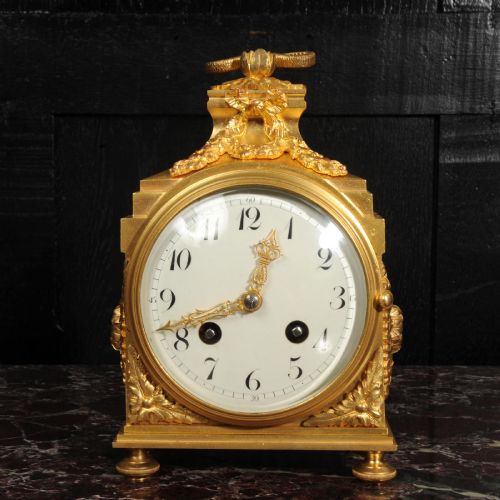
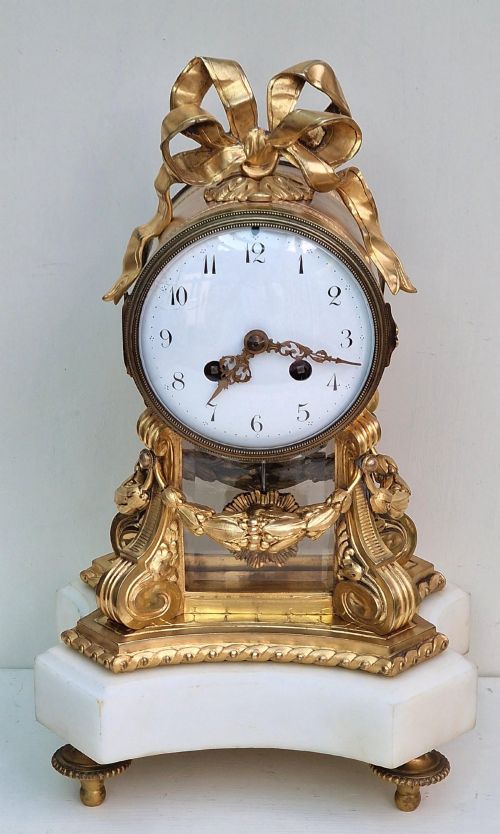
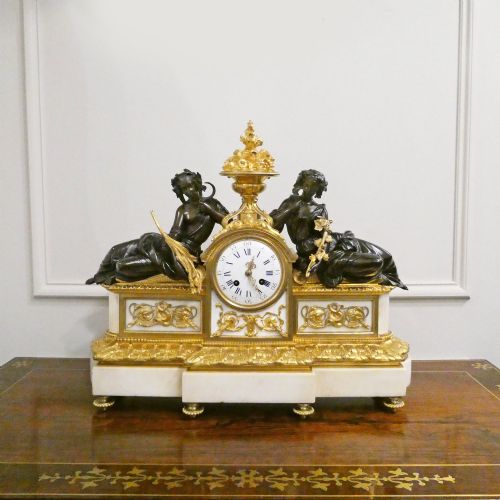
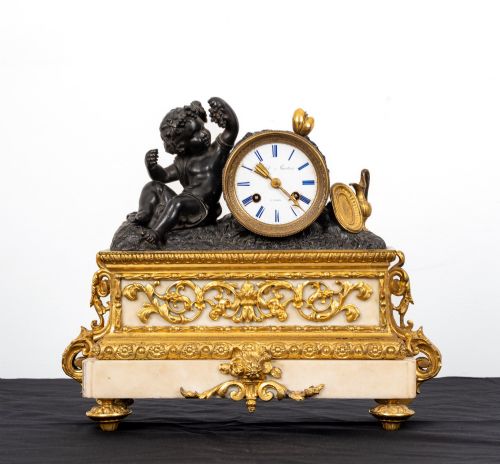
Makers utilised smooth white marble as the primary structural body for architectural mantel and portico clocks, often shaping the stone into columns, urns, or stepped plinths. This pale foundation was customarily enriched with cast ormolu and gilt bronze mounts, which provided decorative friezes, bezels, and figural ornaments.
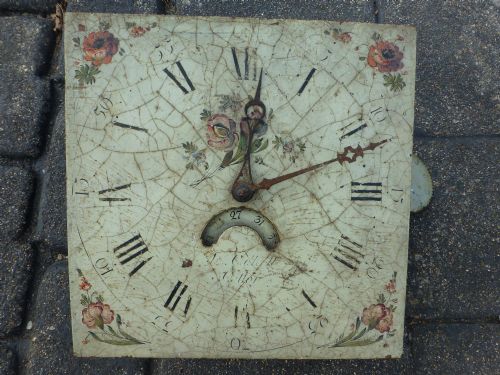
Dials were predominantly formed from white enamel with painted Roman or Arabic numerals, sometimes protected beneath bevelled glass panels. Internal movements relied upon brass gear trains, escapements, and pendulum or balance spring regulation to maintain accurate timekeeping.
Listings demonstrate a strong prevalence of nineteenth-century French horology, combining white marble and gilt bronze materials in architectural and figural mantel clock formats.
Distinctions in Execution
The calibre of a piece is evident in the crispness of the bronze casting and the depth of the fire-gilding applied to the ormolu mounts. Finer examples display delicately hand-painted enamel dials, finely chased figural details, and signature engravings from recognised workshops.
Mechanical integrity and completeness also dictate distinction, where original matching movements, bell strikes, and repeating complications elevate the horological significance of the clock.
Japy Freres·Vincenti·Thwaites of London·Edward White Birmingham·A. D. Mougin
The Antique White Clock Glossary
- Ormolu
- A technique of applying finely ground high-carat gold to a bronze object using a mercury amalgamation process. This imparts a durable and rich golden finish to decorative mounts.
- Portico clock
- A mantel clock designed with an architectural case resembling a classical portico supported by columns. They frequently feature suspended pendulums swinging within the central opening.
- Garniture
- A set consisting of a central clock flanked by matching decorative objects such as vases, urns, or candelabra. These sets were designed to display symmetrically on a mantelpiece.
- Escapement
- The mechanical mechanism within a clock that controls the unwinding of the mainspring or weight by releasing the gear train at regular intervals. It delivers periodic impulses to maintain the pendulum or balance wheel motion.
Antique White Clock: Frequently Asked Questions
How do I wind a mechanical antique clock?
Most antique mechanical timepieces require a specialised winding key inserted into the dial holes to tension the mainsprings or weights. Care should be taken not to overwind the mechanism.
Depending on the movement type, winding is typically performed weekly or daily to maintain continuous operation and accurate timekeeping.
What is a clock garniture set?
A clock garniture is a matched decorative ensemble featuring a central clock accompanied by two side pieces, such as candelabra or porcelain urns. These sets were created to unify the decor of a formal mantelpiece.
Originating primarily in nineteenth-century French drawing rooms, they provide a balanced symmetrical display.
How do carriage clocks differ from mantel clocks?
Carriage clocks are compact, portable timepieces originally designed for travel, housed in brass cases with glass panels and folding carrying handles. Mantel clocks are larger, heavier stationary pieces designed to sit permanently on a fireplace shelf.
Carriage clocks often incorporate sophisticated complications such as alarms and repeaters within their small portable frames.