





Antique Whiskey Glass
An antique whiskey glass carries the weight of a slower era, offering the hand a reassuring heavy crystal tumbler, an engraved dram glass, or a silver-collared noggin designed for evening spirits.
Antique Whiskey Glass
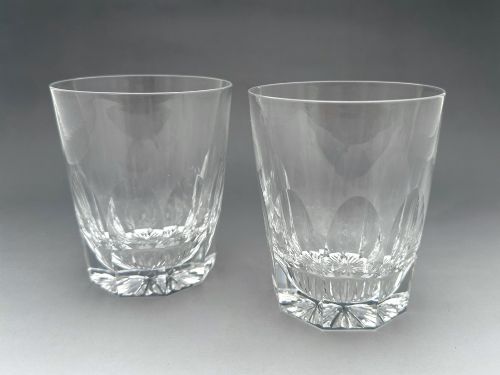
When searching for an antique whiskey glass, collectors encounter a diverse range of vessels spanning the Georgian, Victorian, Edwardian, and Art Deco periods. The most common forms on this page include small cut glass tumblers, delicate dram glasses with folded feet, and diminutive noggins paired with sterling silver mounts.
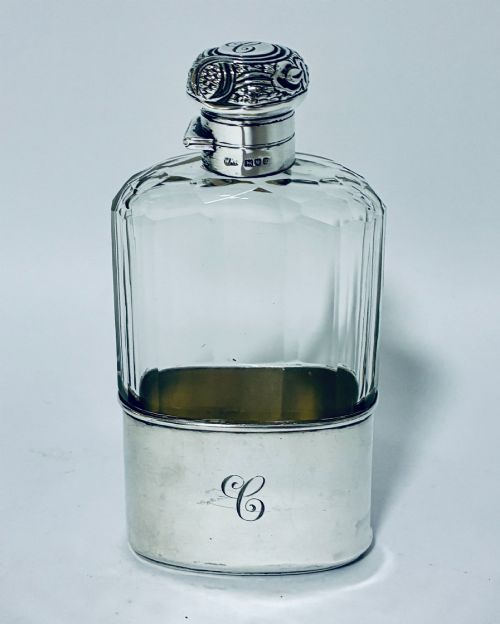
The material selection reflects the social rituals of the eighteenth, nineteenth, and early twentieth centuries. Alongside glassware, items often incorporate sterling silver collars, silver plate, or leather and crocodile skin casing designed for portable hip flasks.
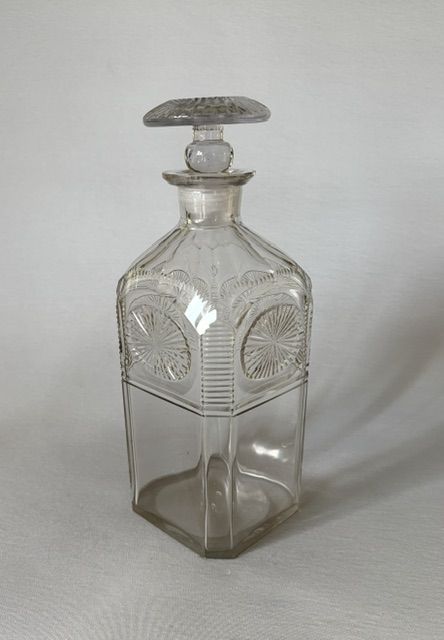
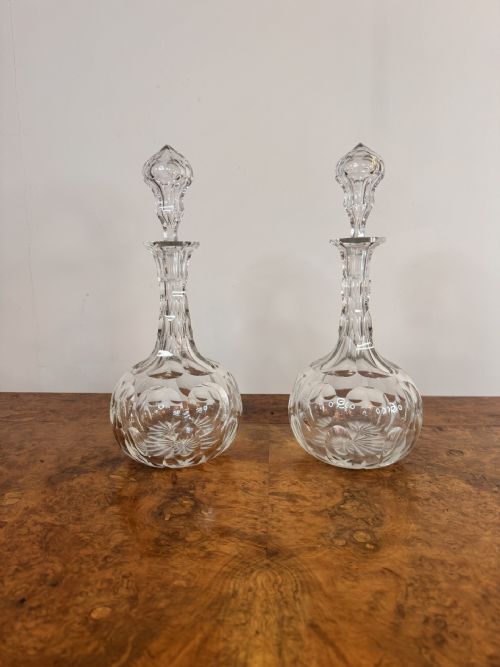
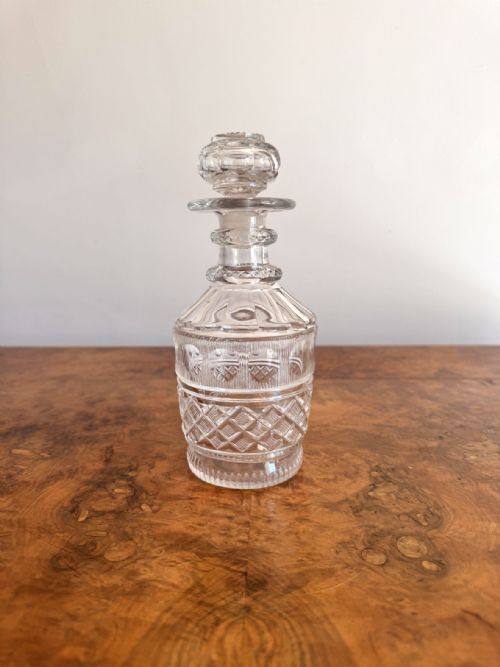
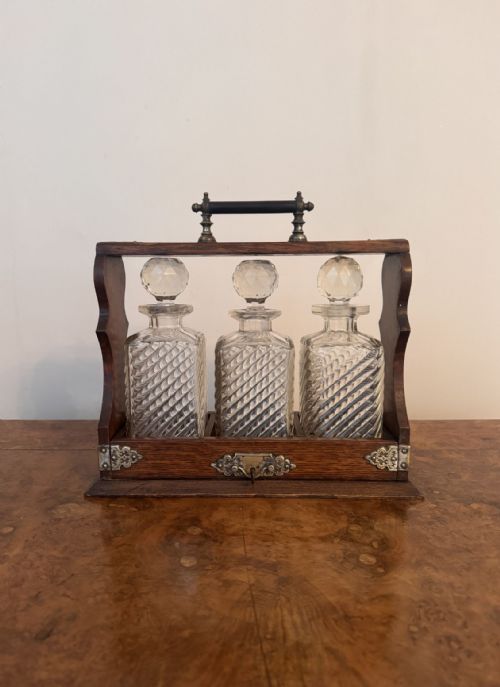
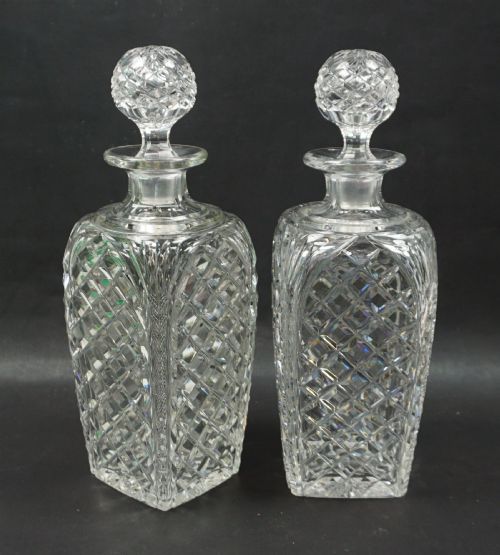
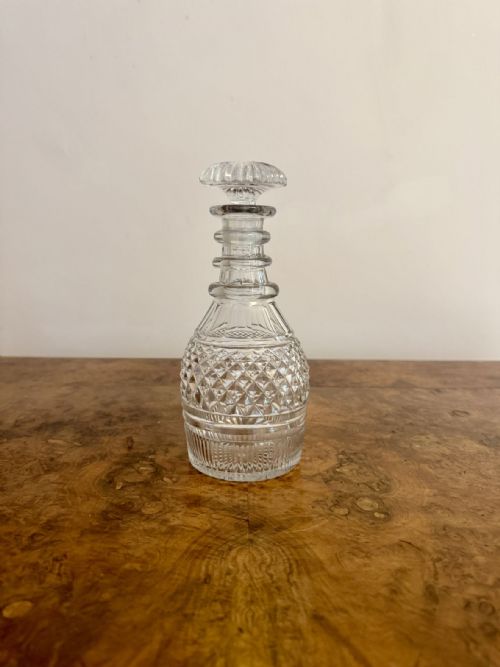
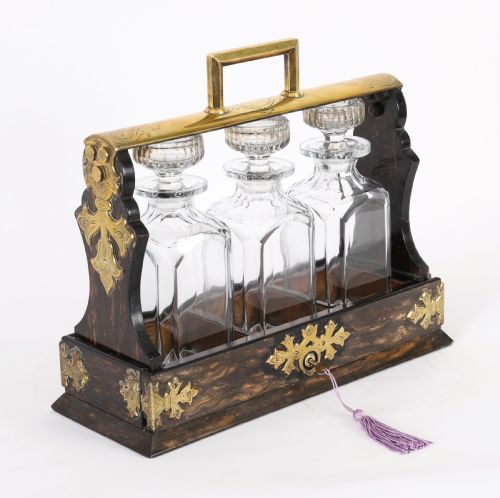
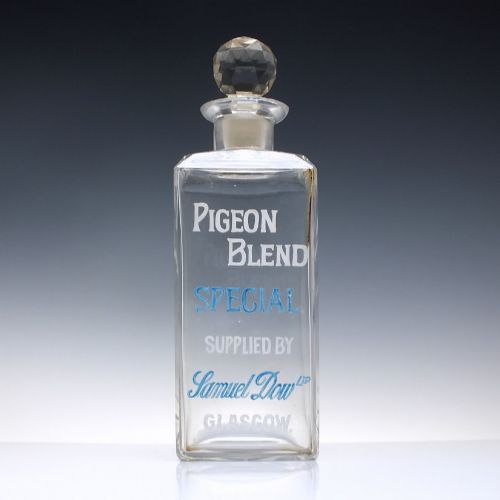
Vessels range from plain square-section spirit decanters to elaborately cut crystal tantalus sets housed in figured oak or coromandel wood. Buyers will find that drinking vessels exist both as individual pieces and as matching pairs or sets.
How they were made
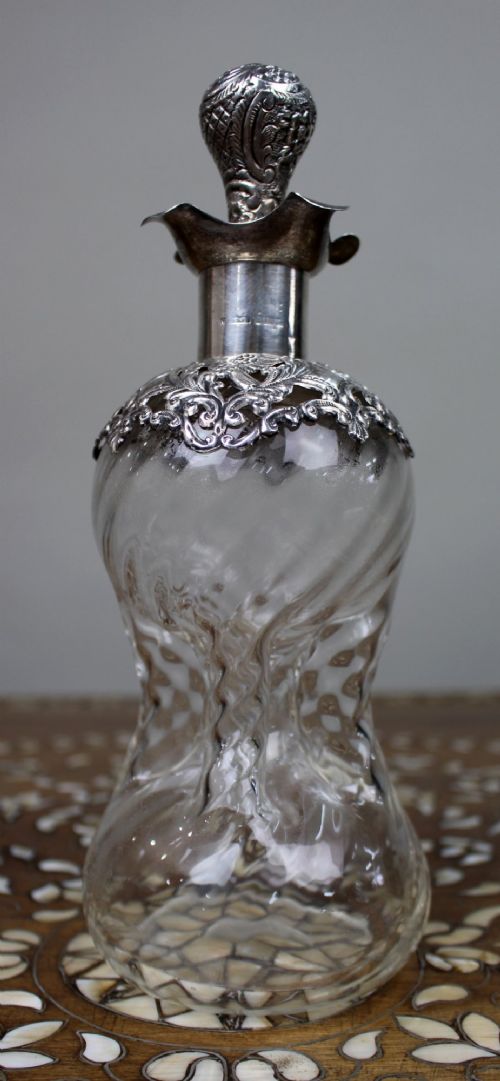
Glass production relied on heavy lead crystal and blown glass, shaped into square sections or bell forms, then finished with wheel-cut facets that catch the light. Engraved ornamentation on eighteenth-century dram glasses was applied by hand using abrasive stones.
Metal components involved sterling silver or silver plate, often bearing hallmarks that record the year and assay office. Collars, hinged caps, and removable cups were soldered and fitted securely to glass necks and bodies.
Antique Whiskey Glass Retail Price Guide 2026
Typical asking prices for whiskey glass among the pieces listed under this phrase on Sellingantiques today, from the lower quarter to the upper quarter. They describe what is for sale here now, not the wider market.
Several hip flasks incorporate crocodile skin casing, ready for a Victorian gentleman bracing against the cold Scottish wind.
What varies in quality
Quality rests upon the crispness of the glass cutting and the clarity of the metal crystal. Superior examples display deep, sharp facets and heavy lead weight, whereas lesser pieces show softer edges and lighter material.
The integration of materials dictates overall standard. Fine pieces unite well-fitted sterling silver mounts or collars with undamaged glass bodies, while timber tantalus housings exhibit precise cabinet work in oak, satinwood, or coromandel.
Betjemann·Asprey London
The Antique Whiskey Glass Glossary
- Noggin
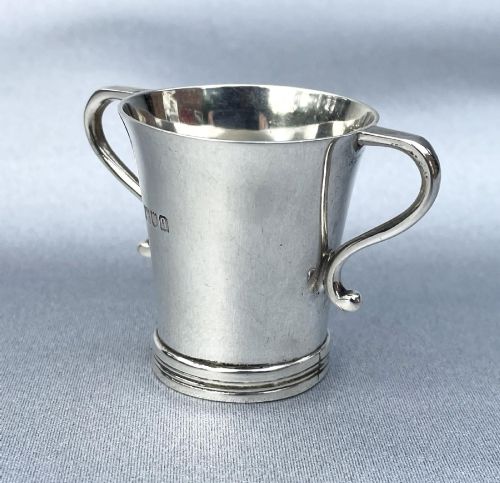
- A small vessel used for serving a single measure of spirits, typically fitted with a handle, a pouring lip, and a sterling silver collar or mount.
- Tantalus
- A locking wooden frame that holds two or three decanters securely in place, preventing access to the contents without a key.
- Dram glass
- A small drinking glass designed for a traditional measure of whiskey, often dating to the Georgian period and featuring a folded foot.
- Mell decanter
- A specific bottle form with a broad base and tapered neck, frequently associated with eighteenth-century Irish whiskey vessels.
- Hip flask
- A curved, pocket-sized container fashioned from glass with a silver or leather casing, designed for carrying spirits while travelling.
Antique Whiskey Glass: Frequently Asked Questions
What is a whiskey noggin?
A whiskey noggin is a small, single-serving decanter fitted with a handle and a pouring lip. They usually include a sterling silver collar and a matching silver label.
These pieces were common in the Edwardian period and early twentieth century for individual hospitality at a desk or smoking table.
How do I date an old whiskey glass?
Dating relies on the manufacturing traits, form, and any associated silver hallmarks. Georgian dram glasses often feature pontil marks and folded feet, while Victorian and Edwardian pieces show heavier machine-cut facets.
Silver mounts with legible hallmarks provide the most precise dates through assay office marks and date letters.
What is the difference between a dram glass and a tumbler?
A dram glass is a small, historical vessel meant for a single measured draught of spirit, often featuring thin blown walls and an eighteenth-century form. A tumbler is a heavier, flat-bottomed drinking glass designed for regular daily use.
Tumblers on this page typically date from the Victorian period onward and exhibit square sections or cut glass decoration.