



Antique Welsh Craft
Antique Welsh craft brings robust oak and pine dressers, bureaus and cabinets into your home.
Antique Welsh Craft
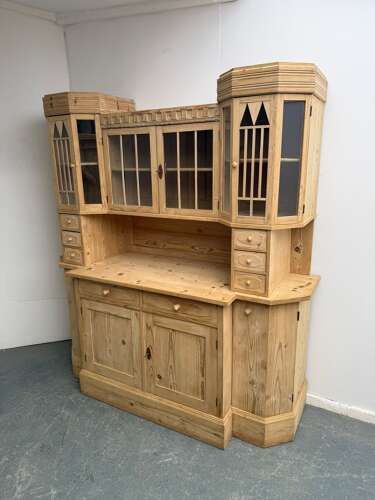
When you search for antique welsh craft, you are looking at practical domestic furniture rooted in British tradition, particularly kitchen dressers, bureaus and cabinets. These pieces served hardworking households for storage and display across generations, evolving from simple rural utility into collected examples of regional woodworking.
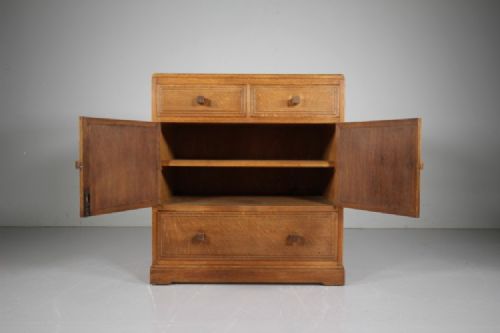
On this page, you are most likely to meet kitchen dressers and cabinets built from solid oak or pine during the late nineteenth and early twentieth centuries. Many of these items carry the distinct functional aesthetic of the Arts and Crafts movement or regional revival styles, offering substantial storage alongside honest construction.
The objects span periods from the Victorian era through the Edwardian years up to the 1930s, reflecting changing domestic habits in rural and urban settings. Whether you find a slim cottage dresser or a labelled oak writing bureau, each item represents domestic craftsmanship designed for daily use.
How they were made
Makers relied primarily on sturdy local timbers such as oak and pine to build the main bodies and cabinetry of these domestic pieces. These woods provided the necessary strength for heavy kitchen dressers and storage cabinets intended to bear daily wear.
Construction details often included functional hardware like brass fittings and iron accents, while glazed sections frequently utilised leaded glass doors. Makers also shaped simpler pine items to accept traditional finishes like wax or paint, suiting the unpretentious interiors of the period.
Antique Welsh Craft Retail Price Guide 2026
Typical asking prices for welsh craft among the pieces listed under this phrase on Sellingantiques today, from the lower quarter to the upper quarter. They describe what is for sale here now, not the wider market.
The object forms recorded are predominantly dressers, cabinets and bureaus.
What varies in quality
The distinction between standard domestic items and superior examples often rests on the integrity of the timber selection and the presence of original makers' labels. Pieces bearing marks from notable firms or workshops demonstrate a higher standard of design ambition and workshop oversight.
Quality also reveals itself in the treatment of secondary materials, such as the precision of leaded glass work in cabinet doors and the durability of original brass hardware. Greater attention to proportion in slim cottage formats or specialised writing bureaus separates ordinary utility furniture from finer collector pieces.
Bryn Mawr·Heals of London·Liberty & Co.
The Antique Welsh Craft Glossary
- Dresser
- A large piece of furniture traditionally featuring lower cupboards or drawers surmounted by open shelving for display. These items formed the functional centrepiece of the historic kitchen.
- Writing bureau
- A desk featuring a sloping hinged flap that drops down to provide a writing surface above a set of drawers. Inside, small compartments organise stationery and documents.
- Leaded glass
- Glass panes held together within a network of narrow lead cames to form windows or cabinet doors. This technique allowed makers to create decorative geometric or floral patterns.
- Jacobean Revival
- A nineteenth-century design style that imitated the heavy, dark-wood carved furniture of the early seventeenth century. Pieces often featured robust turnings and geometric panel mouldings.
- Arts and Crafts
- A design movement spanning the late nineteenth and early twentieth centuries that valued traditional craftsmanship, simple forms and natural materials over mass production.
Antique Welsh Craft: Frequently Asked Questions
What defines an antique Welsh craft dresser?
These pieces are principally kitchen dressers and storage cabinets built from solid oak or pine, reflecting regional utility and traditional British woodworking methods. They combine robust lower storage with upper shelving designed for everyday domestic use.
Items span the Victorian, Edwardian and early twentieth-century periods, often incorporating the unpretentious lines associated with Arts and Crafts design or regional revival styles.
How were these dressers and bureaus used?
Kitchen dressers served as essential storage for tableware, serving dishes and pantry items, while displaying prized ceramics on their upper shelves. They functioned as the central workstation and storage hub of the historic kitchen.
Writing bureaus provided a private, enclosed space for correspondence and household administration, keeping paper and ink organised behind a drop-down writing flap.
How do I live with antique pine and oak furniture?
Solid oak and pine furniture adapts well to modern interiors by providing substantial, honest storage that anchors a room. Kitchen dressers and cabinets work effectively in dining spaces or kitchens to display ceramics and glassware.
Maintain these pieces by keeping them away from direct heat sources and sudden humidity changes to protect the timber and traditional finishes like wax.
How can I tell periods apart in these pieces?
Victorian and nineteenth-century examples often display heavier proportions and darker finishes, sometimes incorporating Jacobean revival motifs. Edwardian and later 1910 pieces tend toward lighter oak or pine constructions with simpler Arts and Crafts lines.
Items from the 1930s occasionally feature specific workshop labels and cleaner, more utilitarian forms that reflect the transition into modern domestic design.