




Antique Welsh Artwork
When you search for antique welsh artwork, you encounter nineteenth and early twentieth-century paintings and wall plaques capturing the topography, rivers, and castles of Wales.
Antique Welsh Artwork
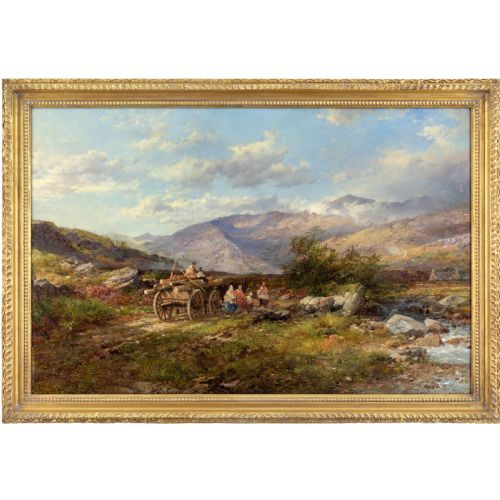
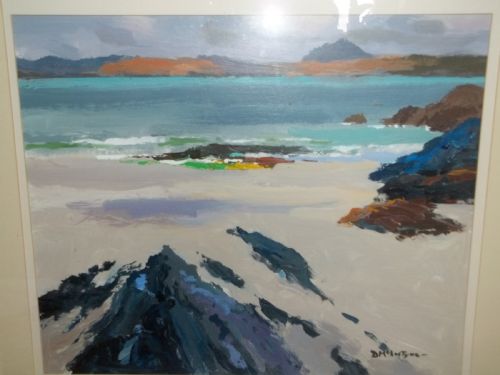
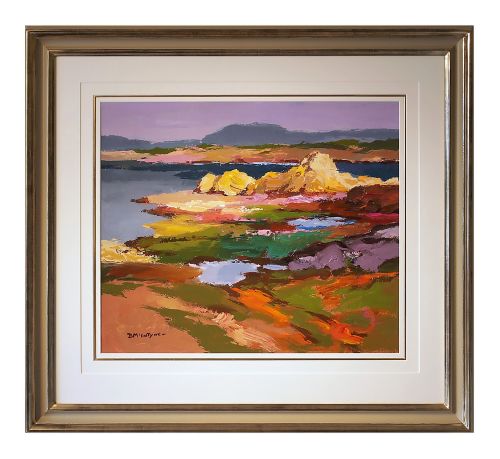
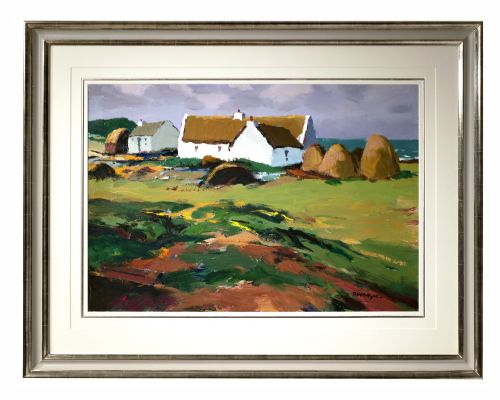
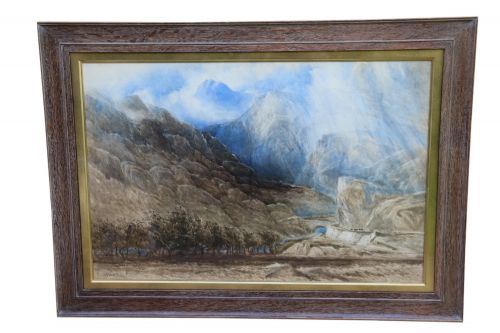
The pieces grouped under antique welsh artwork consist predominantly of framed oil paintings and watercolours depicting recognizable Welsh locations such as Conwy, Betws-y-coed, and the Menai Strait.
Most items date from the nineteenth century through the Edwardian period, often reflecting Victorian pastoral and British Impressionist movements applied to local scenery.
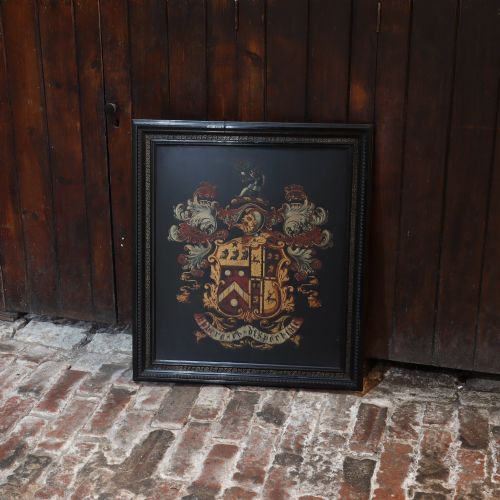
Buyers frequently find landscape views dominated by mountains, rivers, and valleys, alongside occasional folk art pieces like painted Welsh slate hearths and heraldic panels.
Materials and construction methods
Painters of this period utilised oil on canvas, wood panels, or paper, applying pigments alongside media like watercolour to capture natural light and atmospheric conditions.
Framing typically involved carved wood and gesso, often gilded, which complemented the traditional wall art format of the era.
Antique Welsh Artwork Retail Price Guide 2026
Typical asking prices for welsh artwork among the pieces listed under this phrase on Sellingantiques today, from the lower quarter to the upper quarter. They describe what is for sale here now, not the wider market.
Listings feature works spanning the eighteenth century through to the 1940s, executed in oil and watercolour.
Distinctions in quality
Quality rests upon the skill of the artist in handling light and topography, separating competent topographical records from accomplished works by named painters of the period.
The integrity of the original canvas, paper support, and period frame contributes significantly to the standing of any individual piece.
William Joseph Boyes·Henry Martin Pope·Hubert Wellington·Cornelius Pearson·Arthur Wardle·Sidney Richard Percy·Thomas Spinks·Frederick Waters Watts·William Mellor·Walter J Watson·William Langley·Julius Caesar Ibbetson·Herbert Royle·Willie Stephenson·Henry Brittan Willis·William Henry Mander·Samuel Towers·Benjamin Williams Leader·David Bates·Thomas Swift Hutton·Carleton Grant·John J Hamer·Alfred Provis·Alfred de Breanski·George Parson-Norman
The Antique Welsh Artwork Glossary
- Gesso
- A plaster-like mixture applied to wood frames before gilding or painting. It provides a smooth base for decorative mouldings.
- Giltwood
- Wood that has been thinly coated with gold leaf or gold paint. This finish was standard for framing fine paintings of the Victorian era.
- Panel
- A flat piece of wood used as a support for oil painting instead of canvas. Artists often utilised panels for smaller landscape studies.
Antique Welsh Artwork: Frequently Asked Questions
What subjects appear most often in these paintings?
Most works portray recognizable Welsh geography, including river valleys, mountain ranges, coastal straits, and historic castles. Scenes often feature local figures, livestock, or rural cottages integrated into the natural landscape.
Artists favoured specific regions such as North Wales, Snowdonia, and the Conwy valley for their dramatic scenery and changing light conditions.
How do I identify the period of a piece?
Dating relies on stylistic clues, framing techniques, and artist documentation recorded on the canvas or reverse of the work. Victorian landscapes often display distinct brushwork and palette choices compared to later Edwardian examples.
Examine the back of the panel or stretcher bars for old labels, inscriptions, or dealer stamps that often confirm the date and location.
Are these works always signed by the artist?
Signatures appear on many of the watercolours and oil paintings, though attribution on older pieces sometimes depends on stylistic comparison or contemporary records. Unsigned works frequently rely on established provenance or inscriptions on the reverse.
Collectors often value signed pieces for clearer attribution, but unsigned works from the same era remain equally representative of period techniques.
How should I care for antique watercolours and oils?
Watercolours require protection from direct sunlight to prevent fading of the pigments on paper. Displaying them away from moisture sources keeps both the paper and the surrounding mount stable.
Oil paintings on canvas or wood panel benefit from stable indoor humidity and gentle dusting with a soft, dry brush. Avoid using liquid cleaners on the painted surface or the gilt frame.