




Antique Watering Trough
These heavy garden vessels bring genuine age and utility to planting schemes, holding water or earth with undeniable heft.
Antique Watering Trough
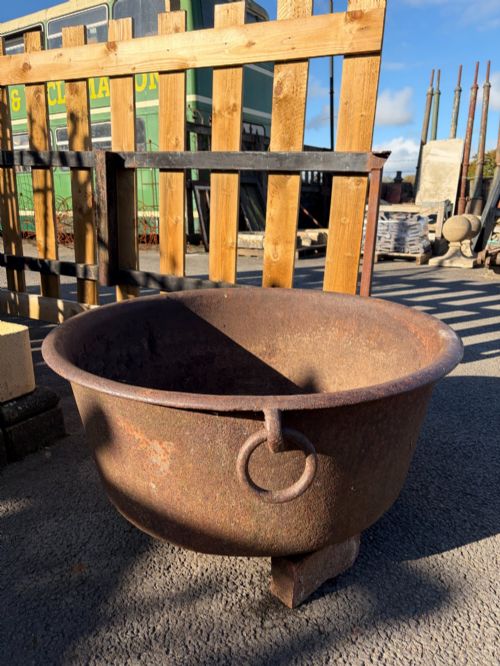
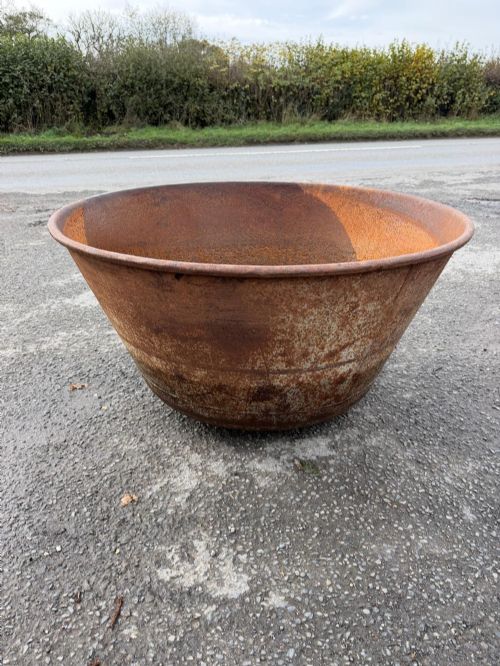
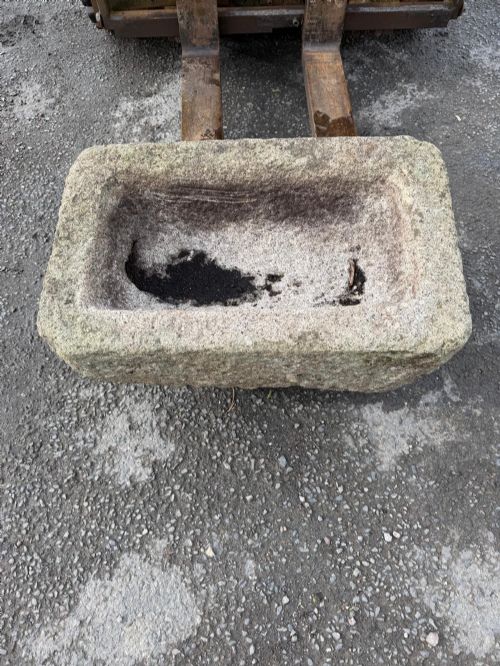
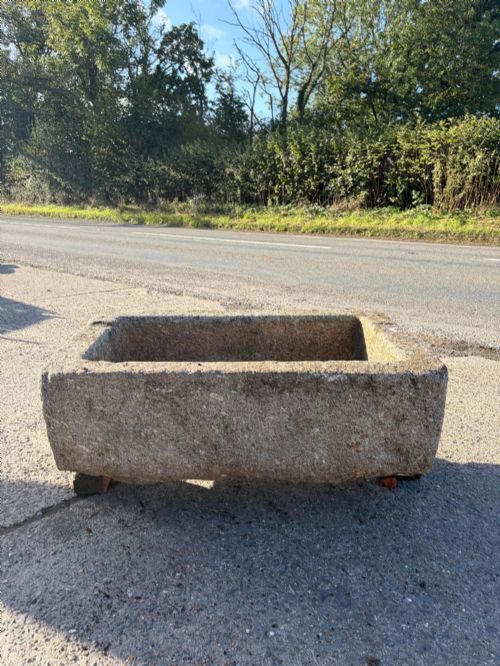
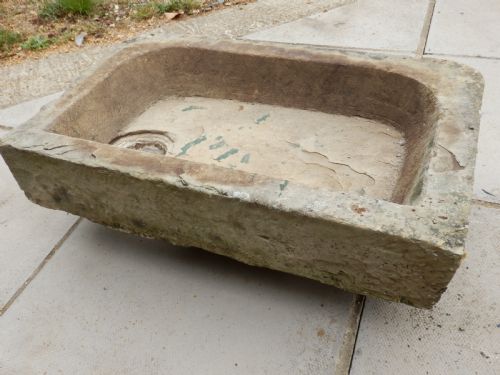
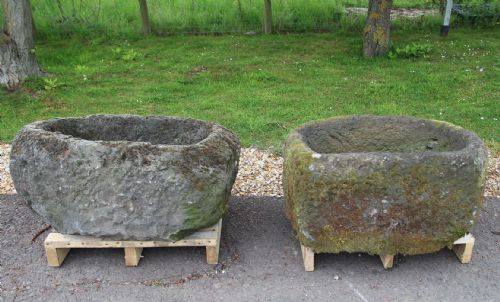
An antique watering trough serves as a heavy-duty receptacle hewn from solid stone or cast in metal for agricultural use. Buyers seeking an antique watering trough will encounter robust items originally utilised for livestock, processing presses, or household washing.
The selections span from utilitarian sandstone and granite specimens to lead planters and Chinese cast iron baths. Many examples survive from the nineteenth century, alongside earlier seventeenth and eighteenth-century stone pieces repurposed for gardens.
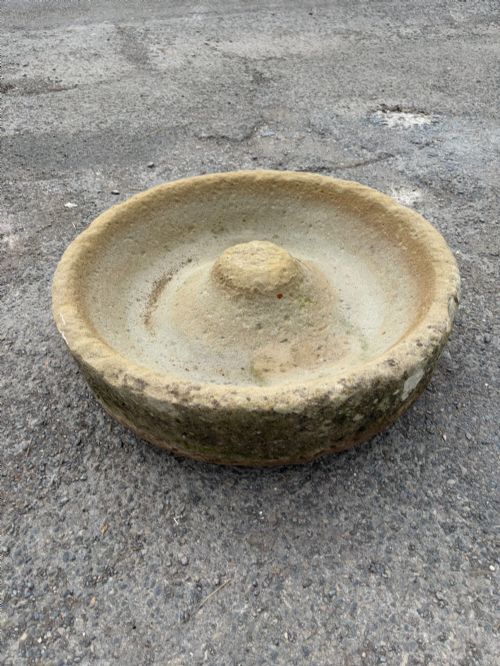
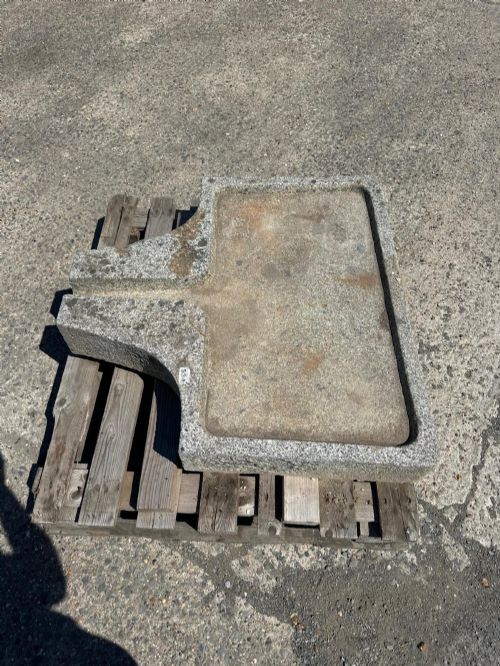
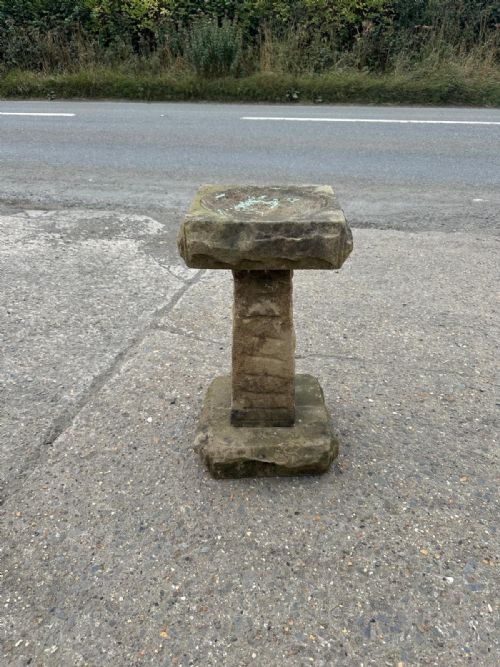
Forms include dedicated garden troughs, stone sinks, mortars, and bird baths alongside related rural oil paintings. These pieces function today primarily as striking garden planters and architectural focal points.
How they were made
Makers shaped heavy natural materials such as sandstone, granite, Purbeck stone, limestone, and natural stone using traditional masonry techniques. Blocks were hollowed out by hand to create deep, durable basins capable of withstanding agricultural labour and weathering.
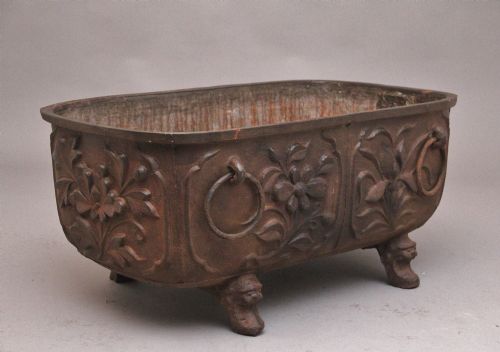
Metal vessels such as cast iron temple baths and lead planters were produced through foundry casting. Iron pieces occasionally incorporate cast script or retain patinated oil finishes from their industrial and eastern origins.
Antique Watering Trough Retail Price Guide 2026
Typical asking prices for watering trough among the pieces listed under this phrase on Sellingantiques today, from the lower quarter to the upper quarter. They describe what is for sale here now, not the wider market.
One listed Chinese iron bath carries cast script alongside its industrial form, bridging eastern foundry work with western garden utility.
What varies in quality
Quality rests in the character of the mineral and the integrity of the original basin form. Mass is significant, with dense granite and sandstone holding superior sculptural presence compared to lighter composite alternatives.
Surface weathering and natural lichen growth elevate the visual appeal of stone items. Metal versions depend on the crispness of cast script and the stability of the original casting.
The Antique Watering Trough Glossary
- Sandstone
- A sedimentary rock composed mainly of quartz sand, widely utilised for durable agricultural troughs. It weathers to develop pleasing organic textures over centuries.
- Purbeck stone
- A fossiliferous limestone quarried in Dorset, prized for its dense composition and historical use in British sinks and bird baths.
- Architectural salvage
- Building materials and utilitarian objects rescued from demolition or clearance for reuse in gardens and interiors. Troughs and stone sinks frequently fall into this category.
- Cast iron
- An iron-carbon alloy poured into moulds to create heavy vessels like temple baths. It offers industrial strength and deep patination when exposed to the elements.
Antique Watering Trough: Frequently Asked Questions
How heavy is a stone trough?
These vessels are extremely heavy due to being carved from solid blocks of sandstone, granite, or limestone. Moving them generally requires specialist equipment or professional landscaping help.
Once positioned in a garden, their substantial weight ensures they remain stable without requiring fixings.
Can I use them as planters?
They make exceptional garden planters for alpine plants, shrubs, or small trees. Their deep stone or lead basins retain moisture well and protect root systems.
Ensure any drainage hole is clear or create a suitable gravel layer before adding soil.
How do I date a stone trough?
Dating relies on tool marks left by stonemasons, the geological type of stone, and the overall simplicity or refinement of the form. Earlier seventeenth and eighteenth-century pieces often display hand-chiselled surfaces.
Nineteenth-century examples tend towards more standardised agricultural dimensions and machine assistance.
Are lead troughs safe for wildlife?
Older lead planters and bird baths develop a stable surface oxidation layer that separates the metal from water. They have served as bird baths and garden receptacles for generations.
Thorough cleaning before establishing a wildlife water source is standard practice.