




Antique Water Trough
An antique water trough brings grounded utilitarian honesty to a garden or courtyard, combining robust stone or iron construction with centuries of weathering.
Antique Water Trough
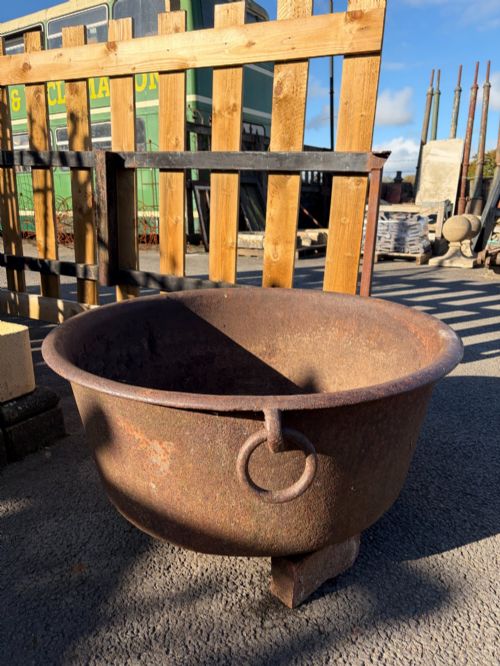
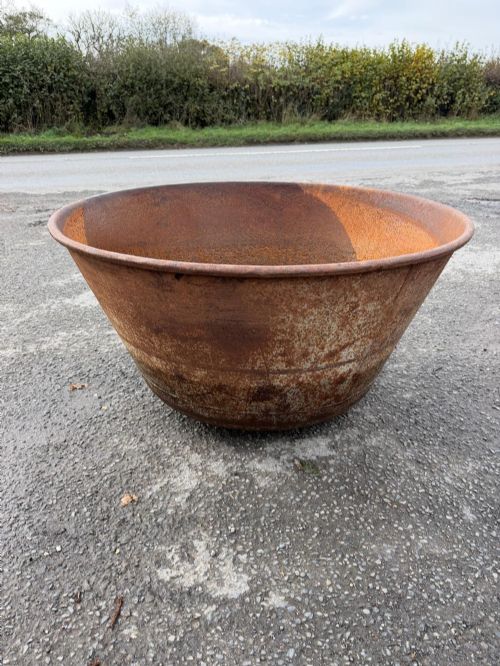
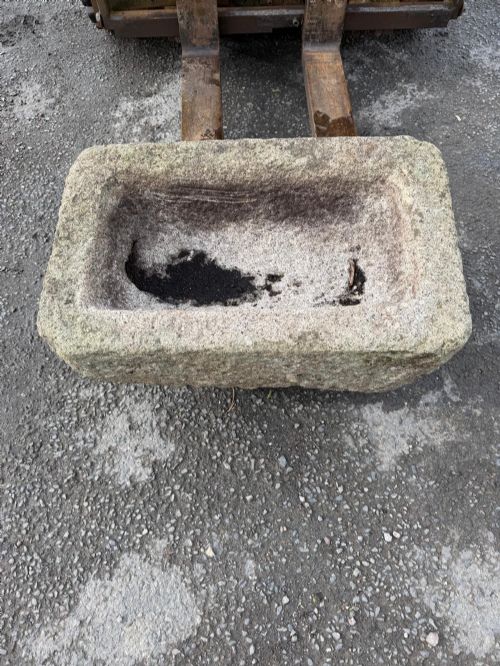
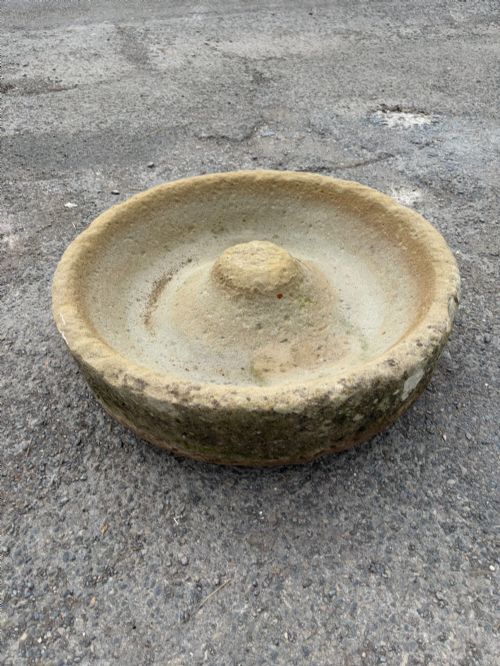
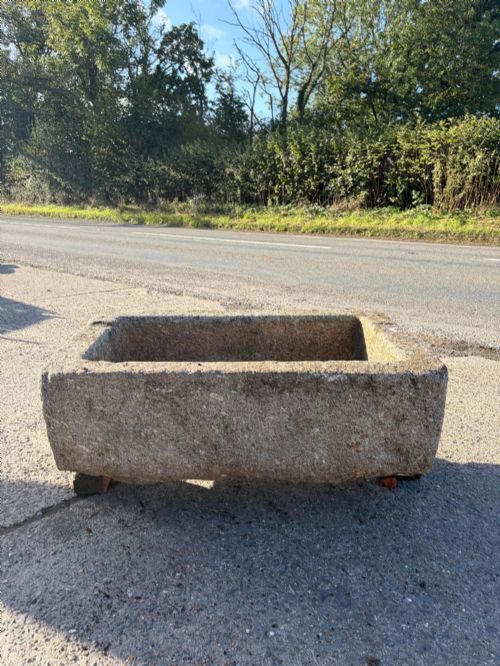
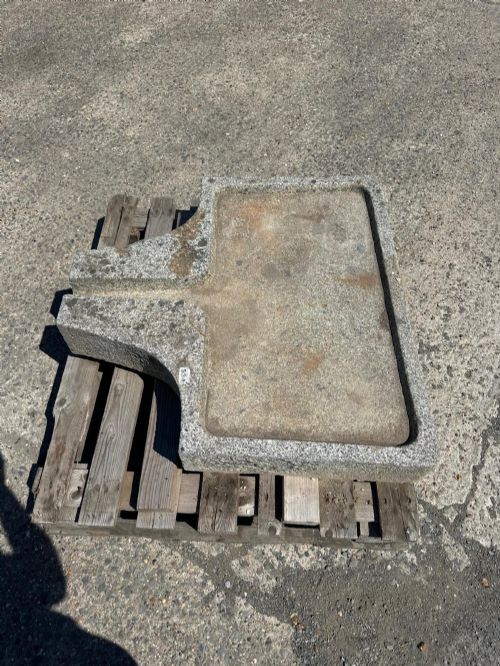
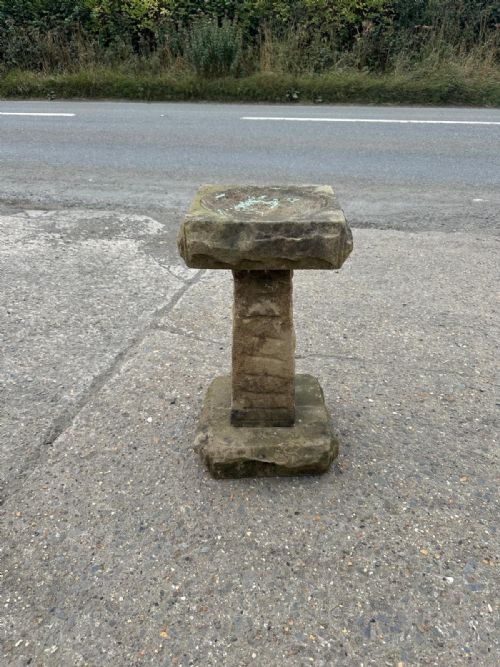
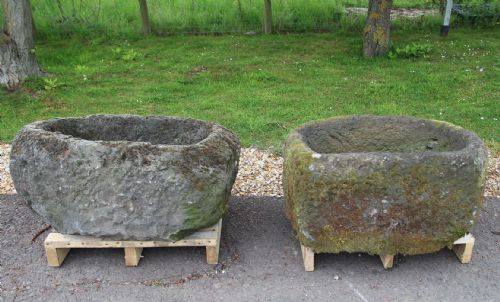
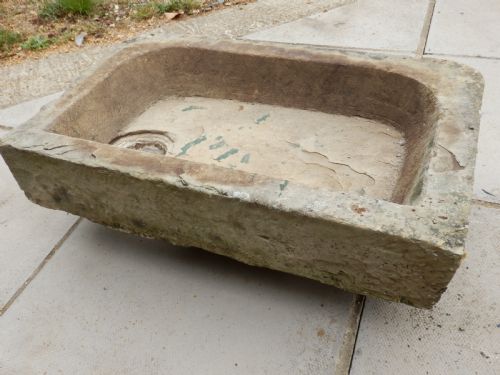
An antique water trough is a heavy utilitarian vessel originally designed for agricultural, domestic, or industrial use, ranging from animal feeding to stone sinks and garden planters. When you search for an antique water trough, you encounter solid geological specimens hewn from granite, sandstone, limestone, and Purbeck stone, alongside cast iron temple baths and lead planters.
The versions most commonly met on this page date from the nineteenth century, including examples shaped from Cornish granite and local sandstone, though earlier centuries appear through seventeenth-century stone mortars and pig troughs. These pieces function today primarily as architectural salvage, bird baths, or garden planters, retaining the deep patination of decades outdoors.
How they were made
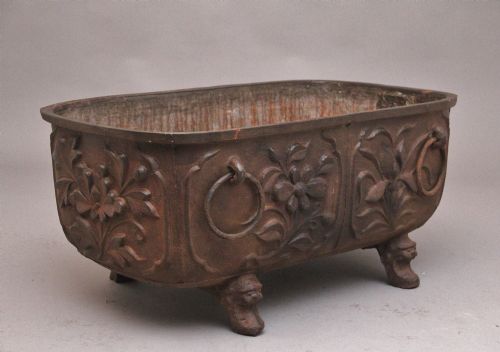
Makers shaped these troughs by hand-chiselling dense natural materials such as granite, sandstone, and limestone from regional quarries, leaving tool marks and weathered faces across the exterior walls. Cast iron versions, including Chinese temple baths, were produced through metal casting techniques that incorporated raised script and structural flanges directly into the heavy walls.
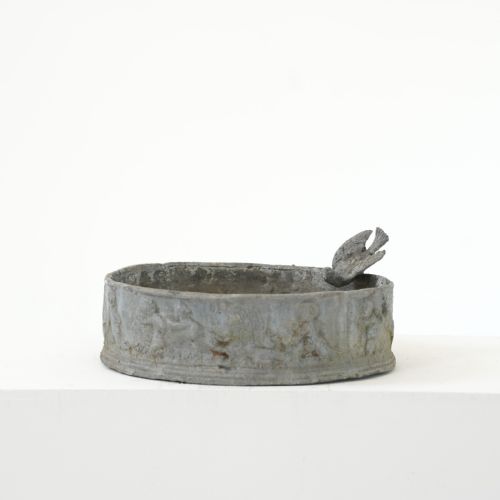
Lead planters and bird baths relied on sheet shaping and soldering or casting methods to achieve durable hollow vessels capable of holding standing water without degradation. Natural stone troughs required immense labour to hollow out solid blocks, resulting in thick, irregular walls built to withstand livestock and harsh weather.
Antique Water Trough Retail Price Guide 2026
Typical asking prices for water trough among the pieces listed under this phrase on Sellingantiques today, from the lower quarter to the upper quarter. They describe what is for sale here now, not the wider market.
At least one nineteenth-century iron trough records its history through cast temple script, proving that livestock watering sometimes crossed paths with Far Eastern ritual casting.
What varies in quality
Quality in these pieces rests in the character of the material, the depth of the hand-carved hollowing, and the organic weathering accumulated over centuries of exposure. A superior stone trough displays harmonious proportions, honest tool marks, and dense geological formation without excessive modern structural repairs.
The integrity of the original form dictates value, separating simple utility vessels from finer architectural salvage like carved Chinese iron baths or early Cornish granite blocks with intact drainage holes.
The Antique Water Trough Glossary
- Granite
- An igneous rock composed mainly of quartz and feldspar, prized in these troughs for its extreme hardness and resistance to frost. Cornish granite provides a particularly coarse, durable crystalline texture.
- Sandstone
- A sedimentary rock formed from mineral particles, utilised for troughs due to its workable nature and pleasant natural colour variation. Sandstone troughs often show softer weathering edges than granite equivalents.
- Purbeck Stone
- A fossiliferous limestone quarried in Dorset, notable for its shell content and smooth texture when polished or weathered. Purbeck stone bird baths carry a distinct geological identity.
- Architectural Salvage
- Building elements and utilitarian objects rescued from demolition or derelict sites for reuse in gardens and interiors. This category includes troughs, sinks, and stone mortars.
- Cast Iron
- An iron-carbon alloy poured into moulds to create heavy industrial or decorative vessels. Chinese cast iron baths utilise this method to form rigid, thin-walled containers complete with cast script.
Antique Water Trough: Frequently Asked Questions
How do I place an antique stone trough in a garden?
Because of their immense weight, stone and iron troughs require a stable, level foundation of compacted hardcore or paving slabs to prevent shifting or sinking into damp soil. Positioning them near a water source or beneath a downpipe makes them practical for use as bird baths or wildlife ponds.
Their robust geological composition allows them to remain outdoors year-round without frost damage, developing deeper moss and lichen patination over time.
How can I tell the age of a stone trough?
Dating relies heavily on observing the tool marks left on the exterior and interior surfaces, as hand-chiseled peck marks differ significantly from later machine-cut grooves. The type of stone, such as early Cornish granite or Purbeck limestone, combined with the vessel's specific agricultural form, often points toward a nineteenth-century or earlier origin.
Wear patterns, weathering depth, and the absence of modern mechanical fixings further help distinguish centuries-old pieces from modern garden centre replicas.
Are cast iron troughs prone to rusting outdoors?
Cast iron forms a stable surface oxidation layer when exposed to the elements, which protects the deeper metal from rapid decay. Antique iron baths and troughs feature thick walls designed to endure moisture without structural failure.
Applying a protective oil or wax can slow down active corrosion if you choose to keep an iron trough in a sheltered courtyard rather than an open garden.