





Antique Watch Seal
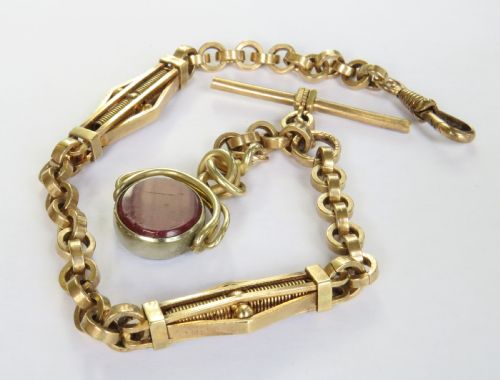
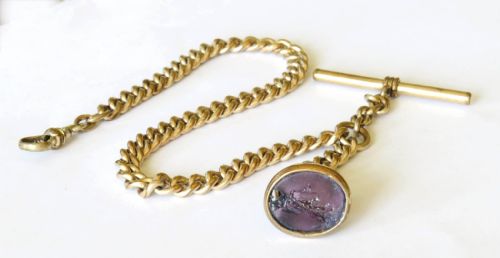
An antique watch seal hangs from a chain to impress wax with personal heraldry or initials.
Antique Watch Seal
When searching for an antique watch seal, buyers encounter small hanging pendants designed for suspension from pocket watch chains and alberts. These items appear across Georgian, Victorian, and Edwardian periods, functioning historically to secure correspondence with personal wax impressions.
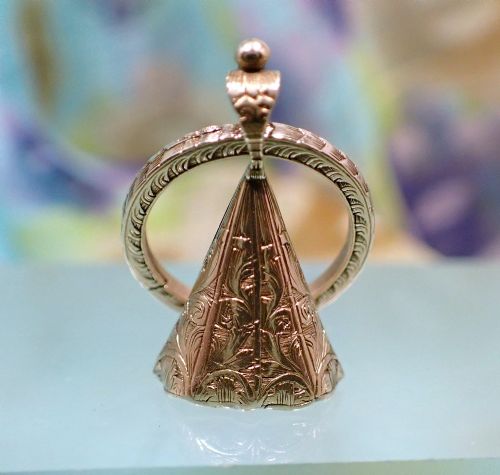
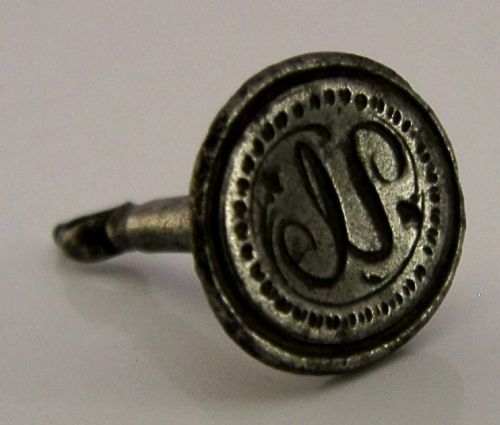
Examples frequently integrate intaglio carvings depicting Roman figures, Greek figures, elephants, lions, or engraved monograms like Ann and Jane. Certain items combine the sealing matrix directly with a matching split ring or watch chain.
Materials and construction
Makers utilised precious metals including 9ct gold, 15ct gold, 18ct gold, and gilt metal alongside rolled gold casings to form the structural mounts and swivels. Cut steel and enamel also appear in specific Georgian and Victorian pieces.
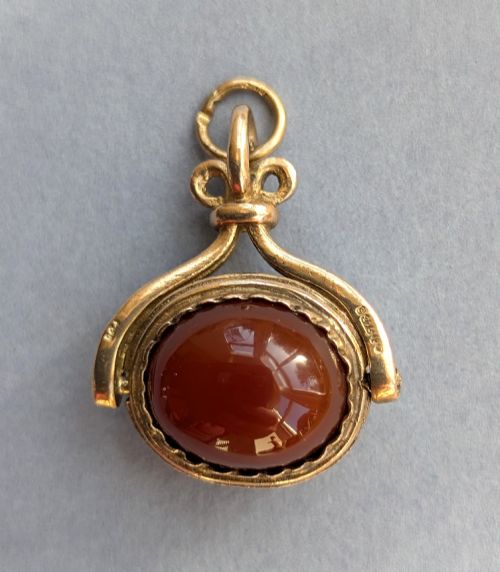
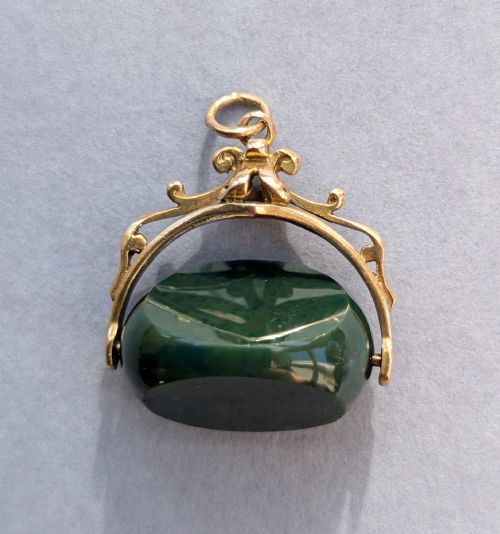
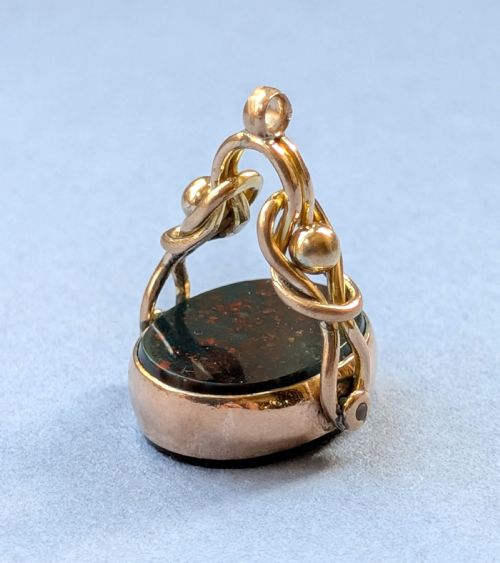
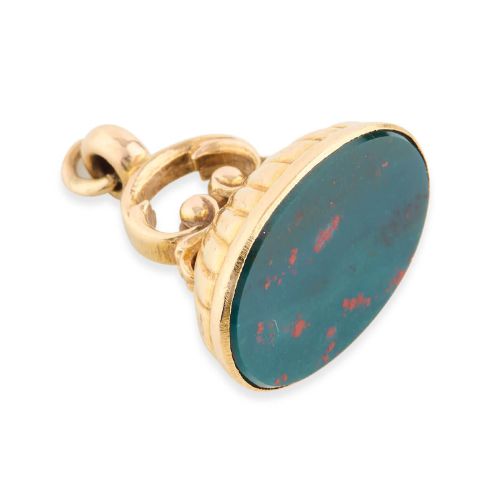
Hardstones such as carnelian, bloodstone, chalcedony, sardonyx, and agate form the hard-wearing bases of the seals. Craftsmen engraved these stones directly or shaped them into rotating swivel bezels displaying different faces.
Antique Watch Seal Retail Price Guide 2026
Typical asking prices for watch seal among the pieces listed under this phrase on Sellingantiques today, from the lower quarter to the upper quarter. They describe what is for sale here now, not the wider market.
Listings span from Georgian cut steel pieces through Victorian and Edwardian gold seals up to mid-20th-century examples.
Distinctions in quality
Differentiation in these pieces rests upon the precision of the hardstone intaglio carving and the depth of the metal ornamentation. Sharply detailed figures and heraldic motifs carved into carnelian or bloodstone represent finer execution.
The weight and purity of the gold mountings, from rolled metal up to solid 18ct yellow and rose gold, dictate the grade of the piece. Structural complexity, such as functioning swivel mechanisms and ornate cast animal motifs, elevates certain items above plain bezels.
The Antique Watch Seal Glossary
- Intaglio
- A design carved into the flat face of a hardstone so that it leaves a raised impression in wax. This technique requires steady handwork.
- Spinning fob
- A seal mount that rotates on a central axis to display two or three different hardstone faces or an engraved monogram. Users flip the stone before pressing into wax.
- Watch key
- A small winding tool integrated into watch chains and fob pendants alongside seals. These keys served to wind mechanical pocket watches.
- Bloodstone
- A dark green chalcedony flecked with red jasper spots, frequently utilised in Victorian seals. It provides a striking contrast against gold mounts.
- Carnelian
- A reddish-orange chalcedony variety commonly carved with initials or classical figures. It remains one of the most widespread stones found on these seals.
Antique Watch Seal: Frequently Asked Questions
What is an antique watch seal used for?
These pieces served to press a personal crest or initial into hot sealing wax on letters and documents. They hung from pocket watch chains or alberts as functional items of gentlemen's and ladies' attire.
Today, they are worn primarily as pendants on modern chains or collected as historical examples of miniature carving and goldsmithing.
How do I tell a Georgian seal from a Victorian one?
Georgian seals tend to feature distinct Neoclassical or cut steel work, often with large gilt mounts and simplified stone settings. They date from the mid-18th century through the early 19th century.
Victorian pieces, spanning the mid-to-late 19th century, frequently incorporate solid 9ct gold, ornate cast animal motifs like lions and elephants, and detailed swivel mechanisms.
What stones are found in these seals?
The listings show hardstones including carnelian, bloodstone, agate, sardonyx, and chalcedony. These minerals were chosen for their hardness and ability to hold a crisp intaglio carved edge.
Some stones are plain polished bezels, while others are deeply engraved with Greek figures, Roman emperors, or personal names.
Can I still use an antique seal for wax stamping?
Most hardstone seals retain their carved intaglio matrices and remain physically capable of impressing wax if handled with care. The stone must be clean of old wax debris to ensure a clear imprint.
Collectors generally test them gently or wear them as pendants rather than subjecting antique gold and stone settings to heavy daily use.