



Antique Wardrobe C1920
An antique wardrobe c1920 brings practical storage and striking period character to the bedroom.
Antique Wardrobe C1920
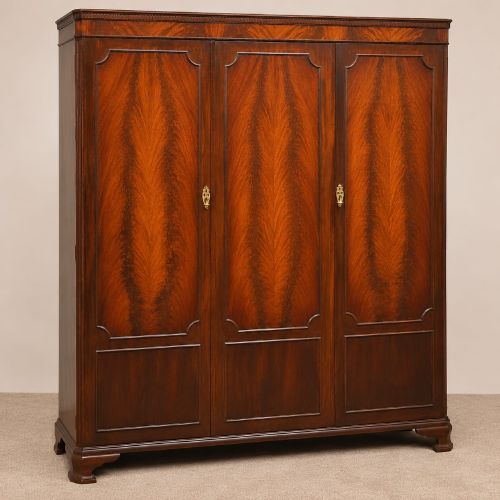
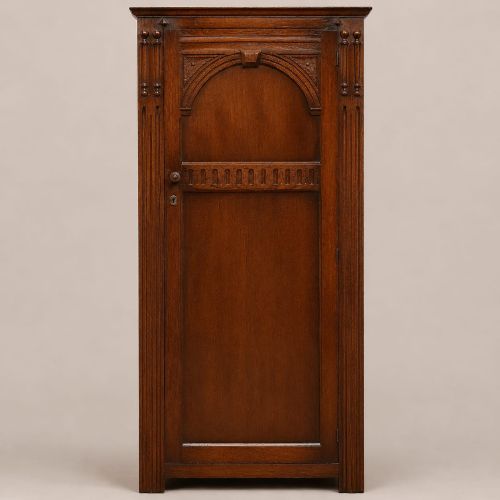
When you search for an antique wardrobe c1920, you encounter robust bedroom furniture built during the early twentieth century. These pieces encompass single door, double, and triple configurations alongside tallboys and matching bedroom suites.
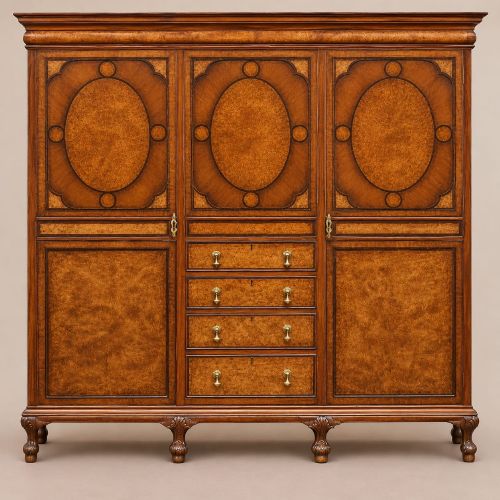
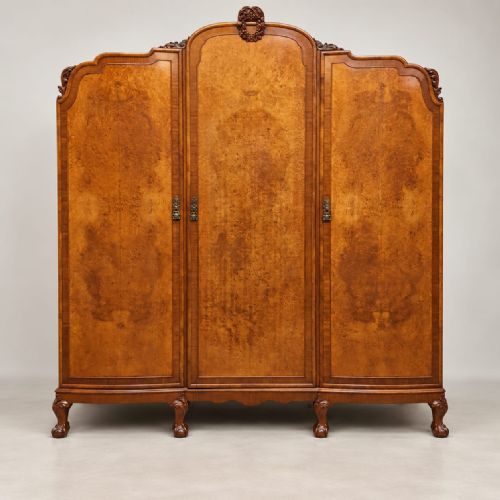
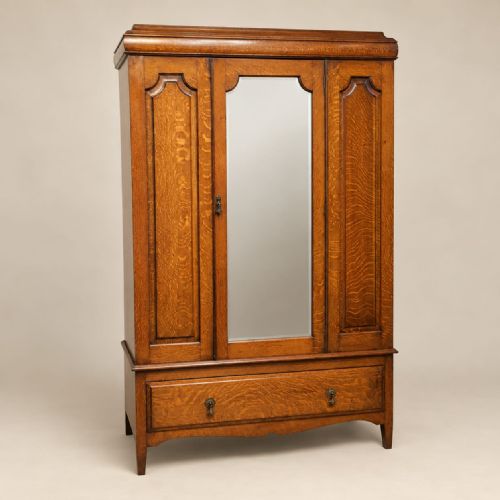
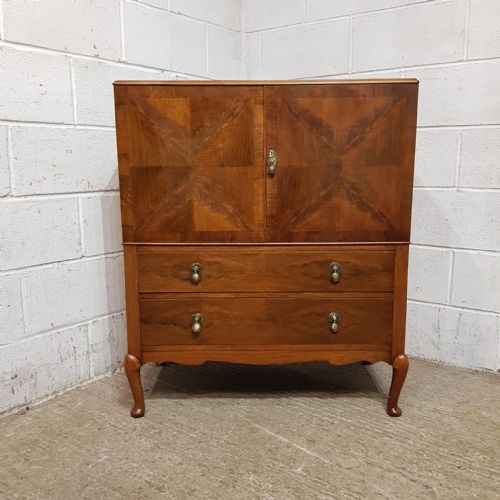
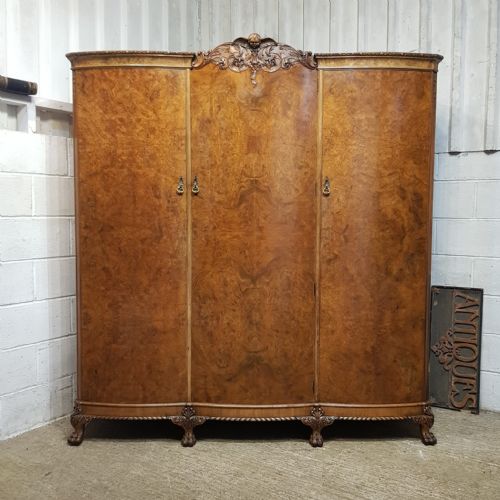
The most common examples on this page are constructed from burr walnut or oak. Formats range from simple single door designs to serpentine fronted triple wardrobes and fitted interiors.
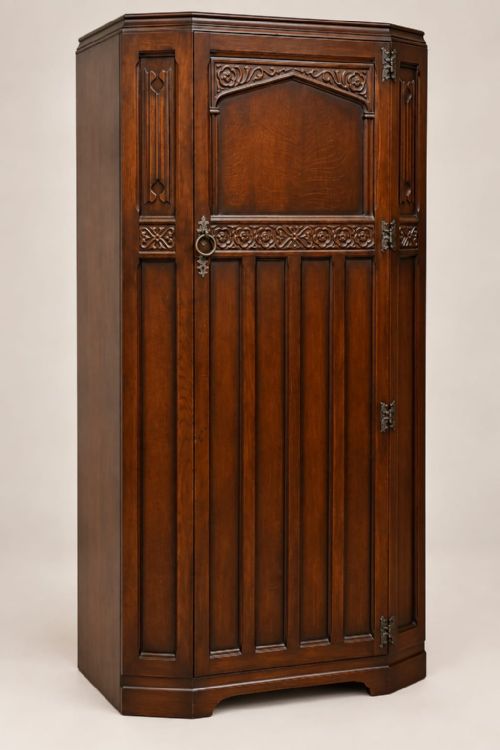
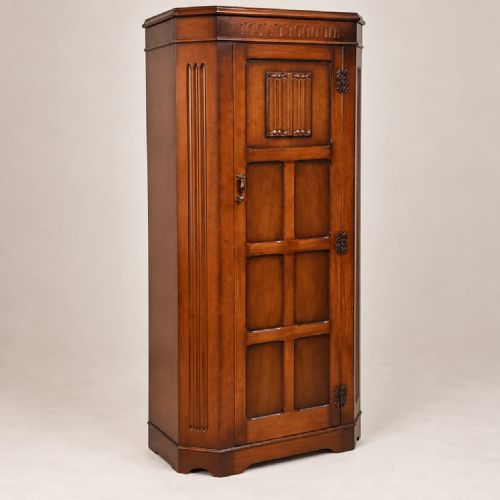
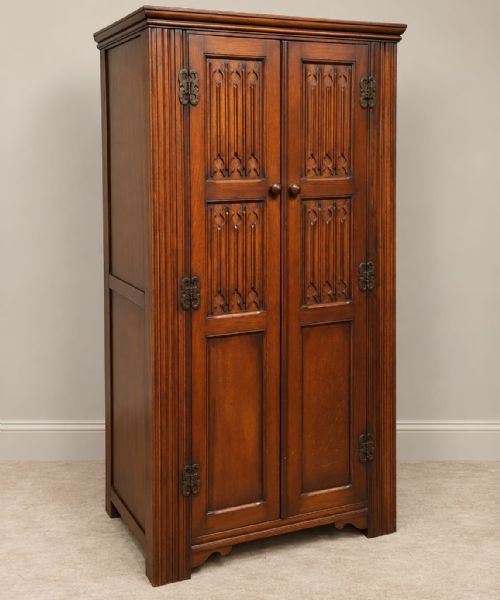
Styles of this period draw upon Art Deco, Queen Anne Revival, Gothic Revival, and Jacobean Revival aesthetics. Pieces frequently feature fitted compartments and interior hanging space tailored for period garments.
How they were made
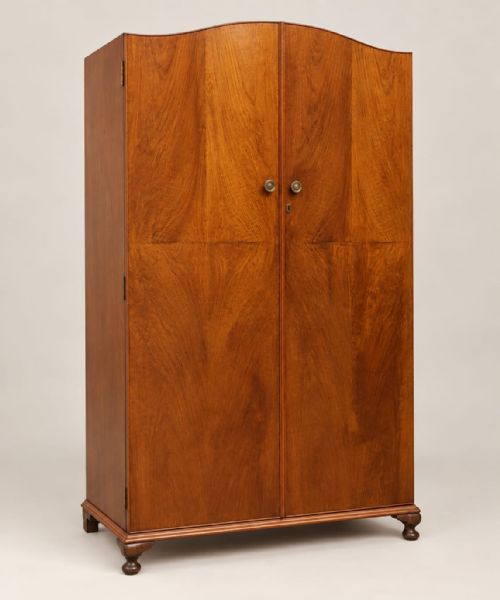
Makers utilised solid oak and walnut alongside walnut veneer and burr walnut to create distinctive surface patterns. Cabinet construction often incorporated glass panels, brass fittings, and iron hardware.
Limed oak finishes appear on specific Art Deco suites, offering a lighter visual tone. Surfaces display natural timber grain, sometimes enhanced by high gloss polishing or decorative carving.
Antique Wardrobe C1920 Retail Price Guide 2026
Typical asking prices for wardrobe c1920 among the pieces listed under this phrase on Sellingantiques today, from the lower quarter to the upper quarter. They describe what is for sale here now, not the wider market.
Materials recorded on this page include brass, burr walnut, oak, walnut, iron, glass, walnut veneer, and limed oak.
What varies in quality
The distinction between standard and superior pieces rests upon timber selection and decorative ambition. Selection ranges from plain solid oak carcases to serpentine fronted burr walnut facades with complex fitted interiors.
Hardware choices and decorative carving dictate the refinement of a piece. Signed works and matched bedroom suites represent the upper tier of craftsmanship from this period.
Heals·Jean Faure
The Antique Wardrobe C1920 Glossary
- Burr walnut
- A figured timber veneer taken from the wart or burl of a walnut tree. It produces highly decorative, swirling grain patterns across wardrobe doors.
- Limed oak
- A wood treatment that leaves a white or pale pigment in the grain of oak. This technique became popular during the Art Deco period to lighten timber furniture.
- Tallboy
- A tall chest of drawers or wardrobe combination piece. It provides vertical storage with a compact footprint.
- Serpentine front
- A furniture front characterised by a concave central section flanked by two convex curves. This undulating shape demands advanced cabinetmaking skill.
Antique Wardrobe C1920: Frequently Asked Questions
What styles define an antique wardrobe c1920?
Pieces from this era showcase a diverse mix of influences, primarily Art Deco, alongside revivalist designs like Queen Anne, Gothic, and Jacobean.
This variety means you might find clean geometric lines or traditional carved panels depending on the specific maker and regional preference.
Are these wardrobes fitted for modern clothes hangers?
Many examples feature original hanging space, though depth can vary compared to contemporary furniture.
Some pieces include fitted compartments and drawers, while others provide open hanging areas suitable for standard garments.
How do I identify burr walnut on a wardrobe?
Burr walnut is recognisable by its swirling, mottled grain patterns created from tree growths.
It was frequently applied as a veneer across large surfaces like double or triple wardrobe doors to create striking visual symmetry.
Can I find matching bedroom sets from this period?
Complete suites pairing a wardrobe with a matching dressing table do exist within this era.
These sets often share specific finishes such as limed oak or particular revival styles to unify the bedroom decor.