

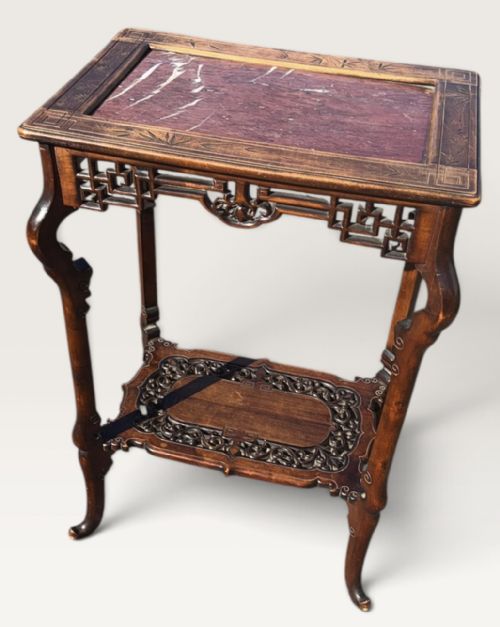
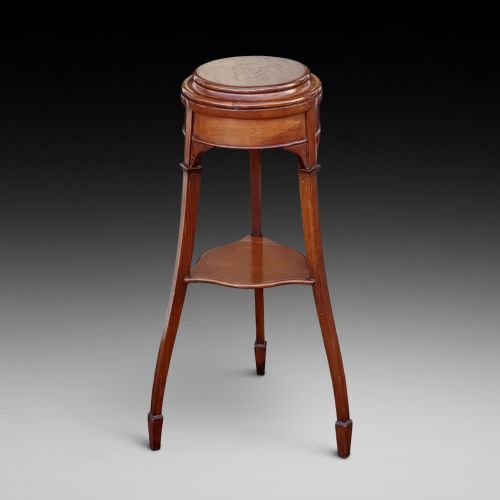

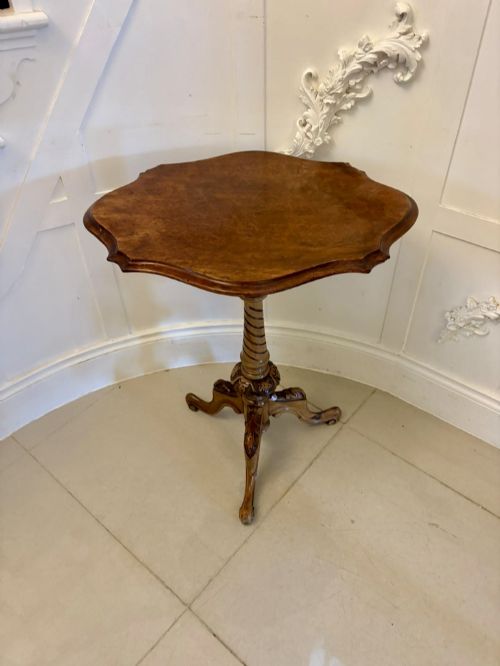
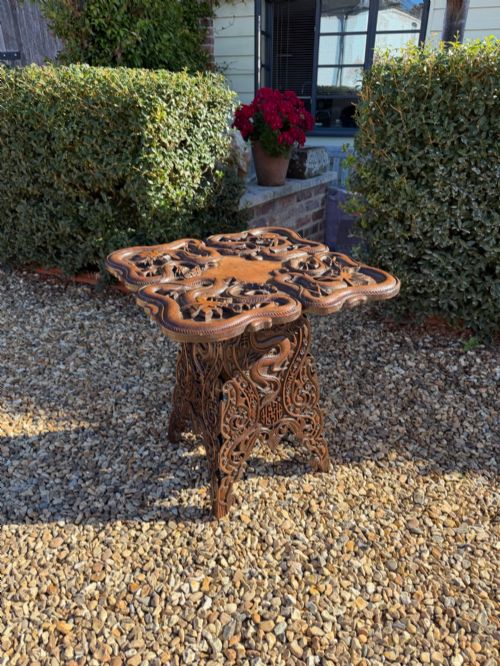
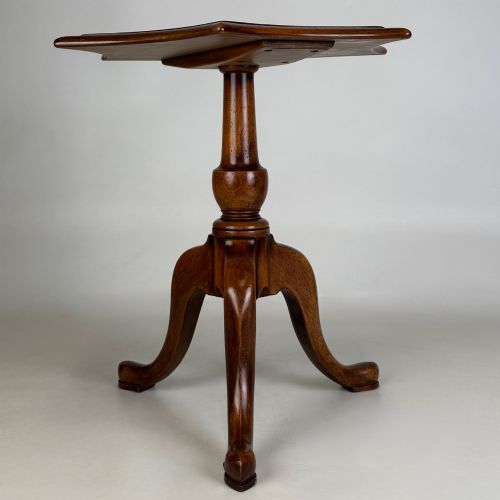
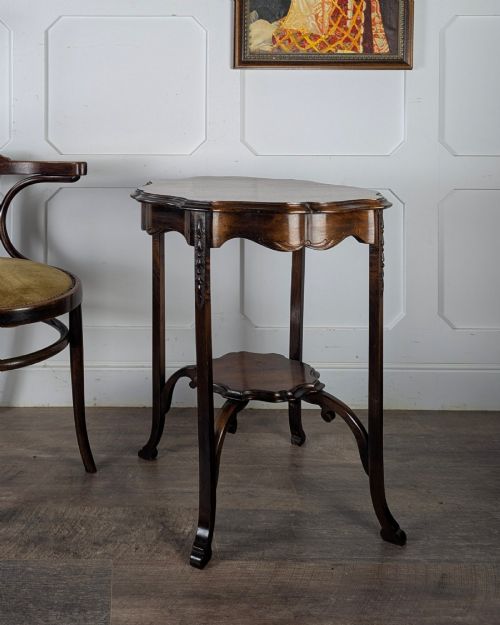
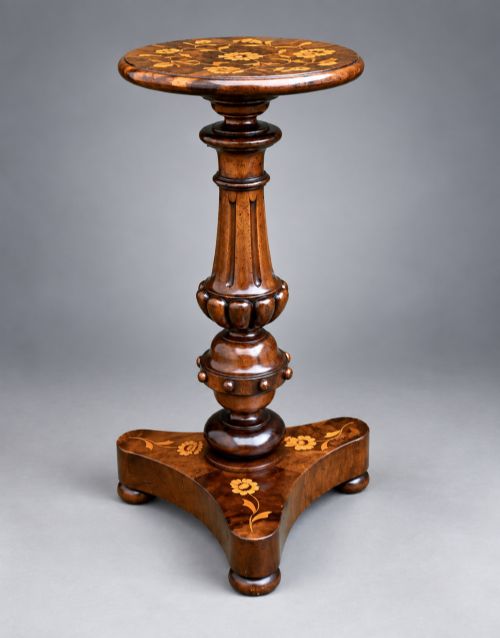
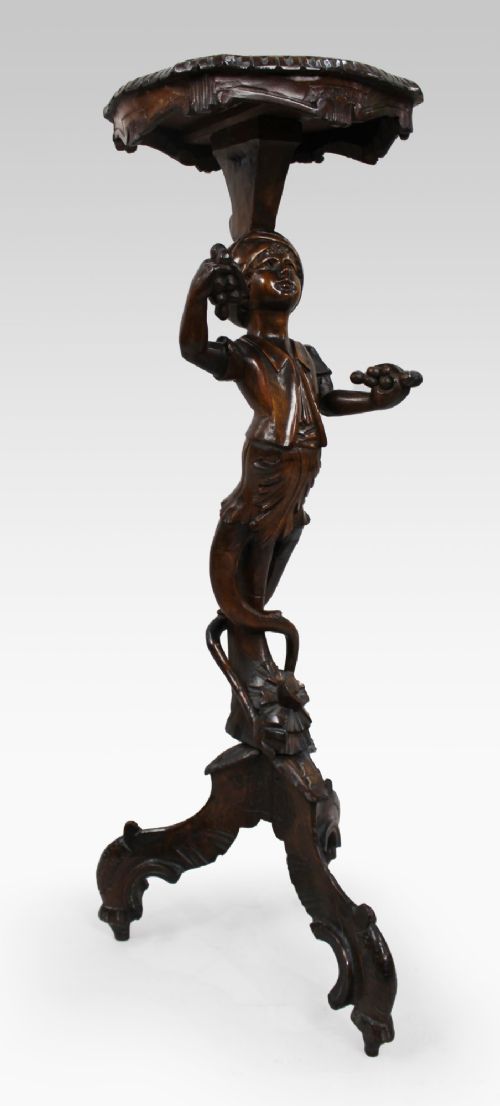
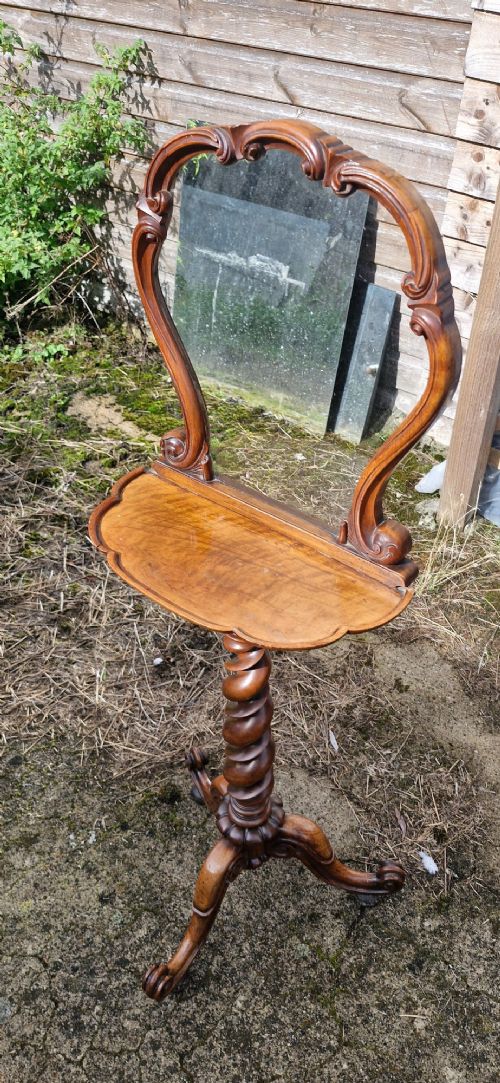
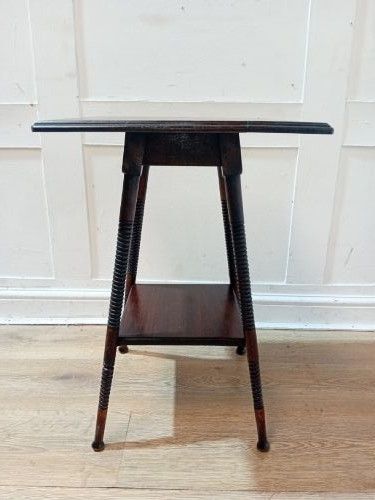
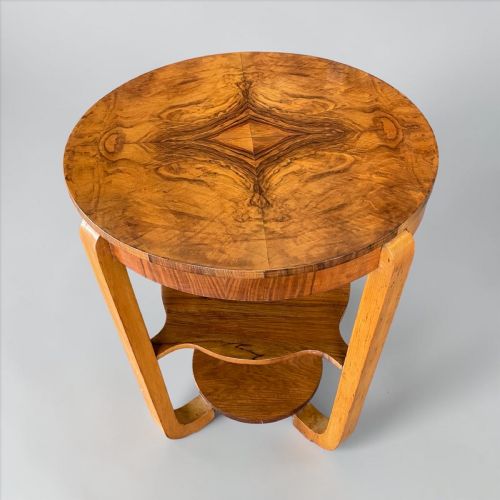
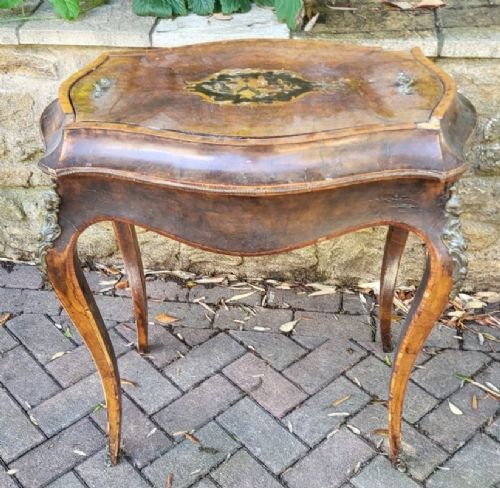
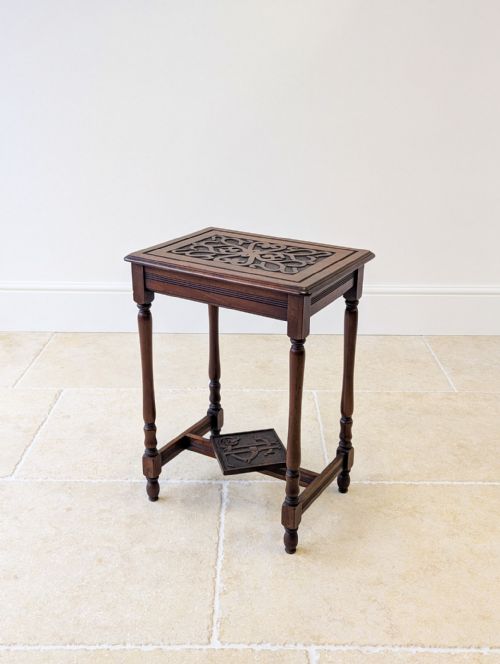

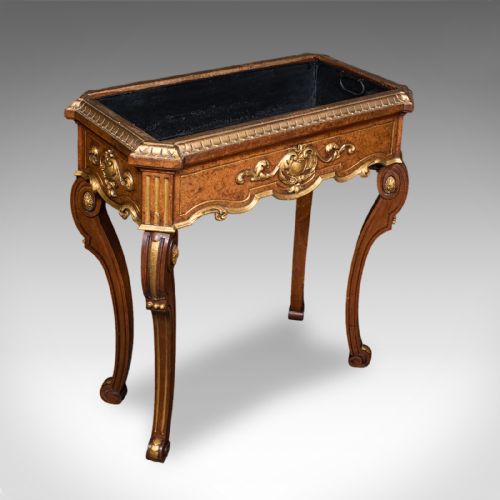
Antique Walnut Plant Table
An antique walnut plant table brings warmth and botanical display into a room, joining practical surface space with plant housing.
Antique Walnut Plant Table
An antique walnut plant table combines display space for greenery with functional furniture forms like jardiniere stands, occasional tables, and side pieces. These items serve to hold plants, lamps, or decorative objects while adding rich timber tones to a interior.
The pieces appearing most frequently stem from the Victorian and Edwardian periods, alongside examples from the early twentieth century. Makers of the era utilised diverse stylistic influences, ranging from French Louis XV revival to Arts and Crafts simplicity and Moorish geometric inlay.
Forms span from simple single-tier pedestals and candle stands to elaborate two-tier etageres and lidded planters equipped with metal inserts. Buyers encounter varied configurations designed for holding water and soil alongside standard occasional furniture adapted for botanical use.
What varies in quality
Quality rests upon the selection of timber veneers, particularly the choice and matching of burr walnut figures across the top surface. Superior examples demonstrate crisp carving on pedestals and legs rather than soft, cast details.
Construction methods determine durability, visible in the precision of marquetry work, the integrity of inlaid stringing, and the original quality of metal liners or brass galleries. Well-executed joints and balanced proportions distinguish finer workshop production.
Antique Walnut Plant Table Retail Price Guide 2026
Typical asking prices for walnut plant table among the pieces listed under this phrase on Sellingantiques today, from the lower quarter to the upper quarter. They describe what is for sale here now, not the wider market.
Listings span nineteenth and twentieth-century periods, incorporating walnut, burr walnut, brass, ormolu, and mother-of-pearl across various occasional and planter forms.
LIBERTY of LONDON·WILLIAM BIRCH·Shoolbred
The Antique Walnut Plant Table Glossary
- Burr walnut
- Timber sliced from walnut tree growths, yielding highly swirled and mottled grain patterns. Cabinet makers used these veneers on prominent table tops.
- Jardiniere
- A decorative pot or stand designed to hold plants and flowers. In table forms, it incorporates a waterproof liner or recessed well.
- Marquetry
- Decorative patterns formed by fitting small pieces of veneer into a wooden background. Craftsmen utilised various timbers to create floral or geometric designs.
- Ormolu
- Gilded bronze used for decorative mounts and feet on French-influenced furniture. It provides metallic contrast against dark walnut surfaces.
- Etagere
- A set of open shelves or multiple tiers used for small decorative items or plants. These pieces maximise display space across vertical levels.
Antique Walnut Plant Table: Frequently Asked Questions
How do I care for an antique walnut surface?
Maintain walnut furniture by keeping it away from direct heat sources and strong sunlight, which can dry out the timber and fade the polish. Dust regularly with a soft, dry cloth.
Apply occasional traditional wax polish to nourish the wood and preserve the depth of the grain without building up heavy residue.
Were these tables used exclusively for plants?
Many tables served multiple domestic purposes, acting as wine coolers, lamp stands, or general side furniture alongside their plant-holding function. Lift-off lids and removable metal liners allowed owners to adapt the top surface for entertaining.
Makers often designed these pieces with versatility in mind for nineteenth-century drawing rooms.
How can I tell a Victorian walnut table from an Edwardian one?
Victorian walnut tables tend to feature heavier proportions, dark rich finishes, and ornate carved details such as barley twist stems or elaborate marquetry. Edwardian pieces often display lighter construction, simpler satin walnut accents, or inlaid stringing inspired by earlier Georgian styles.
Construction techniques and secondary woods inside the frame also help indicate the manufacturing decade.