

Antique Walnut Bedroom Seat
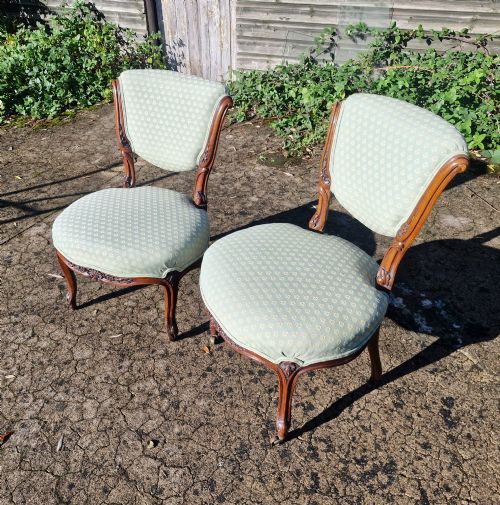
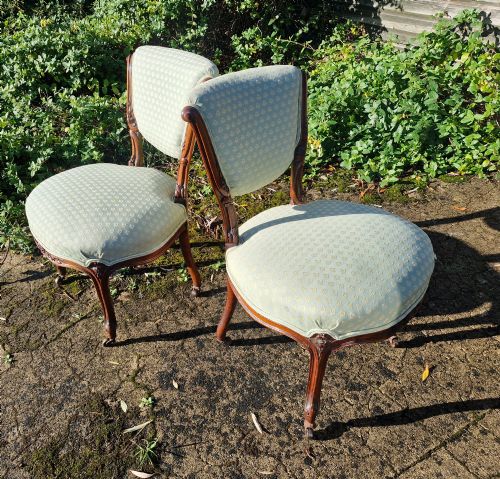
An antique walnut bedroom seat brings warmth and low-slung proportion to a dressing room or parlour.
Antique Walnut Bedroom Seat
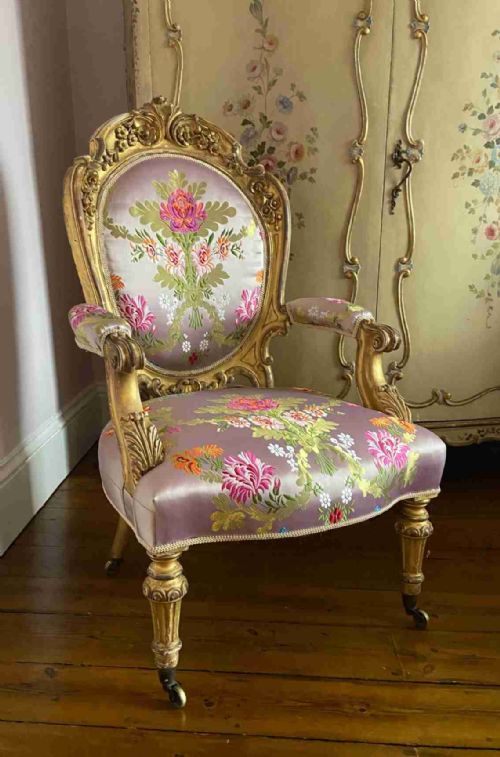
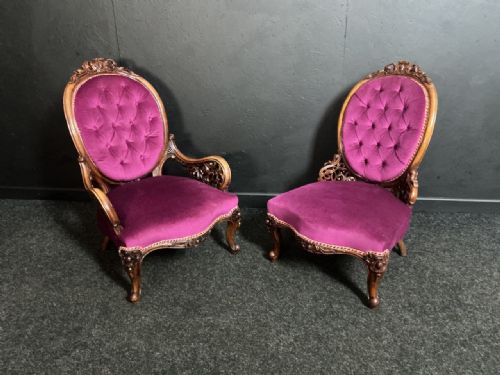
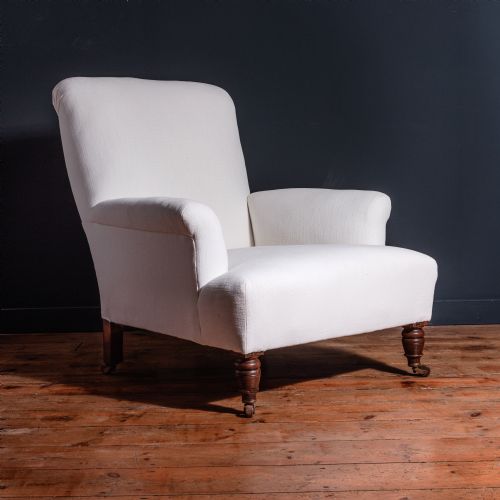
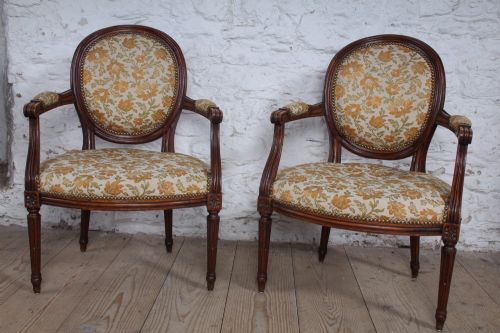
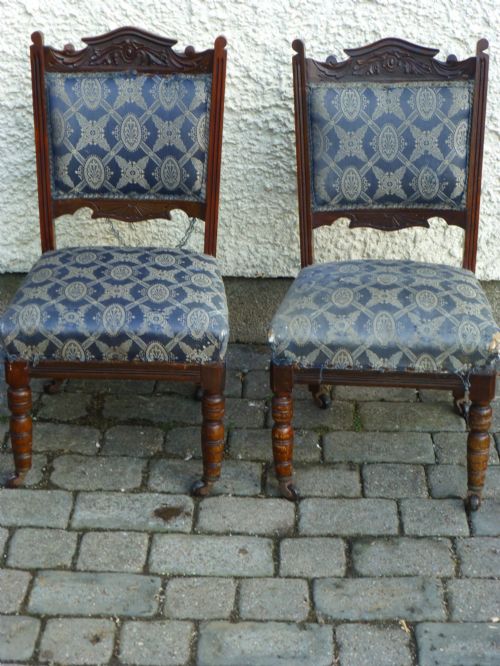
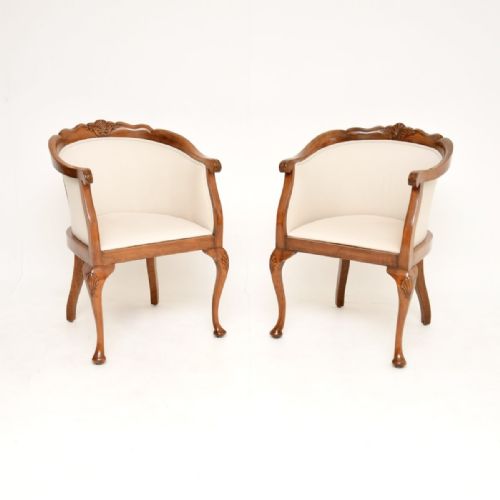
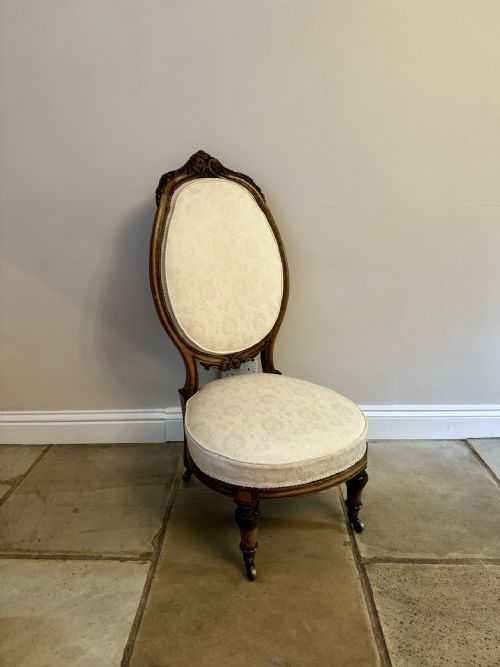
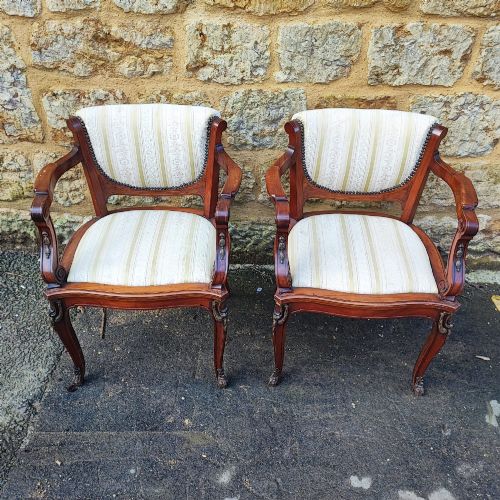
An antique walnut bedroom seat encompasses low occasional chairs, nursing chairs, window seats, and dressing table stools designed for private chambers. The selections span the Victorian and Edwardian eras alongside 19th-century French examples, Queen Anne style, and Art Deco pieces.
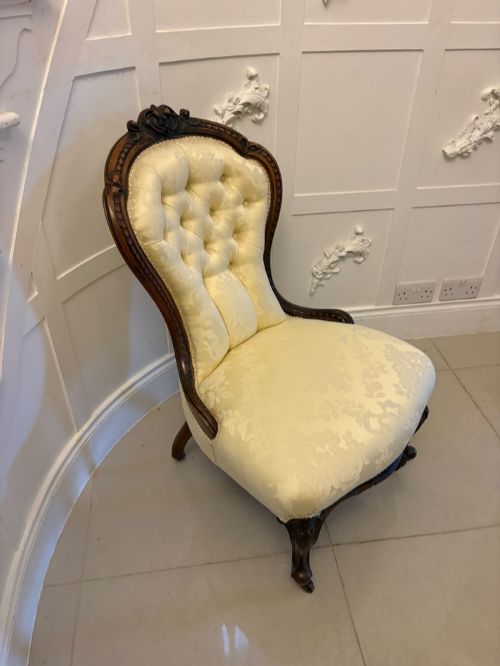
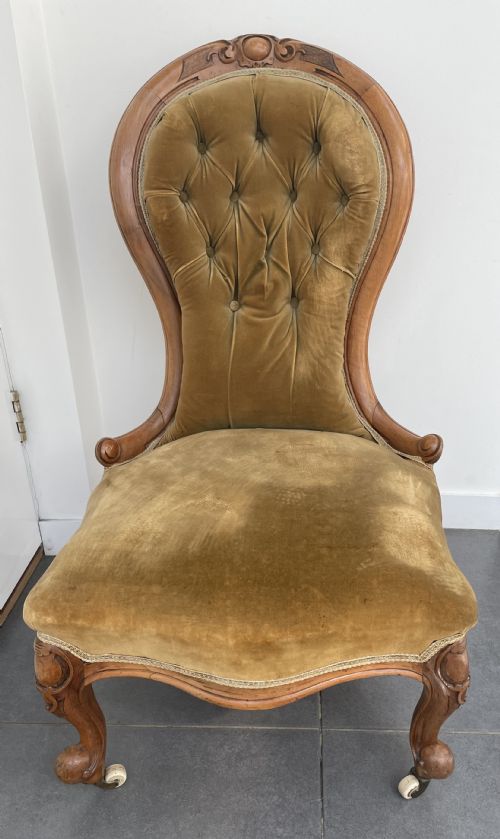
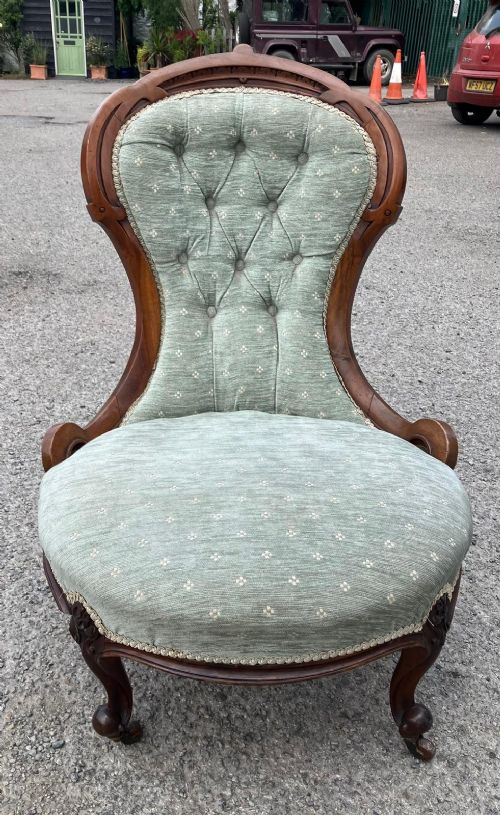
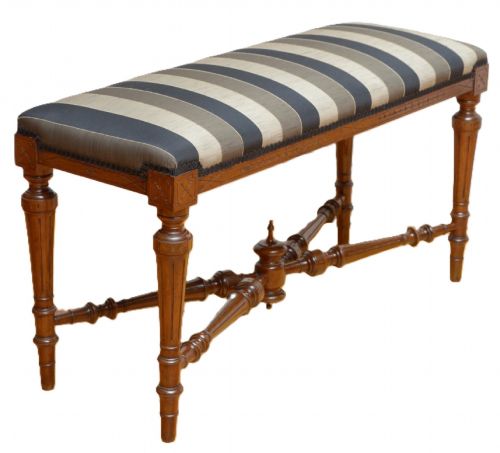
The nursing chair and the low-backed ladies chair dominate the forms, built with lower seats for dressing ease in the Victorian period. Window seats and duet stools offer wider benches for the foot of a bed, while side chairs and armchairs provide occasional seating.
Materials and construction
Makers utilised walnut as the primary timber, valued for its rich grain and dark warmth, frequently carved into scrolled backs, twisted rope legs, or pierced splats. Brass hardware often supports the structure, while wood frames provide the sturdy foundation for frequent domestic use.
Upholstery relies on traditional textiles, including needlepoint, tapestry, velvet, and linen, secured over buttoned or padded backs. Many pieces retain period stuffing or arrive newly recovered in patterned fabrics like Robert Kime textiles.
Antique Walnut Bedroom Seat Retail Price Guide 2026
Typical asking prices for walnut bedroom seat among the pieces listed under this phrase on Sellingantiques today, from the lower quarter to the upper quarter. They describe what is for sale here now, not the wider market.
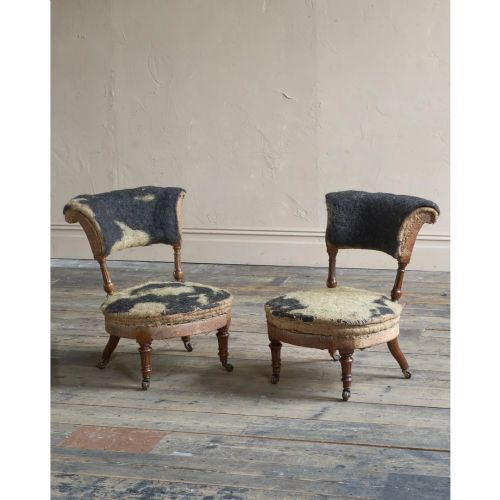
Some nursery and bedroom seats sit so low to the ground they feel remarkably like resting on a footstool.
Judging quality
The depth of carving on the walnut frame separates ordinary chamber seating from finer parlour pieces. Crisp hand-carved details and substantial timber scantlings indicate superior workshop output.
The integrity of the frame construction and the fidelity of the period style, whether French Louis XVI influence or English Queen Anne revival, determine the distinction between basic utility seating and high-status boudoir furnishings.
Hindley & Sons
The Antique Walnut Bedroom Seat Glossary
- Nursing chair
- A low-seated chair designed in the 19th century for women's dressing and infant care. These seats typically feature sprung upholstered backs and low legs.
- Balloon back
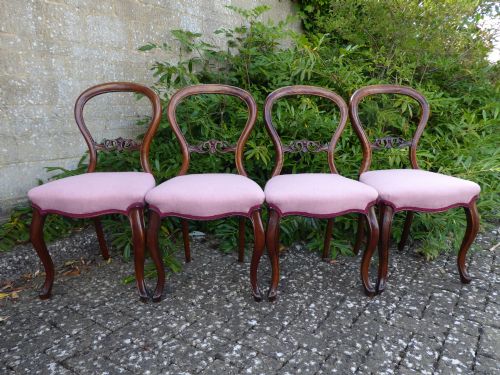
- A rounded, oval-shaped chair back resembling a hot air balloon, popular during the mid-Victorian era. This curved profile supports an upholstered centre panel.
- Spoon back
- A concave, padded chair back shaped like the bowl of a spoon to fit the human spine. It is frequently seen on Victorian salon and bedroom chairs.
- Pierced splat
- A vertical strip of wood down the centre of a chair back pierced with decorative cut-outs. It lightens the visual weight of the walnut frame.
Antique Walnut Bedroom Seat: Frequently Asked Questions
What is an antique walnut bedroom seat used for?
These pieces served practical roles in private chambers for dressing, putting on footwear, or resting near a window. Their compact proportions made them easily movable around the bedroom or boudoir.
Today, they function as accent seating in dressing rooms, hallways, or at the foot of a bed, adding period character to domestic spaces.
How do I identify a Victorian nursing chair?
A Victorian nursing chair is defined by its noticeably lower seat height, built close to the floor to accommodate heavy garments and dressing routines of the era. They often feature an upholstered spoon back or balloon back.
The woodwork typically displays walnut construction with turned legs, occasionally fitted with castors for mobility.
What is the difference between a window seat and a stool?
A window seat is designed specifically for placement beneath a window, usually featuring low arms or ends and a long rectangular upholstered top. They provide structured seating without blocking natural light.
A dressing table stool or salon stool is generally smaller and backless, intended to tuck neatly beneath a vanity table.
Are these seats suitable for everyday use?
Most pieces are structurally sound for normal sitting, provided the underlying walnut frame remains solid and well-joined. Many examples have been restored or professionally upholstered to ensure modern durability.
Buyers should check whether a piece retains original upholstery or has been recovered for contemporary comfort.