


Antique Wall Rail
These antique wall rail pieces provide practical hanging and mounting solutions, bringing period character and functional utility to hallways and utility rooms.
Antique Wall Rail
When searching for an antique wall rail, buyers encounter a diverse selection of wall-mounted hardware primarily designed for hanging garments, hats, and towels. The inventory spans several centuries, featuring utility items originating from domestic hallways, railway stations, and ships.
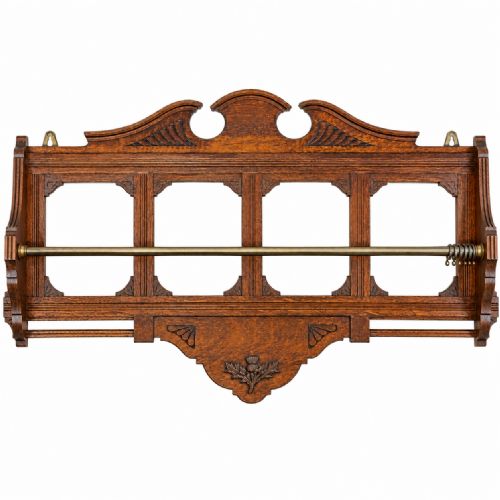
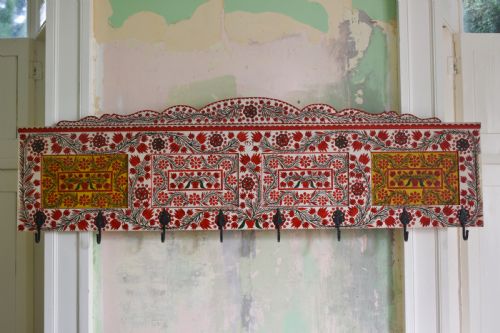
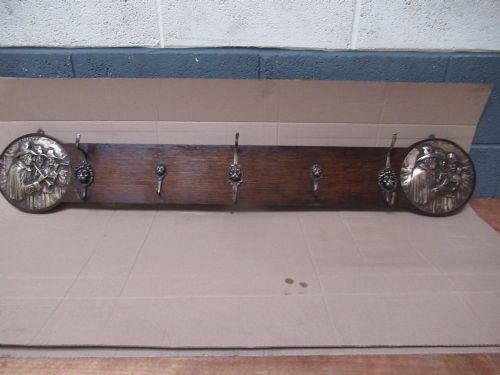
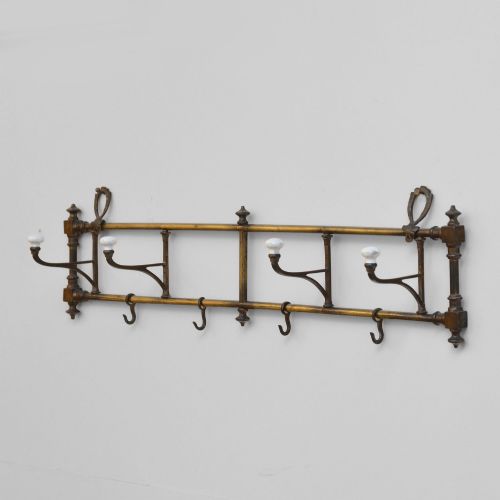
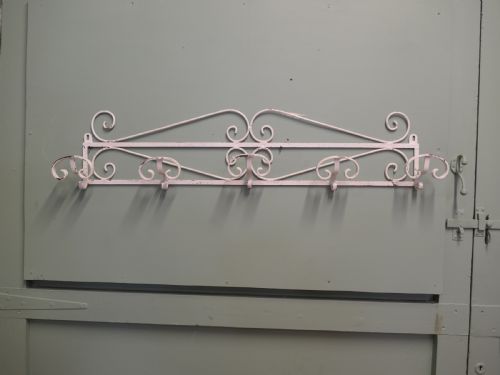
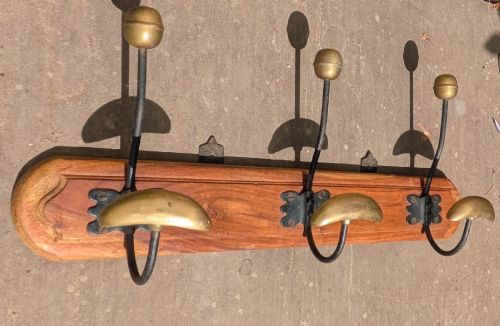
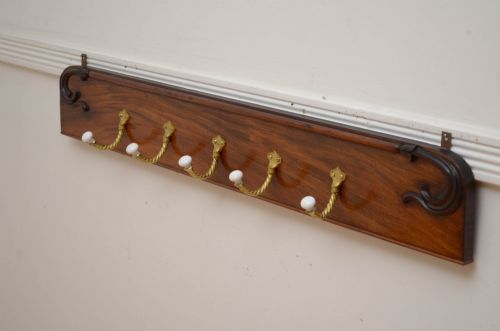
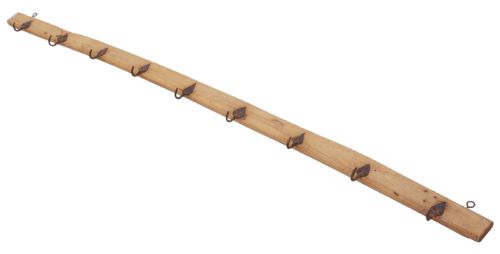
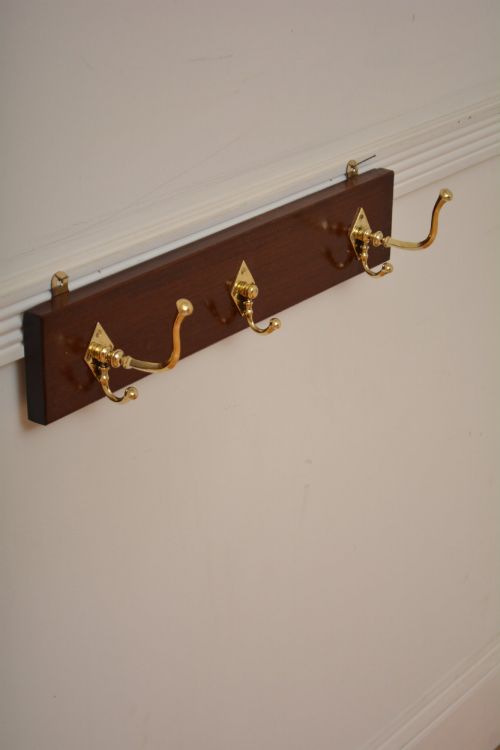
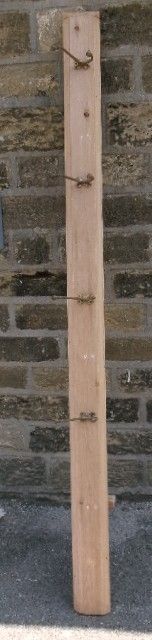
The most common versions met on this page include mahogany, pine, and oak coat racks fitted with brass, cast iron, or ceramic hooks. Pieces range from short Victorian bathroom rails to long Edwardian cloakroom racks and heavy wrought iron examples.
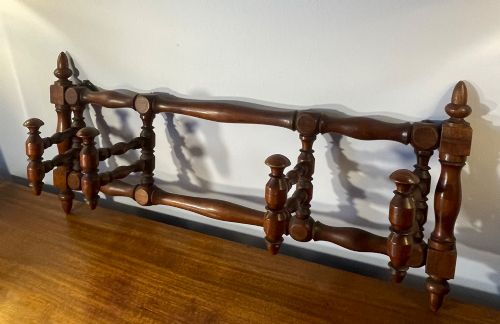
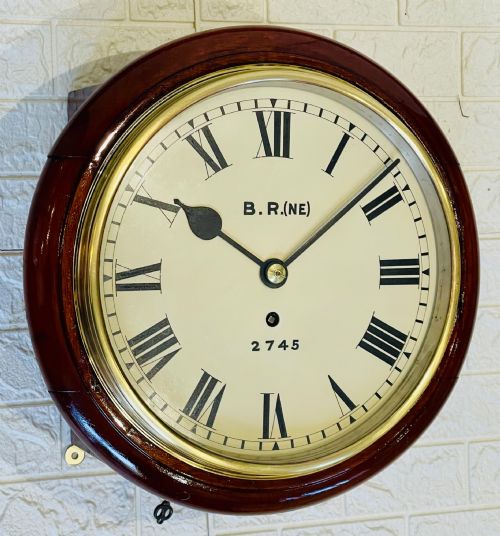
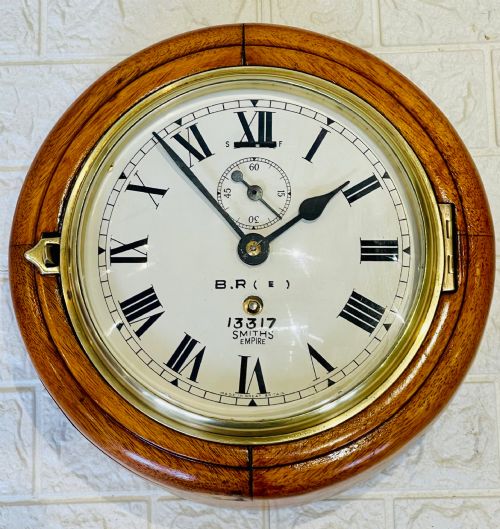
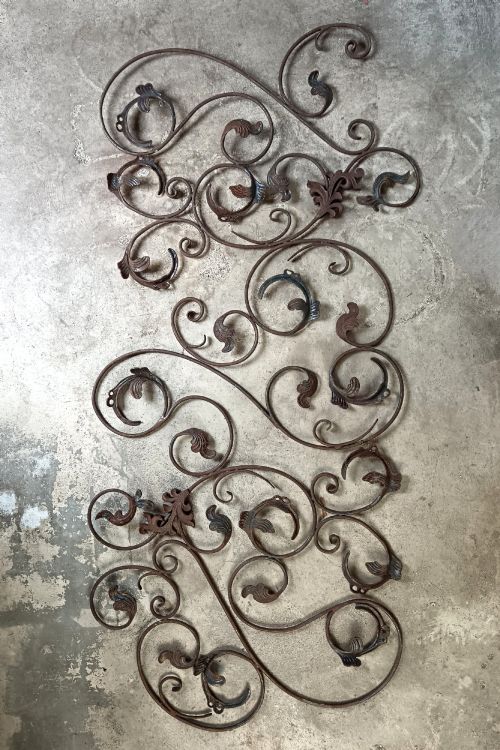
Beyond traditional garment hangers, the selection includes architectural salvage, wall-mounted clocks, and specific drying rails. French faux bamboo, Aesthetic Movement designs, and industrial railway pieces further expand the variety of wall-mounted hardware available.
Materials and Construction Methods
Makers utilised solid timbers such as mahogany, oak, pine, and walnut for the backboards, often shaping them with chamfered edges, panels, or applied mouldings. These backboards support metalwork fixed securely to the wood.
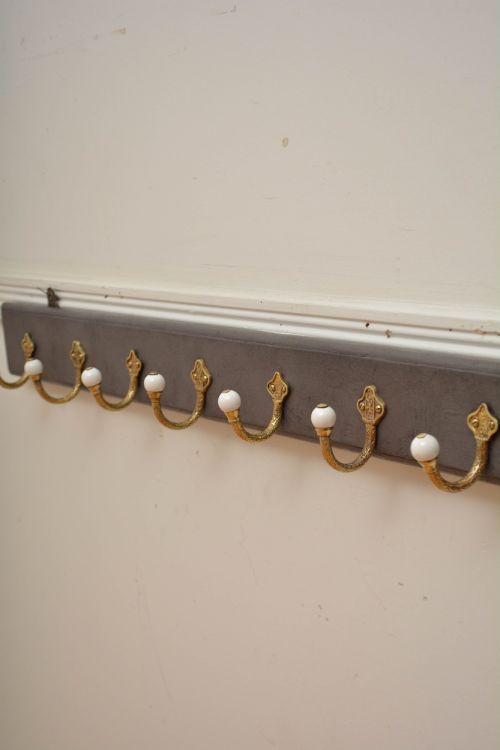
Hardware components combine cast brass, wrought iron, and glazed ceramic elements. Hooks frequently feature decorative casting, twisted rope motifs, or porcelain inserts, whilst architectural panels utilise forged ironwork.
Antique Wall Rail Retail Price Guide 2026
Typical asking prices for wall rail among the pieces listed under this phrase on Sellingantiques today, from the lower quarter to the upper quarter. They describe what is for sale here now, not the wider market.
Some nineteenth-century coat racks feature faux bamboo carved directly into solid wood to satisfy a Victorian fascination with exotic flora.
Distinctions in Quality
Quality in an antique wall rail rests upon the integrity of the materials and the craftsmanship of the metal fittings. Heavy cast brass, finely turned wood, and well-preserved ceramic elements distinguish finer examples from standard utility items.
The relationship between the backboard and the hooks reveals the standard of manufacture. Solid timber mounts with original, securely fastened hooks and patinated brass display superior execution compared to later replacements or modified pieces.
The Antique Wall Rail Glossary
- Backboard
- The horizontal strip of timber that supports mounted hooks or rails. It is typically screwed directly to a wall.
- Cloakroom rack
- A long wall-mounted fixture designed for hanging coats and hats in a reception hall or entrance.
- Fusee movement
- A clock mechanism controlled by a chain and cone-shaped pulley to maintain uniform tension. It is commonly found in railway wall clocks.
- Portmanteau
- A heavy wall-mounted rack combining coat hooks and a shelf for hats or luggage. These items originated in French and English halls.
- Aesthetic Movement
- A late nineteenth-century design style emphasising visual beauty over narrative subject matter. Pieces often incorporate Anglo-Japanese influences and ebonised wood.
Antique Wall Rail: Frequently Asked Questions
How were antique wall rails originally used?
These fixtures served practical purposes in hallways, cloakrooms, and kitchens for hanging garments, hats, and game. Railway and maritime versions fulfilled specific transit and drying functions.
Domestic variants kept entranceways organised by holding everyday outerwear and accessories within easy reach of household members and visitors.
How do I hang a heavy wooden coat rack safely?
Secure mounting requires fixing the backboard directly into wall studs or using heavy-duty wall anchors appropriate for the wall substrate. The weight of coats placed upon the hooks exerts significant leverage.
Distributing fixing screws evenly across the length of the timber backboard ensures the assembly supports the intended load without pulling away from the plaster.
What indicates an older Victorian or Edwardian coat rack?
Older pieces typically display solid hardwood construction, hand-cut screws, and patinated brass or cast iron hooks attached to timber backboards. Hand-finished details and traditional joinery point to nineteenth-century production.
Materials such as mahogany, oak, and pine paired with ceramic inserts on the hook terminals are characteristic of Victorian and Edwardian domestic hardware.
Can I use an antique towel rail in a modern bathroom?
These fixtures integrate successfully into contemporary bathrooms provided the wood and metal components tolerate normal moisture levels. Many historical designs match modern functional requirements.
Careful placement away from direct water spray protects older timber finishes and metal patination whilst offering practical towel storage.