



Antique Wall Intaglios
Antique wall intaglios bring classical sculpture into domestic interiors through detailed relief panels cast in plaster and framed for display.
Antique Wall Intaglios
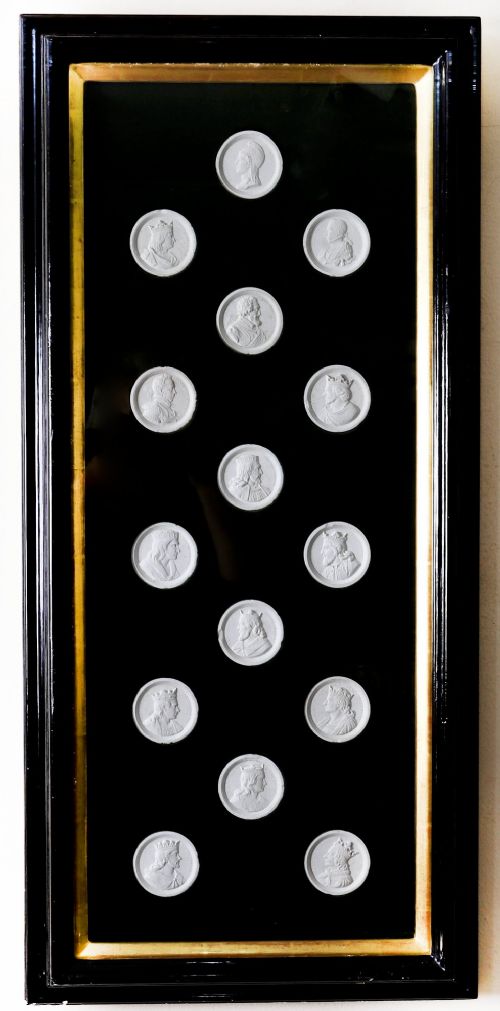
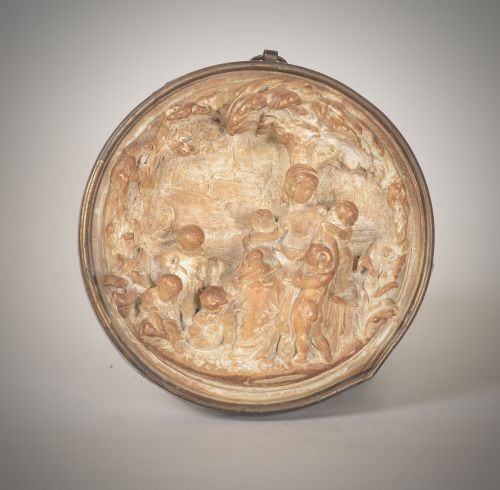
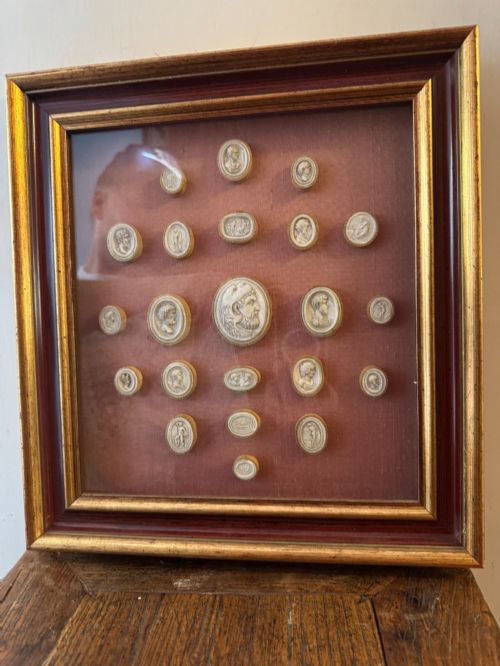
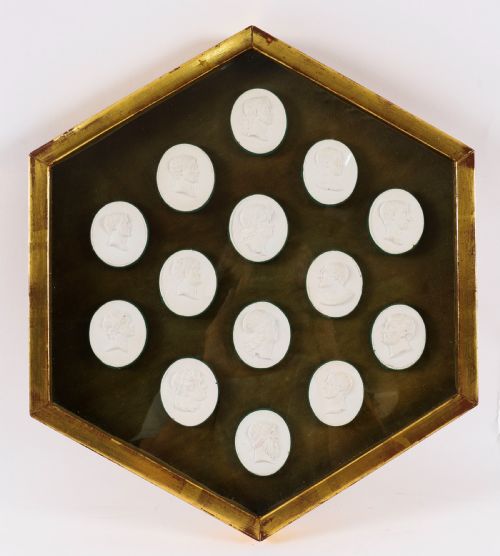
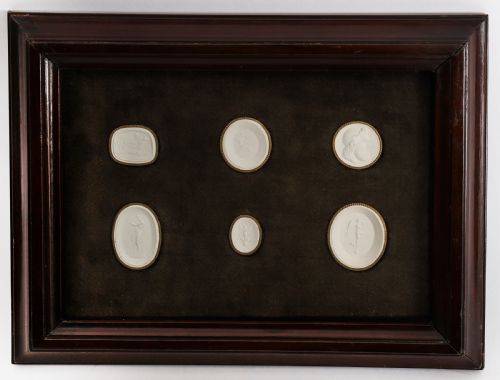
These pieces are antique wall intaglios, taking the form of framed collections, plaster relief panels, and boxed medallions originating largely from the 19th century and the Edwardian era. A buyer examining this selection will encounter classical cameo intaglios and gypsum relief panels created to evoke the grand tour aesthetic.
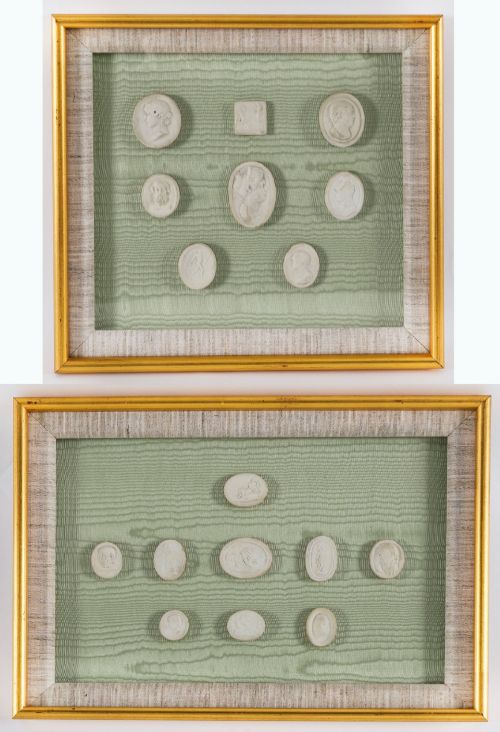
The dominant forms on this page include framed wall art housing multiple classical motifs and individual framed intaglios arranged in sets. These decorative objects draw directly upon neoclassical taste and Grand Tour traditions, offering miniature sculptural studies for interior display.
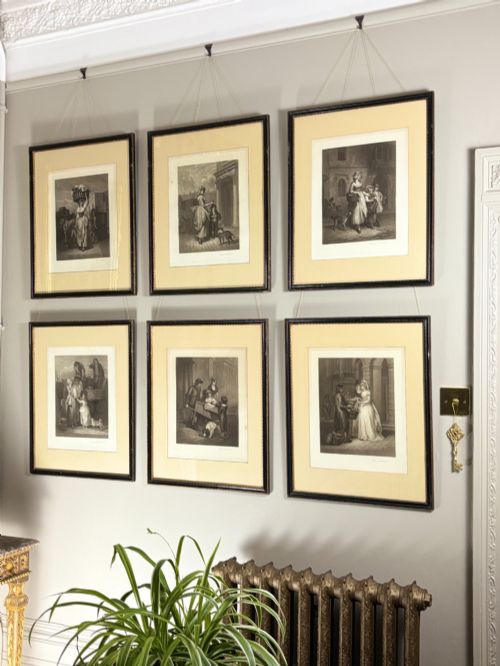
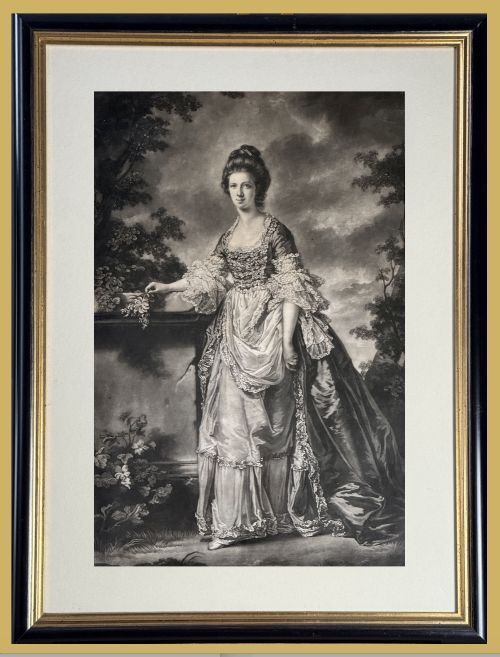
While the majority of pieces date from the 19th century, variations extend to Edwardian arrangements and related framed artworks like mezzotint prints. The core of the offering remains plaster cast medallions mounted within wooden or gilt frames.
How they were made
Makers produced these works using plaster, glass, and gypsum, casting relief medallions from classical originals encountered during European travels. Artisans then mounted these delicate casts onto backings of paper, fabric, or velvet to highlight the crisp details of the relief work.
The completed compositions sit inside timber housings, frequently utilising wood, gilt wood, and gold leaf for the framing. This combination of cast plaster and protective glazed framing preserves the fragile surface of the intaglios.
Antique Wall Intaglios Retail Price Guide 2026
Typical asking prices for wall intaglios among the pieces listed under this phrase on Sellingantiques today, from the lower quarter to the upper quarter. They describe what is for sale here now, not the wider market.
Travellers brought home dozens of tiny plaster gods in boxes, turning their living rooms into pocket-sized museums.
What varies in quality
Quality rests in the crispness of the casting and the precision with which individual intaglios are arranged within their frames. Finer examples display sharp definition in the plaster reliefs, whereas simpler versions show softer contours.
The sophistication of the backing materials, such as fine velvet or textured fabric, distinguishes comprehensive collections from basic single panels. Furthermore, the integrity of the original gilt wood and wood framing contributes to the standing of the piece.
James Watson·Francis Cotes·Giovanni Liberotti·George Morland·W Ward
The Antique Wall Intaglios Glossary
- Intaglio
- A design carved into a material so that the impression sinks below the surface. In these listings, the term often describes raised plaster casts reproducing such carvings.
- Grand Tour
- A traditional trip of Europe undertaken by upper-class European young men of sufficient means. This cultural journey inspired the collection of plaster casts and intaglios seen here.
- Mezzotint
- A printmaking process of the intaglio family, done on copper. It allows half-tints to be produced without using line-based techniques.
- Gypsum
- A soft sulfate mineral utilised for creating plaster casts and relief panels. It provides a smooth, bright white surface ideal for capturing classical details.
- Neoclassical
- A Western cultural movement in the decorative arts that drew inspiration from the art and culture of classical antiquity. This style dictates the subject matter of many framed intaglios.
Antique Wall Intaglios: Frequently Asked Questions
What are antique wall intaglios?
Antique wall intaglios are framed collections of plaster or gypsum relief casts that reproduce classical sculptures and cameos. They originated as souvenirs from European travels.
These pieces function primarily as decorative wall art, preserving ancient motifs within 19th-century and Edwardian frames.
How do I hang antique intaglios?
These framed artworks require secure picture hooks suited to the weight of wood and glass frames. Position them at eye level where direct light can catch the plaster relief.
Keep them away from direct sunlight and damp environments to protect the delicate plaster casts and fabric backings.
How do I date an intaglio collection?
Dating relies on examining the framing materials, backing fabrics, and the style of the mounting board. 19th-century examples often feature specific joinery and paper linings.
Maker signatures or stamps on the reverse can also provide a reliable guide to the period of assembly.