





Antique Wall Indicator
An antique wall indicator is a functional mounted dial, board or calendar designed to convey weather, time or direction.
Antique Wall Indicator
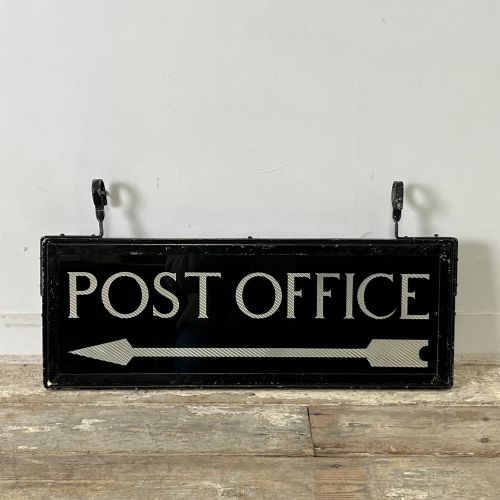
When you search for an antique wall indicator, you encounter a diverse group of mounted functional instruments including barometers, calendars, thermometers, scoreboards and directional signs. These objects served practical domestic, maritime and institutional roles across the Georgian, Victorian and Edwardian periods.
The version you are most likely to meet on this page is the aneroid or mercury barometer framed in oak or mahogany, alongside wall calendars and weather vanes. The evidence spans centuries of British craftsmanship, ranging from eighteenth-century stick barometers to early twentieth-century office signage.
Makers and makers' names appear frequently on precision meteorological pieces, connecting utility with decorative appeal. The materials vary from heavy hardwoods and brass to wrought iron and glass, reflecting the specific mechanical or communicative purpose of each wall indicator.
How they were made
Makers utilised dense timbers such as mahogany, oak and walnut for the structural cases and backboards of barometers, calendars and scoreboards, often shaping them with carved mouldings or boxwood inlay. These woods provided the necessary stability to house delicate interior dials and mercury tubes.
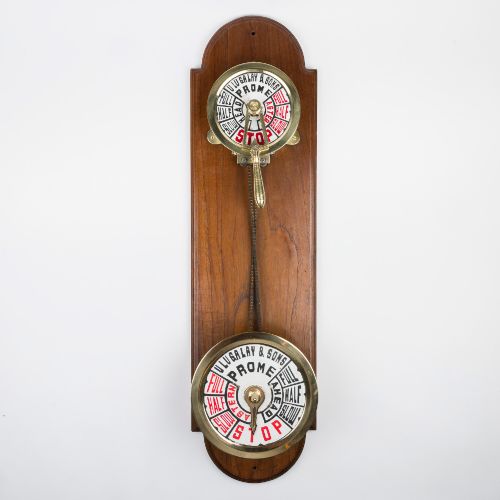
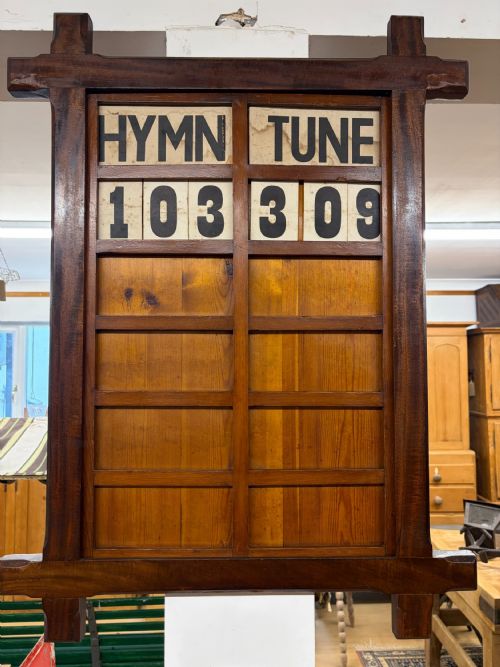
Brass, glass and iron formed the functional components, from bezel rings and pointer hands to heavy weather vanes and engine room telegraph housings. Paper and card components served in perpetual calendars and hymn boards, protected behind glazed wooden frames.
Antique Wall Indicator Retail Price Guide 2026
Typical asking prices for wall indicator among the pieces listed under this phrase on Sellingantiques today, from the lower quarter to the upper quarter. They describe what is for sale here now, not the wider market.
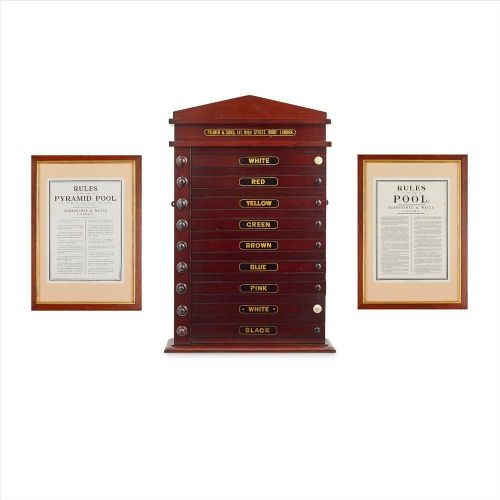
Pool scoreboards record friendly disputes with numbers, reminding us that Victorian game nights grew fiercely competitive.
What varies in quality
The standard of a wall indicator rests upon the precision of its maker, the crispness of any carved timber case, and the legibility of its painted or engraved dials. Signed instruments by known opticians and instrument makers demonstrate superior mechanical refinement compared to anonymous domestic pieces.
Material selection and cabinetmaking detail distinguish standard utilitarian items from high-end commissions, particularly in the quality of veneers, inlay work and cast brass fittings. Preservation of original glass, paper elements and mercury tubes also governs the integrity of the piece.
Ulugary & Sons·Short & Mason·George Adams·Maple & Co·A Rivolta·J Groce·Palmer & Sons·George Dollond
The Antique Wall Indicator Glossary
- Aneroid barometer
- An instrument that measures atmospheric pressure without liquids by using a flexible metal box. It expands or contracts with pressure changes to move a dial pointer.
- Stick barometer
- A tall, narrow wall instrument containing a vertical glass tube filled with mercury. It provides a direct reading of atmospheric height.
- Perception calendar
- A mechanical wall board utilising interchangeable cards or rotating wooden cylinders to display dates. It allows manual adjustment for months and days.
- Weather vane
- An outdoor pivoting indicator mounted to show the direction of the wind. They are typically fashioned from iron, copper or wrought metal.
- Engine room telegraph
- A communication device used on ships to transmit orders from the bridge to the engine room. Indicator handles point to specific operational commands.
Antique Wall Indicator: Frequently Asked Questions
How do barometers work?
Barometers measure atmospheric pressure to help forecast local weather changes over coming hours. Mercury models use liquid columns balancing against air pressure, while aneroid versions rely on internal expanding metal vacuum chambers.
Changes in pressure cause the needle pointer to move across an engraved dial face marked with weather descriptions like storm, rain, change and fair.
Where were wall calendars used?
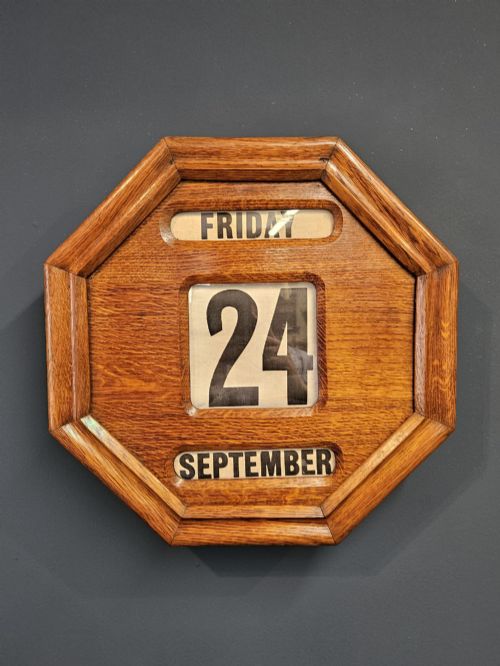
Perpetual calendars and date boards hung in offices, railway stations, institutional halls and domestic hallways to keep track of the day. They utilised sliding indicators, paper cards or rotating drums to update daily.
Their robust oak and mahogany construction ensured they survived decades of daily public handling in commercial environments.
How do I hang a heavy barometer?
Wall indicators require secure fastening directly into wall studs or proper masonry fixings due to the weight of dense hardwood frames and internal glass components. Most pieces feature a reinforced brass hanging eye at the top of the case.
Leveling the instrument carefully during installation ensures internal mechanical linkages hang true and operate without friction.
How do I identify the period?
Stylistic clues within the woodwork and typography reveal the manufacturing era of an indicator. Georgian pieces favour clean mahogany lines, Victorian examples often display heavier carved oak foliage, and Edwardian items feature simpler circular or octagonal framing.
Signatures engraved on brass dials or maker plates provide definitive dating when cross-referenced with recorded workshop active dates.