




Antique Wall Cross
When you search for an antique wall cross, you find devotional objects shaped by centuries of hand carving, casting, and textile work.
Antique Wall Cross
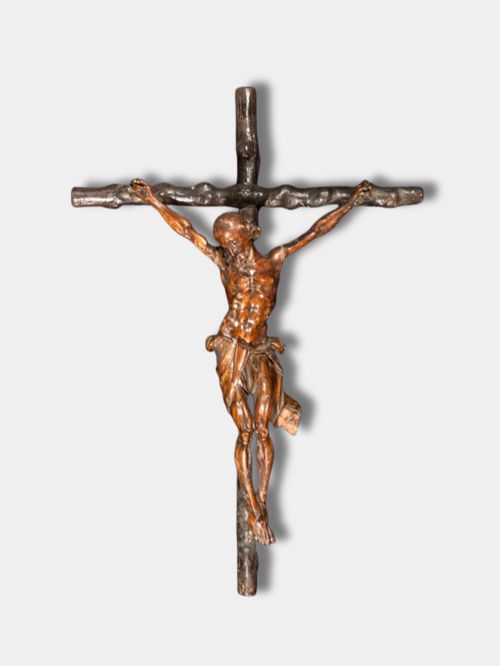
An antique wall cross encompasses devotional items intended for hanging, spanning centuries of craftsmanship and religious iconography. You encounter items ranging from carved wooden figures to cast bronze plaques and detailed needlework panels.
The selections on this page typically originate from the eighteenth and nineteenth centuries, reflecting periods such as the Georgian and Victorian eras. These items often combine spiritual significance with the dominant decorative styles of their respective periods.
How they were made
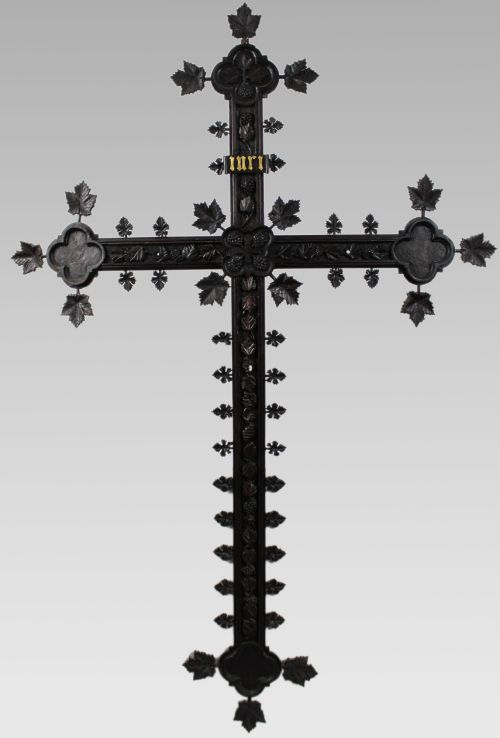
Wood serves as a primary medium, shaped through manual carving techniques seen in items like black forest crosses and oak crucifixes. Metalwork also appears significantly, utilising cast bronze, brass, and spelter for structural integrity and sculptural detail.
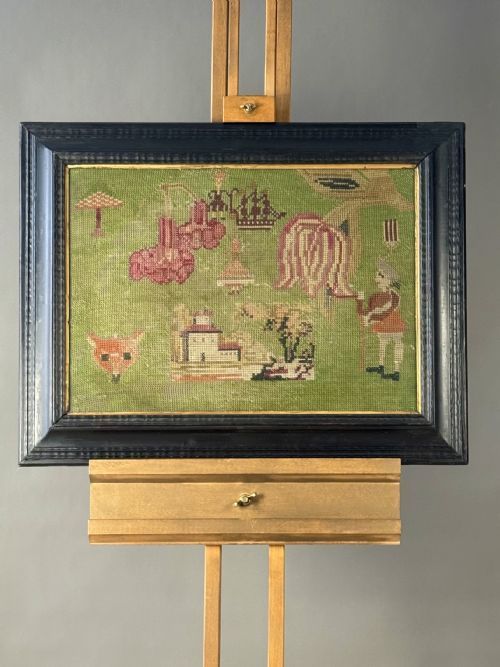
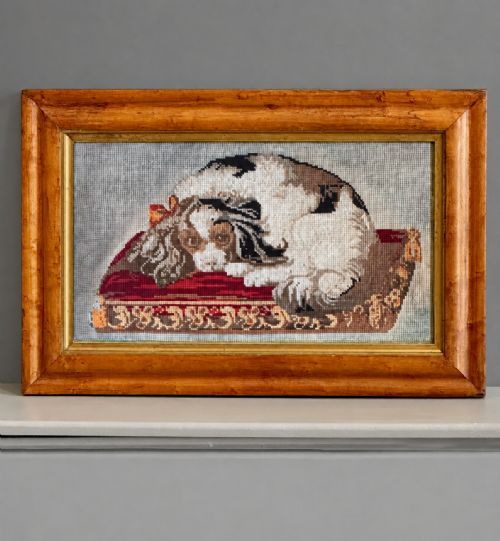
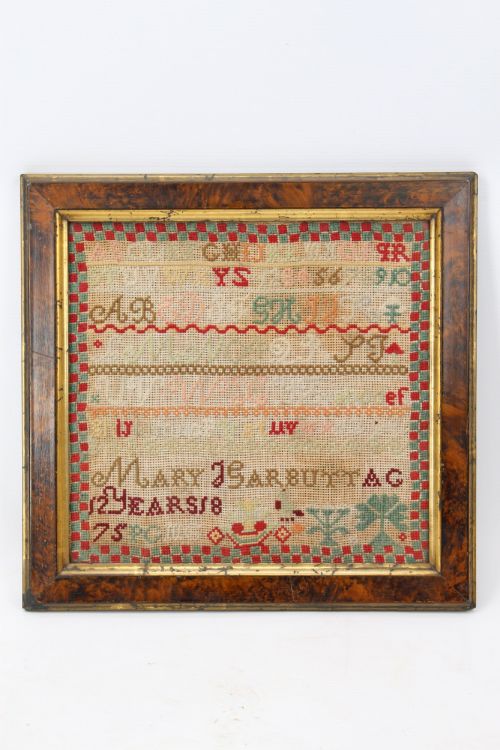
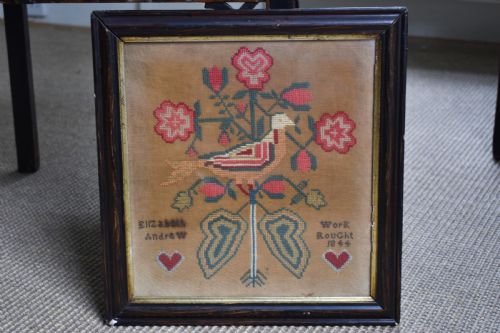
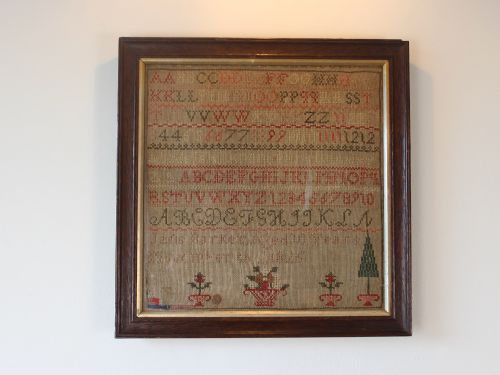
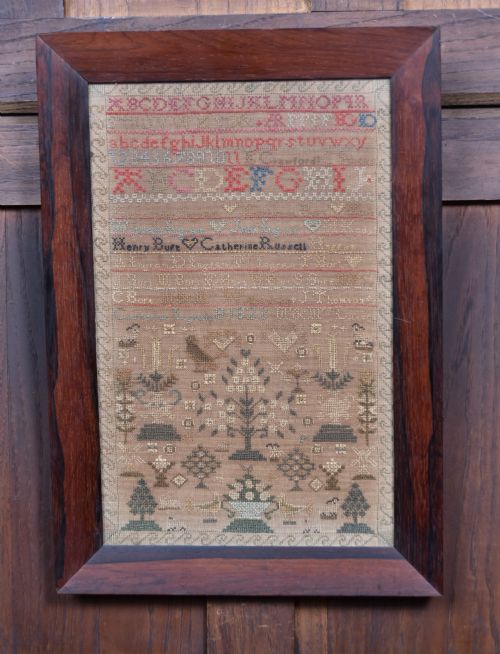
Textile examples incorporate materials such as wool, silk, and linen within needlework samplers and framed panels. Artisans employed canvas grounds and specialised embroidery stitches to render script and devotional imagery by hand.
The documented styles include Victorian, Georgian, and Gothic Revival across various European origins.
What varies in quality
The standard of carving determines much of the distinction in wooden pieces, separating sharp, deep relief work from softer, worn details. Proportions and anatomical accuracy in the depiction of the corpus indicate the skill of the maker.
Material selection and mounting condition influence the overall character of textile and metal pieces. Intact frames, stable backing materials, and well-preserved metallic finishes distinguish superior examples from heavily altered ones.
The Antique Wall Cross Glossary
- Corpus
- The sculptural figure of Christ affixed to the cross. This element highlights the anatomical skill and stylistic conventions of the period.
- Sampler
- A piece of embroidery or needlework produced as a demonstration or test of skill. These often display alphabets, dates, and religious verses.
- Gilt
- A thin layer of gold applied to wood, metal, or other surfaces. This technique adds reflective quality and prevents corrosion on devotional objects.
- Spelter
- A zinc alloy commonly utilised as a substitute for bronze in decorative castings. It takes fine detail well and accepts various patination treatments.
Antique Wall Cross: Frequently Asked Questions
What materials are typical for these crosses?
The listings show a prevalence of carved hardwoods, cast brass, bronze, and spelter for sculptural and structural forms. Textile versions utilise wool, silk, and linen mounted within period wooden frames.
Each material dictates specific care requirements, particularly regarding humidity control for wood and textiles and gentle dusting for metals.
How can I tell the age of a wooden cross?
Age is determined by tool marks, wood shrinkage patterns, and the style of the carving relative to known historical periods. Eighteenth-century pieces often display hand-adzed surfaces and older joinery techniques.
Examine the back of the cross for signs of past hanging hardware, oxidation on nails, and natural patina accumulated over generations.
How do I clean an antique metal crucifix?
Remove surface dust gently with a soft, dry brush without applying abrasive cleaners or polishes that strip the historic patination. Preserving the natural oxidation protects the metal surface and maintains the integrity of the antique finish.
Consult a professional restorer if the piece exhibits verdigris or structural instability that requires specialist intervention.